In an era dominated by hyper-connectivity and endless digital streams, a fascinating counter-movement is quietly, yet powerfully, reshaping American culture. As we navigate through 2026, the allure of the tangible, the authentic, and the un-pixelated is growing stronger than ever. This isn’t just about nostalgia; it’s a profound re-evaluation of how we interact with the world, ourselves, and each other. The analog cultural shifts we’re witnessing are more than fleeting trends; they are foundational changes reflecting a collective yearning for deeper engagement and a respite from digital fatigue.
For years, the narrative has been one of relentless digital acceleration. Smart devices became extensions of our limbs, social media platforms dictated our interactions, and virtual realities promised escapism. Yet, the human spirit, inherently drawn to the real and the sensory, has begun to push back. This article delves into six significant analog cultural shifts that are defining 2026 America, demonstrating a widespread return to experiences that are tactile, present, and deeply human. Understanding these shifts is crucial for anyone looking to grasp the evolving landscape of modern society.
From the resurgence of traditional hobbies to a renewed appreciation for physical media, these analog cultural shifts are not merely a rejection of technology but a conscious choice to embrace balance. They highlight a desire for authenticity, a longing for connection unmediated by screens, and a recognition of the value in slowing down. Let’s explore how these powerful undercurrents are shaping our lives and offering a refreshing perspective on what truly enriches us.
1. The Vinyl Renaissance: Sound You Can Touch
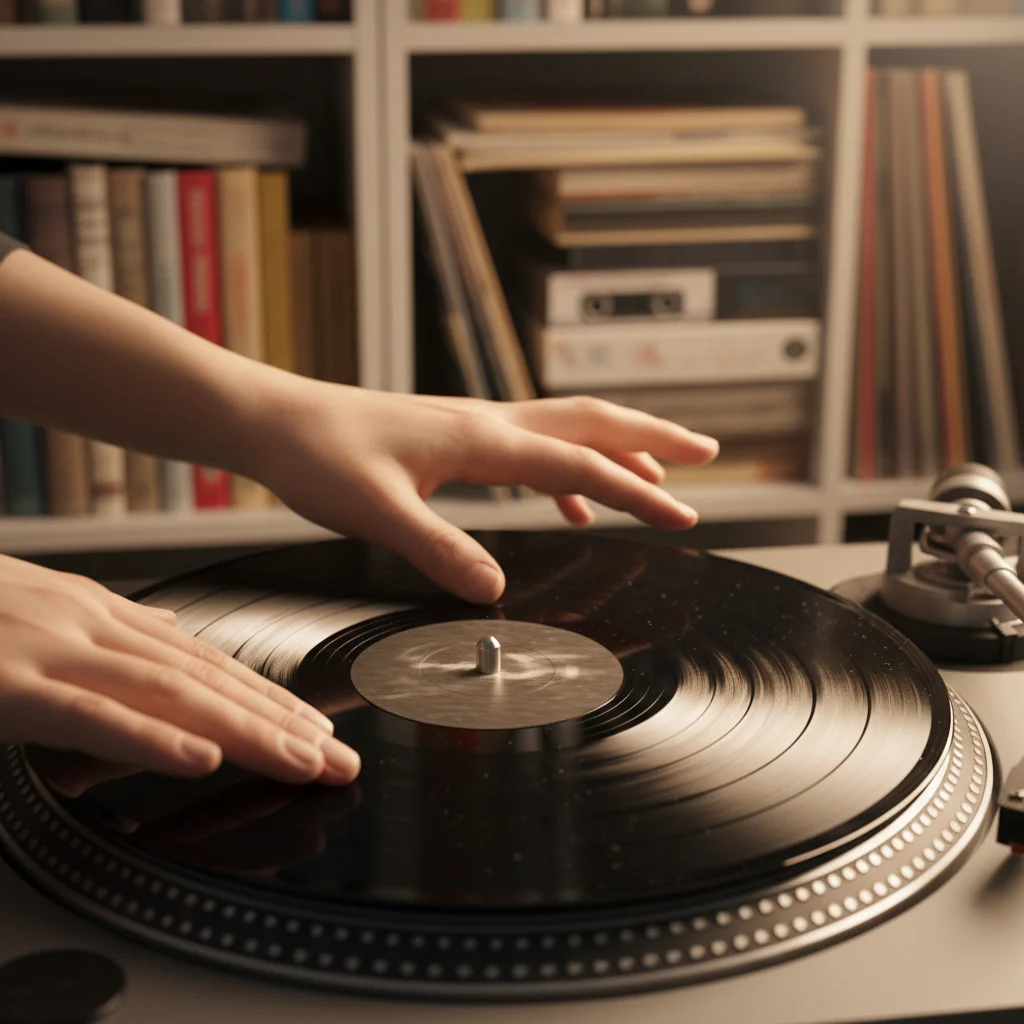
The comeback of vinyl records is arguably one of the most visible and well-documented analog cultural shifts. What began as a niche interest among audiophiles has blossomed into a mainstream phenomenon. In 2026, record stores are thriving, new pressing plants are opening, and artists across genres are releasing their music on vinyl alongside digital formats. This isn’t just about sound quality, although many argue for the superior warmth and depth of analog audio; it’s about the entire experience.
Holding a record, admiring the artwork, reading the liner notes, and carefully placing the needle onto the groove are all part of a ritual. This ritual forces a listener to be present, to engage with the music in a way that simply clicking a play button on a streaming service does not. It’s a deliberate act of choosing to listen, rather than passively consuming. This tactile engagement with music fosters a deeper appreciation and connection, turning listening into an event rather than background noise. The vinyl renaissance speaks volumes about our desire for physical ownership and a more intentional relationship with art.
Furthermore, the social aspect of vinyl has grown significantly. Record fairs are bustling community hubs, and sharing favorite albums has become a cherished form of social bonding. This shift reflects a broader yearning for tangible objects that can be shared, collected, and admired, moving beyond the ephemeral nature of digital files. It’s a testament to the power of physical media in fostering community and personal connection, demonstrating a significant analog cultural shift towards sensory experiences.
2. The Resurgence of Tactile Crafts and Hobbies
Beyond music, the hands-on creation of physical objects is experiencing a powerful resurgence. Knitting, pottery, woodworking, calligraphy, and even traditional darkroom photography are no longer considered antiquated pastimes but rather sophisticated and deeply satisfying pursuits. Online tutorials and digital communities, ironically, are often the gateways that introduce people to these analog crafts, highlighting a symbiotic relationship between the digital and the analog worlds.
The appeal lies in the immediate, tangible reward of creating something with your own hands. In a world where much of our work is abstract and digital, the act of shaping clay, weaving yarn, or carving wood provides a profound sense of accomplishment and connection to the material world. These activities offer a form of mindful engagement, demanding focus and patience, which can be a powerful antidote to the constant distractions of digital life. The process itself becomes a form of meditation, reducing stress and fostering creativity.
Workshops and local craft studios are seeing unprecedented enrollment numbers. People are actively seeking out opportunities to learn new skills that result in physical products. This movement is not just about the end result; it’s about the journey, the process, and the satisfaction of mastering a craft. It represents a significant analog cultural shift towards valuing skill, craftsmanship, and the personal touch in an increasingly automated world. These hobbies are a powerful expression of individuality and a rebellion against mass-produced homogeneity.
3. The Printed Word Endures: Books, Journals, and Letters
Despite early predictions of its demise, the physical book has not only survived but is thriving. While e-readers and audiobooks offer convenience, the experience of holding a physical book, turning its pages, and even smelling the paper remains irreplaceable for many. Bookstores, particularly independent ones, are reinventing themselves as community hubs, offering curated selections, author events, and cozy reading nooks. This persistence of the printed word is a testament to its enduring power and a key analog cultural shift.
Beyond books, the practice of journaling and letter writing is also experiencing a renaissance. Beautiful notebooks, fountain pens, and artisanal stationery are highly sought after. In a world of instant messages and fleeting digital communications, a handwritten letter carries a weight and intimacy that cannot be replicated. It’s a deliberate act of communication, a thoughtful gesture that speaks volumes about the sender’s investment in the relationship.
Journaling, too, offers a sanctuary from digital noise. The act of putting pen to paper allows for a different kind of reflection and introspection than typing on a screen. It’s a private, unfiltered space for thoughts and emotions, free from algorithms and notifications. These practices emphasize a return to slower, more deliberate forms of communication and self-expression, highlighting our desire for depth and meaning in an often superficial digital landscape. This analog cultural shift underscores the value of personal, reflective engagement.
4. The Rise of Analog Gaming: Board Games and Puzzles
While video games continue to dominate a significant portion of the entertainment landscape, the popularity of board games, card games, and jigsaw puzzles has exploded. Game nights are becoming a staple of social gatherings, and dedicated board game cafes are popping up in cities across the nation. This isn’t just about childhood nostalgia; modern board games offer complex strategies, rich narratives, and diverse themes that appeal to adults of all ages.
The appeal of analog gaming lies in its inherently social and interactive nature. Unlike digital games, which can often be solitary experiences, board games require face-to-face interaction, negotiation, and shared laughter. They foster direct communication, strategic thinking, and friendly competition in a tangible space. This provides a refreshing break from screen-based entertainment and offers a genuine opportunity for human connection.
Puzzles, too, offer a unique form of analog engagement. The methodical process of fitting pieces together provides a meditative challenge, rewarding patience and visual acuity. They offer a quiet, contemplative activity that can be enjoyed individually or collaboratively, away from the constant demands of digital devices. This analog cultural shift towards physical games and puzzles reflects a desire for structured, interactive fun that encourages real-world presence and social bonding, rather than virtual interaction.
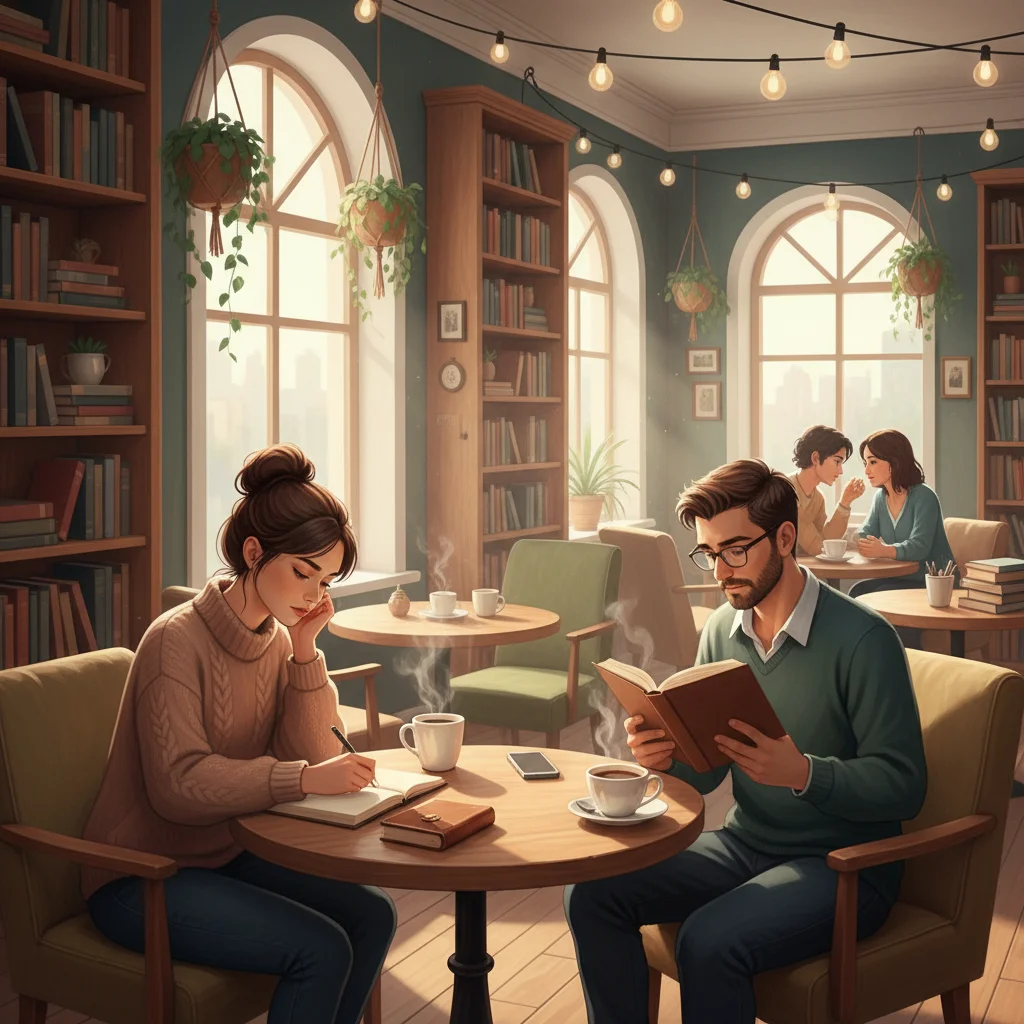
5. The Slow Living Movement: Embracing Deliberate Pacing
The overarching philosophy behind many of these analog cultural shifts is the growing slow living movement. This movement isn’t about doing everything slowly, but about doing things with intention and awareness. It’s a rejection of the always-on, always-rushing mentality that digital culture often fosters. Slow living encourages individuals to savor moments, appreciate quality over quantity, and prioritize well-being over relentless productivity.
This translates into various aspects of life, from cooking and eating to travel and work. It means choosing a homemade meal over fast food, taking a scenic route instead of the quickest one, and dedicating time to hobbies that offer deep satisfaction rather than instant gratification. The slow living movement advocates for a more balanced relationship with technology, using it as a tool when necessary but not allowing it to dictate the pace and quality of life.
The emphasis on localism, sustainable practices, and conscious consumption are all intertwined with slow living. People are increasingly seeking out locally sourced goods, supporting artisans, and investing in durable, well-made items rather than disposable trends. This analog cultural shift is a holistic approach to life that prioritizes presence, mindfulness, and a deeper connection to one’s surroundings and community. It’s a powerful response to the perceived emptiness of a purely digital existence, fostering a richer, more meaningful way of life.
6. The Return to Nature and Outdoor Analog Recreation
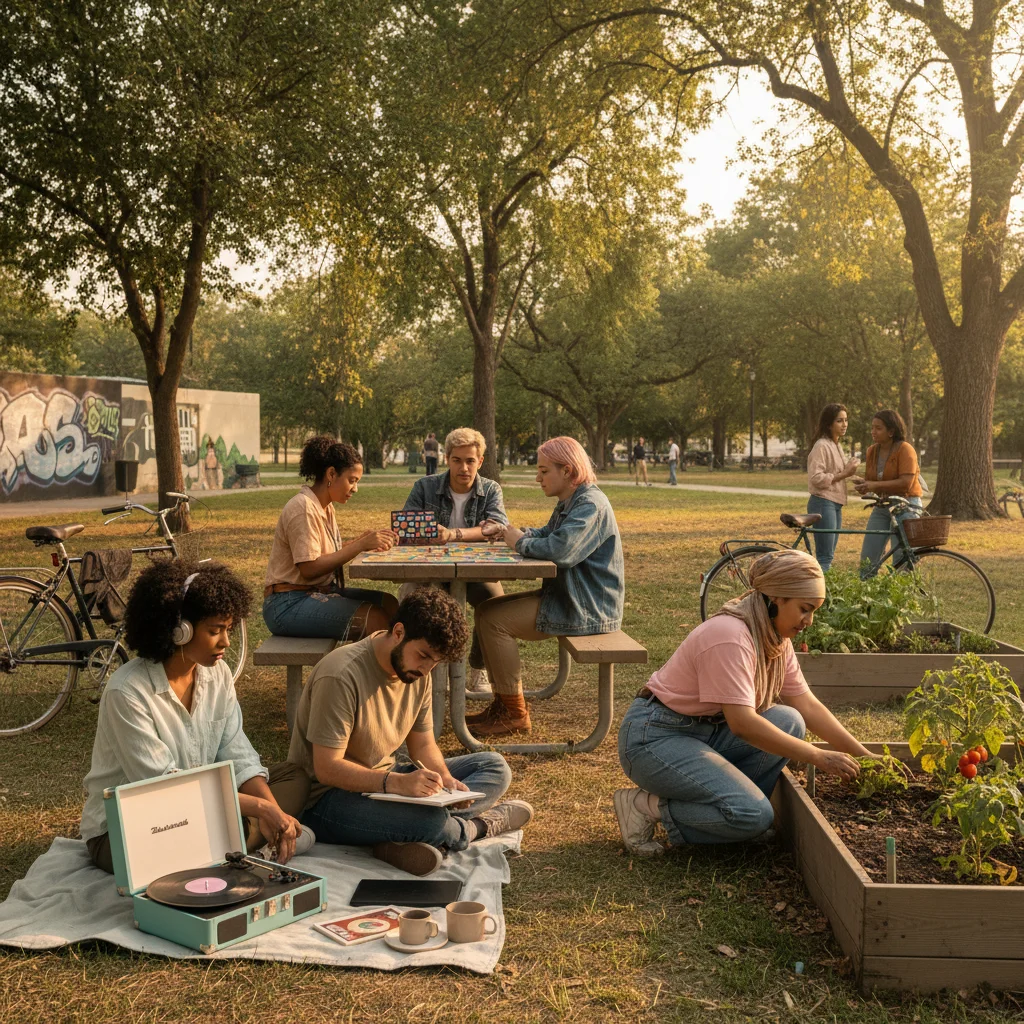
Perhaps one of the most fundamental analog cultural shifts is the renewed and intensified appreciation for the natural world and outdoor activities. After years spent glued to screens indoors, there’s a palpable longing for fresh air, sunlight, and the sensory richness of nature. Hiking, camping, gardening, birdwatching, and even simply spending time in parks are experiencing a significant surge in popularity. This isn’t just about exercise; it’s about reconnecting with our primal need for the outdoors.
This return to nature often involves a deliberate unplugging. People are leaving their phones behind or putting them on airplane mode to fully immerse themselves in the environment. The focus shifts from capturing the perfect photo for social media to experiencing the moment itself – the sound of rustling leaves, the scent of pine, the feeling of soil beneath one’s hands. This is a profound analog cultural shift towards experiential richness over digital documentation.
Community gardens are flourishing, urban green spaces are being revitalized, and national parks are seeing record visitation. This trend highlights a recognition of the physical and mental health benefits associated with spending time in nature. It’s a powerful antidote to digital overload, offering a sense of peace, perspective, and grounding that screens simply cannot provide. This embrace of outdoor recreation is a testament to our innate need for tangible, real-world experiences that nourish both body and soul, driving a significant portion of the broader analog cultural shifts.
The Future is Balanced: Integrating Analog and Digital
While these analog cultural shifts represent a powerful counter-narrative to our digital-first world, it’s crucial to understand that they do not signal a complete rejection of technology. Instead, they point towards a future of balance and intentionality. The goal isn’t to eliminate digital tools but to use them wisely, leveraging their efficiency and connectivity while still preserving space for the tangible, the personal, and the deeply human experiences that analog life offers.
The digital world can even facilitate the analog revival. Online communities connect enthusiasts of niche crafts, social media platforms announce local record store events, and digital maps guide hikers to remote trails. The key is to be discerning consumers of both digital and analog, creating a lifestyle that maximizes well-being and genuine connection. These analog cultural shifts are about reclaiming our time, our attention, and our sensory engagement with the world.
As we move further into 2026 and beyond, these trends are likely to strengthen. The human desire for authenticity, presence, and tangible interaction is fundamental. Businesses that recognize and cater to these evolving preferences, from retailers offering curated analog products to experience providers creating offline opportunities, will thrive. Individuals who embrace these shifts will find themselves leading richer, more connected, and ultimately more fulfilling lives.
The analog renaissance is not a temporary fad; it’s a deep-seated cultural evolution. It’s a testament to the enduring power of human connection, creativity, and the simple joy of engaging with the world in a real, unmediated way. These analog cultural shifts are reshaping 2026 America, reminding us that sometimes, the most profound experiences are found not on a screen, but in the palm of our hand, the sound of a needle on vinyl, or the quiet rustle of leaves in the wind.
Conclusion: Embracing the Analog Future
The six analog cultural shifts discussed—the vinyl renaissance, the resurgence of tactile crafts, the enduring power of the printed word, the rise of analog gaming, the slow living movement, and the return to nature—collectively paint a picture of a society seeking balance and authenticity. In 2026, America is not turning its back on progress, but rather carefully curating its relationship with technology, making room for the enriching, grounding experiences that only the analog world can provide.
These movements are more than just trends; they are expressions of a fundamental human need for presence, connection, and tangible engagement. They remind us that while digital tools offer unparalleled convenience and access, they cannot fully replace the depth and satisfaction derived from real-world interactions and creations. As we continue to navigate the complexities of modern life, embracing these analog cultural shifts offers a pathway to a more mindful, meaningful, and genuinely connected existence.
What analog experiences are you re-embracing in your life? Share your thoughts and be part of this exciting cultural evolution!