Smart Cities 2026: Top 3 Tech Innovations Transforming US Urban Living
Smart Cities 2026: Top 3 Tech Innovations Transforming US Urban Living Across the US (RECENT UPDATES)
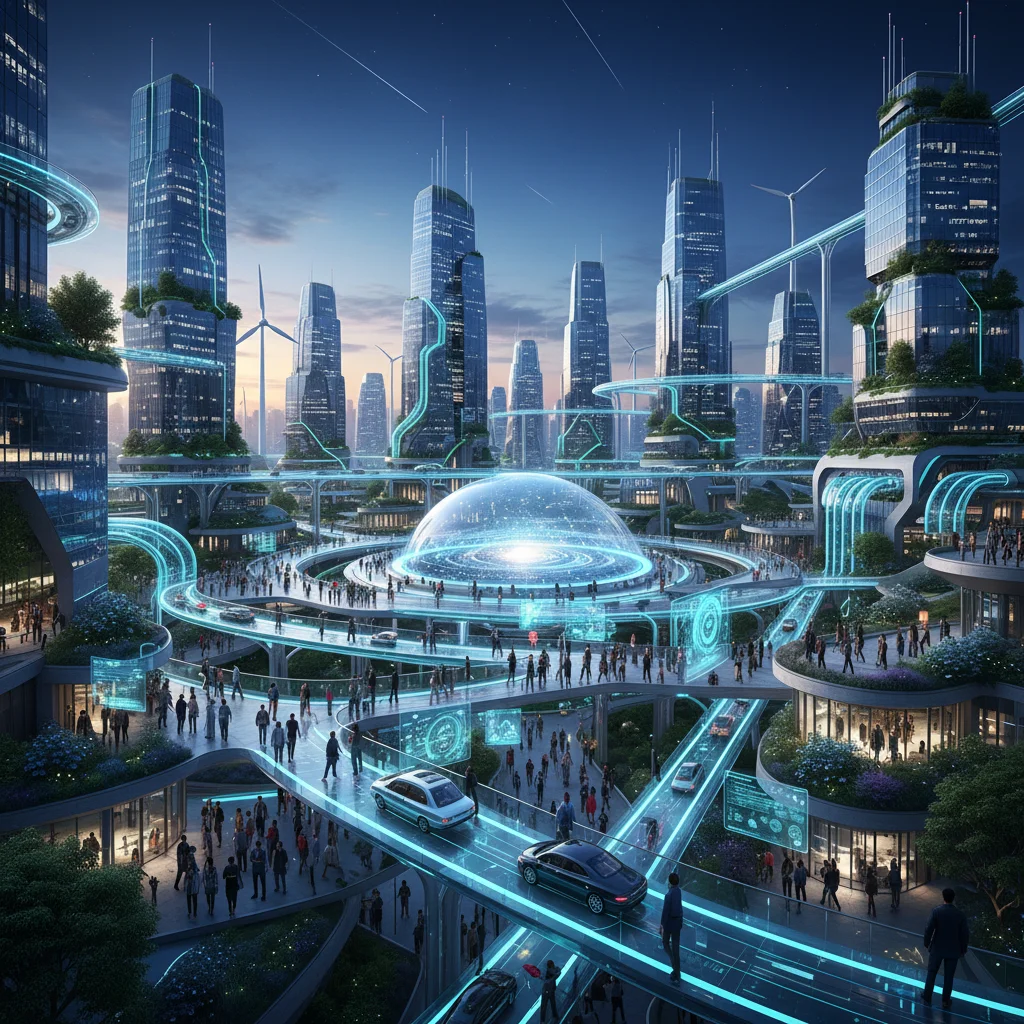
The concept of a smart city is no longer a distant dream but a rapidly evolving reality, particularly across the United States. As we look towards 2026, the pace of technological integration into urban planning is accelerating, promising more efficient, sustainable, and livable environments. This transformation is driven by a confluence of innovative technologies that are reshaping how cities operate, how residents interact with their surroundings, and how urban challenges are addressed. The objective behind these advancements is clear: to leverage technology to improve the quality of life for citizens, optimize city services, and foster economic growth while minimizing environmental impact.
The journey towards smarter urban centers is multifaceted, encompassing everything from intelligent transportation systems to advanced waste management and responsive public safety initiatives. By 2026, several key technological pillars will have solidified their role as foundational elements of the modern smart city. These aren’t just incremental improvements; they represent paradigm shifts in urban development, offering unprecedented levels of connectivity, data-driven decision-making, and resource optimization. Understanding these pivotal technologies is crucial for anyone interested in the future of urban living, from policymakers and urban planners to technology enthusiasts and everyday citizens.
This article delves into the three most impactful technological innovations that are currently transforming US urban living and are set to define the landscape of smart cities 2026. We’ll explore how Artificial Intelligence (AI), advanced Internet of Things (IoT) ecosystems, and integrated sustainable energy solutions are not just buzzwords but practical tools driving real-world change. We will also examine recent updates and case studies that highlight the tangible benefits and ongoing challenges in their implementation. Prepare to discover how these technologies are making our cities smarter, more resilient, and better prepared for the demands of the 21st century.
The AI Revolution in Urban Management: Powering Smart Cities 2026
Artificial Intelligence (AI) is rapidly becoming the central nervous system of modern smart cities. Its ability to process vast amounts of data, identify patterns, predict outcomes, and automate complex tasks is unparalleled, making it an indispensable tool for urban management. By 2026, AI’s influence will be pervasive, touching nearly every aspect of city operations, from traffic flow optimization to emergency response and resource allocation. The integration of AI allows cities to move beyond reactive problem-solving to proactive, predictive governance, anticipating issues before they escalate and optimizing services in real-time.
Predictive Analytics for Traffic and Transportation
One of the most immediate and impactful applications of AI in smart cities is in managing urban traffic. AI-powered systems analyze real-time data from traffic cameras, sensors, and GPS devices to predict congestion, optimize signal timings, and even reroute vehicles to minimize delays. For instance, cities like Pittsburgh have implemented AI-driven traffic systems that have reduced travel times by up to 25% and idling time by 40%. By 2026, these systems will be even more sophisticated, integrating with autonomous vehicles and public transport networks to create a seamlessly flowing urban mobility ecosystem. This not only saves commuters time but also significantly reduces fuel consumption and carbon emissions, contributing to environmental sustainability – a core tenet of any forward-thinking smart city.
Enhanced Public Safety and Emergency Response
AI is also revolutionizing public safety. Predictive policing models use AI to analyze crime data, identifying hot spots and predicting potential criminal activity, allowing law enforcement to deploy resources more effectively. Beyond crime, AI assists in disaster management by analyzing weather patterns, geological data, and infrastructure vulnerabilities to provide early warnings and guide emergency services. For example, in Los Angeles, AI models are being developed to predict earthquake aftershocks, enabling more efficient response and resource allocation. In smart cities 2026, AI will empower emergency services with faster response times, better resource management, and enhanced situational awareness, ultimately saving lives and protecting property.
Optimized Resource Management and Sustainability
From waste management to energy consumption, AI offers powerful solutions for optimizing urban resources. AI algorithms can analyze waste production patterns to optimize collection routes, reducing operational costs and environmental impact. In terms of energy, AI-driven smart grids analyze consumption data to predict demand, balance supply, and integrate renewable energy sources more efficiently. This leads to significant energy savings and a reduced carbon footprint, aligning with the sustainability goals of any modern smart city. Cities like San Diego are leveraging AI to manage water resources, detecting leaks and optimizing distribution, ensuring that this vital resource is used responsibly. The role of AI in fostering a sustainable and efficient urban environment cannot be overstated, making it a cornerstone of the smart cities 2026 vision.
Advanced IoT Ecosystems: The Sensory Network of Smart Cities 2026
The Internet of Things (IoT) forms the sensory layer of a smart city, comprising a vast network of interconnected devices, sensors, and actuators that collect and exchange data. While IoT has been a buzzword for years, its evolution towards advanced ecosystems by 2026 involves greater sophistication in data collection, processing at the edge, and seamless integration with AI and other urban systems. These advanced IoT ecosystems are moving beyond simple data collection to providing actionable insights that drive real-time decision-making and automated responses, making cities truly intelligent and responsive to their inhabitants’ needs.
Ubiquitous Sensor Networks and Data Collection
By 2026, cities will be blanketed with an even denser array of sensors, collecting granular data on everything from air quality and noise levels to pedestrian traffic and structural integrity of buildings. These sensors, often small, low-power, and wirelessly connected, provide a comprehensive real-time picture of the urban environment. For instance, smart streetlights equipped with environmental sensors can monitor pollution levels and adjust lighting based on pedestrian presence, saving energy and improving safety. This ubiquitous data collection is the lifeblood of a smart city, providing the raw material for AI algorithms to analyze and act upon. The sheer volume and variety of data will enable a level of urban awareness previously unimaginable.
Edge Computing and Real-time Processing
A critical advancement in IoT ecosystems for smart cities 2026 is the proliferation of edge computing. Instead of sending all data to a centralized cloud for processing, edge devices process data closer to the source. This significantly reduces latency, enabling real-time responses essential for applications like autonomous vehicles, immediate traffic management, and rapid emergency alerts. For example, security cameras with edge AI capabilities can identify suspicious activity instantly and alert authorities without delay. This distributed processing power makes the IoT network more resilient, efficient, and capable of handling the increasing demands of a truly smart urban environment.
Interoperability and Integrated Platforms
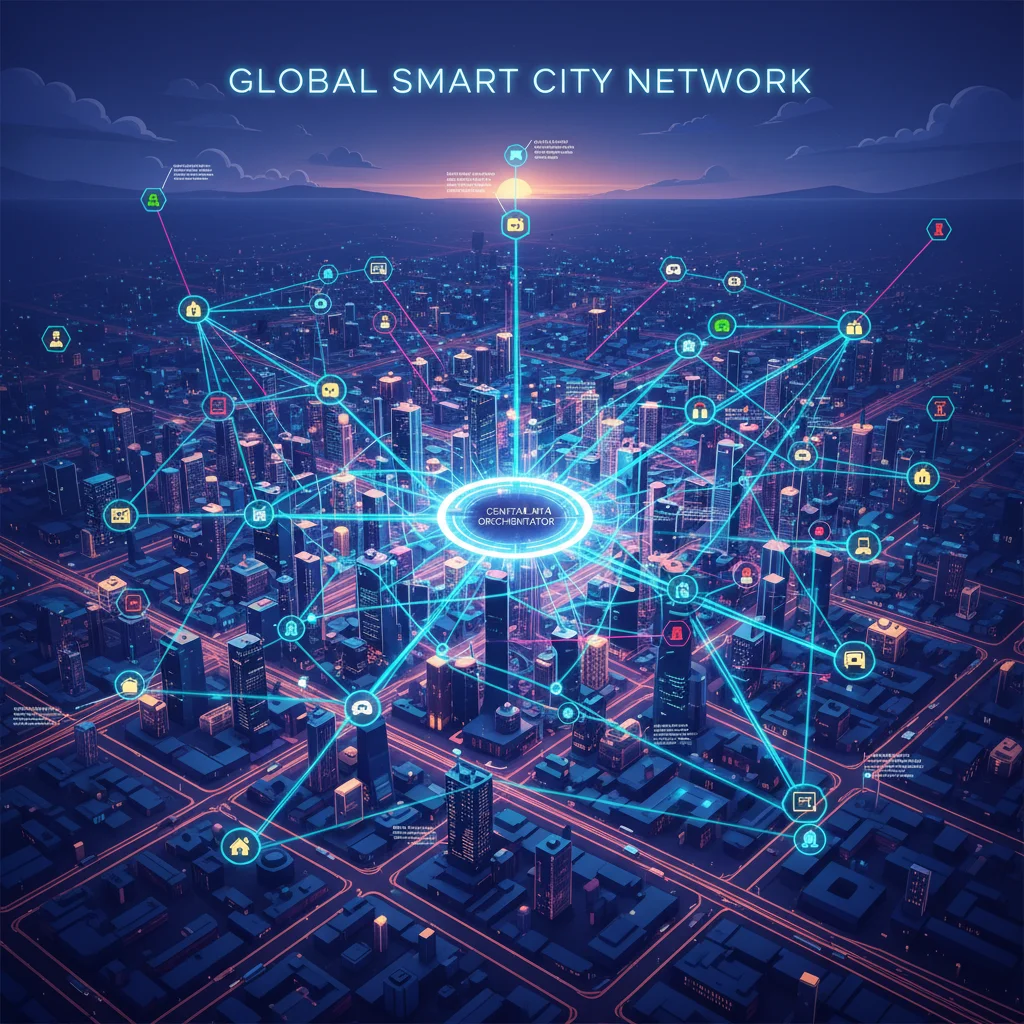
The effectiveness of an advanced IoT ecosystem hinges on the interoperability of its diverse components. By 2026, there will be a greater emphasis on standardized protocols and integrated platforms that allow different smart city applications to communicate and share data seamlessly. This integration enables a holistic view of urban operations and facilitates cross-departmental collaboration. Imagine a scenario where traffic sensors detect unusual congestion, triggering an alert to the public transport system to increase bus frequency on alternative routes, while simultaneously informing waste management systems to reschedule collections in affected areas. This level of integrated response is the hallmark of a truly intelligent smart city, driven by a sophisticated and interconnected IoT framework.
Integrated Sustainable Energy Solutions: Powering Green Smart Cities 2026
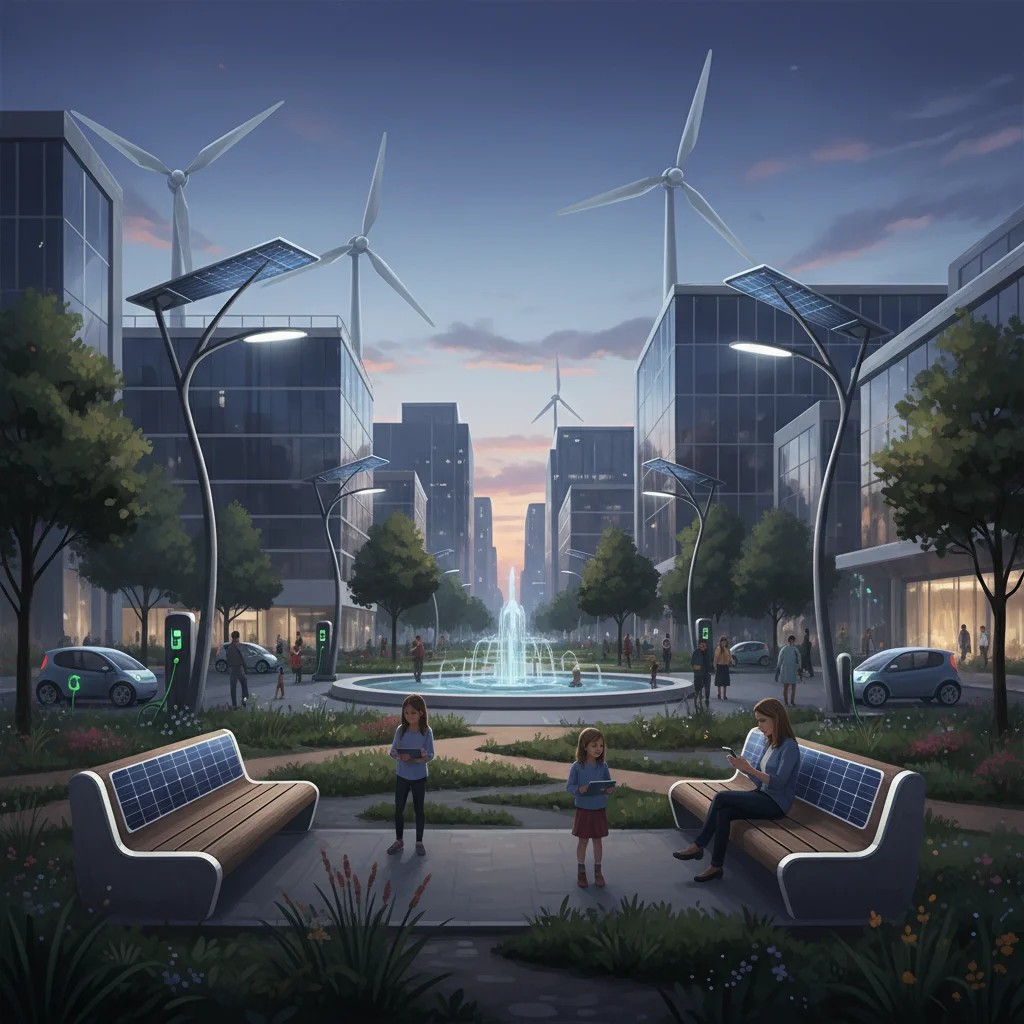
Sustainability is not just a desirable feature but a fundamental requirement for the smart cities of 2026. As urban populations grow, the demand for energy escalates, making integrated sustainable energy solutions paramount. These solutions go beyond simply installing solar panels; they involve a comprehensive approach to energy generation, distribution, and consumption, leveraging technology to create a self-sufficient and environmentally friendly urban footprint. The goal is to reduce reliance on fossil fuels, minimize carbon emissions, and build resilient energy infrastructures that can withstand future challenges.
Smart Grids and Renewable Energy Integration
The backbone of sustainable energy in smart cities 2026 is the smart grid. These advanced electrical networks use digital technology to monitor, control, and manage energy distribution more efficiently. They facilitate the seamless integration of diverse renewable energy sources, such as solar, wind, and geothermal, into the city’s power supply. Smart grids can dynamically adjust to fluctuations in energy demand and supply, optimizing energy flow and minimizing waste. For example, during peak solar production, excess energy can be stored in battery systems or fed back into the grid, ensuring a continuous and stable power supply. This move towards decentralized and intelligent energy management is crucial for achieving energy independence and reducing the carbon footprint of urban areas.
Energy-Efficient Buildings and Infrastructure
Beyond the grid, smart cities are focusing on making individual buildings and infrastructure components more energy-efficient. This includes the widespread adoption of smart building management systems that use sensors and AI to optimize heating, ventilation, air conditioning (HVAC), and lighting based on occupancy and external conditions. Green building certifications are becoming standard, promoting designs that incorporate natural light, passive cooling, and advanced insulation. Furthermore, public infrastructure like streetlights are being replaced with LED technology and equipped with smart controls that adjust brightness based on ambient light and pedestrian presence, leading to significant energy savings. The cumulative effect of these energy-saving measures across thousands of buildings and public spaces will have a profound impact on the overall energy consumption of a smart city.
Electric Vehicle (EV) Infrastructure and Charging Networks
The transition to electric vehicles (EVs) is a critical component of sustainable urban transport. By 2026, smart cities will boast extensive and intelligently managed EV charging infrastructures. This includes public charging stations integrated with smart grids, allowing for optimized charging during off-peak hours or when renewable energy generation is high. Vehicle-to-grid (V2G) technology, where EVs can feed power back into the grid, will also become more prevalent, turning electric vehicles into mobile energy storage units. This not only supports the adoption of cleaner transportation but also adds another layer of resilience to the city’s energy system. Cities like Seattle and Portland are aggressively expanding their EV charging networks, demonstrating a clear commitment to fostering a sustainable transportation future.
Recent Updates and Case Studies in US Smart Cities
The theoretical frameworks of smart cities 2026 are already being put into practice across the United States, with several cities leading the charge in implementing these transformative technologies. Their successes, and the lessons learned, provide valuable insights into the future of urban development.
Columbus, Ohio: Accelerating Smart Mobility
Columbus, Ohio, won the US Department of Transportation’s Smart City Challenge in 2016, securing significant funding to implement a range of smart mobility solutions. By 2026, their initiatives, powered by AI and IoT, are expected to be fully mature. This includes an integrated data platform that combines information from traffic sensors, public transit, and ride-sharing services to provide real-time insights and optimize transportation. Projects like connected vehicle technology, smart traffic signals, and an autonomous shuttle service aim to reduce congestion, improve safety, and enhance access to jobs and services for residents, especially in underserved communities. Their focus on equitable access to smart mobility is a key differentiator, ensuring that the benefits of a smart city are shared by all.
Boston, Massachusetts: Innovating for Resilience and Sustainability
Boston is making strides in leveraging technology for urban resilience and sustainability. The city is implementing advanced sensor networks to monitor sea levels and flood risks, using data to inform adaptive infrastructure projects. Their smart lighting initiatives, integrating LED technology with IoT sensors, not only reduce energy consumption but also improve public safety and provide a platform for collecting environmental data. Furthermore, Boston is exploring AI-powered solutions for waste management, aiming to optimize collection routes and increase recycling rates. These efforts highlight how technology can be used not just for efficiency but also to protect urban environments from the impacts of climate change, a critical concern for smart cities 2026.
Phoenix, Arizona: Smart Water Management and Heat Mitigation
Facing significant environmental challenges, Phoenix is utilizing smart technology to address water scarcity and extreme heat. AI-driven systems are being deployed to monitor water usage, detect leaks in real-time, and optimize irrigation schedules for public parks and green spaces. IoT sensors are also being used to create a network of urban heat islands, allowing the city to implement targeted mitigation strategies, such as reflective surfaces and increased tree canopy. These initiatives demonstrate how smart cities 2026 can tailor technological solutions to their unique environmental contexts, creating more resilient and comfortable living conditions for their residents.
Challenges and the Path Forward for Smart Cities 2026
While the vision for smart cities 2026 is bright, the path to achieving it is not without its challenges. Implementing and scaling these complex technological solutions requires careful planning, significant investment, and ongoing collaboration among various stakeholders. Addressing these hurdles is essential for realizing the full potential of urban intelligence.
Data Privacy and Security
The extensive data collection inherent in smart city initiatives raises significant concerns about privacy and cybersecurity. Citizens need assurances that their personal data is protected and used ethically. Cities must implement robust data governance frameworks, encryption protocols, and transparent policies to build trust. A data breach in a smart city could have far-reaching consequences, undermining public confidence and potentially disrupting critical services. Therefore, prioritizing data privacy and security is paramount for the successful adoption and acceptance of smart technologies.
Funding and Investment
The development of a comprehensive smart city infrastructure requires substantial financial investment. While the long-term benefits in efficiency and sustainability often outweigh the initial costs, securing adequate funding remains a significant challenge for many municipalities. Public-private partnerships, federal grants, and innovative financing models are crucial for overcoming this barrier. Demonstrating clear return on investment (ROI) for smart city projects is also vital to attract private sector involvement and public support.
Digital Divide and Equity
Ensuring that the benefits of smart city technologies are accessible to all residents, regardless of socioeconomic status, is a critical equity challenge. The digital divide, where certain populations lack access to reliable internet or necessary digital literacy, could exacerbate existing inequalities. Smart cities 2026 must proactively address this by providing affordable internet access, digital literacy programs, and designing services that are inclusive and user-friendly for diverse populations. The goal is to create cities where technology empowers everyone, not just a select few.
Interoperability and Standardization
The vast array of sensors, devices, and platforms from different vendors can lead to interoperability issues, making it difficult for various smart city systems to communicate effectively. The lack of standardized protocols can hinder data sharing and create fragmented solutions. Moving forward, there needs to be a stronger push for industry-wide standards and open platforms that facilitate seamless integration and data exchange, ensuring that a smart city operates as a cohesive, unified entity rather than a collection of disparate systems.
Public Engagement and Acceptance
Ultimately, the success of a smart city depends on the acceptance and engagement of its residents. Citizens need to understand the benefits of these technologies and feel that their voices are heard in the planning and implementation process. Transparent communication, public consultations, and pilot programs that demonstrate tangible improvements can help foster public trust and encourage adoption. Without community buy-in, even the most innovative technologies may struggle to achieve their full potential.
Conclusion: The Dawn of a Smarter Urban Era by 2026
As we navigate towards 2026, the transformation of US urban living into a network of highly intelligent smart cities is undeniable. The synergistic integration of Artificial Intelligence, advanced Internet of Things ecosystems, and comprehensive sustainable energy solutions is not merely enhancing urban efficiency; it is fundamentally redefining the urban experience. These three technological pillars are creating environments that are more responsive, resilient, and resourceful, offering a glimpse into a future where cities actively work to improve the quality of life for their inhabitants.
The recent updates and case studies from cities like Columbus, Boston, and Phoenix underscore the tangible progress being made. These pioneering efforts demonstrate that the deployment of smart technologies can lead to significant improvements in transportation, public safety, resource management, and environmental sustainability. However, the journey is ongoing, and challenges related to data privacy, funding, equity, and interoperability must be thoughtfully addressed to ensure that the benefits of a smart city are universally accessible and truly transformative.
The vision for smart cities 2026 is one of interconnectedness, data-driven decision-making, and a profound commitment to sustainability. As these technologies continue to evolve and mature, we can anticipate an urban landscape that is not only smarter but also more humane, equitable, and prepared for the complexities of the future. The continued collaboration between government, industry, academia, and citizens will be crucial in shaping these intelligent urban centers, making them models of innovation and livability for generations to come. The future of urban living is here, and it is undoubtedly smart.
Related Posts: