The Impact of AI on Creative Arts: What 2026 Means for American Storytelling and Music
The year is 2026. The world of American creative arts, particularly storytelling and music, has undergone a seismic shift. No longer a distant dream or a niche experiment, Artificial Intelligence (AI) has woven itself into the very fabric of artistic creation, distribution, and consumption. This isn’t just about automation; it’s about augmentation, collaboration, and a redefinition of what it means to be a creator. The conversation has moved beyond ‘if’ AI will impact the arts to ‘how’ it is profoundly reshaping them. This article delves deep into the multifaceted impact of AI creative arts by 2026, exploring the opportunities it presents, the challenges it poses, and the ethical dilemmas it forces us to confront, particularly within the vibrant landscape of American culture.
The rapid evolution of AI technologies, from sophisticated natural language processing (NLP) models to advanced generative adversarial networks (GANs) for audio and visual content, has propelled the creative industries into an unprecedented era. By 2026, these tools are not just assisting artists; they are becoming partners, co-creators, and sometimes, even independent entities capable of producing works that challenge our very understanding of authorship. For American storytelling, this means new narrative structures, personalized experiences, and expanded accessibility. For music, it signifies novel soundscapes, dynamic compositions, and innovative production methods. The confluence of human ingenuity and machine capability is creating a fertile ground for artistic exploration, but it also demands a critical examination of its long-term implications.
AI as a Catalyst for Storytelling Innovation
By 2026, AI has become an indispensable tool for American storytellers across various mediums. From screenwriters to novelists, game designers to interactive experience creators, AI is revolutionizing the creative process. One of the most significant impacts is in content generation. AI algorithms can now generate compelling plotlines, develop complex characters, and even write entire scripts or chapters, often indistinguishable from human-authored works. This doesn’t necessarily mean the end of human writers; rather, it empowers them to become curators, editors, and conceptual architects, guiding AI to realize their visions with unprecedented speed and scale.
Personalized Narratives and Immersive Experiences
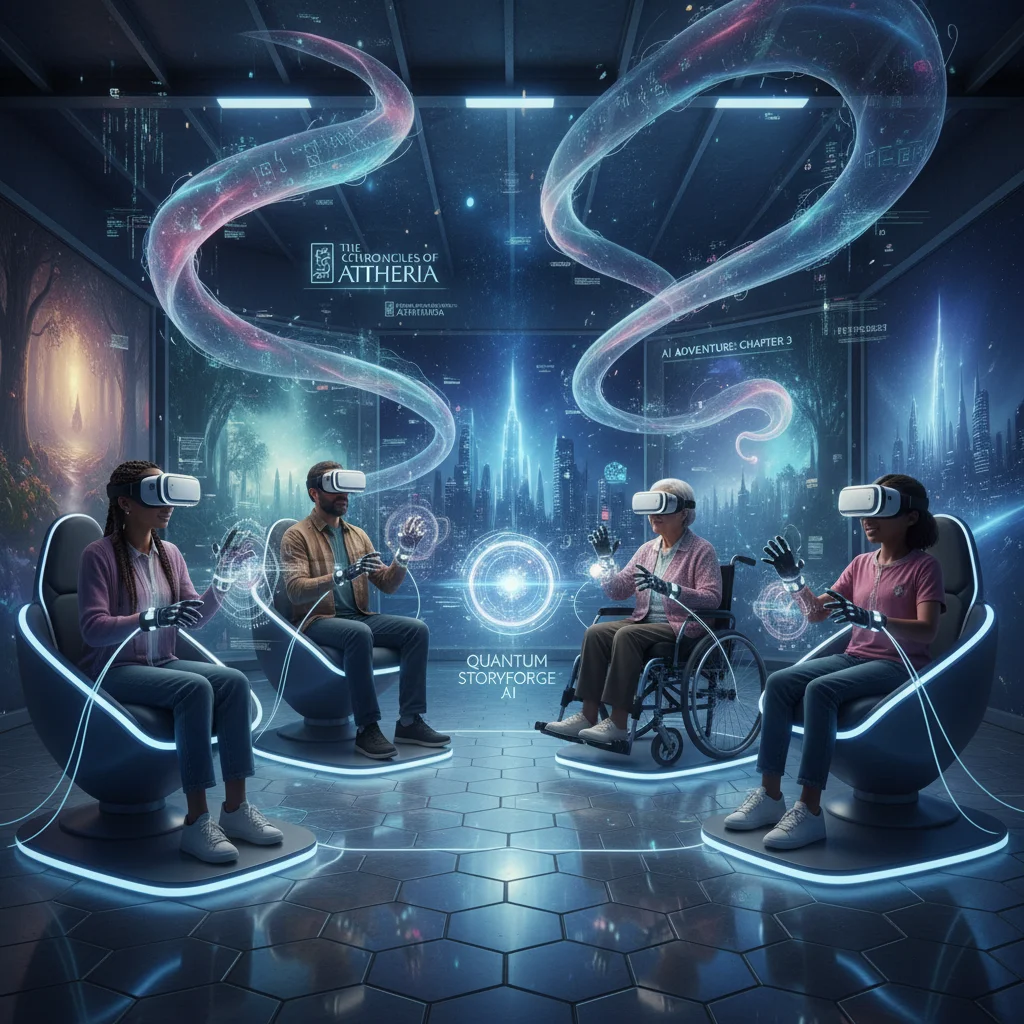
The personalization of storytelling is another area where AI creative arts are making significant strides. Imagine an interactive novel that adapts its plot based on your emotional responses, or a movie whose ending changes depending on your viewing habits. By 2026, these are not mere concepts but burgeoning realities. AI-driven platforms can analyze user data, preferences, and even biometric feedback to craft narratives that resonate deeply with individual audiences. This level of personalization creates highly immersive experiences, blurring the lines between observer and participant. American entertainment companies are investing heavily in these technologies, seeing them as the future of audience engagement.
Furthermore, AI is enhancing the world of interactive storytelling, especially in video games and virtual reality (VR). Non-player characters (NPCs) are becoming more sophisticated, capable of dynamic conversations and adaptive behaviors, making game worlds feel more alive and responsive. AI can also generate vast, procedurally created environments and quests, offering endless replayability and unique experiences for each player. This expansion of narrative possibilities is pushing the boundaries of traditional storytelling, offering creators new palettes and tools.
Streamlining the Creative Workflow
Beyond direct content generation, AI is streamlining many aspects of the storytelling workflow. It assists in research, helping writers sift through vast amounts of information to find relevant facts, historical context, or cultural nuances. AI-powered editing tools go beyond simple grammar checks, offering stylistic suggestions, identifying narrative inconsistencies, and even predicting audience reception. This efficiency allows human creators to focus more on the conceptual and emotional core of their stories, rather than getting bogged down in repetitive or time-consuming tasks. The synergistic relationship between human creativity and AI efficiency is defining the new landscape of storytelling.
The Evolution of Music through AI
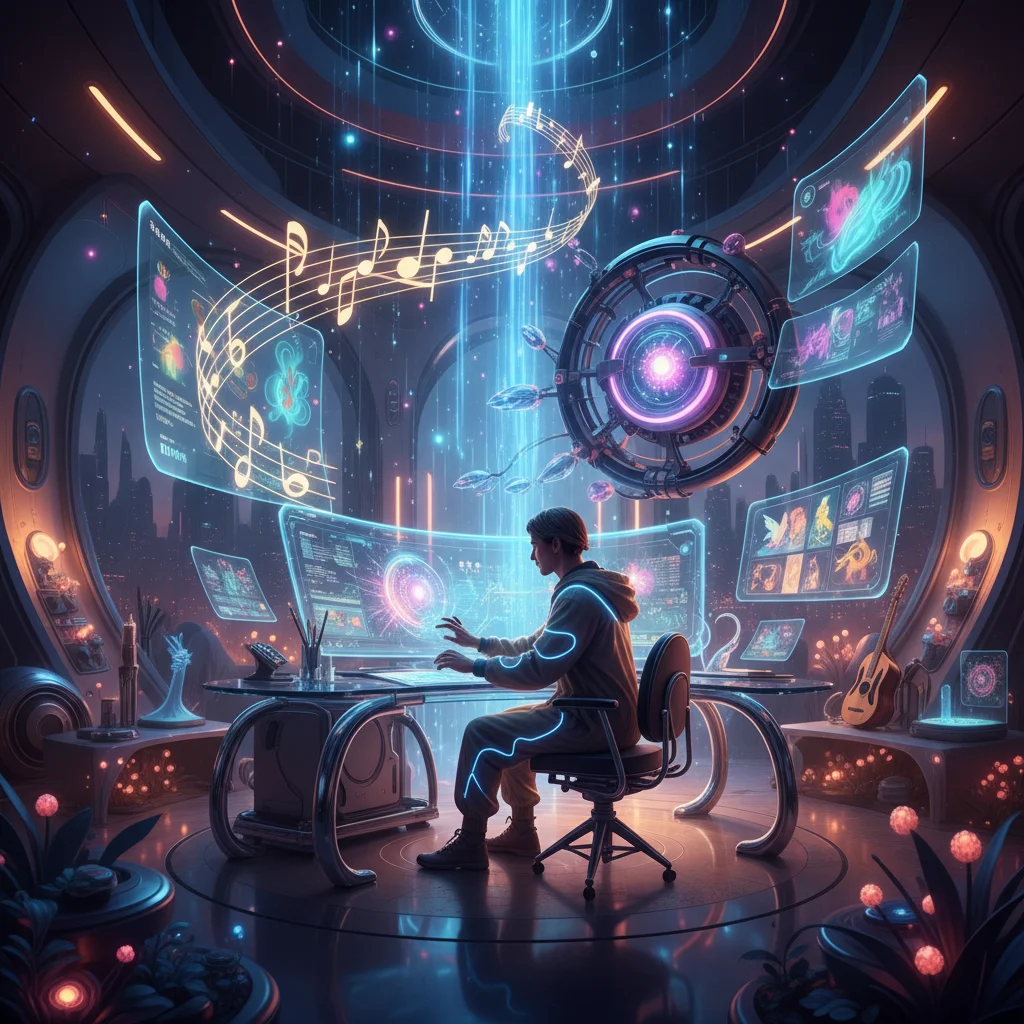
In the realm of American music, 2026 marks a period of profound transformation driven by AI creative arts. From composition to production, and even performance, AI is reshaping how music is made, consumed, and experienced. Generative music AI can now compose original pieces in various genres, mimicking the styles of famous artists or creating entirely new sonic palettes. These tools are being used by professional musicians to break through creative blocks, experiment with new ideas, and accelerate the composition process.
AI-Assisted Composition and Production
Many artists are leveraging AI as a compositional assistant. Instead of replacing human composers, AI provides a powerful springboard for ideas. A musician might feed AI a melody or a theme, and the AI can then generate variations, harmonies, and orchestrations that a human might not have conceived. This collaborative approach expands the creative horizons of artists, allowing them to explore musical territories previously inaccessible. Moreover, AI is proving invaluable in music production. Automated mixing and mastering tools, once rudimentary, are now highly sophisticated, capable of producing professional-quality audio with minimal human intervention. This democratizes music production, allowing independent artists and small studios to achieve high-fidelity results without extensive budgets or technical expertise.
New Forms of Musical Expression and Performance
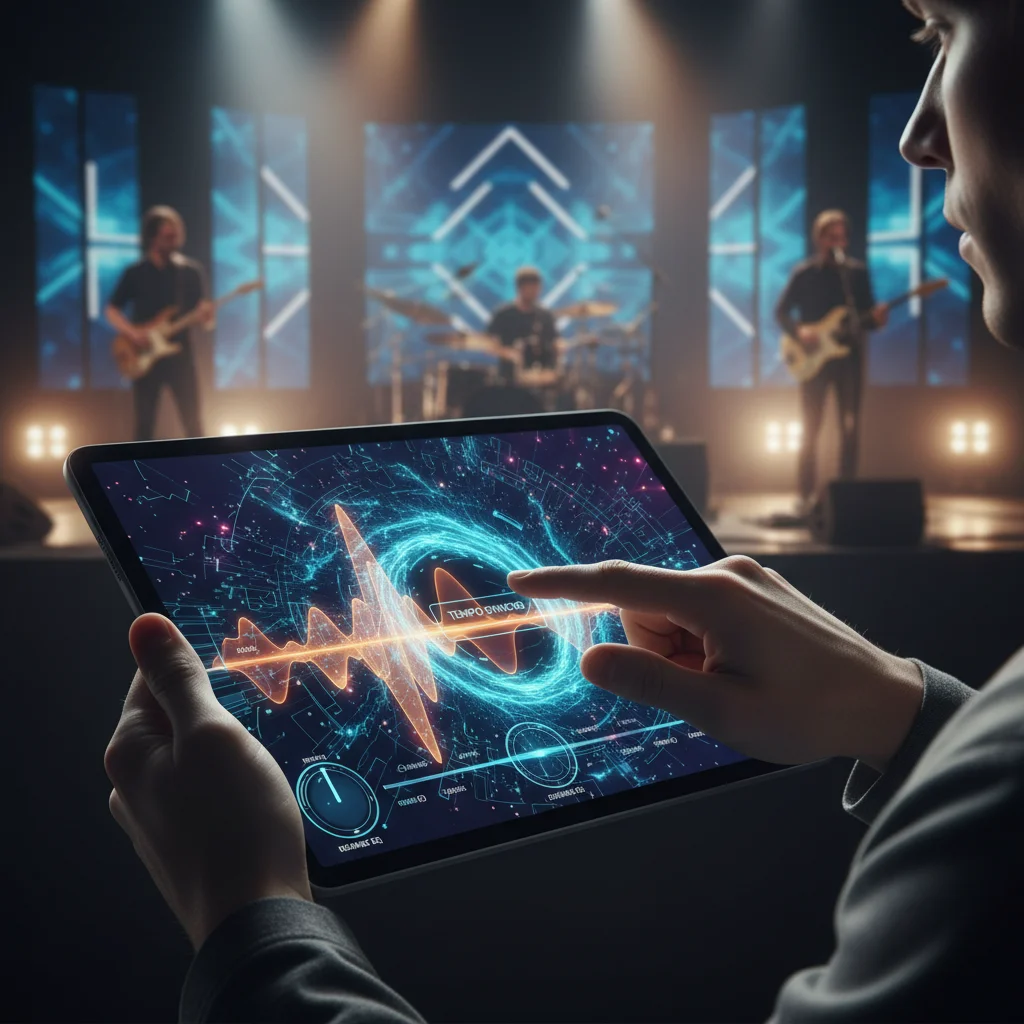
The impact of AI extends to new forms of musical expression. Algorithmic music, where AI creates dynamic and ever-evolving soundscapes, is gaining traction in installations, ambient environments, and even video game soundtracks that adapt in real-time to player actions. AI-powered virtual instruments are becoming more expressive and nuanced, offering musicians unprecedented control over sound. Live performances are also evolving, with AI controlling lighting, visuals, and even generating improvisational elements in real-time, creating truly unique and unpredictable experiences for audiences. The American music scene is embracing these innovations, leading to a vibrant experimental landscape.
Furthermore, AI is playing a critical role in music discovery and recommendation. Streaming platforms use advanced AI algorithms to personalize playlists and introduce listeners to new artists and genres, often with uncanny accuracy. This not only enhances the listener experience but also provides new avenues for artists to reach their audience, bypassing traditional gatekeepers. The data insights provided by AI also help artists understand their audience better, informing their creative and marketing strategies.
Challenges and Ethical Considerations in AI Creative Arts
While the opportunities presented by AI creative arts are immense, they are not without significant challenges and ethical quandaries. By 2026, these issues are at the forefront of discussions within the American creative industries, demanding thoughtful consideration and robust solutions.
Authorship and Copyright
One of the most pressing concerns revolves around authorship and copyright. If an AI generates a song or a story, who owns the intellectual property? Is it the programmer who created the AI, the artist who guided its output, or the AI itself? Current copyright laws are ill-equipped to handle these complexities, leading to legal battles and confusion. The American legal system is grappling with how to adapt existing frameworks to this new reality, and legislative efforts are underway to define clear guidelines for AI-generated content. This debate is crucial for ensuring fair compensation and recognition for all parties involved in the creative process.
The Threat of Generative Plagiarism and Deepfakes
The ability of AI to mimic existing styles and create highly realistic content also raises concerns about generative plagiarism and deepfakes. AI can be trained on vast datasets of existing works, making it capable of producing content that closely resembles, or even directly copies, the style of a particular artist without proper attribution. In storytelling, this could lead to AI-generated narratives that are eerily similar to established works. In music, AI could produce tracks that sound almost identical to a famous artist’s catalog, raising questions about originality and artistic integrity. The potential for malicious use, such as creating deepfake audio or video to spread misinformation or damage reputations, is also a serious ethical concern that requires robust technological and legal countermeasures.
Job Displacement and the Human Element
Another significant challenge is the potential for job displacement. As AI becomes more proficient in tasks traditionally performed by human artists, writers, and musicians, there is a legitimate fear that many creative roles could be automated. While many argue that AI will augment rather than replace human creativity, the economic impact on certain segments of the creative workforce cannot be ignored. The American creative economy is exploring new models for collaboration, retraining programs, and policies to support artists in this evolving landscape. The debate centers on how to ensure that the human element, with its unique emotional depth, cultural understanding, and lived experience, remains central to the creative process, even as AI tools become more powerful.
Bias in AI and Cultural Homogenization
AI models are trained on existing data, and if that data contains biases, the AI will perpetuate and even amplify those biases in its output. This is a critical concern for AI creative arts, particularly in a diverse nation like America. If AI-generated stories or music predominantly reflect certain demographics or cultural perspectives, it could lead to a homogenization of culture, marginalizing underrepresented voices and perspectives. Addressing algorithmic bias requires careful curation of training data, transparent development practices, and a commitment to building diverse and inclusive AI teams. Ensuring that AI serves as a tool for amplifying diverse voices, rather than suppressing them, is a key ethical imperative.
The Future Landscape: Collaboration, Co-creation, and Curation
By 2026, the most successful creative endeavors in America will likely involve a symbiotic relationship between humans and AI. The future is not one where AI replaces human artists entirely, but one where AI acts as a powerful co-creator, an intelligent assistant, and a sophisticated tool for expanding creative possibilities.
Artists as AI Conductors
Instead of being solely creators, artists will increasingly become ‘AI conductors,’ guiding algorithms to manifest their artistic visions. This requires a new set of skills, including prompt engineering, data curation, and a deep understanding of AI’s capabilities and limitations. The human role will shift towards conceptualization, emotional resonance, and injecting the unique ‘soul’ that only human experience can provide. This evolution demands that educational institutions and industry leaders prepare artists for this new paradigm, equipping them with the knowledge and tools to effectively collaborate with AI.
The Rise of AI-Assisted Curators and Storytellers
The sheer volume of AI-generated content will necessitate a new class of curators and storytellers who can navigate this vast ocean of creativity. These individuals will be responsible for identifying high-quality AI-generated works, contextualizing them, and presenting them to audiences in meaningful ways. They will also play a crucial role in shaping the ethical guidelines and best practices for the responsible use of AI in the arts. The ability to discern genuine artistic merit from algorithmic novelty will become an invaluable skill.
Democratization of Creativity
One of the most promising aspects of AI creative arts is its potential to democratize creativity. AI tools can lower the barrier to entry for aspiring artists, providing them with sophisticated instruments and production capabilities that were once exclusive to well-funded studios or highly trained professionals. This could lead to an explosion of new voices and diverse artistic expressions, enriching the American cultural landscape. Individuals who previously lacked the technical skills or resources to pursue their creative passions may find AI to be an empowering ally, allowing them to bring their unique stories and musical ideas to life. This democratization has the potential to foster a more inclusive and vibrant creative ecosystem.
Navigating the Ethical Minefield: A Call for Responsible Innovation
The journey into an AI-powered creative future is not without its ethical minefield. By 2026, American society will be actively engaged in discussions about how to responsibly integrate AI into the creative arts. This requires a multi-stakeholder approach involving artists, technologists, legal experts, policymakers, and the public.
Developing Ethical Frameworks and Regulations
The need for clear ethical frameworks and regulations governing the use of AI in creative endeavors is paramount. This includes establishing guidelines for transparency in AI-generated content (e.g., clear labeling), addressing issues of data privacy and consent for training data, and defining fair compensation models for artists whose work contributes to AI training sets. Policymakers in the U.S. are already beginning to explore these areas, but robust and adaptable legislation will be crucial to ensure a fair and equitable creative environment.
Fostering Human-Centric AI Development
The development of AI for creative arts must remain human-centric. This means designing AI tools that augment human creativity rather than diminish it, ensuring that artists retain agency and control over their work. It also involves prioritizing ethical considerations from the outset of AI development, embedding values such as fairness, accountability, and transparency into the algorithms themselves. The goal should be to create AI that serves humanity’s creative spirit, rather than dictates it.
Educating the Creative Community and Public
Broad-based education about AI’s capabilities, limitations, and ethical implications is vital. Artists need to understand how to effectively use AI tools and protect their rights, while the public needs to be informed about the nature of AI-generated content. Workshops, online courses, and public forums can help demystify AI and foster a more informed and engaged creative community. This collective understanding will be key to navigating the complexities of AI creative arts in 2026 and beyond.
Conclusion: A New Dawn for American Creative Arts
By 2026, the impact of AI on American storytelling and music is undeniably profound and pervasive. It represents not merely a technological advancement but a fundamental shift in how we conceive, produce, and consume art. While challenges related to authorship, ethics, and job displacement are significant and require ongoing attention, the opportunities for innovation, personalization, and the democratization of creativity are equally compelling. The future of AI creative arts is one of collaboration, where human ingenuity and emotional depth are amplified by the power of artificial intelligence. It’s a future that demands adaptability, critical thinking, and a renewed commitment to the core values of artistic expression. The American creative spirit, known for its resilience and innovation, is poised to embrace this new era, forging a path where technology and art converge to create truly extraordinary experiences for generations to come.