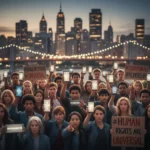
Identity in Digital Age: Social Media’s Impact on American Self-Perception
Social media is transforming American self-perception and cultural identity. This article delves into three crucial ways digital platforms influence individual and collective identity, offering insights into this evolving phenomenon.
By: Emilly Correa on February 2, 2026
Last updated on: July 28, 2026
Identity in Digital Age: Social Media’s Impact on American Self-Perception
Cultural Identity in the Digital Age: 3 Ways Social Media is Reshaping American Self-Perception
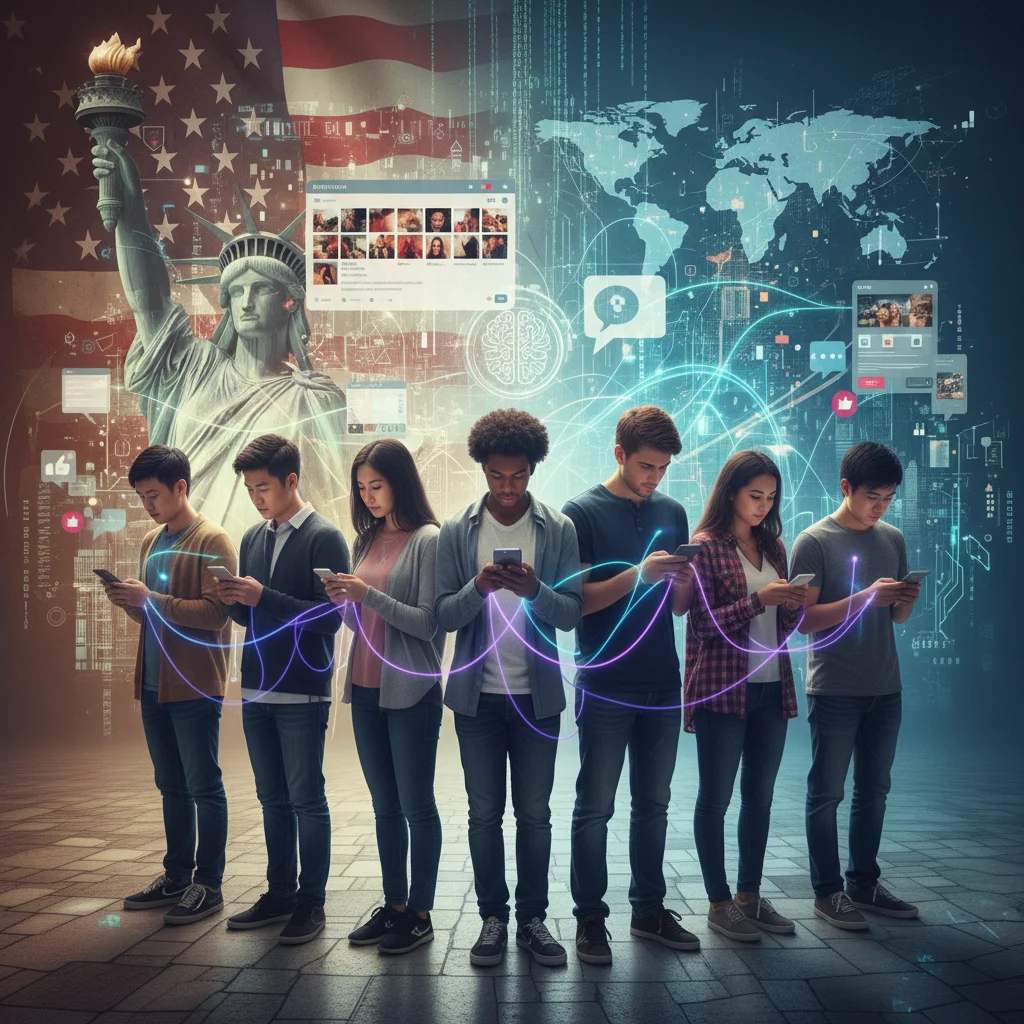
In an era defined by constant connectivity, social media has transcended its initial role as a mere communication tool to become a formidable force shaping individual and collective identities. For Americans, the landscape of self-perception and cultural belonging is undergoing a profound transformation, driven by algorithms, curated feeds, and instant global interactions. The digital age, with its ubiquitous platforms like Instagram, TikTok, X (formerly Twitter), and Facebook, has not only altered how we interact but fundamentally reshaped how we see ourselves and our place within the broader American tapestry. This article delves into the intricate relationship between social media and identity, exploring three pivotal ways these platforms are redefining American self-perception and cultural identity in the digital age.
The concept of Social Media Identity is no longer a fringe academic topic; it’s a lived reality for millions. From the subtle tweaks in our online profiles to the conscious crafting of our digital personas, every interaction leaves an imprint on our self-concept. The lines between our ‘real’ selves and our ‘digital’ selves have blurred, creating a complex interplay that influences everything from personal aspirations to national narratives. Understanding this dynamic is crucial for comprehending the evolving American experience.
1. The Rise of Curated Personas and Fragmented Selves
One of the most significant impacts of social media on American self-perception is the emergence of curated personas. Unlike traditional face-to-face interactions where identity is often perceived as holistic and somewhat fixed, social media platforms encourage the presentation of carefully constructed, often idealized, versions of ourselves. This phenomenon is particularly pronounced in American culture, which often emphasizes individualism and achievement. Users meticulously select photos, craft witty captions, and choose specific filters to project an image that aligns with their desired public identity. This constant act of self-curation leads to what psychologists refer to as ‘impression management’ on a grand scale.
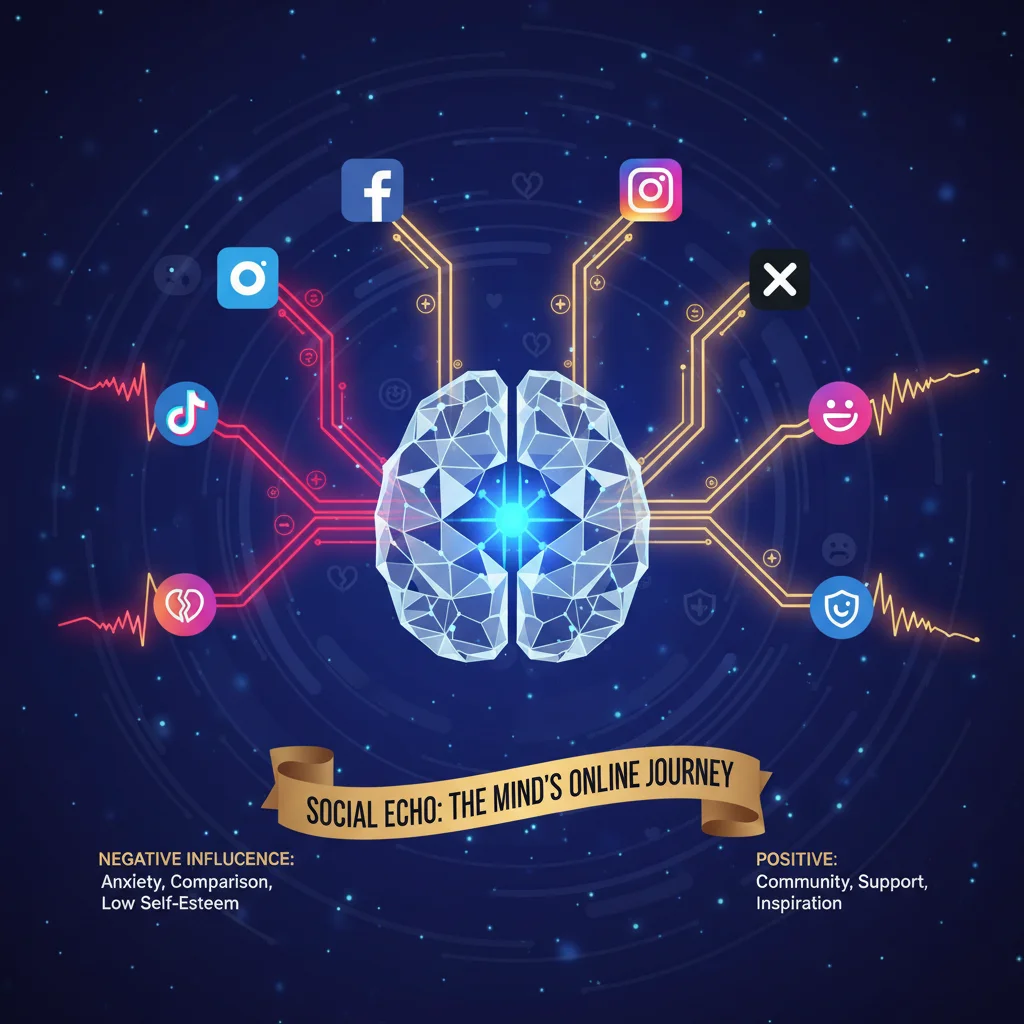
The pressure to maintain an aspirational online presence can have a profound effect on an individual’s self-esteem and authentic self-perception. For many, the ‘likes’ and ‘comments’ become a form of social currency, directly impacting their sense of worth. When the digital persona receives validation, it can boost confidence; however, a lack of engagement or negative feedback can lead to feelings of inadequacy, anxiety, and even depression. This constant external validation loop can make it difficult for individuals to distinguish between their authentic self and their carefully constructed online self, leading to a fragmented sense of identity.
Moreover, the various platforms themselves often dictate the type of persona that is most rewarded. Instagram, for example, prioritizes visual aesthetics and aspirational lifestyles, encouraging users to present an image of perfection. TikTok thrives on short, engaging videos, often promoting creativity and humor. X (formerly Twitter) fosters quick, opinionated commentary. As individuals navigate these different platforms, they may adopt distinct personas for each, further fragmenting their sense of self. This constant code-switching can be mentally taxing and make it challenging to develop a cohesive sense of Social Media Identity.
The implications extend beyond individual psychology. When a significant portion of a society is engaged in this collective act of self-curation, it begins to influence cultural norms. The pursuit of an ‘ideal’ lifestyle, often unattainable in reality, can become a societal expectation, fueled by the endless scroll of perfectly filtered lives. This can lead to increased social comparison, envy, and a general dissatisfaction with one’s own life, contributing to a broader cultural anxiety about authenticity and success. The American dream, once rooted in tangible achievements, now often includes a perfectly curated online presence.
The curated persona also plays a role in how different demographic groups within America perceive themselves and each other. For example, minority groups might use social media to challenge stereotypes and present alternative narratives, thereby shaping their collective cultural identity. Conversely, the algorithm’s tendency to create echo chambers can reinforce existing biases and limit exposure to diverse perspectives, potentially hindering a more inclusive national self-perception. The digital mirror, therefore, reflects not just individual aspirations but also societal aspirations and anxieties, continually shaping and reshaping the American individual and collective psyche.
Ultimately, the rise of curated personas on social media represents a fundamental shift in how Americans approach self-presentation and identity formation. It highlights the tension between authenticity and aspiration, individual expression and social conformity, and the ‘real’ self versus the ‘digital’ self. Navigating this complex terrain is a defining challenge of the digital age, with lasting implications for psychological well-being and the very fabric of American cultural identity.
2. Shifting Collective Narratives and Cultural Belonging
Beyond individual self-perception, social media has become a powerful engine for constructing and disseminating collective narratives, profoundly impacting American cultural belonging. In a nation as diverse and expansive as the United States, shared stories and experiences are crucial for fostering a sense of unity and identity. Social media platforms, with their unparalleled reach and speed, have both facilitated the creation of new collective identities and challenged existing traditional ones.
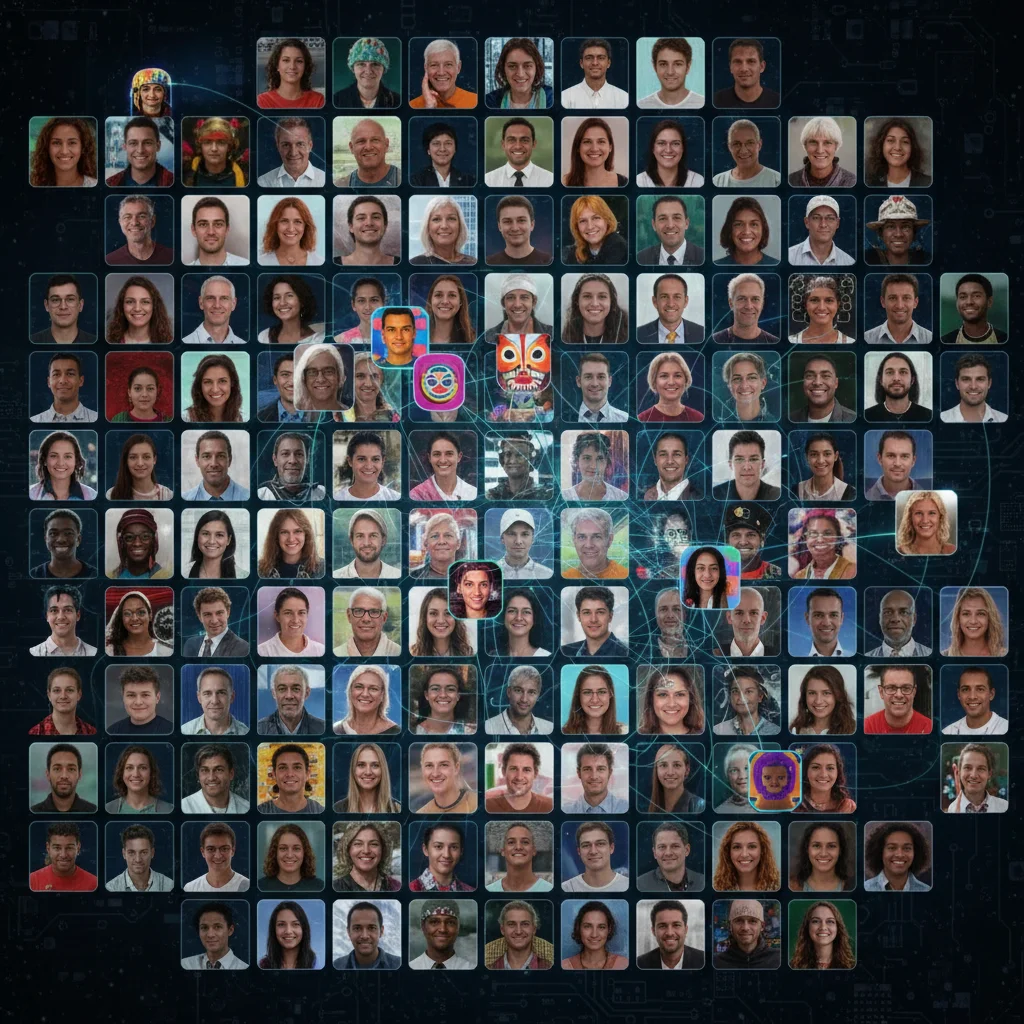
Historically, shared cultural narratives were largely shaped by traditional media outlets, educational institutions, and community organizations. These gatekeepers often presented a relatively cohesive, albeit sometimes monolithic, view of American identity. Social media has democratized this process, allowing a multitude of voices to contribute to the national conversation. This has led to the emergence of numerous subcultures and identity groups that might not have found a platform in mainstream media. Online communities centered around shared interests, beliefs, or experiences can provide a strong sense of belonging for individuals who might feel marginalized or isolated in their physical communities. This ability to find ‘your tribe’ online is a powerful aspect of Social Media Identity formation.
However, this democratization also comes with challenges. The sheer volume of information and the ease with which narratives can be constructed and spread mean that collective identity is now more fluid and contested than ever before. Social media algorithms, designed to keep users engaged, often create echo chambers, exposing individuals primarily to information and perspectives that confirm their existing beliefs. While this can strengthen group solidarity, it can also lead to increased polarization and a fragmentation of the broader national narrative. Different groups within America might develop vastly different understandings of what it means to be ‘American,’ leading to ideological divides and a weakening of shared cultural reference points.
The speed at which information and narratives spread on social media also means that cultural trends and collective identities can form and dissipate rapidly. What is considered ‘cool’ or ‘relevant’ today might be forgotten tomorrow. This rapid cultural churn can make it difficult for individuals and groups to establish stable, long-term identities, contributing to a sense of impermanence and a constant need to adapt. For American youth, particularly, navigating these ever-shifting currents is a core part of their identity development.
Furthermore, social media has amplified the voices of marginalized communities, allowing them to share their experiences and challenge dominant narratives. Movements like #BlackLivesMatter, #MeToo, and various LGBTQ+ advocacy campaigns have gained immense traction through social media, forcing national conversations and shifting public perception of what constitutes American values and who belongs within the American identity. These platforms have given a voice to the voiceless, enabling collective action and fostering new forms of cultural belonging based on shared struggles and aspirations.
Conversely, the same platforms can be used to spread misinformation and hate speech, threatening the fabric of societal cohesion. The ease with which false narratives can go viral poses a significant challenge to a shared understanding of reality, making it harder to build consensus on critical issues. This tension between empowering diverse voices and combating harmful narratives is a central dilemma for American cultural identity in the digital age. The collective narratives forged on social media are not just stories; they are the very building blocks of who Americans believe themselves to be, both individually and as a nation.
3. The Blurring of Public and Private Spheres and its Impact on Authenticity
The third profound way social media is reshaping American self-perception lies in its relentless blurring of the public and private spheres. Traditionally, there was a clear distinction between what was considered personal and what was shared with the wider world. Social media has largely eroded this boundary, creating a culture where personal lives are often lived out in public, transforming the very notion of authenticity and intimacy. This continuous performance of self in public forums significantly impacts Social Media Identity.
For many Americans, particularly younger generations, the expectation to share aspects of their private lives online is almost ingrained. A significant life event – a new job, a relationship milestone, a vacation – often feels incomplete until it has been documented and shared on social media. This constant public display of personal moments creates a feedback loop where self-perception becomes intertwined with public reaction. The fear of missing out (FOMO) and the desire for external validation drive individuals to share more and more, often without fully considering the long-term implications for their privacy or their authentic self.
The blurring of public and private also impacts how individuals understand and value authenticity. In an environment where everyone is presenting their best, most curated self, the pressure to appear ‘authentic’ can paradoxically lead to less genuine expression. People might feel compelled to share vulnerabilities or ‘raw’ moments, not out of true emotional impulse, but because it aligns with an aesthetic of authenticity that is rewarded on social media. This performative authenticity can further complicate an individual’s ability to connect with their true self, as they are constantly aware of an audience, even in their most private moments.
Moreover, the permanence of digital footprints means that what is shared online, even casually, can have lasting consequences. A seemingly innocuous post from years ago can resurface, impacting job prospects, relationships, or public reputation. This constant awareness of a potentially permanent public record influences how individuals behave and express themselves, leading to a more cautious and self-censored approach to identity formation. The freedom of expression, often touted as a cornerstone of American identity, becomes complicated when every utterance can be scrutinized and archived indefinitely.
The impact on mental health is also significant. The constant comparison to others’ seemingly perfect lives, coupled with the pressure to maintain an active and engaging online presence, contributes to increased rates of anxiety, depression, and body image issues, especially among young Americans. The private struggles of individuals are often hidden behind a facade of public perfection, creating a disconnect between internal experience and external presentation. This disconnect can be a major barrier to developing a healthy and integrated sense of self.
Furthermore, the blurring of public and private extends to collective identity. Political discourse, once confined to formal channels or private conversations, now unfolds publicly on social media, often in highly emotional and unfiltered ways. This can lead to both greater transparency and increased conflict, as traditional norms of civility and respectful debate struggle to adapt to the instant, often anonymous, nature of online interactions. The public airing of grievances and opinions, while empowering for some, can also contribute to a sense of national divisiveness and a fragmented public sphere.
In conclusion, the erosion of the public-private boundary on social media challenges fundamental aspects of American self-perception, particularly concerning authenticity, privacy, and mental well-being. Navigating this new landscape requires critical self-awareness and a conscious effort to define personal boundaries in an increasingly interconnected world. The struggle to maintain a genuine sense of self amidst constant public scrutiny is a defining characteristic of American identity in the digital age.
The Evolving American Self: Navigating the Digital Identity Landscape
The journey through the digital age has irrevocably altered the terrain of American self-perception and cultural identity. From the meticulous crafting of curated personas to the dynamic shifts in collective narratives and the profound blurring of public and private spheres, social media has emerged as a central architect of who Americans believe themselves to be. The concept of Social Media Identity is no longer an optional add-on; it is an intrinsic component of contemporary existence, influencing everything from personal aspirations to national cohesion.
The rise of curated personas has introduced a new layer of complexity to individual identity formation. While offering opportunities for self-expression and connection, it also presents challenges related to authenticity, self-esteem, and the potential for fragmented selves. The constant pursuit of an idealized online image can lead to a disconnect from one’s genuine self, fostering anxiety and comparison. This phenomenon is not merely individual but has permeated American cultural norms, setting new, often unattainable, standards for life and success.
Concurrently, social media has dramatically reshaped collective narratives and the sense of cultural belonging. It has democratized storytelling, empowering marginalized voices and fostering diverse subcultures. However, it has also contributed to societal polarization through echo chambers and the rapid dissemination of contested narratives. The fluidity of online trends challenges traditional, stable forms of identity, creating a dynamic yet sometimes unstable cultural landscape. The digital public square is a powerful arena where the very definition of ‘American’ is continually debated and redefined.
Finally, the blurring of public and private boundaries has fundamentally altered how Americans live, interact, and perceive their authenticity. The expectation to share personal moments publicly, coupled with the permanence of digital footprints, has created a culture of performative authenticity and heightened self-censorship. This shift has significant implications for mental health, privacy, and the delicate balance between individual freedom and societal scrutiny. The challenge lies in maintaining a genuine sense of self in a world where personal life is often a public spectacle.
Looking Ahead: Strategies for a Healthier Digital Identity
As we continue to navigate this evolving landscape, several strategies can help individuals and society foster a healthier relationship with Social Media Identity:
Promoting Digital Literacy: Educating individuals, especially younger generations, on critical thinking about online content, understanding algorithms, and recognizing the curated nature of social media feeds is paramount. This can help users develop a more discerning eye and reduce the impact of idealized comparisons.
Cultivating Offline Connections: Encouraging and prioritizing real-world interactions and community engagement can provide a counterbalance to online validation, strengthening authentic relationships and a grounded sense of self.
Practicing Mindful Sharing: Individuals can benefit from consciously evaluating what they share online, considering the motivations behind their posts, and understanding the potential long-term implications for their privacy and reputation.
Fostering Media Diversity: Supporting and engaging with a wide range of news sources and perspectives, both online and offline, can help combat echo chambers and contribute to a more nuanced and unified understanding of collective identity.
Prioritizing Mental Well-being: Recognizing the potential negative impacts of social media on mental health and advocating for platforms to implement features that promote well-being (e.g., time limits, content filters, anti-bullying measures) are crucial steps.
Encouraging Authentic Self-Expression: Creating spaces, both online and offline, where individuals feel safe to express their authentic selves without fear of judgment or the pressure to perform can foster a more integrated and resilient sense of identity.
The reshaping of American self-perception by social media is an ongoing process, a dynamic interplay between technological advancement, individual psychology, and cultural evolution. While it presents significant challenges, it also offers unprecedented opportunities for connection, self-expression, and the formation of new, inclusive communities. By understanding these transformative forces and actively engaging in mindful digital practices, Americans can navigate the complexities of Social Media Identity to build a more authentic, resilient, and connected self in the digital age.
The future of American identity will undoubtedly be written, in part, on our screens. How we choose to engage with these powerful tools will determine whether they serve as instruments of division and superficiality or as catalysts for deeper understanding, genuine connection, and a more robust sense of self and community.
Emilly Correa has a degree in journalism and a postgraduate degree in Digital Marketing, specializing in Content Production for Social Media. With experience in copywriting and blog management, she combines her passion for writing with digital engagement strategies. She has worked in communications agencies and now dedicates herself to producing informative articles and trend analyses.