Global Cultural Trends: Shaping US Lifestyle & Society
Dive into the significant ways global cultural trends are reshaping American life. This article analyzes four major international influences impacting US culinary, fashion, technological, and social landscapes, offering a comprehensive look at cultural evolution.
By: Emilly Correa on June 25, 2026
Last updated on: July 28, 2026
Global Cultural Trends: Shaping US Lifestyle & Society
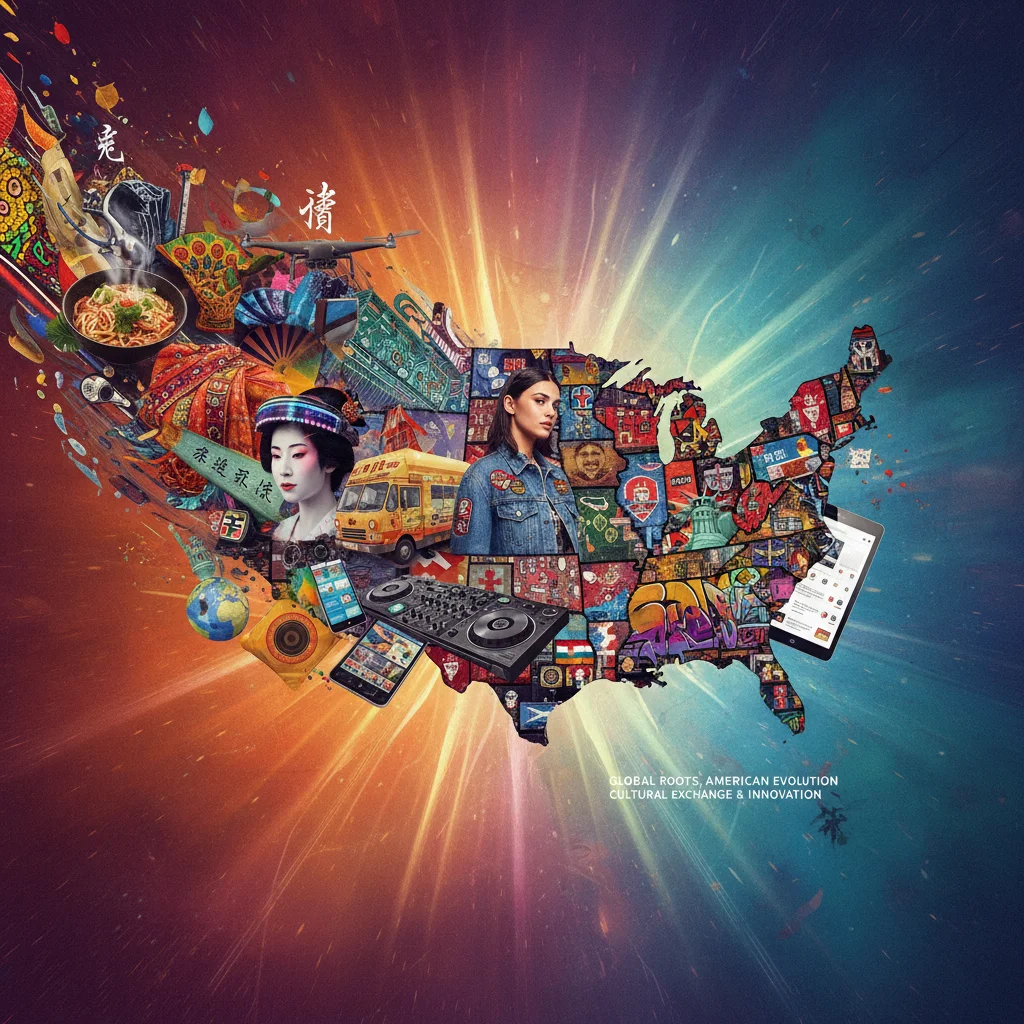
In an increasingly interconnected world, the borders that once defined distinct national cultures are becoming more permeable. The United States, a nation historically shaped by immigration and cultural fusion, stands as a prime example of a society continually influenced by external forces. This article delves into the profound ways that the global culture impact is reshaping American lifestyle, examining four key international trends that are not just transient fads but fundamental shifts influencing everything from what we eat to how we interact and perceive the world.
The concept of global culture impact is not new, but its acceleration in the digital age is unprecedented. With instantaneous communication, global travel becoming more accessible, and media transcending geographical boundaries, cultural exchange happens at an astonishing pace. This dynamic interaction leads to a rich tapestry of influences that continuously redefine American identity and daily life.
Understanding these shifts is crucial for businesses, policymakers, and individuals alike. It allows us to anticipate changes, adapt to new consumer behaviors, and foster a more inclusive and informed society. From the quiet revolution in our kitchens to the vibrant expressions in our fashion, and from the swift adoption of new technologies to the evolution of our social values, the threads of global culture are intricately woven into the fabric of US lifestyle.
The Culinary Revolution: A Global Palate for America
One of the most palpable manifestations of global culture impact on US lifestyle is undoubtedly in the culinary sphere. American dining habits have undergone a dramatic transformation over the past few decades, moving far beyond the traditional meat-and-potatoes stereotype to embrace a truly global palate. This shift is driven by several factors, including increased immigration, international travel, and the pervasive influence of food media.
The Rise of Ethnic Cuisines
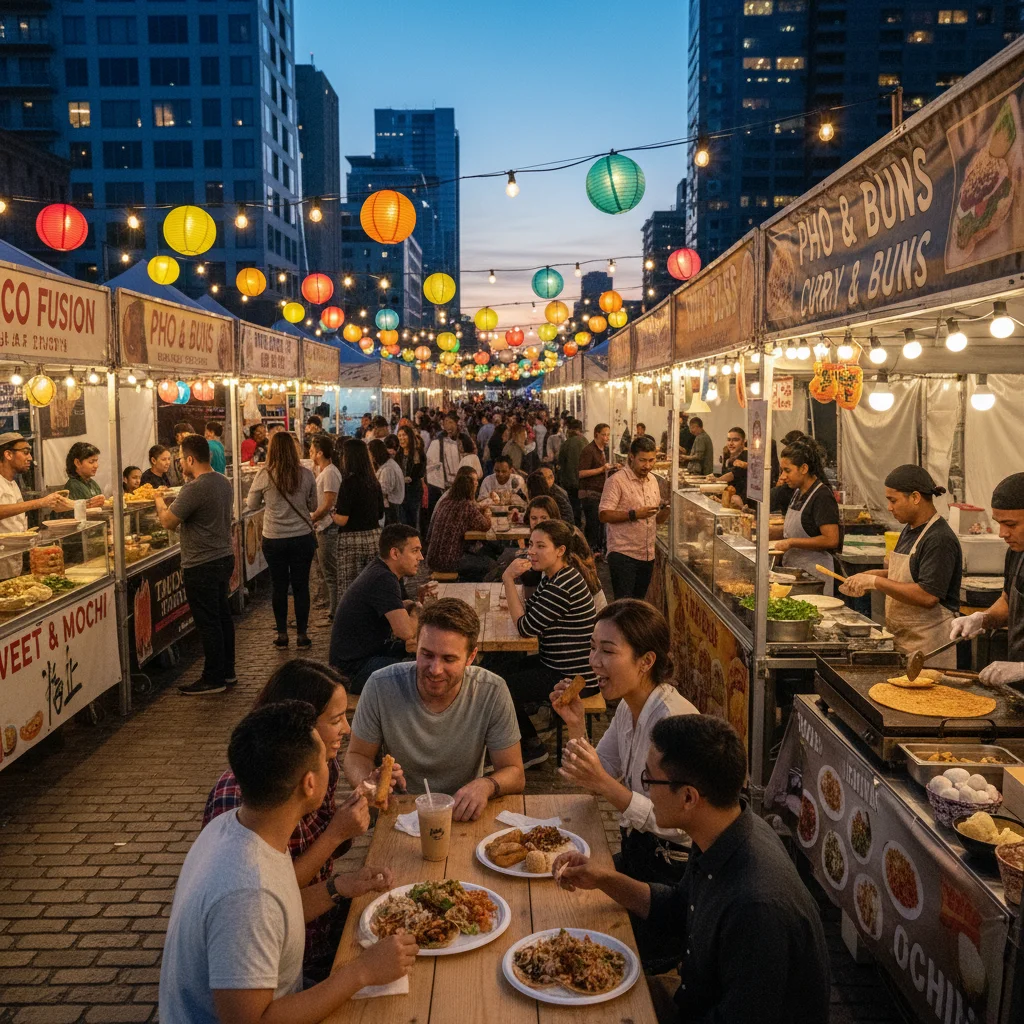
Once considered exotic or niche, cuisines like Mexican, Italian, Chinese, and Indian are now staples in American households and restaurants. Beyond these established flavors, there’s been an explosion of interest in more diverse culinary traditions. Korean BBQ, Vietnamese pho, Ethiopian injera, Japanese ramen, and Thai curries have moved from specialty restaurants to mainstream popularity. This trend isn’t just about trying new dishes; it’s about an appreciation for authentic flavors, cooking techniques, and the stories behind the food.
Food trucks and pop-up restaurants have played a significant role in democratizing access to these global flavors, often serving as incubators for new culinary trends. Social media platforms like Instagram and TikTok have further amplified this trend, turning lesser-known dishes into viral sensations and inspiring home cooks to experiment with international recipes.
Dietary Trends and Health Consciousness
The global culture impact also extends to dietary preferences and health consciousness. Inspirations from Mediterranean diets, rich in olive oil, fresh vegetables, and lean proteins, have significantly influenced American eating habits. Similarly, the rise of plant-based diets has been fueled by global movements, particularly from regions with historically vegetarian or vegan traditions. The increased availability of ingredients like quinoa (from the Andes), turmeric (from India), and matcha (from Japan) in mainstream grocery stores is a testament to this global culinary integration.
Furthermore, the focus on ‘farm-to-table’ and sustainable eating has roots in traditional agricultural practices observed in various cultures worldwide, emphasizing local sourcing and seasonal ingredients. This blend of global flavors with a growing awareness of health and sustainability is a powerful aspect of the current culinary landscape in the US.
Fashion Forward: The Internationalization of American Style
Fashion has always been a mirror reflecting societal changes, and the global culture impact is vividly apparent in American style. The days of a singular ‘American fashion’ are long gone; instead, we see a vibrant amalgamation of influences from runways in Paris and Milan to street styles in Tokyo, Seoul, and Lagos.
Street Style and Social Media Influence
One of the most significant drivers of this internationalization is the rise of street style photography and social media. Platforms like Pinterest, Instagram, and fashion blogs allow trends to disseminate globally almost instantly. A look from a Parisian fashion week or a K-pop idol’s airport outfit can inspire millions of American consumers overnight. This democratizes fashion, moving influence beyond elite designers to everyday individuals and diverse cultural expressions.
The adoption of athleisure wear, for instance, while having American roots, gained significant global traction and has been re-interpreted through various cultural lenses, becoming a global phenomenon. Similarly, traditional garments and patterns from African, Asian, and Latin American cultures are increasingly inspiring mainstream fashion, leading to a more diverse and inclusive aesthetic.
Sustainable and Ethical Fashion Movements
The global conversation around sustainability and ethical production has also profoundly impacted American fashion. Inspired by movements in Europe and Asia, where consumers often show a stronger preference for environmentally friendly and ethically sourced products, American brands and consumers are increasingly demanding transparency and responsible practices. This includes the move towards slow fashion, upcycling, and the use of eco-friendly materials, reflecting a global shift in consumer values.
The influence of international designers and fashion weeks continues to shape high fashion, but the true global culture impact is seen in the blending of these high-end trends with accessible, diverse street styles, creating a unique and ever-evolving American fashion identity.
Technological Convergence: Bridging Global Divides
Technology, by its very nature, transcends borders, and its global culture impact on the US lifestyle is transformative. From communication methods to entertainment consumption and work practices, international technological developments are constantly reshaping American daily life.
Communication and Connectivity
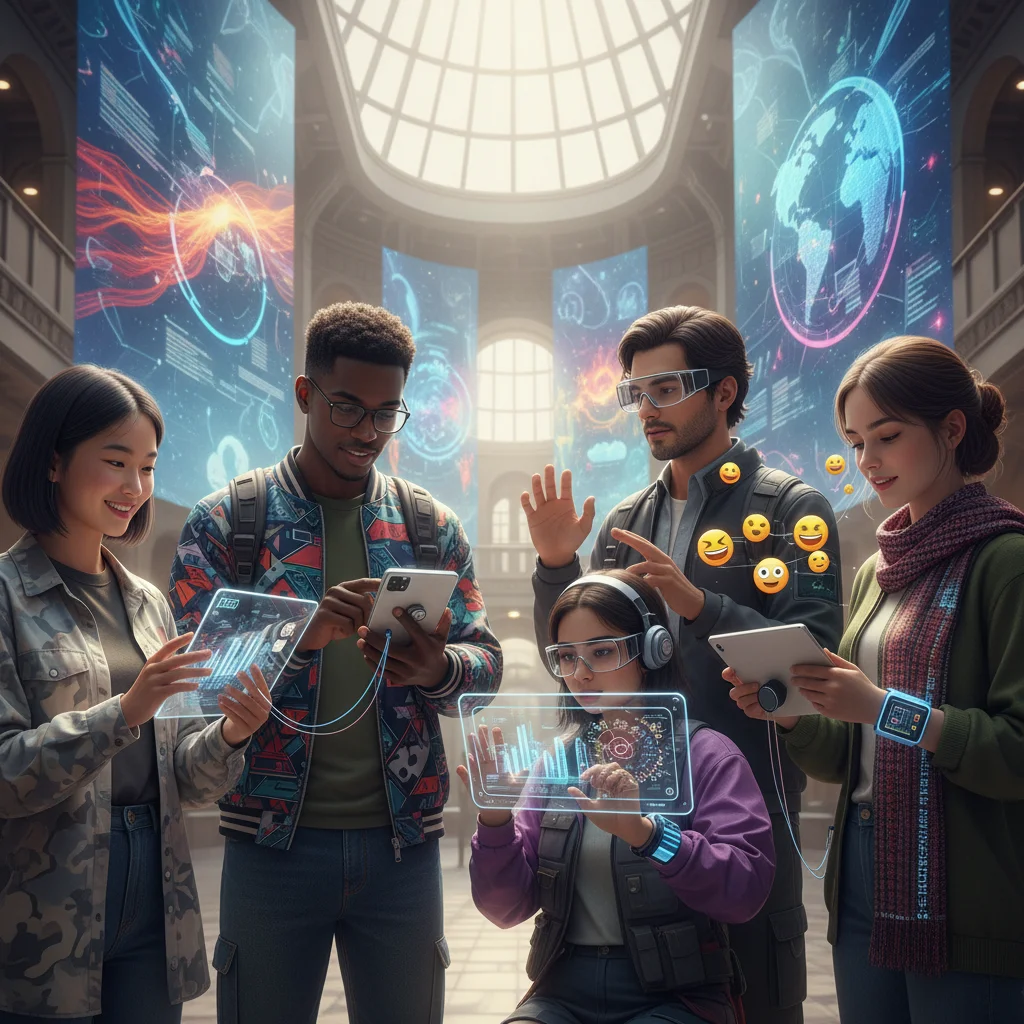
The internet and mobile technology have obliterated geographical barriers, making global communication instantaneous and ubiquitous. Messaging apps developed in Asia, like WeChat and LINE, influence how US developers design their own communication platforms. Similarly, the global adoption of social media platforms like Facebook, Twitter, and Instagram, often pioneered in the US, means that American users are constantly exposed to international perspectives, trends, and news, fostering a more globalized worldview.
This constant connectivity has also led to the rise of remote work, a concept further accelerated by global events but underpinned by technologies that facilitate international collaboration. American businesses increasingly leverage global talent pools, and individuals can work for companies based anywhere in the world, fundamentally altering traditional work structures.
Entertainment and Media Consumption
The entertainment industry is another arena where global culture impact is undeniable. Streaming services have made international films, TV shows, and music readily accessible to American audiences. The phenomenal success of K-pop, anime, and foreign-language films and series (like ‘Parasite’ or ‘Squid Game’) demonstrates a growing appetite for diverse narratives and artistic expressions. This exposure enriches American culture, broadens perspectives, and challenges traditional entertainment consumption patterns.
Gaming, too, is a global phenomenon, with international esports tournaments drawing massive American viewership and game development often being a collaborative international effort. The global nature of technology means that innovation often happens collaboratively, with ideas and advancements flowing freely across borders, constantly pushing the boundaries of what’s possible in the US.
Evolving Social Values: A Worldlier Perspective
Perhaps the most profound yet subtle aspect of global culture impact is its influence on American social values and perspectives. Exposure to diverse cultures through media, travel, and direct interaction fosters a more nuanced understanding of global issues and different ways of life.
Environmental Consciousness and Sustainability
The global climate crisis has spurred international movements advocating for environmental protection and sustainable living. The US, while having its own environmental movements, has been significantly influenced by European and Asian initiatives regarding renewable energy, waste reduction, and conservation. Concepts like ‘circular economy’ and ‘net-zero emissions’ are often discussed in an international context before gaining widespread traction in the US, shaping American policy and individual behaviors.
Youth climate activism, a truly global phenomenon, has also played a crucial role in mobilizing American public opinion and pushing for greater accountability from corporations and governments.
Diversity, Equity, and Inclusion (DEI)
The global conversation around human rights, social justice, and identity has deeply resonated within the US. Movements for racial equality, gender parity, and LGBTQ+ rights often draw strength and inspiration from international solidarity and shared struggles. The increased visibility of diverse voices from around the world through media and social platforms has contributed to a more inclusive dialogue within the US, challenging existing norms and promoting a greater appreciation for diversity.
This includes a growing awareness of cultural appropriation versus appreciation, a discussion often informed by global perspectives on heritage and identity. The global culture impact here is about fostering empathy, understanding, and a willingness to critically examine societal structures through a broader, more inclusive lens.
Work-Life Balance and Well-being
American perceptions of work-life balance and well-being are also being shaped by international trends. Concepts like ‘hygge’ from Denmark (coziness and contentment) or the emphasis on mental health and mindfulness, often rooted in Eastern philosophies, are gaining popularity. European models of shorter workweeks, extended parental leave, and robust social safety nets are frequently cited in discussions about improving quality of life in the US.
This international dialogue encourages Americans to reconsider traditional notions of productivity and success, fostering a greater focus on holistic well-being and personal fulfillment. The pursuit of happiness, once primarily an individual endeavor, is increasingly viewed through a collective and globally informed lens.
The Future of American Lifestyle: A Global Tapestry
The pervasive global culture impact on US lifestyle is not a fleeting phenomenon but a continuous process of evolution and integration. As the world becomes even more interconnected, we can expect these trends to deepen and new ones to emerge, further enriching the cultural landscape of the United States.
This constant influx of ideas, traditions, and innovations challenges Americans to be more adaptable, open-minded, and globally aware. It fosters a society that is not only robust due to its diversity but also dynamic in its capacity for change and growth. From the spices in our food to the designs in our clothing, the technology in our hands, and the values we uphold, the fingerprints of global culture are everywhere.
Embracing Global Citizenship
Ultimately, the increasing global culture impact encourages a sense of global citizenship. It highlights our shared humanity and interconnectedness, urging us to consider how our actions resonate beyond our borders. This global perspective is vital for addressing complex challenges like climate change, pandemics, and economic inequality, which require international cooperation and understanding.
The American lifestyle, once perhaps viewed as a distinct entity, is now undeniably a vibrant and ever-changing tapestry woven with threads from every corner of the globe. Embracing this reality allows for a richer, more diverse, and resilient society, ready to navigate the complexities and opportunities of the 21st century.
The ongoing dialogue and exchange between the US and the rest of the world will continue to shape future generations, creating a dynamic cultural landscape that is both uniquely American and profoundly global. It’s an exciting prospect, promising continued innovation, deeper understanding, and a celebration of human diversity in all its forms.
Emilly Correa has a degree in journalism and a postgraduate degree in Digital Marketing, specializing in Content Production for Social Media. With experience in copywriting and blog management, she combines her passion for writing with digital engagement strategies. She has worked in communications agencies and now dedicates herself to producing informative articles and trend analyses.