Community Building Post-Pandemic: 7 Steps for Stronger Local Ties by 2026
The post-pandemic era presents unique challenges and opportunities for community building. This article outlines 7 actionable steps to strengthen local ties across the US by 2026, offering practical solutions for fostering connection and resilience.
By: Emilly Correa on June 3, 2026
Last updated on: July 28, 2026
Community Building Post-Pandemic: 7 Steps for Stronger Local Ties by 2026
Community Building in a Post-Pandemic Era: 7 Actionable Steps for Fostering Stronger Local Ties Across the US by End of 2026 – PRACTICAL SOLUTIONS
The COVID-19 pandemic irrevocably altered the fabric of societies worldwide, leaving an indelible mark on how we interact, work, and perceive our local environments. As we navigate the complex terrain of a post-pandemic world, the imperative to rebuild and strengthen community ties has become more urgent than ever. The isolation, economic disruption, and health crises experienced by countless individuals underscored the profound human need for connection, support, and a sense of belonging. This article delves into seven actionable steps that communities across the United States can implement to foster stronger local ties by the end of 2026, offering practical solutions designed to enhance resilience, well-being, and collective prosperity.
The term ‘community building post-pandemic’ isn’t just a buzzword; it represents a critical paradigm shift in how we approach urban and rural development, social policy, and individual engagement. The challenges are manifold: persistent social anxieties, economic disparities exacerbated by the pandemic, and a digital reliance that, while convenient, can sometimes detract from face-to-face interaction. However, these challenges also present unique opportunities for innovation, collaboration, and a renewed focus on local assets. By strategically investing in initiatives that promote genuine human connection and collective action, we can transform our communities into more vibrant, inclusive, and supportive spaces.
Our goal is not merely to return to a pre-pandemic state, but to build something more robust and equitable. This requires a proactive, multi-faceted approach that engages various stakeholders – local governments, non-profit organizations, businesses, educational institutions, and, most importantly, individual citizens. The following steps are designed to be adaptable, offering a framework that can be tailored to the unique contexts and needs of diverse communities across the nation. Embracing these strategies will be crucial for fostering lasting change and ensuring that our communities are better equipped to face future challenges, together.
1. Reinvigorate Public Spaces: Hubs for Interaction and Connection
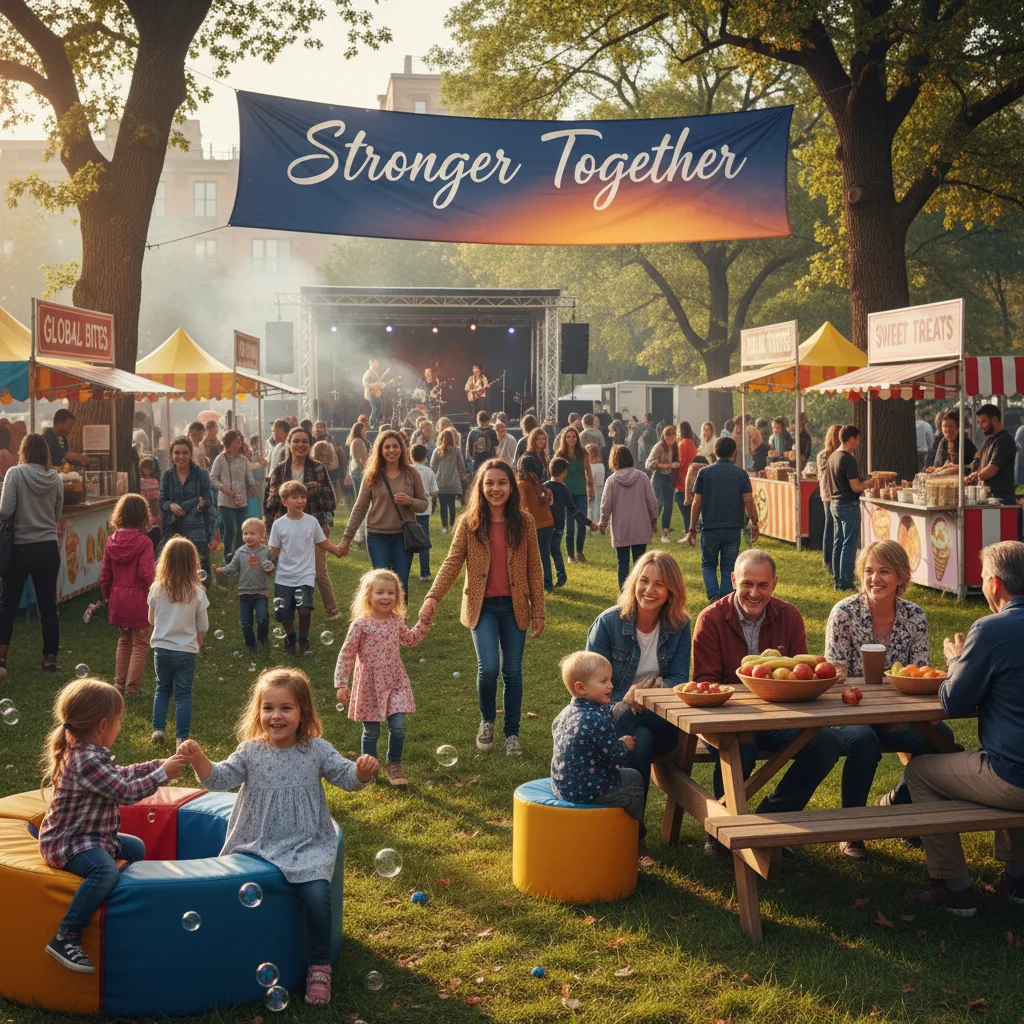
Public spaces are the living rooms of our communities. Parks, plazas, libraries, and community centers serve as vital arteries for social interaction, fostering spontaneous encounters and planned gatherings that are essential for community building post-pandemic. During the pandemic, many of these spaces were either closed or underutilized, contributing to a sense of isolation. Reinvigorating them means more than just reopening doors; it involves a conscious effort to make them welcoming, accessible, and programmed with engaging activities.
Local governments and community groups should prioritize investments in the beautification and maintenance of these spaces. This includes creating inviting seating areas, ensuring adequate lighting and safety, and incorporating elements that encourage lingering, such as public art installations, community gardens, and children’s play areas. More importantly, these spaces need to be activated with diverse programming. Imagine free outdoor concerts in the park, farmers’ markets in the town square, pop-up libraries with storytelling sessions, or fitness classes offered in public plazas. These events not only draw people out but also create shared experiences that forge bonds among residents.
Furthermore, consider innovative uses of underutilized public spaces. Could a vacant lot be transformed into a temporary community art gallery or a small urban farm? Can schoolyards be opened to the public during non-school hours for recreational activities? The key is to think creatively and involve residents in the planning process. Public design charrettes and community surveys can help identify what residents truly desire from their public spaces, ensuring that renovations and programming genuinely reflect local needs and aspirations. By making public spaces vibrant and central to daily life, we lay a foundational stone for robust community building post-pandemic.
2. Cultivate Local Volunteer Networks and Mutual Aid Systems
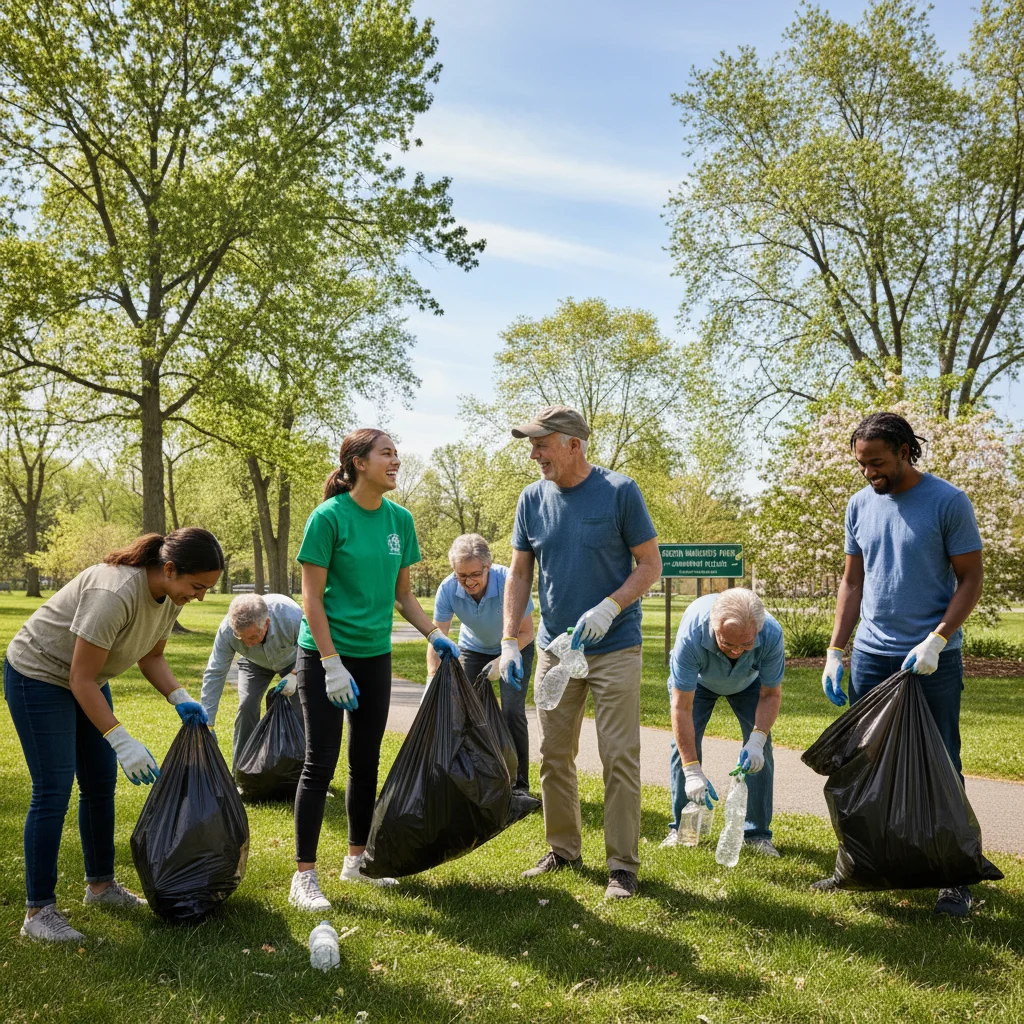
The pandemic highlighted the incredible power of mutual aid and volunteerism. Neighbors stepped up to help neighbors, often filling gaps left by overwhelmed public services. To sustain and expand this spirit, communities need to actively cultivate and formalize local volunteer networks and mutual aid systems. These systems are not just about crisis response; they are about building a resilient social infrastructure that supports ongoing community well-being.
Start by identifying existing volunteer groups and connecting them. A centralized online platform or a physical community bulletin board could serve as a hub for organizing volunteers, matching skills with needs, and publicizing opportunities. Think beyond traditional volunteering: encourage skill-sharing workshops (e.g., teaching coding, gardening, or basic home repairs), neighbor-to-neighbor support for seniors or new parents, or even collective purchasing initiatives to support local businesses.
Local libraries, community centers, or faith-based organizations can play a pivotal role in hosting these initiatives, providing meeting spaces, and offering administrative support. Training programs for volunteers, focusing on areas like first aid, mental health support, or digital literacy, can empower individuals and enhance the effectiveness of these networks. Recognizing and celebrating volunteers regularly through awards or community appreciation events also reinforces the value of their contributions and encourages continued participation. Strong volunteer networks are the backbone of effective community building post-pandemic, transforming good intentions into tangible support and connection.
3. Champion Local Businesses and Economic Resilience
A thriving local economy is intrinsically linked to strong community ties. When local businesses flourish, they create jobs, provide unique goods and services, and often serve as informal gathering places. The pandemic hit small businesses particularly hard, making their recovery and sustained growth a critical component of community building post-pandemic.
Communities can implement ‘buy local’ campaigns, encouraging residents to prioritize spending at local shops, restaurants, and service providers. This can be supported by local government initiatives such as tax incentives for small businesses, streamlined permitting processes, and access to small business loans or grants. Beyond financial support, fostering a collaborative ecosystem among local businesses can be highly beneficial. Business associations can organize joint marketing efforts, shared events, and even collective purchasing power.
Consider establishing ‘local currency’ or loyalty programs that incentivize spending within the community. Pop-up markets, street fairs, and collaborative events between businesses and community organizations can also draw attention to local offerings and create a festive atmosphere. Furthermore, supporting businesses that employ local residents and contribute to the community’s social fabric (e.g., by sponsoring local sports teams or charities) reinforces their value beyond mere commerce. By championing local economic resilience, communities not only recover economically but also deepen the sense of shared investment and collective identity.
4. Bridge the Digital Divide with Accessible Technology Programs
While digital tools often get a bad rap for promoting isolation, they can also be powerful instruments for community building post-pandemic, especially when access is equitable. The pandemic starkly highlighted the digital divide, leaving many without the means to connect, learn, or access essential services online. Bridging this divide is crucial for inclusive community development.
Local governments and non-profits should collaborate to provide affordable internet access, public Wi-Fi hotspots, and access to devices (e.g., refurbished computers, tablets). More importantly, digital literacy programs are essential. Libraries and community centers can offer free workshops on basic computer skills, internet safety, using video conferencing tools, and accessing online government or health services. These programs should cater to all age groups, particularly seniors and low-income families, who often face the greatest barriers.
Beyond basic access, digital platforms can be leveraged for community engagement. Create a user-friendly community website or app that centralizes information about local events, services, and opportunities for volunteering. Online forums or social media groups, moderated by community leaders, can facilitate discussions, neighborhood watch efforts, and resource sharing. The key is to use technology as a tool to enhance, rather than replace, in-person connections, ensuring that everyone has the opportunity to participate fully in community life.
5. Foster Intergenerational Connections and Mentorship
One of the most enriching aspects of a strong community is the vibrant exchange between different generations. The pandemic, with its emphasis on isolation, particularly affected seniors and youth, often limiting their opportunities for intergenerational interaction. Actively fostering these connections is a vital step in community building post-pandemic.
Programs that pair seniors with youth for mentorship, tutoring, or shared activities can yield immense benefits. Imagine a ‘tech-savvy youth’ teaching a senior how to use a smartphone, or a senior sharing life stories and traditional crafts with children. Community gardens, as mentioned earlier, are excellent spaces for intergenerational collaboration, where knowledge about planting and harvesting can be passed down. Libraries can host intergenerational book clubs, storytelling sessions, or board game nights.
Schools and senior centers can partner to create pen pal programs or arrange visits where students perform for or interview older residents. Local historical societies can engage both groups in documenting community history. These interactions not only combat loneliness and foster empathy but also ensure the transfer of valuable knowledge, skills, and cultural heritage, enriching the entire community fabric. By intentionally creating opportunities for different generations to connect, we build a more cohesive and understanding society.
6. Promote Health and Wellness Initiatives as Community Connectors
The pandemic brought health and well-being to the forefront of public consciousness. Integrating health and wellness initiatives into community building post-pandemic efforts can serve as a powerful connector, bringing people together around shared goals of physical and mental vitality.
Organize community-wide health challenges, such as walking programs or fitness groups that meet in parks. Offer free or low-cost workshops on nutrition, stress management, mindfulness, or basic first aid. Local health departments, hospitals, and fitness centers can partner with community organizations to provide these resources. Consider establishing community gardens not just for food production, but also as spaces for therapeutic horticulture and social interaction.
Mental health support is particularly critical in the wake of the pandemic. Communities can host peer support groups, offer mental health first aid training, and raise awareness about available resources. Creating ‘safe spaces’ where people feel comfortable discussing their well-being can significantly reduce stigma and foster a supportive environment. By prioritizing collective health, communities can build a stronger foundation for individual and collective flourishing, strengthening bonds through shared pursuits of well-being.
7. Empower Resident-Led Initiatives and Participatory Governance
Ultimately, the most sustainable and impactful community building post-pandemic efforts are those that are driven by the residents themselves. Empowering individuals and grassroots groups to take ownership of their community’s development is crucial. This involves shifting from a top-down approach to one that embraces participatory governance and supports resident-led initiatives.
Local governments should actively solicit input from residents on key decisions, utilizing tools like participatory budgeting, citizen juries, or neighborhood advisory boards. Create accessible channels for feedback and ensure that residents feel heard and valued. Beyond formal structures, encourage the formation of informal neighborhood associations, special interest groups (e.g., for environmental cleanups, local history, or cultural events), and ad-hoc committees to address specific local issues.
Provide resources and training to resident leaders, helping them develop skills in project management, fundraising, and community organizing. Small grants programs can empower grassroots groups to launch their own initiatives. Celebrate local successes, no matter how small, to inspire further engagement. When residents feel a sense of ownership and agency over their community’s future, they are more likely to invest their time, energy, and creativity, leading to more vibrant, resilient, and connected local ties. This empowerment is the cornerstone of truly effective and sustainable community building post-pandemic.
Conclusion: A Path Forward for Stronger Communities
The journey to stronger local ties in a post-pandemic world is not a sprint, but a marathon. It requires sustained effort, adaptability, and a deep commitment from all members of a community. The seven actionable steps outlined – reinvigorating public spaces, cultivating volunteer networks, championing local businesses, bridging the digital divide, fostering intergenerational connections, promoting health and wellness, and empowering resident-led initiatives – provide a comprehensive framework for community building post-pandemic.
By the end of 2026, communities across the US have the potential to emerge not just recovered, but transformed. This transformation will be characterized by bustling public spaces, active and supportive volunteer networks, thriving local economies, digitally inclusive populations, rich intergenerational exchanges, healthier residents, and empowered citizens driving positive change. The challenges are real, but so too are the opportunities for innovation and collective action.
The pandemic reminded us of our shared vulnerability, but also of our immense capacity for empathy, resilience, and collaboration. Let us harness these lessons to build communities that are not only prepared for future uncertainties but are also places where every individual feels a profound sense of belonging, purpose, and connection. The future of our communities depends on our collective willingness to invest in these vital human connections. Let’s work together to make ‘community building post-pandemic’ a resounding success story across the nation.
Emilly Correa has a degree in journalism and a postgraduate degree in Digital Marketing, specializing in Content Production for Social Media. With experience in copywriting and blog management, she combines her passion for writing with digital engagement strategies. She has worked in communications agencies and now dedicates herself to producing informative articles and trend analyses.