U.S. Sustainable Tech: Top 4 Innovations Driving Change in 2026
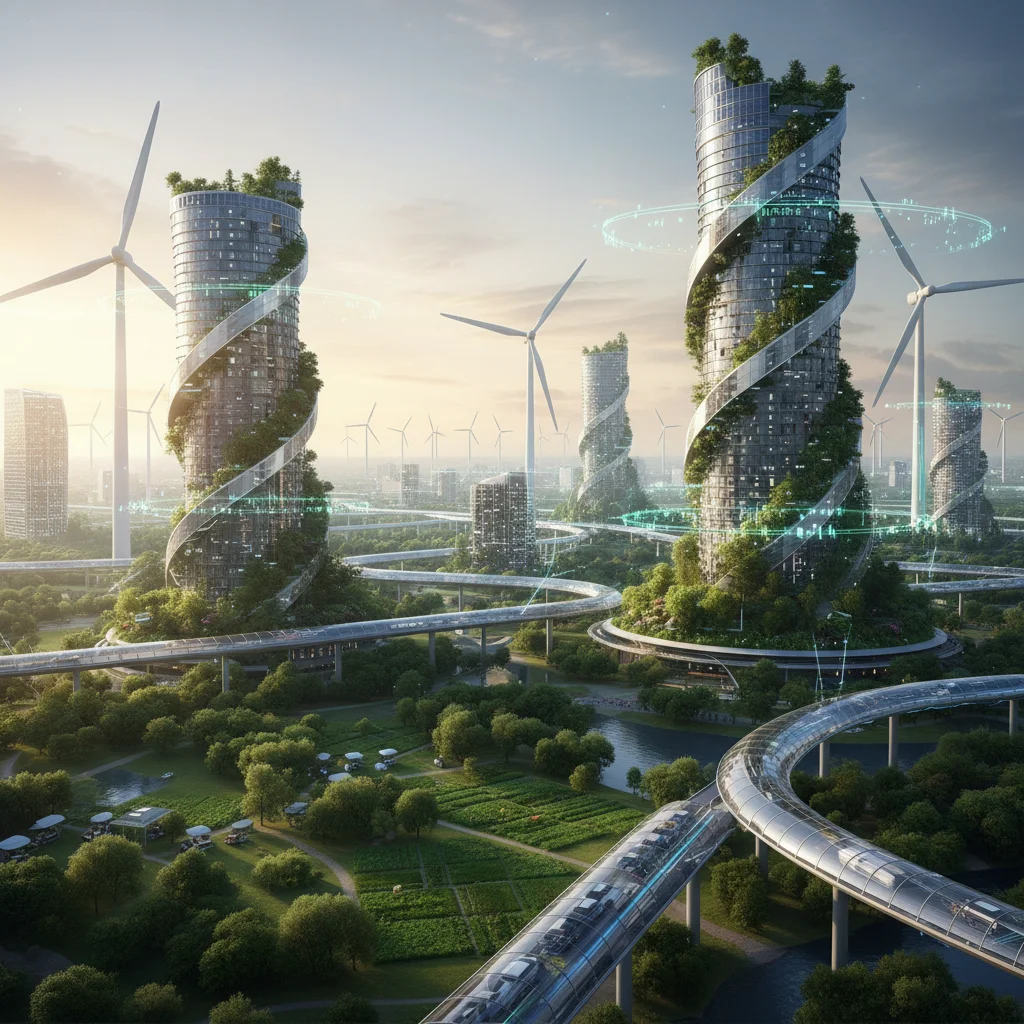
The global imperative for sustainability has never been more urgent. As climate change accelerates and resource depletion becomes an ever-present concern, the demand for innovative solutions has skyrocketed. In this critical landscape, the United States stands at the forefront, fostering a vibrant ecosystem of research, development, and entrepreneurship dedicated to pioneering sustainable technologies. By 2026, several groundbreaking U.S. sustainable tech innovations are poised to reshape industries, redefine our relationship with the environment, and pave the way for a more resilient future.
This comprehensive article delves into the most impactful U.S. sustainable tech advancements, focusing on four key areas that promise to deliver transformative change. We will explore their underlying principles, discuss their current status and recent updates, and analyze their potential to drive significant environmental and economic benefits. From revolutionary energy solutions to circular economy breakthroughs, these technologies represent the vanguard of sustainability.
The Dawn of a New Era: Why U.S. Sustainable Tech Matters Now More Than Ever
The urgency to transition to a sustainable economy is palpable. Governments, corporations, and individuals are increasingly recognizing the long-term risks associated with traditional, carbon-intensive practices. This recognition has fueled unprecedented investment and innovation in the sustainable U.S. tech sector. The United States, with its robust research institutions, venture capital ecosystem, and entrepreneurial spirit, is uniquely positioned to lead this charge.
The benefits of embracing U.S. sustainable tech extend far beyond environmental protection. These innovations drive economic growth, create new jobs, enhance national energy security, and improve public health. They offer pathways to reduce operational costs for businesses, increase efficiency, and build more resilient supply chains. As we look towards 2026 and beyond, the technologies we explore today will be instrumental in shaping a prosperous and environmentally sound future.
Defining Sustainable Technology
Before diving into specific innovations, it’s crucial to define what constitutes ‘sustainable technology.’ Broadly, sustainable technology (often referred to as green tech or clean tech) encompasses any technology whose use or application works to reduce environmental impacts, conserve natural resources, or provide solutions for environmental problems. This can include technologies that:
- Reduce greenhouse gas emissions.
- Improve energy efficiency.
- Promote renewable energy sources.
- Minimize waste and pollution.
- Conserve water.
- Support sustainable agriculture and land use.
- Facilitate the circular economy by enabling reuse, recycling, and repair.
The U.S. sustainable tech landscape is incredibly diverse, reflecting the multifaceted nature of environmental challenges. Our focus will be on innovations that demonstrate significant potential for widespread adoption and transformative impact within the next few years.
Top 4 U.S. Sustainable Tech Innovations Driving Change by 2026
As we navigate the path to a greener future, several U.S. sustainable tech advancements stand out for their potential to revolutionize key sectors. Here, we delve into four of these pioneering innovations, analyzing their technology, current progress, and expected impact.
1. Advanced Solid-State Battery Technology for Electric Vehicles and Grid Storage
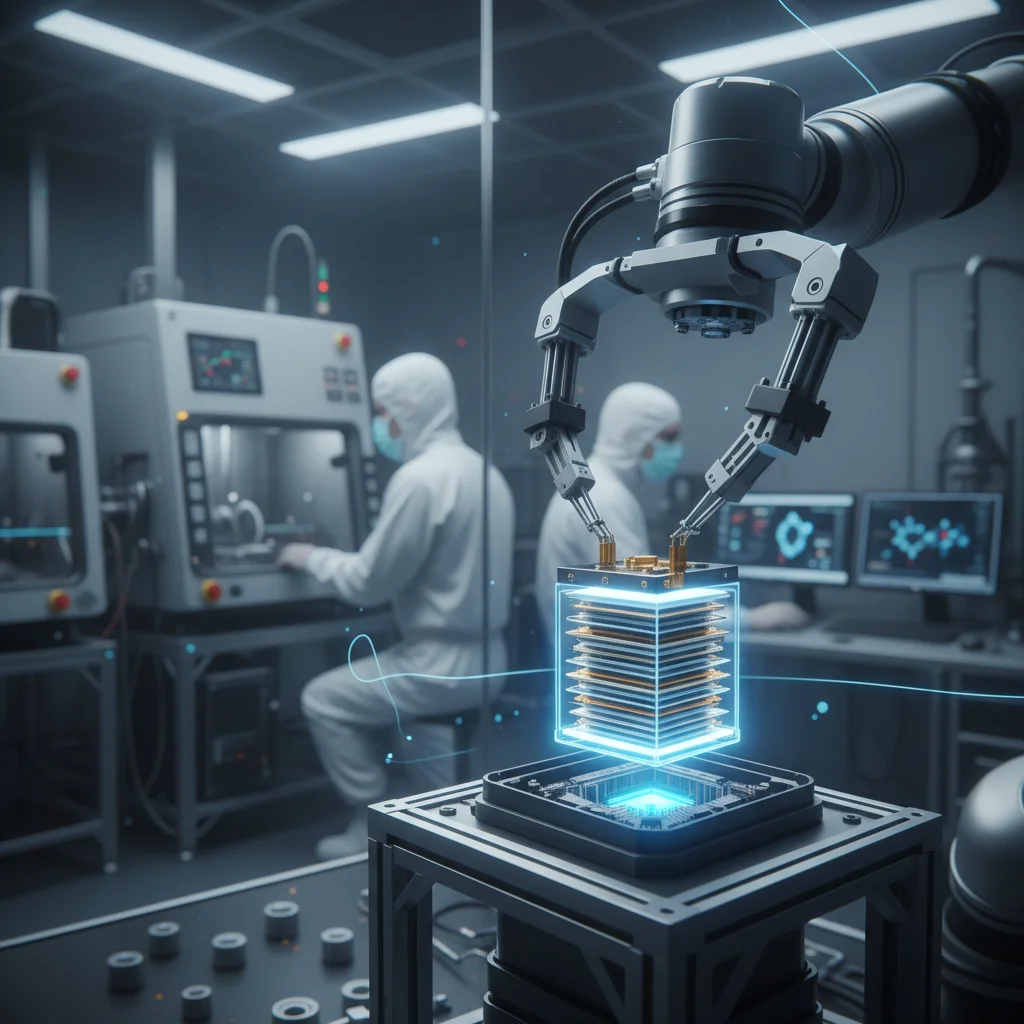
The transition to electric vehicles (EVs) and the integration of renewable energy sources into the grid are cornerstone strategies for decarbonization. However, both depend heavily on efficient, safe, and cost-effective energy storage solutions. Traditional lithium-ion batteries, while widely adopted, have limitations in terms of energy density, charging speed, safety, and reliance on critical minerals. This is where advanced solid-state battery (SSB) technology emerges as a game-changer in U.S. sustainable tech.
What is Solid-State Battery Technology?
Unlike conventional lithium-ion batteries that use a liquid or gel electrolyte, solid-state batteries employ a solid electrolyte. This fundamental difference offers several distinct advantages:
- Higher Energy Density: SSBs can pack more energy into a smaller, lighter package, leading to extended EV range and more compact grid storage solutions.
- Improved Safety: Eliminating flammable liquid electrolytes significantly reduces the risk of thermal runaway and fires, a major concern with current lithium-ion batteries.
- Faster Charging: The solid electrolyte can often facilitate quicker ion transfer, enabling ultra-fast charging times.
- Longer Lifespan: SSBs are expected to have a longer cycle life, reducing the frequency of replacements and their associated environmental impact.
- Wider Operating Temperatures: They can perform more efficiently across a broader range of temperatures.
Recent Updates and U.S. Developments
U.S. companies like QuantumScape, Solid Power, and Factorial Energy are leading the charge in SSB development. QuantumScape, for instance, has demonstrated impressive results in its lab tests, showcasing high energy density and fast charging capabilities. Solid Power is collaborating with major automotive manufacturers like BMW and Ford to integrate its SSB technology into future EV models. These partnerships are crucial for scaling production and bringing SSBs to market.
By 2026, while mass market adoption might still be nascent, we expect to see solid-state batteries powering premium EVs, enabling longer ranges and quicker charging. Furthermore, their application in grid-scale energy storage will become more prevalent, helping to stabilize grids reliant on intermittent renewable sources like solar and wind. This U.S. sustainable tech promises to accelerate the global energy transition significantly.
2. Advanced Carbon Capture, Utilization, and Storage (CCUS)
Even with aggressive decarbonization efforts, certain industrial processes (e.g., cement, steel, chemical production) and existing power plants will continue to emit CO2 for the foreseeable future. Advanced Carbon Capture, Utilization, and Storage (CCUS) technologies offer a vital solution to mitigate these emissions, making them a critical component of the U.S. sustainable tech portfolio.
How CCUS Works
CCUS involves three main stages:
- Capture: CO2 is separated from emissions sources (e.g., power plants, industrial facilities) or directly from the atmosphere (Direct Air Capture – DAC).
- Utilization: Captured CO2 can be used as a feedstock for various products, such as building materials, synthetic fuels, chemicals, or even enhanced oil recovery (though the latter is debated for its sustainability).
- Storage: CO2 is compressed and transported for long-term storage in secure geological formations, such as deep saline aquifers or depleted oil and gas reservoirs.
U.S. Progress and Outlook for 2026
The U.S. is a global leader in CCUS development, with significant government funding and private investment driving innovation. Companies like Carbon Engineering (with U.S. operations) and Climeworks (partnering with U.S. entities) are advancing Direct Air Capture (DAC) technologies, which passively remove CO2 from the ambient air. Occidental Petroleum is heavily invested in CCUS, planning large-scale DAC plants in the Permian Basin. Furthermore, research into novel capture materials (e.g., metal-organic frameworks, advanced solvents) is making the capture process more energy-efficient and cost-effective.
By 2026, we anticipate several large-scale CCUS projects to be operational or under construction in the U.S., particularly in industrial clusters. The focus will be on leveraging captured CO2 for beneficial uses, transitioning from purely sequestration to a more circular approach. Policy incentives, such as the 45Q tax credit, are providing strong financial impetus for these projects, solidifying CCUS’s role as a key U.S. sustainable tech solution for hard-to-abate sectors.
3. Circular Economy Innovations: Advanced Recycling and Bio-based Materials
The linear ‘take-make-dispose’ economic model is inherently unsustainable. The circular economy, which aims to keep resources in use for as long as possible, extract the maximum value from them whilst in use, then recover and regenerate products and materials at the end of each service life, is gaining significant traction. U.S. sustainable tech is making remarkable strides in this area, particularly in advanced recycling and the development of bio-based materials.
Advanced Recycling Technologies
Traditional mechanical recycling struggles with mixed plastics and contaminated streams, leading to downcycling or landfilling. Advanced recycling (also known as chemical recycling) breaks down plastics into their molecular building blocks, allowing them to be re-polymerized into virgin-quality plastics. Companies like Brightmark and Agilyx in the U.S. are pioneering these technologies, converting challenging plastic waste into new plastic resins, fuels, or waxes.
Bio-based Materials
Beyond recycling, the development of bio-based and biodegradable materials offers alternatives to fossil fuel-derived plastics and other resource-intensive products. U.S. startups are innovating with:
- Bioplastics: Made from renewable biomass sources like corn starch, sugarcane, or algae, reducing reliance on petroleum.
- Mycelium-based materials: Using fungal networks to grow sustainable packaging, insulation, and even leather alternatives.
- Cellulose nanofibers: Derived from wood pulp, these can enhance the strength and barrier properties of packaging, reducing plastic use.
Impact by 2026
By 2026, advanced recycling facilities are expected to significantly increase the processing capacity for difficult-to-recycle plastics in the U.S., diverting millions of tons from landfills and incinerators. Simultaneously, bio-based materials will see broader commercial adoption in packaging, textiles, and consumer goods, driven by consumer demand and corporate sustainability commitments. This shift is a crucial aspect of U.S. sustainable tech, moving us closer to a truly circular economy.
4. Small Modular Reactors (SMRs) for Clean, Reliable Energy
While renewable energy sources like solar and wind are vital, their intermittency poses challenges for grid stability. Nuclear power offers a carbon-free, baseload energy source, but traditional large-scale nuclear plants are expensive, complex to build, and face public perception hurdles. Small Modular Reactors (SMRs) represent a paradigm shift in nuclear technology, positioning them as a promising U.S. sustainable tech solution for clean and reliable power.
What are SMRs?
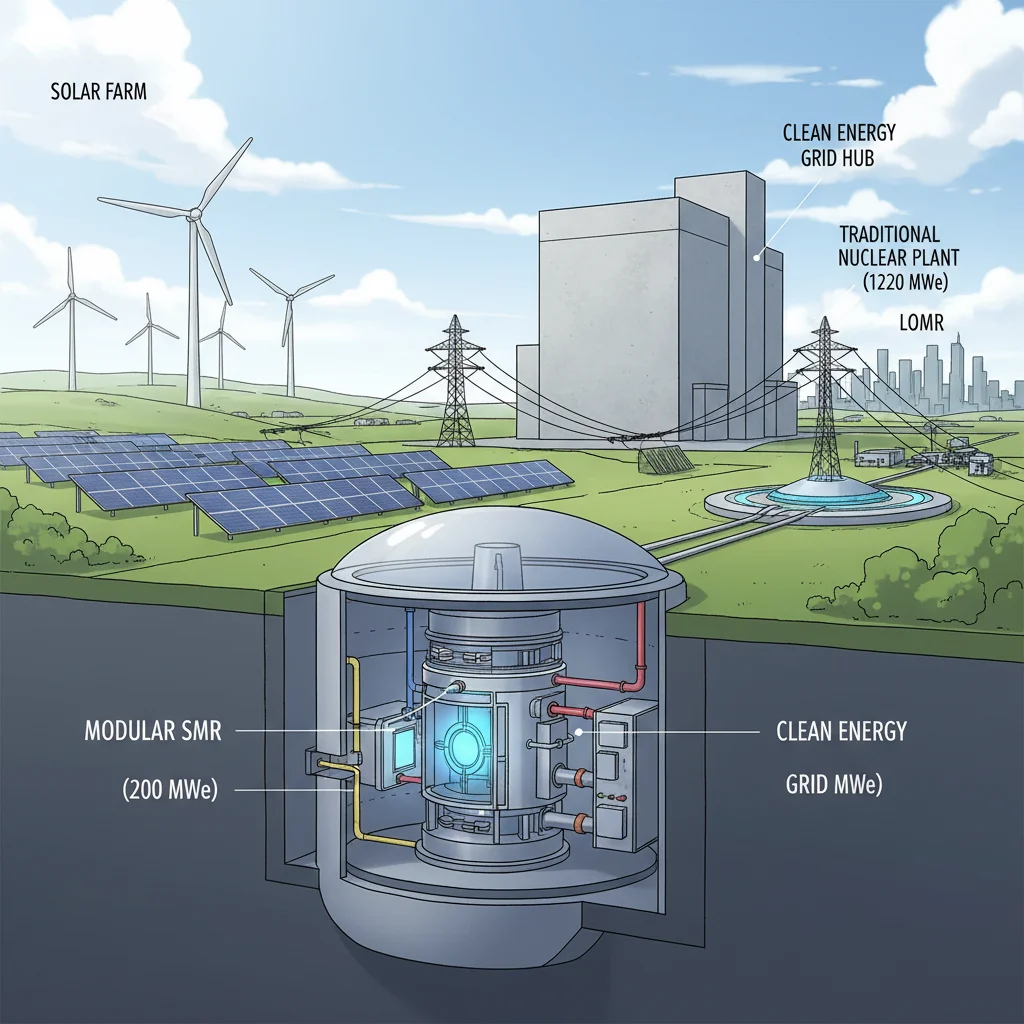
SMRs are advanced nuclear reactors that produce up to 300 MW(e) per unit, about one-third the generating capacity of traditional nuclear power reactors. Key features include:
- Modular Design: Components are manufactured in factories and shipped to sites for assembly, reducing construction time and costs.
- Scalability: Multiple SMR units can be deployed to match increasing energy demand, offering flexible power generation.
- Enhanced Safety: Many SMR designs incorporate passive safety features that rely on natural forces (e.g., gravity, natural circulation) to shut down the reactor and cool the core without human intervention or external power.
- Smaller Footprint: They require less land compared to conventional reactors.
- Versatility: Can be used for electricity generation, industrial process heat, desalination, and hydrogen production.
U.S. Developments and Future Potential
U.S. companies like NuScale Power and TerraPower are at the forefront of SMR development. NuScale’s design is the first and only SMR design to receive standard design approval from the U.S. Nuclear Regulatory Commission (NRC), a critical regulatory milestone. They are planning their first commercial deployment in Idaho by 2029 for the Utah Associated Municipal Power Systems (UAMPS).
TerraPower, backed by Bill Gates, is developing a Natrium reactor, a sodium-cooled fast reactor with an integrated molten salt energy storage system, aiming for enhanced flexibility and cost competitiveness. The U.S. Department of Energy (DOE) is heavily supporting SMR development through various programs and funding initiatives.
By 2026, while commercial operation might still be a few years away for most, significant progress in licensing, site preparation, and component manufacturing for U.S. SMR projects is expected. Their potential to provide reliable, carbon-free power at a more affordable and flexible scale makes them a pivotal U.S. sustainable tech for transitioning away from fossil fuels, particularly in regions requiring consistent baseload power.
Comparative Analysis and Interconnectedness of U.S. Sustainable Tech
While each of these U.S. sustainable tech innovations offers unique benefits, their true power lies in their interconnectedness and synergistic potential. For instance:
- SMRs and Solid-State Batteries: SMRs can provide the consistent, carbon-free electricity needed to power the factories producing solid-state batteries and to charge the EVs they power. They can also help stabilize grids integrating a high proportion of intermittent renewables, which SSBs are designed to store.
- CCUS and Circular Economy: Captured CO2 from CCUS can be utilized in various industrial processes, including the production of advanced materials, potentially creating new pathways for bio-based or synthetic materials within a circular framework.
- EVs (powered by SSBs) and Grid Decarbonization: A massive fleet of EVs, especially if equipped with vehicle-to-grid (V2G) capabilities, can act as a distributed energy storage system, further supporting grid stability and the integration of renewables.
This holistic approach underscores the complexity and opportunity within the U.S. sustainable tech landscape. Policy support, continued investment, and cross-sector collaboration will be essential to fully realize the potential of these technologies by 2026 and beyond.
Challenges and Opportunities for U.S. Sustainable Tech
Despite the immense promise, the path to widespread adoption of these U.S. sustainable tech innovations is not without its challenges:
- Cost Competitiveness: Many new technologies initially face higher costs compared to established, often subsidized, conventional alternatives. Scaling production and technological advancements are crucial for achieving cost parity.
- Infrastructure Development: Integrating new energy sources (SMRs), deploying charging networks for EVs (powered by SSBs), and establishing CO2 transport and storage infrastructure for CCUS all require significant investment and planning.
- Regulatory Hurdles: Navigating complex regulatory frameworks, especially for novel technologies like SMRs and advanced recycling, can be time-consuming and costly.
- Public Acceptance: Technologies like nuclear power (even SMRs) and CCUS sometimes face public skepticism or opposition, requiring effective communication and engagement strategies.
- Supply Chain Resilience: Ensuring a stable and ethical supply of critical minerals for batteries and other components is an ongoing challenge.
However, these challenges also present significant opportunities. The U.S. government, through initiatives like the Inflation Reduction Act and the Bipartisan Infrastructure Law, is providing substantial financial incentives, tax credits, and research funding to accelerate the development and deployment of U.S. sustainable tech. Private sector investment is also surging, recognizing the long-term market potential and the imperative for corporate sustainability.
The Role of Policy and Investment
Strong policy frameworks are critical for de-risking investments and creating a stable environment for innovation. The U.S. government’s commitment to climate goals, coupled with targeted incentives for clean energy and sustainable manufacturing, is creating a powerful tailwind for U.S. sustainable tech. Venture capital and private equity firms are increasingly allocating funds to green technologies, recognizing both the environmental necessity and the lucrative market opportunities.
Furthermore, international collaboration and knowledge sharing will be vital. While the U.S. leads in many areas, global partnerships can accelerate technology development, standardize regulations, and facilitate widespread adoption, ensuring that the benefits of U.S. sustainable tech are felt worldwide.
The Future is Green: Looking Beyond 2026
The U.S. sustainable tech landscape is dynamic and continuously evolving. While our focus has been on the transformative potential by 2026, the trajectory of these innovations points to an even more profound impact in the decades that follow. Solid-state batteries will become the norm for EVs and stationary storage, making range anxiety and grid instability a relic of the past. CCUS will be an integral part of industrial decarbonization, potentially even achieving net-negative emissions through advanced DAC. The circular economy will mature, with bio-based materials and advanced recycling systems dramatically reducing waste and resource extraction. SMRs will provide a backbone of clean, reliable energy, complementing a diverse mix of renewables.
The commitment to U.S. sustainable tech is not merely about environmental protection; it’s about fostering economic resilience, creating high-value jobs, and securing a leadership position in the global green economy. The innovations emerging from the United States today are laying the groundwork for a future that is cleaner, more efficient, and fundamentally more sustainable for generations to come. The journey is complex, but the progress visible today provides immense hope and a clear direction for the years leading up to and beyond 2026.
Related Posts: