Future of Food: Sustainable Agriculture Trends in the U.S. for the Next 5 Years
This article delves into the most impactful sustainable agriculture trends poised to transform the U.S. food system in the next five years, offering insider knowledge on technological advancements, policy shifts, and consumer demands driving this evolution.
By: Matheus Neiva on March 18, 2026
Last updated on: July 28, 2026
The agricultural landscape of the United States is on the cusp of a profound transformation. As we look ahead to the next five years, a confluence of environmental imperatives, technological breakthroughs, and evolving consumer demands is accelerating the adoption of sustainable agriculture trends. This isn’t merely a shift in farming practices; it’s a fundamental re-evaluation of how we produce food, manage resources, and ensure the long-term viability of our planet and our food supply. For anyone involved in the food industry, from farmers and policymakers to investors and consumers, understanding these trends is not just beneficial, it’s essential for navigating the future of food.
The urgency for sustainable agriculture stems from several critical factors. Climate change continues to exert pressure on traditional farming methods, manifesting as extreme weather events, altered growing seasons, and increased pest infestations. Simultaneously, a growing global population demands more food, while finite resources like water and arable land become scarcer. Consumers, increasingly aware of the environmental and health impacts of their food choices, are demanding transparency, ethical sourcing, and environmentally friendly production methods. These forces are collectively driving innovation and investment into sustainable agriculture trends, making it one of the most dynamic and crucial sectors of our economy.
In this comprehensive exploration, we will delve into the most significant sustainable agriculture trends that are set to redefine the U.S. food system in the coming half-decade. We’ll examine the technological advancements, policy frameworks, economic drivers, and societal shifts that are propelling these changes. Our aim is to provide an insider’s perspective on what to expect, offering valuable insights for anyone looking to understand or contribute to a more resilient and sustainable food future.
The Rise of Precision Agriculture: Data-Driven Farming for Efficiency and Sustainability
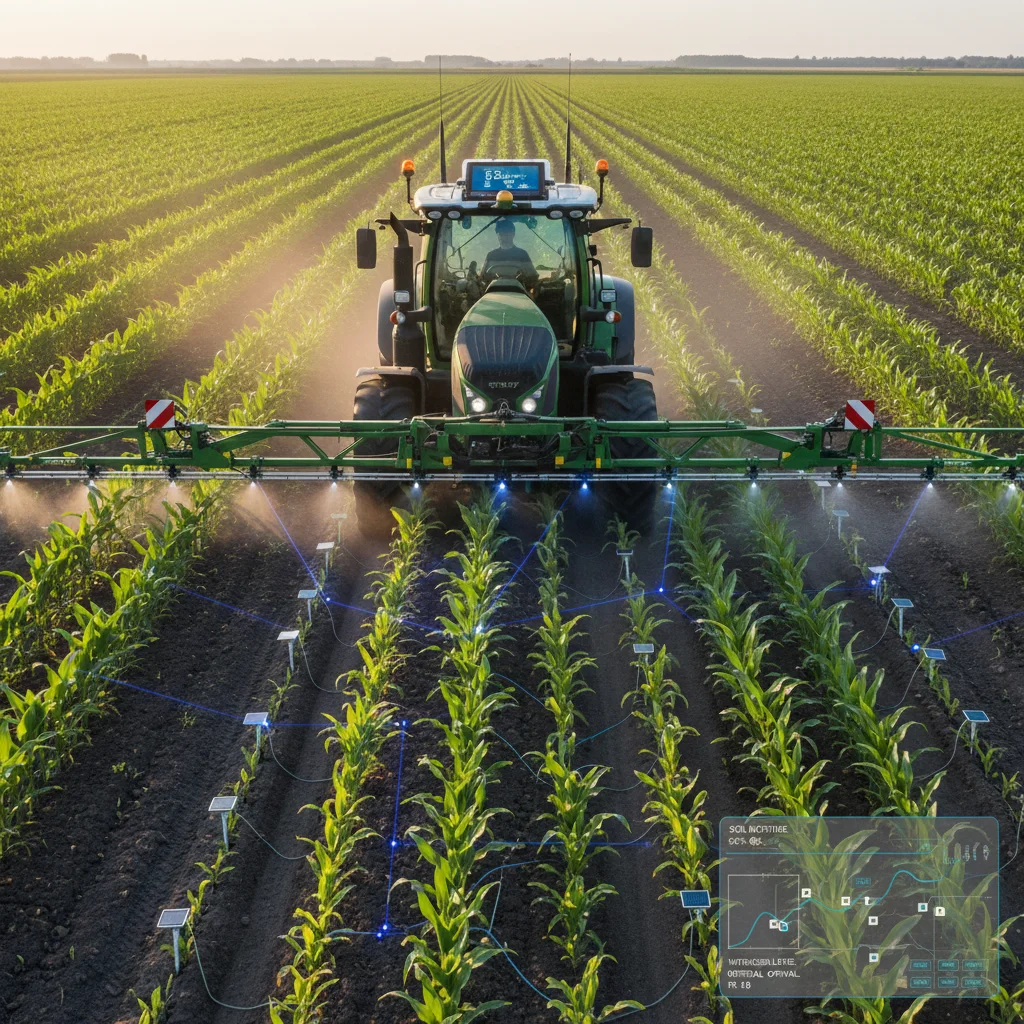
One of the most impactful sustainable agriculture trends gaining significant traction is precision agriculture. This approach leverages advanced technology to observe, measure, and respond to variability in crops, fields, and animal husbandry. Instead of treating an entire field uniformly, precision agriculture allows farmers to apply inputs like water, fertilizer, and pesticides only where and when they are needed. This targeted approach not only reduces waste and costs but also minimizes environmental impact, making it a cornerstone of modern sustainable farming.
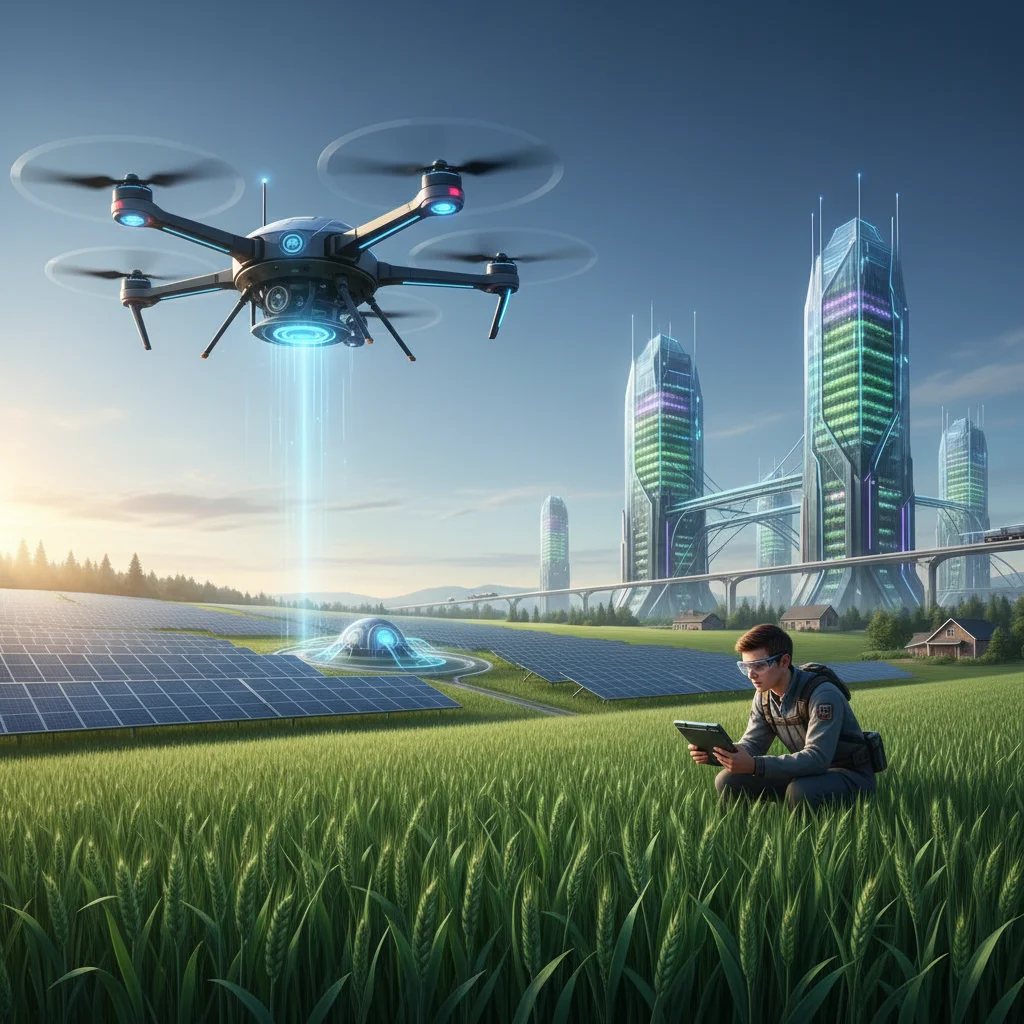
Over the next five years, we anticipate a massive expansion in the adoption of precision agriculture technologies across the U.S. This will be driven by continued advancements in sensors, drones, satellite imagery, and artificial intelligence (AI). Real-time data collection from various sources will provide farmers with an unprecedented level of insight into their operations. Imagine drones equipped with multispectral cameras flying over fields, identifying nutrient deficiencies or disease outbreaks long before they become visible to the human eye. This data, combined with AI-powered analytics, will enable farmers to make highly informed decisions, optimizing everything from planting density to harvest timing.
The economic benefits of precision agriculture are compelling. By reducing the overuse of costly inputs, farmers can significantly improve their profit margins. Furthermore, optimized resource management leads to healthier soils, reduced runoff, and a smaller carbon footprint, aligning perfectly with sustainability goals. The integration of GPS-guided machinery, variable rate technology, and sophisticated farm management software will become increasingly commonplace, transforming traditional farming into a highly scientific and data-driven endeavor.
Challenges remain, particularly concerning the initial investment costs and the need for specialized training. However, as technology becomes more accessible and user-friendly, and as government incentives and educational programs expand, these barriers are expected to diminish. The long-term benefits in terms of environmental stewardship, resource efficiency, and economic viability firmly establish precision agriculture as a leading sustainable agriculture trend.
Regenerative Agriculture: Healing the Earth, One Farm at a Time
Beyond simply sustaining current practices, regenerative agriculture aims to actively improve ecosystem health. This holistic approach focuses on restoring soil health, enhancing biodiversity, improving water cycles, and increasing carbon sequestration. Unlike conventional agriculture that often depletes soil and natural resources, regenerative practices work with nature to build resilient and productive farming systems. This is arguably one of the most critical sustainable agriculture trends for mitigating climate change and ensuring long-term food security.
Key practices within regenerative agriculture include no-till or minimal tillage, cover cropping, diverse crop rotations, integrated livestock grazing, and reduced synthetic input use. No-till farming, for example, minimizes soil disturbance, preserving soil structure, organic matter, and beneficial microbial life. Cover crops, planted between cash crops, protect the soil from erosion, suppress weeds, and add organic matter. Diverse crop rotations break pest and disease cycles and improve nutrient cycling. The integration of livestock, managed properly, can enhance soil fertility and biodiversity through natural grazing and manure distribution.
The next five years will see a substantial increase in the adoption of regenerative agriculture across the U.S., driven by growing scientific evidence of its benefits and increasing demand from consumers for regeneratively produced food. Major food companies are beginning to invest in and incentivize regenerative practices within their supply chains, recognizing the long-term sustainability and marketing advantages. Farmers are also discovering the economic benefits, including reduced input costs, increased drought resilience, and enhanced crop yields over time.
Policy support, such as conservation programs and carbon credit markets, will play a crucial role in accelerating this transition. Education and outreach initiatives will also be vital in disseminating knowledge and best practices among farmers. While the shift to regenerative agriculture can be complex and requires a new mindset, the promise of healthier soils, cleaner water, and a more stable climate positions it as a transformative sustainable agriculture trend.
Controlled Environment Agriculture (CEA): Vertical Farms and Greenhouses Redefining Local Food
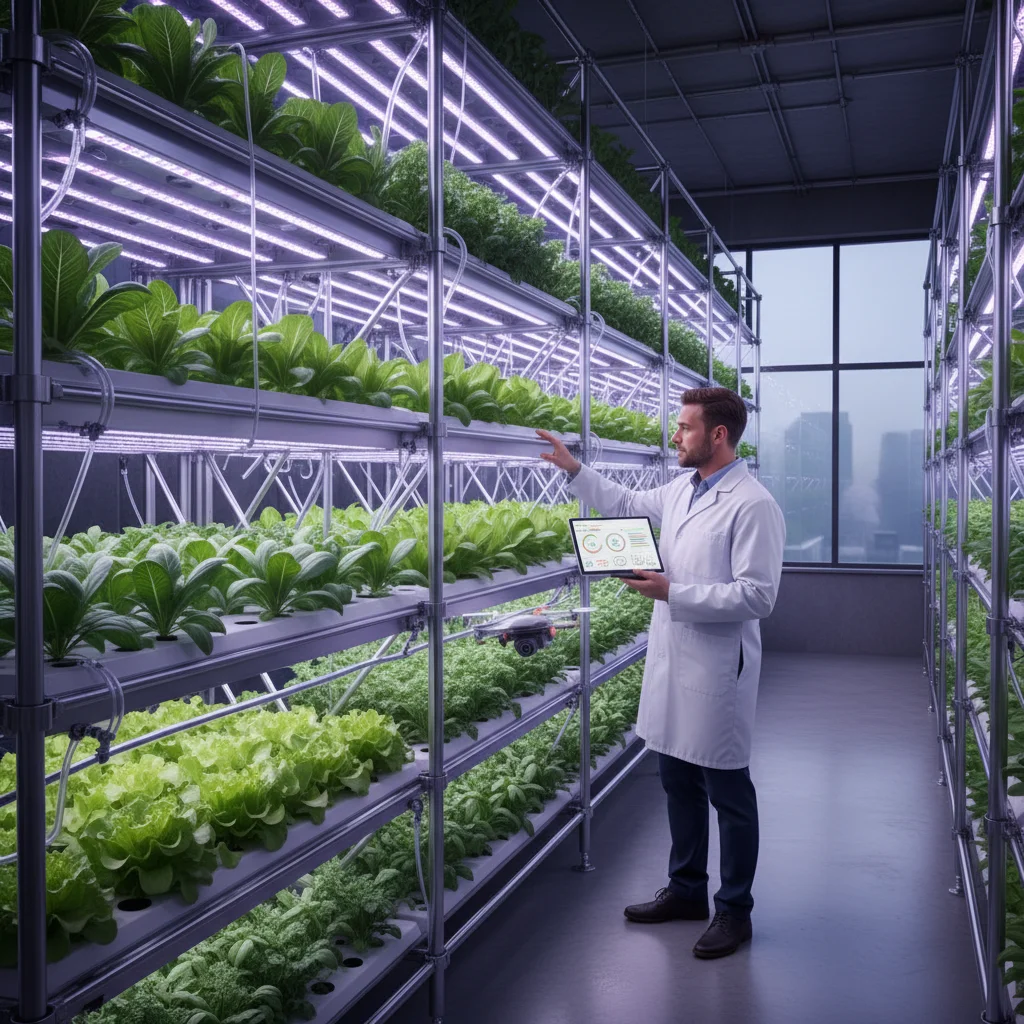
Controlled Environment Agriculture (CEA), encompassing vertical farms, greenhouses, and other indoor growing systems, represents another rapidly expanding sustainable agriculture trend. These systems allow for year-round production regardless of external climate conditions, often in urban or peri-urban areas, significantly reducing transportation costs and emissions. CEA minimizes land and water usage, making it an incredibly efficient and sustainable method of food production.
Vertical farms, in particular, are gaining prominence. These multi-layered indoor farms grow crops in vertically stacked layers, often using hydroponics, aeroponics, or aquaponics systems. They consume up to 95% less water than traditional field farming and eliminate the need for pesticides and herbicides. By locating farms closer to consumers, the concept of ‘farm-to-fork’ becomes even more literal, offering fresher produce with a longer shelf life and a significantly reduced carbon footprint from transportation.
Over the next five years, we anticipate a surge in investment and expansion of CEA facilities across the U.S. Advances in LED lighting technology, automation, and artificial intelligence are making these systems more energy-efficient and economically viable. AI algorithms can optimize light spectrums, nutrient delivery, and climate conditions to maximize growth and yield. Robotics are increasingly being used for planting, harvesting, and packaging, reducing labor costs and increasing operational efficiency.
While the focus has primarily been on high-value crops like leafy greens and herbs, research is expanding into growing other produce, including berries and even some root vegetables, within CEA environments. The ability to control every aspect of the growing environment also allows for consistent quality and predictable yields, which are highly attractive to retailers and consumers alike. As urban populations continue to grow, CEA will become an increasingly vital component of local food systems and a key sustainable agriculture trend.
Biotechnology and Gene Editing: Enhancing Crop Resilience and Nutritional Value
The role of biotechnology, particularly advanced gene editing techniques like CRISPR, is poised to become an even more significant sustainable agriculture trend in the coming years. These technologies offer unprecedented precision in modifying crops to enhance desirable traits, such as increased yield, improved nutritional content, disease resistance, and resilience to environmental stressors like drought and salinity.
Unlike older methods of genetic modification that involved introducing foreign DNA, gene editing allows scientists to make precise changes to a plant’s existing DNA, often mimicking natural mutations. This precision reduces the time and resources required for traditional breeding programs, accelerating the development of crops better suited to a changing climate and evolving agricultural demands. For instance, gene-edited crops could be developed to be more resistant to specific pests or diseases, thereby reducing the need for chemical pesticides. This directly contributes to environmental sustainability and reduces farmers’ operational costs.
Over the next five years, we can expect to see more gene-edited crops making their way to market, particularly those designed to address critical agricultural challenges. Research is actively exploring how gene editing can improve the nutritional profile of staple crops, making food more nutritious and addressing global hidden hunger. Furthermore, enhancing a crop’s ability to withstand drought or extreme temperatures will be vital for maintaining food security in increasingly volatile climates.
Public perception and regulatory frameworks will continue to be important factors influencing the adoption of these technologies. However, as the benefits become clearer and the scientific understanding of their safety and efficacy grows, biotechnology is set to become an indispensable tool in the sustainable agriculture arsenal, addressing both productivity and environmental goals.
Agri-Food Tech Innovation: Automation, AI, and IoT Transforming the Farm
The broader category of agri-food tech innovation is a driving force behind many sustainable agriculture trends. This encompasses a wide array of technological advancements, including automation, artificial intelligence (AI), machine learning (ML), and the Internet of Things (IoT), all designed to make farming more efficient, productive, and sustainable.
Automation is rapidly transforming labor-intensive tasks. Robotic systems are being developed for everything from automated seeding and weeding to harvesting delicate crops. This not only addresses labor shortages in agriculture but also allows for more precise and consistent operations, reducing waste and improving crop quality. AI and ML algorithms are processing vast amounts of data from sensors, satellites, and drones to provide predictive analytics for weather patterns, pest outbreaks, and crop yields. This enables farmers to make proactive decisions, optimizing resource allocation and minimizing risks.
The Internet of Things (IoT) connects various devices and sensors across the farm, creating a network of real-time data. Soil moisture sensors, weather stations, and even individual plant monitors feed information into centralized systems, allowing for granular control over irrigation, fertilization, and pest management. Smart irrigation systems, for example, can precisely deliver water only when and where it’s needed, conserving this precious resource.
In the next five years, we will see these technologies become more integrated and sophisticated. The development of autonomous farm equipment, capable of performing complex tasks with minimal human intervention, will advance significantly. AI-powered decision support systems will become more intuitive and accessible, even for smaller farms. This wave of agri-food tech innovation is not just about making farming easier; it’s about making it smarter, more resilient, and inherently more sustainable, cementing its place as a pivotal sustainable agriculture trend.
Alternative Proteins and Novel Foods: Diversifying Our Food Sources
While not strictly a farming practice, the emergence and rapid growth of alternative proteins and novel foods represent a significant sustainable agriculture trend that will profoundly impact the U.S. food system. As concerns about the environmental footprint of conventional animal agriculture grow, and as consumer preferences shift, plant-based meats, lab-grown (cultivated) meat, and insect-based proteins are gaining traction.
Plant-based alternatives, made from ingredients like soy, peas, and mushrooms, have already moved from niche markets to mainstream grocery stores and restaurant menus. The next five years will see continued innovation in this space, with new ingredients, improved textures, and enhanced flavors driving further adoption. These alternatives generally require significantly less land, water, and emit fewer greenhouse gases compared to traditional meat production.
Cultivated meat, produced by growing animal cells in a bioreactor, offers the promise of real meat without the need for raising and slaughtering animals. While currently expensive and in early stages of commercialization, rapid advancements in cellular agriculture technology are expected to bring down costs and scale production over the next five years. Regulatory approvals and consumer acceptance will be key hurdles, but the potential for a drastically reduced environmental impact is immense.
Insect-based proteins, already a staple in many parts of the world, are slowly gaining acceptance in the U.S., primarily in feed for livestock and aquaculture, but also in some human food products. Insects are highly efficient at converting feed into protein, requiring minimal resources. As awareness of their nutritional and environmental benefits grows, they could become a more visible part of the sustainable food landscape.
The diversification of protein sources is crucial for creating a more resilient and sustainable food system. It reduces reliance on a single type of agriculture, frees up land for other uses, and can significantly lower the environmental burden of our diets. This sustainable agriculture trend is not just about what we eat, but how that food is produced and its impact on the planet.
Water Management and Conservation: Essential for Arid Futures
Water scarcity is an escalating global crisis, and the U.S. agricultural sector, a major water consumer, is at the forefront of addressing this challenge. Consequently, advanced water management and conservation techniques are becoming paramount sustainable agriculture trends. The next five years will witness an intensified focus on optimizing water use through a combination of technology, infrastructure improvements, and policy changes.
Drip irrigation and micro-irrigation systems, which deliver water directly to the plant roots, significantly reduce water waste compared to traditional flood or sprinkler irrigation. These systems will become even more sophisticated with the integration of IoT sensors that monitor soil moisture levels and plant water needs in real-time, allowing for highly precise and adaptive irrigation schedules. AI will play a role in predicting optimal irrigation times based on weather forecasts, crop type, and soil conditions.
Beyond the farm gate, investments in water infrastructure, such as efficient conveyance systems and water recycling plants, will be critical. The development and adoption of drought-resistant crop varieties through conventional breeding and biotechnology will also contribute significantly to water conservation. Furthermore, regenerative agriculture practices, by improving soil organic matter, enhance the soil’s water-holding capacity, making farms more resilient to drought.
Policy incentives for water-efficient technologies and practices will encourage broader adoption. Water trading markets and improved water rights management could also emerge as tools to ensure equitable and efficient water distribution. The imperative to conserve water in the face of climate change and population growth ensures that intelligent water management will remain a top sustainable agriculture trend.
The Role of Policy and Consumer Demand in Accelerating Change
The widespread adoption of these sustainable agriculture trends is not solely dependent on technological innovation; it also hinges significantly on supportive policies and evolving consumer demand. Government policies, at both federal and state levels, can provide crucial incentives, funding for research and development, and regulatory frameworks that encourage sustainable practices.
Over the next five years, we can anticipate increased government investment in conservation programs, grants for adopting sustainable technologies, and subsidies that reward environmentally friendly farming. Carbon credit markets, where farmers can earn income for sequestering carbon in their soils, are also likely to expand, providing a direct financial incentive for regenerative practices. Clearer labeling standards for sustainable products will empower consumers to make informed choices, further driving demand.
Consumer demand is a powerful catalyst. A growing segment of the population is willing to pay a premium for food that is produced sustainably, ethically, and with transparency. This demand is pushing food retailers and manufacturers to source ingredients from farms that adhere to sustainable practices. Social media and increased access to information have made consumers more aware of the environmental and social impacts of their food choices, creating a feedback loop that encourages the industry to adapt.
Collaborations between farmers, researchers, policymakers, and food companies will be essential in overcoming challenges and accelerating the transition to a more sustainable food system. Education and outreach campaigns will be vital in informing both farmers about best practices and consumers about the benefits of sustainable food. This interplay of policy and consumer preference will be instrumental in solidifying these sustainable agriculture trends as the new norm.
Challenges and Opportunities on the Road Ahead
While the future of sustainable agriculture in the U.S. looks promising, it is not without its challenges. The initial capital investment for many new technologies can be significant, posing a barrier for smaller farms. The learning curve associated with adopting new practices, such as precision agriculture or regenerative techniques, requires training and support. Furthermore, overcoming ingrained conventional agricultural mindsets and practices will take time and consistent effort.
However, these challenges also present significant opportunities. The agri-food tech sector is booming, attracting substantial investment and fostering innovation. This creates new job opportunities in areas like data science, robotics, and environmental consulting for agriculture. The demand for sustainably produced food is opening new markets and premium pricing opportunities for farmers who embrace these trends.
Moreover, the resilience built into sustainable farming systems offers long-term stability in the face of climate change and economic volatility. Healthier soils are more productive and less susceptible to erosion and drought. Reduced reliance on external inputs makes farms less vulnerable to supply chain disruptions and price fluctuations. These benefits translate into greater food security and a more robust agricultural economy for the nation.
Conclusion: A Sustainable Future for U.S. Agriculture
The next five years will be a pivotal period for sustainable agriculture trends in the U.S. From the data-driven optimization of precision agriculture and the ecological restoration of regenerative farming to the urban integration of controlled environment agriculture and the scientific advancements of biotechnology, the landscape of food production is undergoing a profound and necessary evolution. These trends, supported by a growing wave of agri-food tech innovation, are not merely incremental changes but fundamental shifts towards a more resilient, efficient, and environmentally responsible food system.
The convergence of urgent environmental concerns, technological breakthroughs, and an increasingly conscious consumer base is creating an undeniable momentum. While challenges in adoption, investment, and education remain, the opportunities for economic growth, environmental stewardship, and enhanced food security are immense. For farmers, this means adapting to new technologies and practices. For consumers, it means more choices for healthy, sustainably produced food. For policymakers, it means crafting supportive frameworks that accelerate this transition.
The future of food in the U.S. is intrinsically linked to the success of these sustainable agriculture trends. By embracing these innovations and fostering a collaborative environment, we can cultivate a future where agriculture not only feeds a growing population but also heals the planet, ensuring a vibrant and secure food supply for generations to come. The time for action is now, and the trajectory is clear: sustainable agriculture is not just a trend; it is the imperative for our collective future.
Matheus Neiva has a degree in Communication and a specialization in Digital Marketing. Working as a writer, he dedicates himself to researching and creating informative content, always seeking to convey information clearly and accurately to the public.