The Future of Work in 2026: 5 Key Trends Reshaping U.S. Employment (Recent Updates, Insider Knowledge)
The landscape of work in the United States is undergoing a seismic shift, driven by technological advancements, evolving societal values, and unprecedented global events. As we look towards 2026, understanding these transformations is not merely an academic exercise; it’s a critical imperative for businesses, policymakers, and individual professionals aiming to thrive in the coming years. The future work trends are not just predictions; they are already in motion, shaping how we learn, earn, and interact within the professional sphere.
This comprehensive analysis delves into five pivotal trends that are poised to redefine the U.S. employment landscape by 2026. We’ll explore the profound impact of artificial intelligence, the continued expansion of the gig economy, the solidification of hybrid and remote work models, the widening skills gap, and the increasing importance of ethical technology and human-centric design. Packed with recent updates and insider knowledge, this article aims to provide a robust framework for navigating the complexities and opportunities presented by these transformative future work trends.
1. The Ascendancy of AI and Automation: Redefining Roles and Productivity
Artificial intelligence (AI) and automation are no longer futuristic concepts; they are embedded realities in today’s workplace, and their influence will only intensify by 2026. Far from merely replacing human jobs, AI is fundamentally reshaping them, augmenting human capabilities, and creating entirely new roles. The impact of these future work trends on productivity, efficiency, and the very nature of tasks is profound.
Recent Updates and Insider Knowledge:
- Generative AI’s Explosion: The past year has seen an unprecedented surge in generative AI tools (e.g., ChatGPT, DALL-E). By 2026, these tools will be commonplace, not just for content creation but for coding assistance, data analysis, personalized learning, and even strategic decision-making. Companies are already integrating these tools to automate routine tasks, freeing up human workers for more complex, creative, and strategic endeavors.
- AI as a Co-Worker: Expect to see AI transition from a mere tool to a collaborative co-worker. AI-powered assistants will manage schedules, draft communications, analyze market trends, and provide real-time insights, making human workers significantly more efficient. This requires a new paradigm of human-AI collaboration, where understanding AI’s capabilities and limitations becomes a core competency.
- Demand for AI-Fluent Professionals: The demand for AI specialists (data scientists, machine learning engineers) will continue to soar. However, an even broader demand will emerge for professionals across all sectors who are ‘AI-fluent’ – those who can effectively leverage AI tools, interpret AI outputs, and understand the ethical implications of AI deployment. This is a critical component of the evolving future work trends.
- Ethical AI Development: As AI becomes more pervasive, the focus on ethical AI development and deployment will be paramount. Companies will invest more in AI ethics committees, bias detection tools, and transparent AI systems to ensure fairness, accountability, and privacy.
Impact on Employment: While some routine, repetitive jobs will be automated, the net effect is likely to be a transformation rather than a mass displacement. New jobs will emerge in AI development, maintenance, ethics, and human-AI interaction. Workers will need to adapt by acquiring skills that complement AI, such as critical thinking, creativity, emotional intelligence, and complex problem-solving – skills that AI currently struggles to replicate.
2. The Gig Economy’s Maturation: Flexibility, Specialization, and Regulation
The gig economy, once seen as a fringe phenomenon, has firmly established itself as a significant component of the U.S. labor market. By 2026, it will mature further, characterized by greater specialization, increased demand for high-skill independent contractors, and evolving regulatory frameworks. This is one of the most impactful future work trends for how businesses structure their talent pools.
Recent Updates and Insider Knowledge:
- High-Skill Gigging: The gig economy is moving beyond ride-sharing and delivery into highly specialized fields. We’re seeing a rise in ‘knowledge-based gigging’ where professionals in IT, marketing, finance, legal, and consulting offer their expertise on a project basis. Companies are increasingly turning to these skilled freelancers for specific expertise without the overhead of full-time employment.
- Platform Proliferation: Beyond major platforms, niche platforms catering to specific industries and skill sets will proliferate. These platforms will offer curated talent pools, better matching algorithms, and specialized tools for managing projects and payments, making it easier for both businesses and gig workers to connect.
- The Blurring Lines of Employment: The legal and regulatory landscape surrounding gig work will continue to evolve. States and the federal government are grappling with how to classify gig workers – as employees or independent contractors – impacting benefits, taxes, and worker protections. By 2026, we can expect more clarity and potentially new hybrid classifications that offer some benefits without full employment status.
- Gig Worker Benefits and Protections: To attract and retain top talent, platforms and even some forward-thinking companies are exploring offering gig workers access to portable benefits (e.g., health insurance, retirement plans) and better protections, addressing a key vulnerability of this work model.
Impact on Employment: The gig economy offers unparalleled flexibility for workers and agility for businesses. It allows companies to scale talent up or down quickly and access specialized skills on demand. For individuals, it provides autonomy and diverse income streams but also requires self-discipline, entrepreneurial spirit, and a proactive approach to managing finances and benefits. Navigating this trend is crucial for understanding future work trends.
3. Hybrid and Remote Work as the New Standard: The Evolution of the Workplace
The pandemic accelerated the adoption of remote work, and by 2026, hybrid work models – a blend of in-office and remote work – will solidify as the dominant paradigm for many knowledge-based industries. Full-time remote work will also remain a strong option, driven by improved technology and a re-evaluation of work-life balance. This is a fundamental shift in how and where work gets done, profoundly influencing future work trends.
Recent Updates and Insider Knowledge:
- Optimizing Hybrid Models: Companies are moving beyond ad-hoc remote arrangements to strategically design hybrid models. This includes defining clear purposes for in-office days (collaboration, team building, innovation) versus remote days (focused work, individual tasks). The goal is to maximize the benefits of both environments.
- Investment in Digital Infrastructure: Expect continued heavy investment in collaboration tools, cybersecurity for remote access, and virtual reality/augmented reality (VR/AR) technologies that create more immersive remote meeting experiences. Digital headquarters are becoming as important as physical ones.
- Redesigning Office Spaces: Physical office spaces are being reimagined. Instead of rows of individual desks, offices are transforming into hubs for collaboration, creativity, and social connection – with more meeting rooms, flexible workspaces, and amenities that encourage in-person interaction.
- Focus on Asynchronous Communication: With distributed teams, there’s a growing emphasis on asynchronous communication (e.g., project management tools, shared documents) to reduce reliance on real-time meetings and accommodate different time zones and work styles.
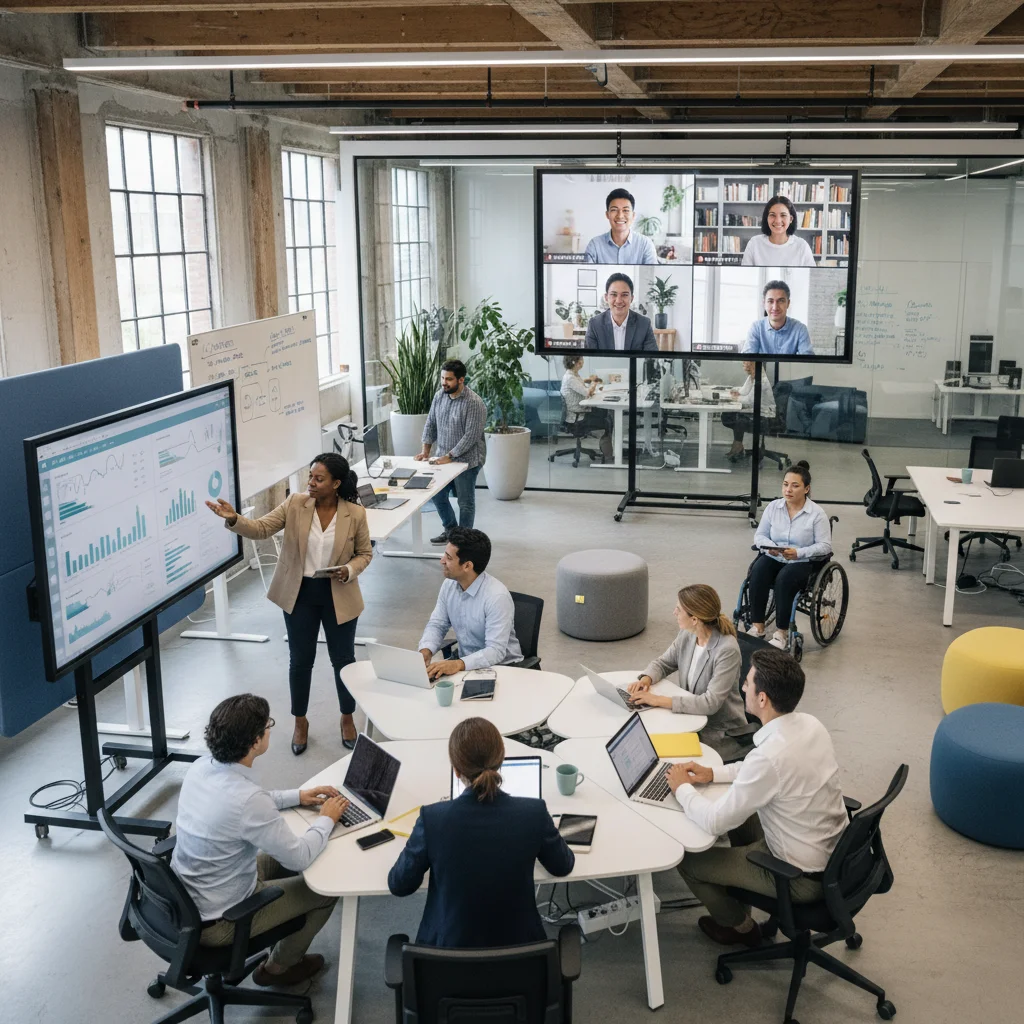
Impact on Employment: Hybrid and remote work offer increased geographic flexibility, allowing companies to tap into a wider talent pool and employees to achieve better work-life integration. However, it also presents challenges in maintaining company culture, fostering informal mentorship, and ensuring equitable opportunities for career advancement for both in-office and remote workers. Leaders must become adept at managing distributed teams and fostering inclusivity, a key aspect of adapting to future work trends.
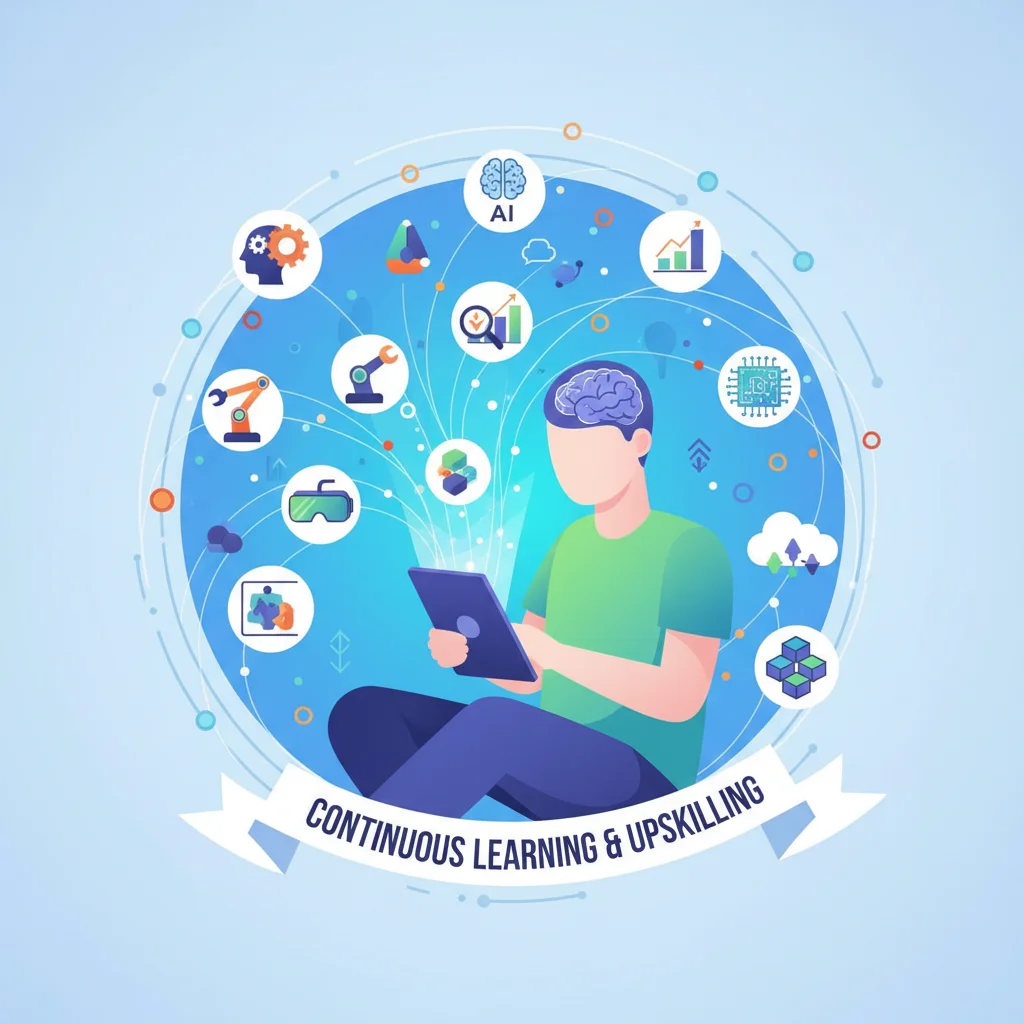
4. The Widening Skills Gap and the Imperative of Continuous Learning
The rapid pace of technological change means that skills quickly become obsolete, leading to a widening gap between the skills workers possess and the skills employers need. By 2026, continuous learning, upskilling, and reskilling will not just be beneficial but absolutely essential for both individual career longevity and organizational competitiveness. Addressing the skills gap is a core challenge within the future work trends.
Recent Updates and Insider Knowledge:
- In-Demand Skills: The most sought-after skills will include advanced digital literacy (data analytics, cybersecurity, AI literacy), critical thinking, complex problem-solving, creativity, emotional intelligence, adaptability, and cross-functional collaboration. Soft skills are increasingly becoming ‘power skills.’
- Employer-Led Training Initiatives: Companies are increasingly investing in internal training programs, partnerships with educational institutions, and providing access to online learning platforms (e.g., Coursera, edX, LinkedIn Learning) to upskill their existing workforce. This is often more cost-effective than constantly hiring new talent.
- Micro-credentials and Stackable Qualifications: Traditional degrees remain valuable, but there’s a growing recognition of micro-credentials, certifications, and bootcamps that offer targeted, in-demand skills. These ‘stackable’ qualifications allow individuals to continuously update their skill sets without committing to lengthy degree programs.
- Government and Industry Collaboration: Governments are increasingly partnering with industries and educational institutions to develop workforce development programs that align with future job market needs, especially in areas like green energy, advanced manufacturing, and tech.
Impact on Employment: For individuals, embracing a mindset of lifelong learning is paramount. Those who proactively acquire new skills will remain competitive and relevant. For businesses, a failure to address the skills gap will lead to talent shortages, reduced innovation, and decreased productivity. Investing in human capital development is a strategic imperative to navigate these future work trends.
5. Ethical Technology and Human-Centric Design: Prioritizing Well-being and Trust
As technology becomes more integrated into every facet of work, concerns around privacy, data security, algorithmic bias, and employee well-being are escalating. By 2026, companies that prioritize ethical technology development and human-centric design in their workplace tools and policies will gain a significant competitive advantage in attracting and retaining talent. This focus on values is a crucial element of the evolving future work trends.
Recent Updates and Insider Knowledge:
- Data Privacy and Transparency: Employees are becoming more aware and concerned about how their data (performance metrics, communications) is collected and used by employers. Companies will need to be transparent about data practices and ensure robust privacy protections to build trust.
- Combating Algorithmic Bias: AI algorithms used in hiring, performance evaluations, and even scheduling can perpetuate or amplify existing biases. There’s a growing movement to audit AI systems for bias, develop fair algorithms, and ensure human oversight in critical decision-making processes.
- Well-being Technology: Paradoxically, technology is also being leveraged to support employee well-being. This includes apps for mental health support, tools for managing digital overload, and platforms that promote work-life balance. Companies are realizing that employee well-being directly impacts productivity and retention.
- Human-in-the-Loop Systems: While automation increases, the concept of ‘human-in-the-loop’ systems will gain traction. This ensures that critical decisions, especially those with ethical implications, always involve human judgment and oversight, preventing over-reliance on potentially flawed AI.
Impact on Employment: Employees are increasingly seeking workplaces that align with their values and prioritize their well-being. Companies with strong ethical technology frameworks and a commitment to human-centric design will be seen as more desirable employers. This trend also creates new roles in AI ethics, privacy compliance, and digital well-being specialists, further shaping the future work trends.
Navigating the Future: Strategies for Success
Understanding these five future work trends is the first step; the next is developing actionable strategies to adapt and thrive. For businesses, this means fostering a culture of continuous learning, investing in adaptable technology, reimagining talent acquisition and management, and embedding ethical considerations into all technological deployments. For individuals, it means embracing lifelong learning, developing a diverse skill set, cultivating adaptability, and actively seeking roles that align with their values and offer opportunities for growth.
The U.S. employment landscape in 2026 will be dynamic, challenging, and filled with unprecedented opportunities. By proactively engaging with these transformative future work trends, businesses and professionals can not only navigate the changes but also emerge stronger, more resilient, and more innovative than ever before.
Key Takeaways for Businesses:
- Invest in AI Literacy: Train your workforce to effectively use and collaborate with AI tools.
- Embrace Flexible Work: Develop robust hybrid or remote work policies and invest in supporting infrastructure.
- Prioritize Upskilling: Create internal programs and provide access to external resources for continuous employee development.
- Strategic Gig Integration: Understand how to leverage the specialized skills of independent contractors effectively.
- Champion Ethical Tech: Implement transparent data practices and ensure human oversight in AI-driven processes.
Key Takeaways for Professionals:
- Become AI-Fluent: Learn how to use and understand generative AI and other AI tools relevant to your field.
- Cultivate Power Skills: Focus on critical thinking, creativity, emotional intelligence, and adaptability.
- Embrace Lifelong Learning: Continuously acquire new skills through micro-credentials, online courses, and professional development.
- Build Your Network: Connect with peers and mentors in both traditional and gig economy contexts.
- Advocate for Well-being: Seek out employers who prioritize ethical tech and employee well-being.
The journey towards 2026 will be one of constant evolution. By staying informed about these critical future work trends and proactively adapting, we can collectively shape a more productive, equitable, and fulfilling future of work for all.