Great Resignation’s Lingering Social Effects: US Companies Adapting in 2026
The Great Resignation continues to shape the US labor landscape. This post delves into its lingering social effects and highlights how companies are proactively adapting in early 2026 to build more resilient and attractive work environments.
By: Emilly Correa on March 18, 2026
Last updated on: July 28, 2026
The Great Resignation’s Lingering Social Effects: How US Companies are Adapting in Early 2026
The Great Resignation’s Lingering Social Effects: How US Companies are Adapting in Early 2026
The echoes of the Great Resignation, a phenomenon that saw millions of American workers voluntarily leave their jobs starting in 2021, continue to reverberate through the US labor market. While the initial surge of departures has subsided, its social effects are far from over. In early 2026, companies across the United States are still grappling with the profound shifts in employee expectations, work culture, and the very definition of a meaningful career. This article delves into the persistent social impacts of this monumental workforce recalibration and explores the innovative ways US companies are adapting to forge a more sustainable and attractive future of work.
The Great Resignation wasn’t merely a statistical anomaly; it was a societal awakening, a collective re-evaluation of priorities that left an indelible mark on the employer-employee relationship. It forced organizations to confront long-standing issues such as burnout, inadequate compensation, lack of flexibility, and a perceived absence of purpose. As we navigate 2026, the challenge for companies isn’t just about filling vacancies, but about fundamentally reimagining their operational models and cultural frameworks to align with the evolved demands of the modern workforce. Understanding the Great Resignation Effects is crucial for any business aiming for long-term success and employee satisfaction.
The Enduring Social Fabric of the Great Resignation
The initial wave of the Great Resignation was characterized by a push for better pay, improved work-life balance, and a desire for more meaningful work. However, as we stand in early 2026, the social effects have deepened and diversified. What began as individual decisions has coalesced into broader societal trends that redefine professional identity and collective aspirations.
A Shifting Definition of “Work-Life Balance”
One of the most significant and lasting Great Resignation Effects is the redefinition of work-life balance. It’s no longer just about having enough time off; it’s about seamless integration of personal and professional lives, with a strong emphasis on mental well-being. Employees now expect employers to actively support their holistic health, understanding that a healthy individual is a productive one. This includes access to mental health resources, flexible scheduling, and a culture that discourages overwork.
For many, the pandemic highlighted the fragility of traditional boundaries between work and home. The ability to work remotely, or at least have hybrid options, has become a non-negotiable for a significant portion of the workforce. Companies that fail to offer this flexibility often find themselves at a severe disadvantage in attracting and retaining top talent. The social contract has shifted, placing greater value on personal autonomy and well-being as integral components of job satisfaction.
The Quest for Purpose and Meaningful Work
Beyond compensation, the Great Resignation underscored a profound yearning for purpose. Workers, particularly younger generations, are increasingly seeking roles that align with their values and contribute positively to society. This isn’t a luxury; it’s a fundamental expectation that influences career choices. Companies are discovering that a strong mission, transparent ethical practices, and opportunities for employees to contribute to social good are powerful attractors.
The social effects here are evident in the decline of ‘quiet quitting’ – a passive disengagement where employees do the bare minimum – and a rise in ‘loud advocacy,’ where employees actively seek out and champion companies that embody their values. Organizations that can articulate a compelling purpose and demonstrate its embodiment in their daily operations are better positioned to foster loyalty and engagement.
Erosion of Traditional Loyalty and the Rise of “Portfolio Careers”
The concept of lifelong employment with a single company has largely faded. The Great Resignation accelerated this trend, demonstrating that employees are willing to change jobs frequently in pursuit of better opportunities, greater flexibility, or a more aligned work environment. This has led to a rise in what some call “portfolio careers,” where individuals leverage a diverse set of skills across multiple roles or projects, often through freelancing or contract work.
This erosion of traditional loyalty presents a challenge for companies seeking to build stable, long-term teams. However, it also creates opportunities for organizations to engage with talent in new ways, embracing project-based work, a contingent workforce, and focusing on creating such compelling internal experiences that employees choose to stay, not out of obligation, but out of genuine satisfaction and growth opportunities.
US Companies’ Adaptive Strategies in Early 2026
In response to these enduring Great Resignation Effects, US companies are not standing still. Early 2026 is seeing a surge in innovative strategies aimed at not just attracting but, more importantly, retaining talent in this new landscape. These adaptations touch every aspect of the employee lifecycle, from recruitment to development and offboarding.
Embracing and Optimizing Hybrid Work Models
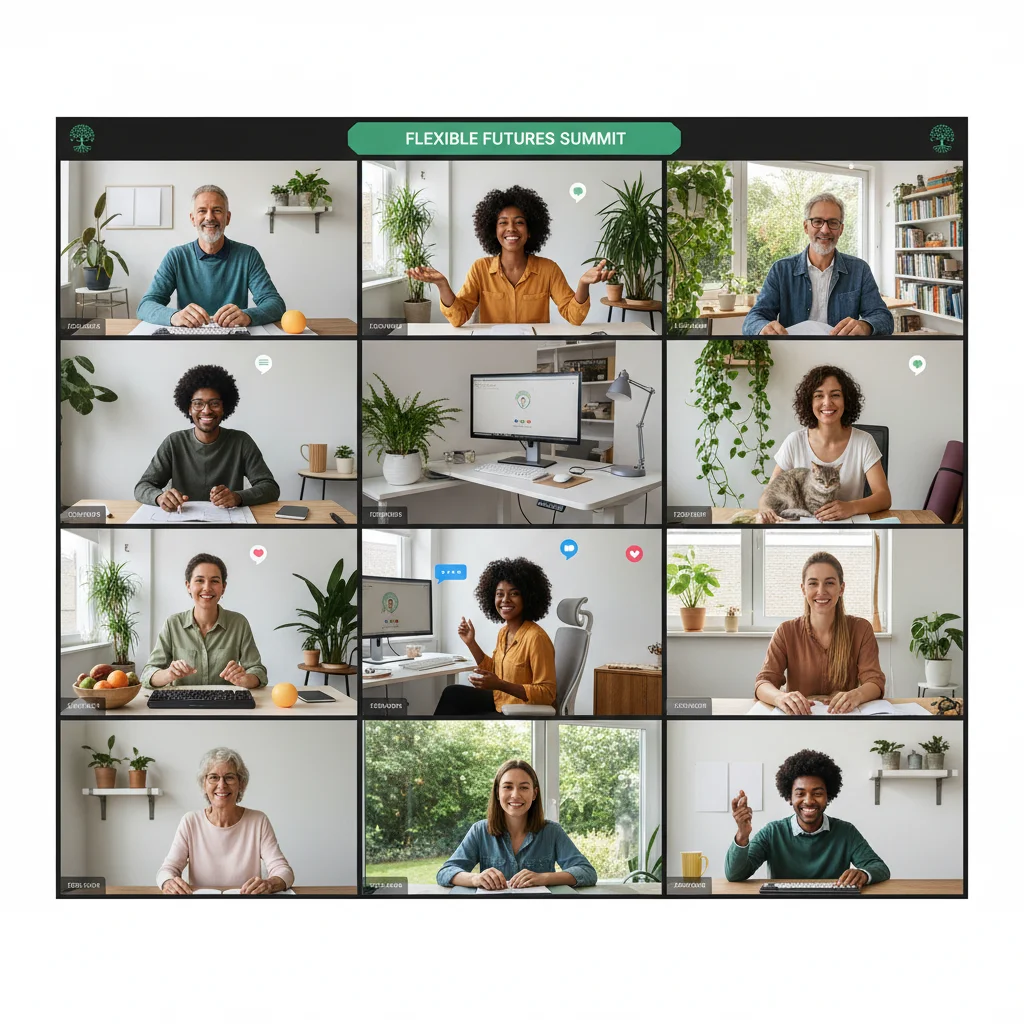
The debate over remote vs. in-office work has largely settled into an embrace of hybrid work models. Companies are no longer just offering hybrid work; they are actively optimizing it. This involves investing in superior collaboration tools, designing office spaces that facilitate connection and innovation rather than just individual work, and training managers to effectively lead distributed teams. The focus is on creating a seamless experience, whether employees are physically together or geographically dispersed.
Furthermore, companies are experimenting with dynamic scheduling, allowing teams to coordinate their in-office days for maximum impact, often dedicating specific days for collaborative projects and others for focused individual work. This strategic approach to hybrid work acknowledges that flexibility is key, but so is maintaining a strong organizational culture and fostering genuine connections among colleagues.
Prioritizing Employee Well-being and Mental Health
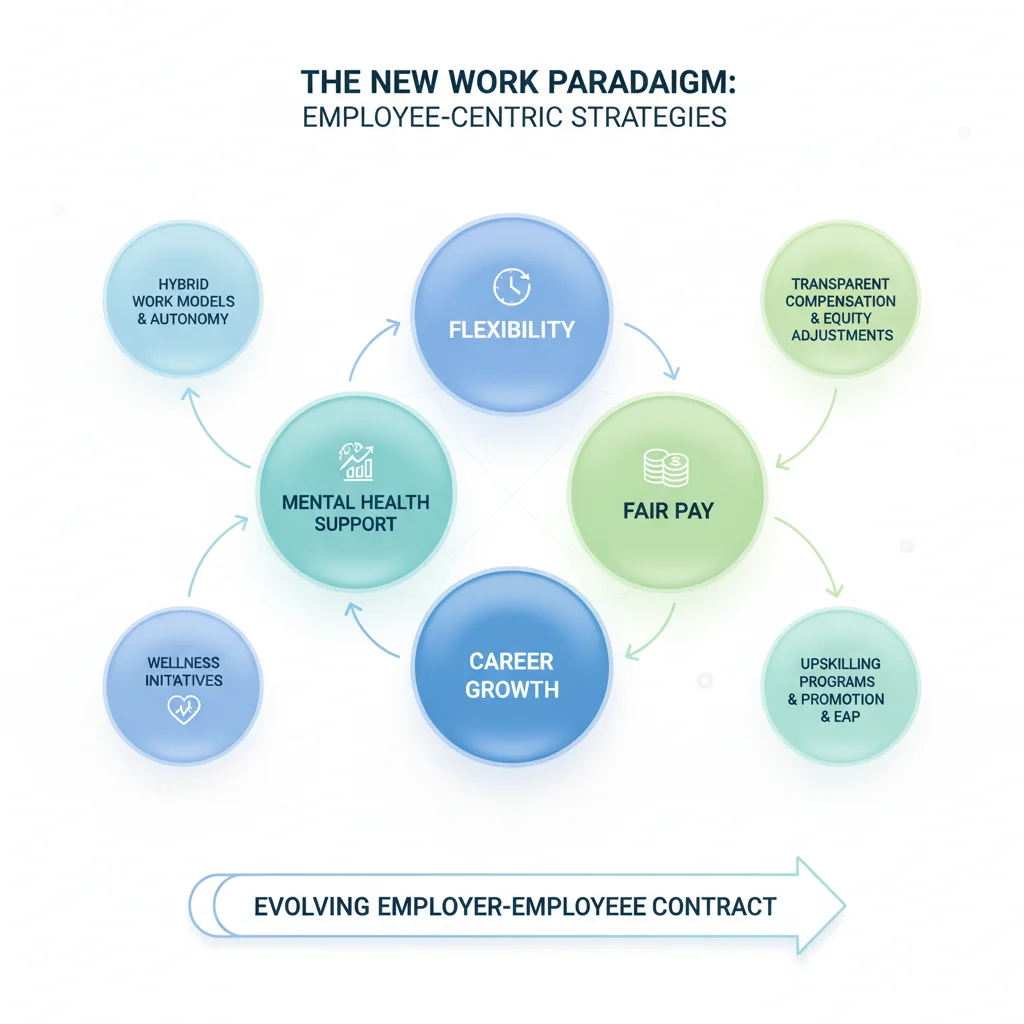
Mental health support has moved from a fringe benefit to a core component of employee value propositions. In 2026, US companies are expanding access to therapy, counseling services, and mental health days. They are also implementing proactive well-being programs, including mindfulness training, stress management workshops, and initiatives that promote physical health, recognizing the interconnectedness of mind and body.
Beyond services, there’s a growing emphasis on creating a culture that de-stigmatizes mental health challenges. Leaders are being trained to recognize signs of burnout, foster open communication, and encourage employees to prioritize their well-being without fear of reprisal. This cultural shift is one of the most profound Great Resignation Effects, transforming how employers view their responsibility towards their workforce.
Investing in Upskilling, Reskilling, and Career Development
To combat the desire for growth and purpose, companies are significantly increasing their investment in employee development. This includes robust internal training programs, tuition reimbursement, access to online learning platforms, and clear pathways for career progression. The idea is to empower employees to acquire new skills, adapt to evolving job requirements, and see a viable future within the organization.
This focus on internal mobility and continuous learning serves a dual purpose: it boosts employee engagement and loyalty, and it helps companies build a more resilient and adaptable workforce capable of navigating rapid technological and economic changes. It’s a proactive measure against future talent shortages and a direct response to the workforce’s demand for growth.
Rethinking Compensation and Benefits Beyond Salary
While competitive salaries remain crucial, companies are innovating their compensation and benefits packages to address the broader needs highlighted by the Great Resignation. This includes enhanced parental leave, elder care support, financial wellness programs, and even contributions to student loan debt. The goal is to provide a holistic package that supports employees through various life stages and financial challenges.
Performance-based bonuses, equity opportunities, and transparent pay structures are also becoming more common as companies strive for fairness and reward high performance. The understanding is that a well-compensated and supported employee is less likely to seek opportunities elsewhere, directly mitigating the ongoing Great Resignation Effects.
Fostering a Culture of Transparency and Communication
The Great Resignation exposed a desire for greater transparency from leadership. Employees want to understand company goals, financial health, and decision-making processes. In 2026, leading companies are fostering open communication channels, regular town halls, and clear feedback mechanisms. They are actively listening to employee concerns and acting on feedback, demonstrating that their voices are valued.
This transparency extends to diversity, equity, and inclusion (DEI) initiatives. Companies are not just stating their commitment to DEI but are publishing progress reports, setting measurable goals, and ensuring that all employees feel a sense of belonging and equitable opportunity. A transparent and inclusive culture is now recognized as a fundamental pillar of employee retention.
Leveraging Technology for Employee Engagement and Management
Technology plays a pivotal role in these adaptive strategies. HR tech platforms are evolving to offer sophisticated tools for performance management, employee feedback, engagement surveys, and personalized learning paths. AI-powered tools are being used to identify potential burnout risks, match employees with internal opportunities, and streamline administrative tasks, freeing up HR professionals to focus on strategic initiatives.
Furthermore, communication platforms are becoming more integrated, allowing for seamless information sharing and collaboration across hybrid teams. The strategic use of technology helps companies manage the complexities of a modern workforce, ensuring that employees feel connected, supported, and productive, regardless of their physical location.
Looking Ahead: The Evolving Employer-Employee Contract
As we move further into 2026, the Great Resignation Effects continue to shape the contours of the US labor market. The employer-employee contract is no longer a static agreement but a dynamic understanding built on mutual respect, flexibility, and a shared commitment to well-being and growth. Companies that recognize this fundamental shift and proactively adapt are the ones that will thrive.
The focus is increasingly on creating an employee experience that is compelling, supportive, and aligned with individual values. This means moving beyond transactional relationships to fostering genuine partnerships where employees feel empowered, valued, and have a sense of agency over their careers and lives. The organizations that successfully navigate this evolving landscape will be characterized by their agility, empathy, and a deep understanding of what truly motivates and retains their people.
The future of work is not just about where or how we work, but why. The Great Resignation compelled a collective introspection, and its lingering social effects continue to push companies towards a more human-centric approach to business. The adaptations we are seeing in early 2026 are not temporary fixes but foundational changes that are redefining the very essence of employment in the 21st century.
The Role of Leadership in Sustaining Change
Effective leadership is paramount in sustaining these adaptive strategies. Leaders must embody the new values of flexibility, empathy, and transparency. They need to be trained to manage diverse teams, foster psychological safety, and champion employee well-being. The shift from command-and-control leadership to coaching and empowerment is critical.
Companies are investing in leadership development programs that focus on emotional intelligence, inclusive leadership, and the ability to inspire and motivate in a hybrid environment. Leaders who can genuinely connect with their teams, understand their needs, and advocate for their development will be key to retaining talent and building a resilient organizational culture in the face of ongoing change.
Measuring Success in the New Paradigm
Traditional metrics of success are also evolving. While productivity and profitability remain vital, companies are increasingly tracking employee engagement, retention rates, well-being scores, and diversity metrics as indicators of organizational health. Employee Net Promoter Score (eNPS) and sentiment analysis are becoming standard tools to gauge the effectiveness of new policies and cultural initiatives.
The ability to collect, analyze, and act on this data is crucial for continuous improvement. Companies that are data-driven in their approach to people management will be better equipped to understand the nuances of their workforce and make informed decisions that support both business objectives and employee satisfaction. This data-driven approach ensures that the adaptive strategies are not just theoretical but yield tangible positive outcomes.
Addressing the Generational Divide
The Great Resignation Effects have also highlighted generational differences in expectations and priorities. While Gen Z and Millennials often prioritize flexibility, purpose, and mental health, older generations may value stability and traditional career progression more. Companies are learning to tailor their approaches to appeal to a multi-generational workforce, creating inclusive environments where everyone feels valued and understood.
This means offering a range of benefits and growth opportunities that cater to different life stages and career aspirations. Mentorship programs, reverse mentorship, and intergenerational collaboration initiatives are proving effective in bridging these divides and fostering a more cohesive and understanding workplace.
Conclusion
The Great Resignation was not a fleeting moment but a catalyst for profound and lasting social change in the US workplace. In early 2026, its effects continue to shape how companies operate, how employees perceive their roles, and what constitutes a fulfilling career. The adaptations being implemented by US companies – from optimizing hybrid work and prioritizing well-being to investing in development and fostering transparency – are not mere trends but fundamental shifts towards a more human-centric and sustainable model of employment.
Understanding and responding to these enduring Great Resignation Effects is no longer optional; it is a strategic imperative. The organizations that embrace this new paradigm, continuously innovate, and genuinely prioritize their people will be the ones that attract the best talent, foster strong cultures, and ultimately achieve long-term success in an ever-evolving global economy. The future of work is here, and it demands a commitment to adaptability, empathy, and a profound respect for the individual contributions of every employee.
Emilly Correa has a degree in journalism and a postgraduate degree in Digital Marketing, specializing in Content Production for Social Media. With experience in copywriting and blog management, she combines her passion for writing with digital engagement strategies. She has worked in communications agencies and now dedicates herself to producing informative articles and trend analyses.