Digital Activism: Shaping American Social Movements Today
Digital activism has fundamentally reshaped American social movements, offering new tools for organizing, communication, and global reach. This post delves into its transformative impact, examining both its immense potential and inherent challenges.
By: Emilly Correa on April 30, 2026
Last updated on: July 28, 2026
Digital Activism: Shaping American Social Movements Today
The landscape of American social movements has undergone a profound transformation in recent decades, largely fueled by the pervasive influence of digital platforms. What began as nascent online communities has blossomed into a powerful force, fundamentally altering how activism is conceived, organized, and executed. This shift, often termed digital activism impact, has democratized participation, amplified marginalized voices, and accelerated the pace of social change in unprecedented ways.
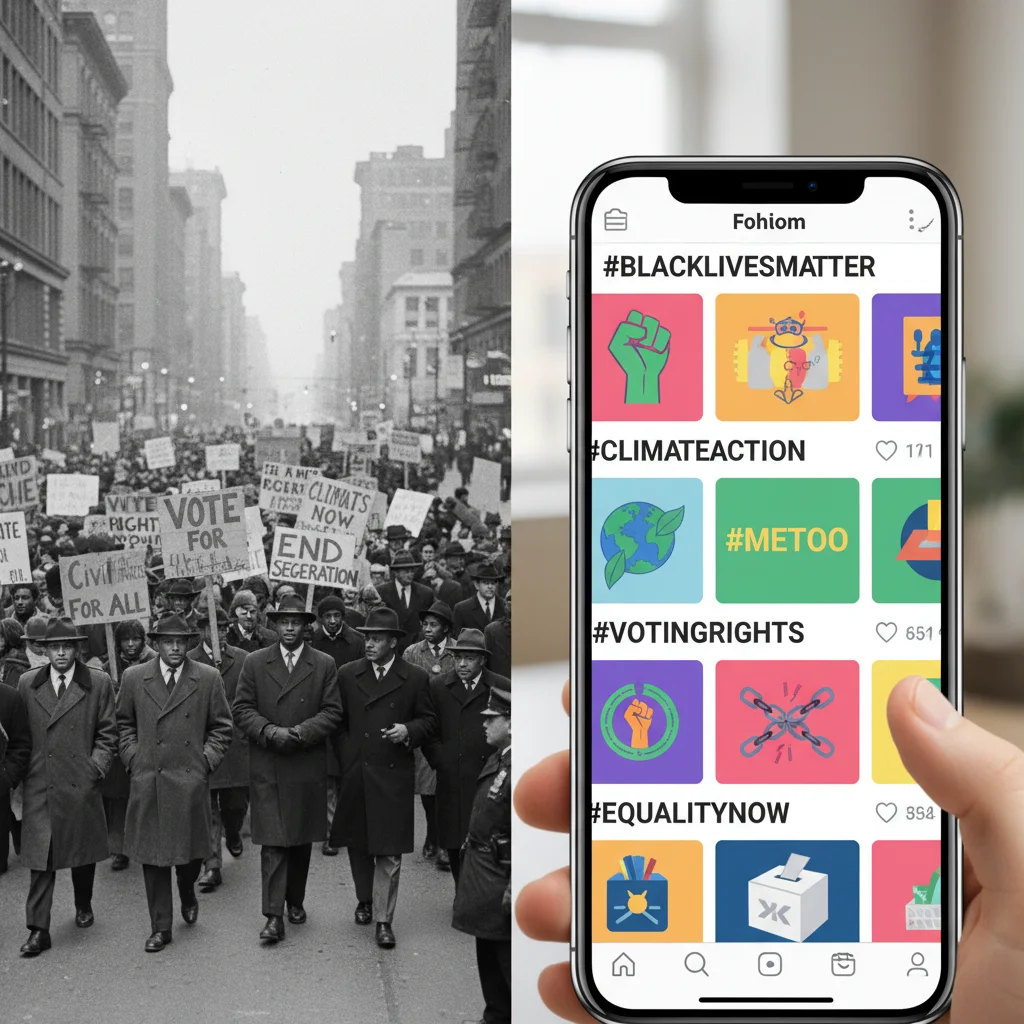
From the civil rights movement of the mid-20th century, characterized by marches, sit-ins, and face-to-face organizing, to the Occupy Wall Street movement and Black Lives Matter in the 21st century, where hashtags and live streams played pivotal roles, the evolution is undeniable. Digital tools have not merely supplemented traditional forms of protest; they have, in many instances, redefined them, offering both exhilarating opportunities and complex challenges.
This comprehensive exploration delves into the intricate ways digital platforms are shaping American social movements. We will examine the historical trajectory of activism, pinpointing the critical junctures where technology began to exert its influence. Furthermore, we will dissect the multifaceted impacts of digital tools on mobilization, communication, and narrative control, while also critically assessing the inherent drawbacks and ethical dilemmas that accompany this digital revolution.
The Genesis of Digital Activism: From Bulletin Boards to Social Media Giants
To fully appreciate the current state of digital activism impact, it’s crucial to trace its origins. While the internet as we know it is relatively young, the seeds of online organizing were sown much earlier. Early forms of digital communication, such as Usenet groups and bulletin board systems (BBS), provided rudimentary spaces for like-minded individuals to connect and discuss shared concerns. These early platforms, though limited in reach and sophistication, laid the groundwork for the more expansive digital ecosystems that would follow.
The late 1990s and early 2000s saw the rise of email lists and rudimentary websites, which allowed for broader dissemination of information and coordinated action. Activist groups began using these tools to organize protests, share policy documents, and engage with a wider audience than previously possible. Websites became virtual headquarters, providing resources and rallying points for movements that were still largely grounded in physical presence.
However, the true inflection point for digital activism impact arrived with the advent of social media platforms in the mid-2000s. MySpace, Facebook, Twitter, and later Instagram and TikTok, transformed the internet from a static repository of information into a dynamic, interactive space. These platforms offered unparalleled opportunities for instant communication, network building, and the rapid dissemination of messages. The barriers to entry for organizing were drastically lowered, allowing individuals with limited resources to initiate and participate in movements on a scale previously unimaginable.
The Arab Spring uprisings of 2010-2011 are often cited as a seminal moment, showcasing the power of social media to galvanize populations and challenge established regimes. While the role of digital tools in these revolutions remains a subject of academic debate, there is no denying their significance in facilitating communication, coordinating protests, and broadcasting events to a global audience. This period marked a clear paradigm shift, demonstrating that digital platforms were not just supplementary tools but integral components of modern social movements.
Amplifying Voices and Democratizing Participation: The Core of Digital Activism Impact
One of the most significant contributions of digital platforms to American social movements is their ability to amplify voices that were historically marginalized or underrepresented. Traditional media often dictates which narratives gain prominence, but social media allows individuals and grassroots organizations to bypass these gatekeepers and communicate directly with the public. This democratization of information flow is a cornerstone of digital activism impact.
Giving a Platform to the Underrepresented
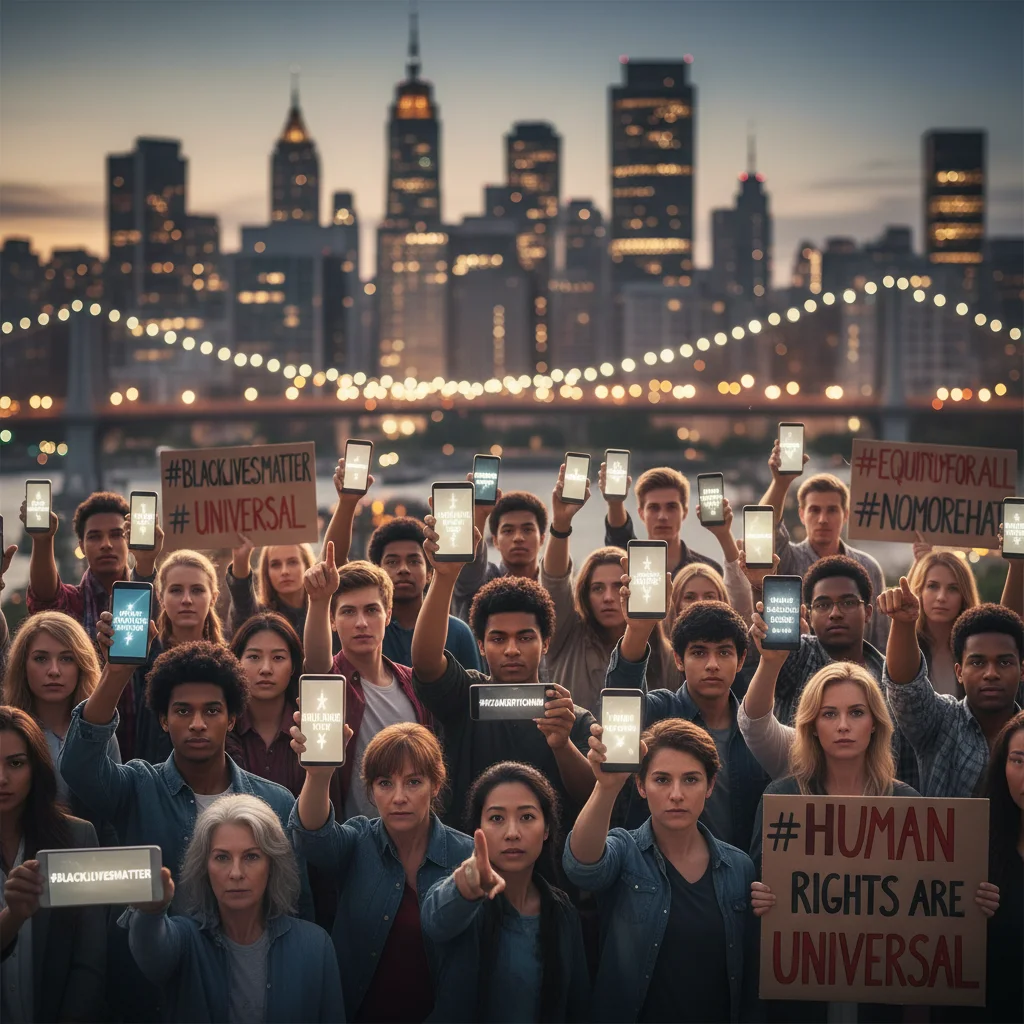
Consider the Black Lives Matter movement. While racial justice activism has a long and storied history in the U.S., digital platforms provided a crucial mechanism for documenting police brutality, sharing personal testimonies, and organizing rapid responses. Hashtags like #BlackLivesMatter became powerful rallying cries, unifying disparate individuals and local groups under a common banner. The ability to instantly share videos and images of incidents brought a visceral reality to the forefront, forcing public dialogue and challenging prevailing narratives.
Similarly, movements like #MeToo gained immense traction through digital sharing, allowing survivors of sexual harassment and assault to break the silence and collectively expose systemic issues. The sheer volume of shared experiences created a powerful wave of solidarity and accountability, demonstrating how digital platforms can foster a sense of collective identity and purpose, even among geographically dispersed individuals.
Lowering Barriers to Entry
The cost and logistical hurdles associated with traditional organizing – renting venues, printing flyers, coordinating travel – are significantly reduced with digital tools. Anyone with a smartphone and internet access can become an activist, sharing information, signing petitions, and participating in online discussions. This lowered barrier to entry has expanded the reach of social movements, drawing in younger generations and individuals who might not have had the time or resources for conventional activism.
Online petitions, crowdfunding campaigns, and virtual town halls are just a few examples of how digital platforms enable broad participation. A single tweet or Facebook post can spark a viral campaign, mobilizing thousands in a matter of hours or days. This agility and responsiveness are key characteristics of modern social movements operating in the digital age.
Strategies and Tactics: How Digital Platforms Revolutionize Organizing
The strategic deployment of digital tools has fundamentally reshaped the tactics employed by American social movements. The ability to communicate instantly, coordinate complex actions, and disseminate information widely has given activists a powerful new arsenal. Understanding these strategies is crucial to grasping the full scope of digital activism impact.
Rapid Mobilization and Coordination
Gone are the days when organizing a large-scale protest required weeks or months of planning. Digital platforms allow for rapid mobilization in response to unfolding events. Alerts can be sent out instantly, locations shared via GPS, and logistical details communicated in real-time. This speed is particularly vital in situations where immediate action is required, such as protests against sudden policy changes or instances of injustice.
encrypted messaging apps, for example, have become indispensable for coordinating behind-the-scenes logistics, ensuring security, and maintaining communication channels even when traditional networks are disrupted. This ability to coordinate swiftly and securely empowers activists to react dynamically to changing circumstances.
Narrative Control and Counter-Narratives
In the past, mainstream media often controlled the narrative surrounding social movements, sometimes distorting or ignoring their messages. Digital platforms offer activists the power to shape their own narratives and challenge dominant perspectives. Through direct communication, personal storytelling, and the strategic use of hashtags, movements can present their issues on their own terms.
The creation of counter-narratives is a potent aspect of digital activism impact. By sharing alternative viewpoints, providing evidence, and engaging in direct dialogue, activists can debunk misinformation and foster a more nuanced understanding of complex social issues. This battle for narrative control is often fought in the digital sphere, where attention and engagement are paramount.
Global Reach and Transnational Solidarity
Digital platforms transcend geographical boundaries, allowing American social movements to connect with international allies and garner global support. A local protest can quickly become a global phenomenon, drawing attention from human rights organizations, international media, and activists worldwide. This global reach fosters transnational solidarity, adding pressure on governments and institutions to address domestic issues.
The interconnectedness facilitated by digital tools means that American social movements are no longer isolated. They can learn from, collaborate with, and inspire movements in other countries, creating a powerful global network of activists united by shared values and goals. This international dimension significantly magnifies the potential digital activism impact.
The Double-Edged Sword: Challenges and Critiques of Digital Activism
While the benefits of digital platforms for social movements are undeniable, it’s crucial to acknowledge the challenges and critiques that accompany this evolution. The same tools that empower activists can also be exploited, leading to new forms of vulnerability and inefficiency. A balanced understanding of digital activism impact requires confronting these complexities.
“Slacktivism” and Superficial Engagement
One of the most common criticisms leveled against digital activism is the phenomenon of “slacktivism” – the idea that online engagement, such as liking a post or signing an online petition, provides a sense of participation without requiring substantial commitment or leading to real-world change. While digital engagement can be a first step, critics argue that it can also substitute for deeper, more meaningful forms of activism, such as attending protests, volunteering, or engaging in sustained organizing.
The ease of participation can sometimes lead to a diffusion of effort, where numerous online campaigns compete for attention, and sustained focus on a single issue becomes difficult. Measuring the true impact of online engagement beyond clicks and shares remains a significant challenge for researchers and activists alike.
Misinformation, Disinformation, and Echo Chambers
The open nature of digital platforms, while empowering, also makes them fertile ground for misinformation and disinformation. False narratives can spread rapidly, undermining legitimate social movements and sowing division. State-sponsored propaganda, organized smear campaigns, and individual malicious actors can exploit these channels to disrupt and discredit activist efforts.
Furthermore, algorithms often create “echo chambers” or “filter bubbles,” where individuals are primarily exposed to information that confirms their existing beliefs. This can hinder critical thinking, reduce exposure to diverse perspectives, and make it difficult for movements to build broad coalitions beyond their immediate supporters. The challenge of breaking out of these echo chambers and engaging with skeptics is a persistent hurdle for digital activism impact.
Surveillance, Censorship, and Digital Repression
Governments and powerful institutions are increasingly adept at monitoring and controlling online activity. Activists using digital platforms face risks of surveillance, data collection, and even targeted harassment. In some cases, digital tools used for organizing can be turned against movements, leading to arrests, physical intimidation, or the suppression of dissenting voices.
Censorship, both overt and subtle, is another concern. Platforms may remove content deemed controversial, or algorithms might deprioritize certain narratives, effectively silencing or marginalizing movements. The ongoing battle between activists seeking open communication and authorities seeking control highlights a critical tension in the digital age.
Digital Divide and Access Inequality
Despite the widespread availability of the internet, a significant “digital divide” persists, particularly in rural areas, low-income communities, and among older populations. Those without reliable internet access, smartphones, or digital literacy skills are often excluded from online organizing efforts. This inequality in access means that digital activism impact is not universally distributed, potentially exacerbating existing social disparities.
Movements reliant solely on digital platforms risk overlooking or alienating those who are most affected by an issue but lack the means to participate online. Effective digital activism often requires bridging this divide through hybrid strategies that combine online engagement with traditional, in-person organizing.
Case Studies in Digital Activism: Learning from Successes and Setbacks
Examining specific instances of digital activism impact provides valuable insights into its practical applications and inherent complexities. From highly successful campaigns to those that faced significant hurdles, each case offers lessons for future movements.
The Rise of #MeToo
The #MeToo movement stands as a powerful example of how a hashtag can ignite a global conversation and lead to tangible social change. Initiated by Tarana Burke in 2006 and popularized by Alyssa Milano in 2017, the movement used social media to empower survivors of sexual harassment and assault to share their stories. The viral spread of the hashtag created an undeniable wave of solidarity, leading to public accountability for powerful figures, policy changes in workplaces, and a broader societal reckoning with gender-based violence. The collective sharing facilitated by digital platforms transformed individual experiences into a powerful collective movement.
Black Lives Matter and Digital Justice
The Black Lives Matter movement, born out of the anger and frustration over police brutality against Black Americans, has masterfully leveraged digital platforms. From live-streaming protests to sharing graphic videos of incidents, and using hashtags to organize and disseminate information, BLM has demonstrated how digital tools can sustain a decentralized movement over many years. The movement’s ability to quickly respond to events, mobilize supporters, and challenge mainstream media narratives has been a defining characteristic of its digital activism impact. It has also highlighted the persistent challenges of online harassment and surveillance faced by activists.
Activism in the Age of COVID-19
The COVID-19 pandemic forced social movements to adapt rapidly, showcasing the resilience and adaptability of digital activism. With physical gatherings restricted, movements pivoted to virtual protests, online rallies, and digital lobbying efforts. Campaigns for vaccine equity, racial justice, and economic relief found new avenues for expression and organizing entirely online. This period underscored the critical role of digital platforms as essential infrastructure for social change, especially in times of crisis. It also highlighted the digital divide, as those without reliable internet access were often excluded from these virtual spaces.
The Ongoing Fight for Climate Justice
Climate change activism, particularly among youth, has found a powerful voice online. Figures like Greta Thunberg have used social media to galvanize millions, organizing global climate strikes and pressuring political leaders. Digital platforms allow for the rapid sharing of scientific data, personal stories of climate impact, and calls to action, fostering a sense of urgency and collective responsibility. The global nature of climate change makes digital tools indispensable for building a truly international movement, demonstrating the profound digital activism impact on a planetary scale.
The Future of Digital Activism in America: Trends and Predictions
As technology continues to evolve, so too will the nature of digital activism impact in American social movements. Several key trends are likely to shape its future trajectory, presenting both new opportunities and challenges.
The Rise of AI and Automation
Artificial intelligence and automation are poised to play an increasingly significant role. AI can be used for sentiment analysis to gauge public opinion, identify influential voices, and even automate the creation of compelling campaign content. Chatbots could facilitate grassroots organizing, providing information and coordinating actions on a massive scale. However, concerns about algorithmic bias, the spread of deepfakes, and the potential for AI-driven surveillance will also intensify.
Decentralized and Web3 Technologies
The emergence of Web3 technologies, including blockchain and decentralized autonomous organizations (DAOs), could offer new frontiers for activism. These technologies promise greater transparency, security, and resistance to censorship. Activist groups might leverage DAOs for more democratic decision-making, secure funding, and immutable record-keeping. While still in nascent stages, these technologies could fundamentally alter the power dynamics between movements and institutions, enhancing the long-term digital activism impact.
Enhanced Data Analytics and Targeted Campaigns
Movements will likely become even more sophisticated in their use of data analytics. By understanding audience demographics, engagement patterns, and the effectiveness of different messaging strategies, activists can create highly targeted campaigns. This data-driven approach can optimize resource allocation and ensure that messages reach the most receptive audiences, maximizing the efficiency of digital outreach.
The Perpetual Battle Against Disinformation
The fight against misinformation and disinformation will remain a central challenge. As digital tools become more advanced, so too will the methods used to spread false narratives. Activists will need to develop robust strategies for fact-checking, media literacy education, and building resilient online communities that can resist manipulation. The integrity of information will be paramount to maintaining the credibility and effectiveness of digital activism impact.
Hybrid Activism: Blending Online and Offline
The most effective social movements in the future will likely be those that master hybrid activism, seamlessly integrating digital strategies with traditional, in-person organizing. While online platforms are excellent for awareness and mobilization, sustained change often requires direct action, community building, and face-to-face engagement. The synergy between online and offline efforts will be crucial for translating digital momentum into lasting societal transformation.
Conclusion: The Enduring Legacy of Digital Activism in American Social Movements
The evolution of activism in America is inextricably linked to the rise of digital platforms. From humble beginnings in online forums to the sophisticated, globally interconnected movements of today, the digital activism impact has been nothing short of revolutionary. It has empowered marginalized voices, democratized participation, and offered unprecedented tools for rapid mobilization and narrative control.
However, this digital revolution is not without its complexities. The perils of slacktivism, the spread of misinformation, the threats of surveillance, and the persistence of the digital divide present formidable challenges that require ongoing attention and strategic navigation. The future of digital activism will undoubtedly be characterized by a continuous adaptation to new technologies and a persistent struggle to harness their power for positive social change while mitigating their potential harms.
Ultimately, digital platforms have permanently altered the DNA of American social movements. They have provided a crucial arena for public discourse, a powerful engine for collective action, and a vital lifeline for communities seeking justice and equality. As technology continues its relentless march forward, the ingenuity and resilience of activists will ensure that digital tools remain at the forefront of the ongoing quest for a more just and equitable society, cementing the enduring legacy of digital activism impact.
Emilly Correa has a degree in journalism and a postgraduate degree in Digital Marketing, specializing in Content Production for Social Media. With experience in copywriting and blog management, she combines her passion for writing with digital engagement strategies. She has worked in communications agencies and now dedicates herself to producing informative articles and trend analyses.