Urban Innovation: 4 Smart City Projects Transforming U.S. Infrastructure in the Next 3 Years
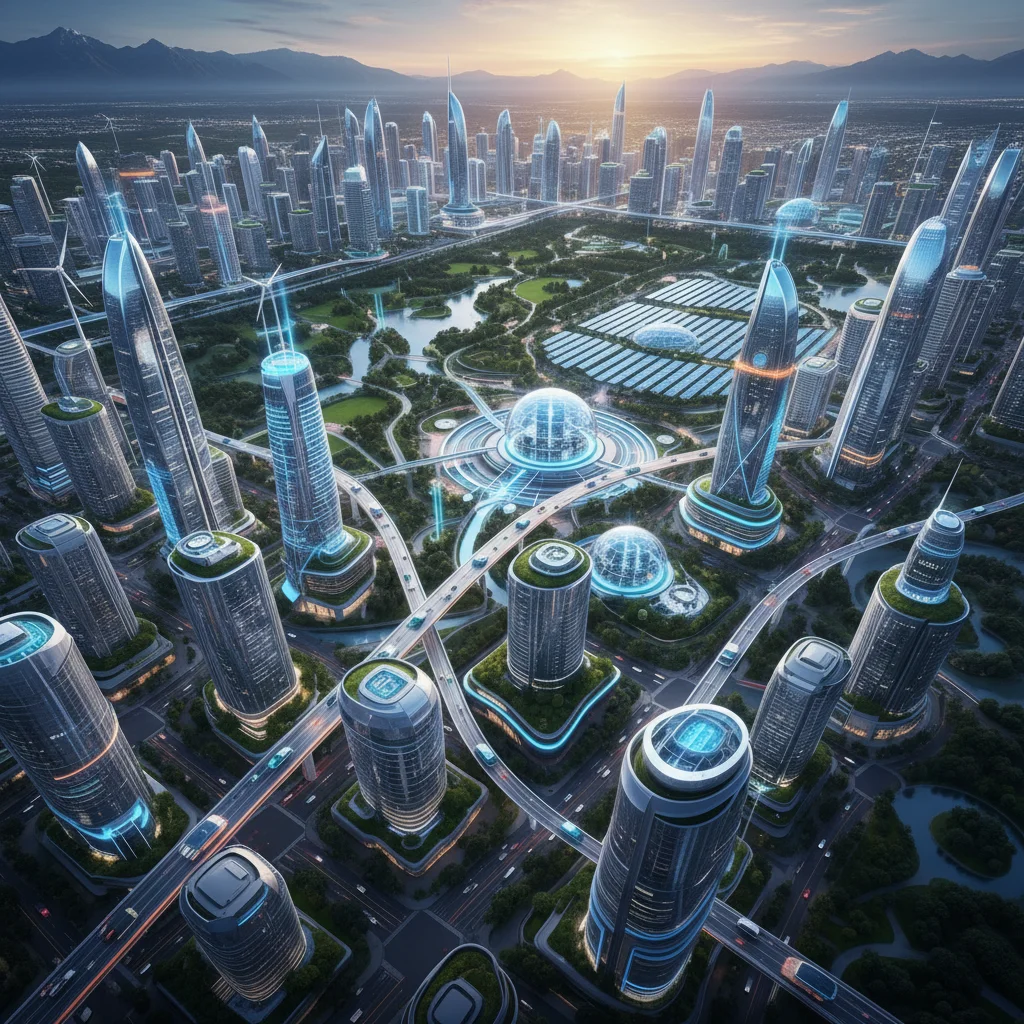
The urban landscape of the United States is on the cusp of a profound transformation, driven by an accelerating wave of technological innovation and a growing commitment to sustainability. As populations continue to gravitate towards metropolitan centers, the demand for more efficient, resilient, and livable cities has never been greater. This imperative has given rise to the concept of the ‘smart city’ – urban environments that leverage advanced technologies like the Internet of Things (IoT), artificial intelligence (AI), big data analytics, and ubiquitous connectivity to improve the quality of life for their inhabitants, optimize urban operations, and foster economic growth. These smart city projects are not just futuristic visions; they are tangible initiatives being implemented today, promising to reshape U.S. infrastructure dramatically within the next three years.
The journey towards smarter cities is multifaceted, encompassing everything from intelligent transportation systems and energy-efficient buildings to enhanced public safety and participatory governance. It’s a holistic approach that seeks to integrate various urban systems into a cohesive, data-driven ecosystem. The benefits are far-reaching: reduced traffic congestion, lower energy consumption, improved air quality, more responsive public services, and stronger community bonds. However, the path is not without its challenges, including significant initial investment, data privacy concerns, cybersecurity threats, and the need for robust public-private partnerships. Despite these hurdles, the momentum behind smart city projects is undeniable, with numerous cities across the U.S. actively pursuing ambitious plans to become leaders in urban innovation.
In this comprehensive exploration, we will delve into four pivotal smart city projects that are poised to make a significant impact on U.S. infrastructure within the next three years. These projects represent diverse applications of smart technology, from large-scale district developments to city-wide intelligent systems, each offering a unique glimpse into the future of urban living. By examining their goals, technologies, and anticipated outcomes, we can gain a clearer understanding of how these initiatives are not only solving contemporary urban problems but also laying the groundwork for a more sustainable, equitable, and technologically advanced future. The transformation is already underway, and the next three years will be crucial in solidifying the foundation of the smart cities of tomorrow.
The Dawn of Smart Cities: A Global Context and U.S. Imperative
Before diving into specific U.S. smart city projects, it’s essential to understand the global context and why this movement is so critical for the United States. Globally, cities like Singapore, Amsterdam, and Barcelona have long been at the forefront of smart urban development, demonstrating the tangible benefits of integrated technology in city management. These pioneering cities have showcased how data-driven decision-making can lead to significant improvements in public services, environmental sustainability, and economic competitiveness. The U.S., with its diverse urban landscapes and technological prowess, is now rapidly catching up, driven by a combination of federal initiatives, private sector investment, and local government innovation.
The imperative for U.S. cities to become smarter stems from several converging factors. Firstly, aging infrastructure across the nation requires substantial upgrades and modernization. Rather than simply replacing old systems, cities are opting for smart solutions that offer enhanced capabilities and long-term efficiencies. Secondly, climate change and environmental concerns demand sustainable urban planning. Smart technologies can significantly reduce carbon footprints through optimized energy consumption, intelligent waste management, and promotion of green transportation. Thirdly, the increasing complexity of urban life, from traffic congestion to public safety, necessitates more sophisticated and proactive management tools. Finally, citizens today expect more from their urban environments – greater convenience, better services, and a higher quality of life, all of which smart city initiatives aim to deliver.
The U.S. approach to smart cities is often characterized by a decentralized model, with individual cities and regions leading their own initiatives, sometimes with federal support through programs like the Smart Cities Challenge. This localized approach allows for tailored solutions that address specific regional needs and challenges, fostering a rich ecosystem of innovation. Public-private partnerships are also a cornerstone of many U.S. smart city projects, bringing together government, technology companies, academia, and local communities to co-create solutions. This collaborative spirit is crucial for overcoming the technical, financial, and social complexities inherent in transforming traditional urban infrastructure into intelligent, interconnected systems. The next three years will be a pivotal period, as many of these foundational efforts begin to yield visible and impactful results, setting new standards for urban living across the country.
Project 1: The Smart Columbus Initiative – Ohio’s Blueprint for Connected Living
Columbus, Ohio, emerged as a national leader in urban innovation after winning the U.S. Department of Transportation’s Smart City Challenge in 2016. The Smart Columbus initiative is a prime example of how a medium-sized city can leverage technology to address critical urban challenges, particularly in transportation. With a grant of $40 million from the USDOT and an additional $10 million from Paul G. Allen’s Vulcan Inc., plus significant local matching funds, Smart Columbus has embarked on an ambitious journey to integrate smart technologies across its transportation network and beyond. This project is expected to show significant progress and transformative results within the next three years, serving as a model for other cities.
The core of Smart Columbus revolves around creating a fully integrated, multimodal transportation system. Key components include:
- Connected Vehicle Environment: Deployment of vehicle-to-infrastructure (V2I) and vehicle-to-vehicle (V2V) communication technologies to enhance safety, reduce congestion, and improve traffic flow. This involves equipping traffic signals with sensors and communication devices that can interact with connected vehicles, providing real-time data on traffic conditions and potential hazards.
- Smart Mobility Hubs: Creation of physical and digital platforms that integrate various transportation options, such as ride-sharing, bike-sharing, public transit, and electric vehicle charging stations, making it easier for residents to plan and execute journeys using the most efficient modes.
- Electric Vehicle Infrastructure: Significant expansion of EV charging stations and promotion of electric vehicle adoption through various incentives and educational programs, contributing to cleaner air and reduced reliance on fossil fuels.
- Data-Driven Traffic Management: Utilizing real-time data from sensors, cameras, and connected vehicles to dynamically manage traffic signals, identify congestion hotspots, and reroute traffic more efficiently. This proactive approach aims to significantly reduce commuting times and improve overall road safety.
- Autonomous Vehicle Testing: Columbus is also a testbed for autonomous vehicle technologies, exploring how self-driving shuttles and vehicles can be integrated into existing transportation networks to provide first-mile/last-mile solutions and enhance mobility for all residents.
Beyond transportation, Smart Columbus is also exploring smart street lighting, intelligent parking solutions, and a comprehensive data platform to inform urban planning and policy-making. The project’s emphasis on equity, ensuring that technological advancements benefit all residents, including underserved communities, is a critical aspect. For instance, efforts are being made to provide smart mobility solutions to residents in areas with limited access to traditional transportation options. Over the next three years, the data collected from these initiatives will provide invaluable insights into the effectiveness of integrated smart city solutions, making Columbus a leading example of successful smart city projects in the U.S.
Project 2: The Sidewalk Labs (now Google’s Sidewalk Infrastructure Partners) Quayside Project – Toronto’s Smart Neighborhood (though U.S. focused, it provides a blueprint)
While the original Quayside project by Sidewalk Labs (an Alphabet company) in Toronto faced challenges and was ultimately scaled back, its ambitious vision for a data-driven, sustainable neighborhood has profoundly influenced ongoing and future smart city projects in the U.S. Google’s Sidewalk Infrastructure Partners (SIP) continues to pursue similar goals, focusing on developing smart infrastructure solutions that can be deployed across various urban contexts. The lessons learned and technologies developed from the Quayside concept are now being adapted and applied in U.S. cities, promising significant advancements in urban development within the next three years.
The core principles of the Quayside vision, which are now being adapted for U.S. deployments by SIP and other smart development firms, include:
- Mass Timber Construction: Utilizing sustainable, prefabricated mass timber for buildings to reduce construction waste, lower carbon footprint, and accelerate building timelines. This approach is gaining traction in U.S. sustainable development projects.
- Dynamic Streetscapes: Designing streets that can adapt to different uses throughout the day and year, with modular paving that can be reconfigured for pedestrian zones, bike lanes, or vehicle traffic. This flexibility enhances urban livability and reduces infrastructure rigidity.
- Underground Utility Networks: Consolidating utilities (power, water, waste, data) into accessible underground conduits, reducing street clutter, facilitating maintenance, and enabling easier upgrades of infrastructure.
- Sensor-Driven Urban Management: Widespread deployment of sensors to monitor everything from air quality and noise levels to waste accumulation and pedestrian flow. This data would inform real-time adjustments to city services and infrastructure, optimizing efficiency and citizen experience.
- Climate-Positive Design: Implementing advanced stormwater management systems, extensive green infrastructure, and renewable energy sources to create neighborhoods that are highly resilient to climate change and contribute positively to the environment.
- Autonomous Mobility Integration: Planning for a future where autonomous vehicles and smart logistics systems reduce the need for private car ownership, freeing up urban space and improving safety. This includes dedicated lanes for autonomous shuttles and delivery robots.
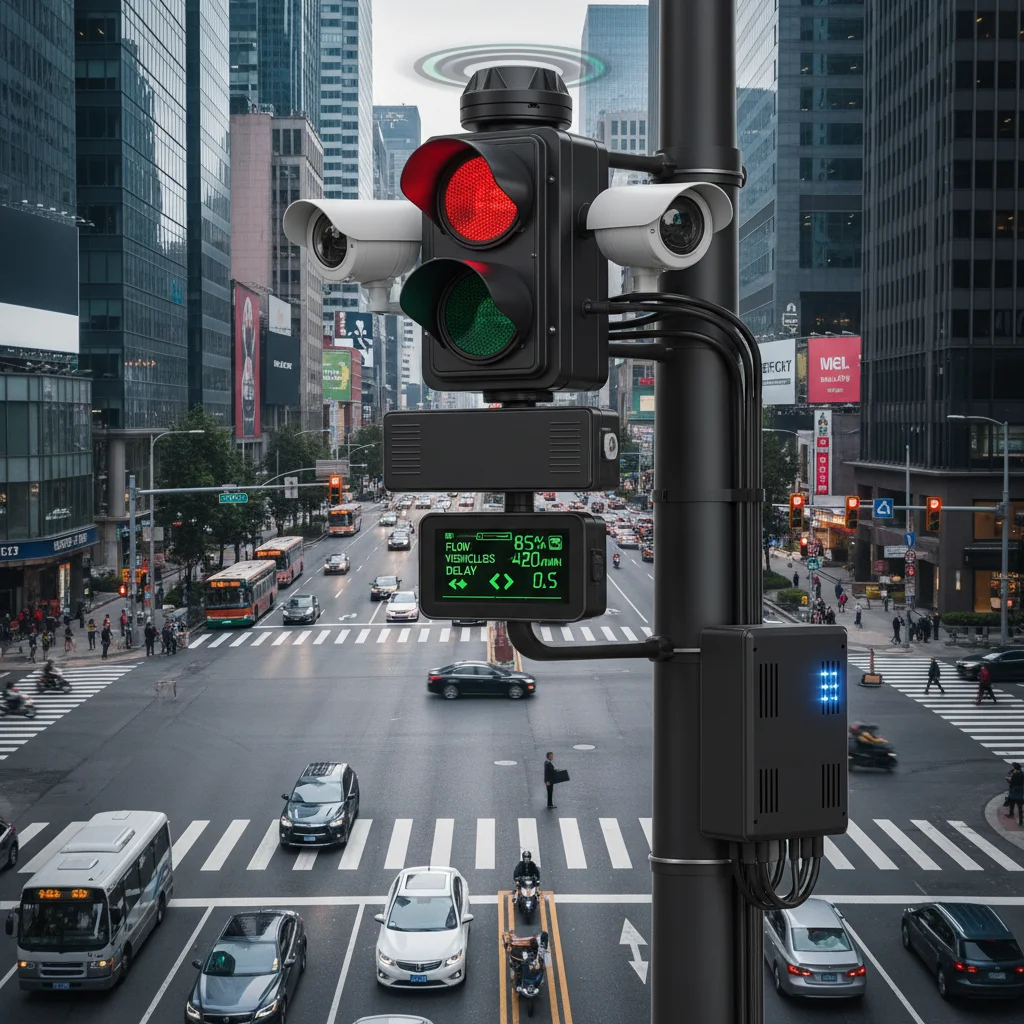
While the full Quayside vision might not materialize in a single location, its modular components and technological innovations are being integrated into various new urban developments and retrofits across the U.S. within the next three years. These initiatives, often spearheaded by companies like SIP, aim to create highly sustainable, technologically advanced districts that serve as living laboratories for future urban planning. The emphasis is on building human-centric environments that are also incredibly efficient and environmentally responsible, leveraging data to create truly responsive urban spaces. This influence signifies a shift towards more integrated and intelligent urban planning in the U.S., leveraging private sector innovation to complement public sector initiatives in smart city projects.
Project 3: The Atlanta Smart City Initiative – Enhancing Public Safety and Mobility
Atlanta, a bustling metropolitan hub in the Southeast, is actively pursuing a comprehensive smart city strategy focused on improving public safety, enhancing mobility, and fostering economic development through technology. The Atlanta Smart City Initiative is a testament to how established large cities can integrate cutting-edge solutions to tackle persistent urban challenges. Over the next three years, several key components of Atlanta’s plan are expected to yield significant results, transforming the daily lives of its residents and visitors.
Central to Atlanta’s efforts are:
- Intelligent Traffic Management System (ITMS): Atlanta is deploying an advanced ITMS that utilizes a network of sensors, cameras, and data analytics to monitor traffic conditions in real-time. This system allows for dynamic signal timing adjustments, incident detection, and proactive management of congestion, particularly on major thoroughfares and during peak hours. The goal is to reduce commute times, improve safety, and lower vehicle emissions.
- Smart Street Lighting: The city is upgrading its streetlights to smart LED fixtures equipped with sensors and connectivity. These lights can be remotely controlled and dimmed, saving energy. Crucially, they can also integrate other smart city functionalities, such as environmental monitoring (air quality), gunshot detection, and public Wi-Fi hotspots, creating a denser network of urban intelligence.
- Public Safety Integration: A significant focus is on leveraging smart technologies to enhance public safety. This includes integrating data from various sources – smart streetlights, public cameras, IoT sensors – into a unified command center. This allows first responders to have better situational awareness, leading to faster response times and more effective emergency management. Predictive policing models, while controversial, are also being explored to allocate resources more efficiently.
- Autonomous Vehicle Corridors: Atlanta is actively planning and testing autonomous vehicle corridors, particularly around its major economic and transportation hubs. This includes exploring how AVs can serve as last-mile connectors for public transit and improve freight logistics, reducing urban congestion caused by traditional delivery methods.
- Digital Kiosks and Information Networks: Deployment of interactive digital kiosks across the city provides residents and tourists with real-time information on transit, events, and public services, enhancing connectivity and accessibility to urban resources.
Atlanta’s initiative emphasizes collaboration between city departments, local universities, and technology partners. The city’s extensive fiber optic network provides a robust backbone for these smart solutions. Over the next three years, the continued rollout and integration of these technologies are expected to significantly improve the efficiency of city operations, enhance public safety outcomes, and create a more responsive and technologically advanced urban environment, solidifying Atlanta’s position among leading smart city projects.
Project 4: The San Diego Smart City Open Urban Platform – A Data-Driven Ecosystem
San Diego is pioneering a unique approach to urban intelligence with its Smart City Open Urban Platform (SCOUP), a comprehensive data-driven ecosystem designed to improve urban services and quality of life for its residents. Unlike projects focused on a single domain like transportation, San Diego’s initiative aims to create a holistic platform that integrates data from various city systems, enabling cross-departmental insights and innovative applications. This project is set to mature significantly within the next three years, showcasing the power of an integrated data infrastructure.
Key pillars of San Diego’s smart city strategy include:
- Smart Streetlights as a Sensor Network: San Diego deployed thousands of smart streetlights equipped with environmental sensors, cameras, and microphones. These devices collect anonymized data on traffic patterns, parking availability, air quality, noise levels, and even pedestrian movement. This vast network acts as the primary data collection backbone for the SCOUP.
- Open Data Portal: A commitment to transparency and innovation, San Diego’s open data portal makes anonymized city data accessible to the public, researchers, and developers. This fosters the creation of new applications and services that address specific urban challenges, leveraging collective intelligence.
- Intelligent Parking Management: By analyzing data from smart streetlights and other sensors, the city can provide real-time information on parking availability, guiding drivers to open spots and reducing cruising time, which in turn reduces congestion and emissions.
- Environmental Monitoring and Resilience: The extensive sensor network allows for granular monitoring of air quality, temperature, and other environmental factors. This data helps the city identify pollution hotspots, track climate trends, and inform strategies for urban resilience and public health.
- Traffic Flow Optimization: Data collected from the smart streetlights is fed into traffic management systems, allowing for more adaptive signal timing and traffic flow optimization, similar to Columbus and Atlanta, but with an even richer dataset for analysis.
- Public Safety Applications: The camera and acoustic sensors on streetlights can aid law enforcement in incident response, situational awareness, and evidence collection, while respecting privacy guidelines through anonymization and strict data governance.
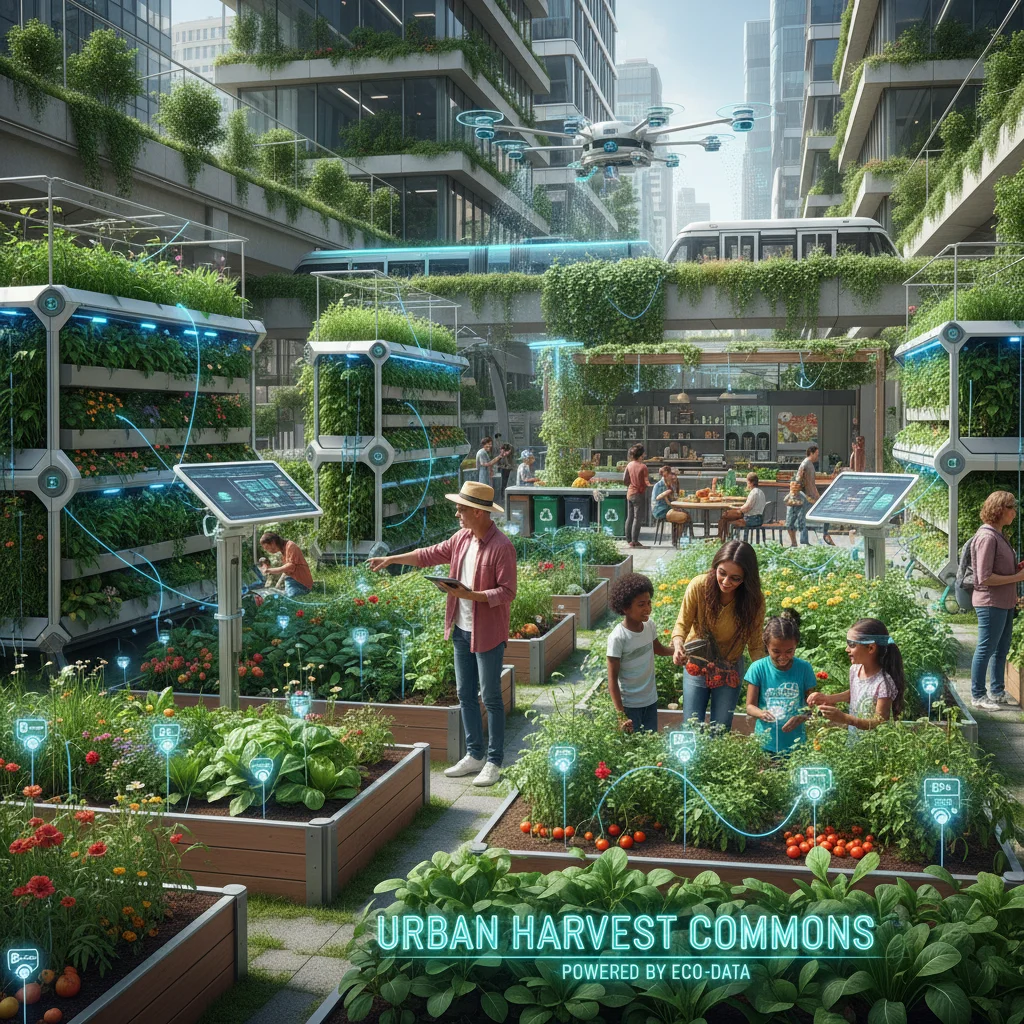
San Diego’s emphasis on an open, integrated data platform distinguishes its approach. By treating urban data as a strategic asset, the city empowers its departments, local businesses, and citizens to co-create solutions. The goal is to move beyond siloed systems to a truly interconnected urban ecosystem where data drives continuous improvement. Over the next three years, the SCOUP is expected to evolve into a mature platform, demonstrating how a comprehensive data strategy can underpin a wide array of smart city projects, leading to more efficient governance, improved environmental quality, and a higher quality of life for its residents.
The Future Landscape: Challenges and Opportunities for U.S. Smart City Projects
While the four projects highlighted above represent significant strides in urban innovation, the broader landscape of U.S. smart city projects faces both exciting opportunities and considerable challenges. The next three years will be crucial in navigating these complexities and solidifying the foundation for truly intelligent urban environments.
Key Opportunities:
- Technological Advancements: Rapid evolution in AI, IoT, 5G connectivity, and edge computing will continue to provide more powerful and cost-effective tools for smart city development. The proliferation of 5G networks, in particular, will unlock new possibilities for real-time data processing and ultra-low latency applications, essential for autonomous systems and critical infrastructure management.
- Increased Funding and Investment: As the benefits of smart city initiatives become more evident, both public and private investment are expected to grow. Federal infrastructure bills, alongside private sector capital, will fuel the expansion of these projects.
- Data-Driven Decision Making: The ability to collect, analyze, and act upon vast amounts of urban data will lead to more efficient resource allocation, proactive problem-solving, and evidence-based policy-making across all city functions.
- Enhanced Citizen Engagement: Smart city platforms can foster greater transparency and citizen participation, allowing residents to contribute to urban planning, report issues, and access services more easily.
- Sustainability and Resilience: Smart technologies are instrumental in achieving environmental goals, from reducing energy consumption and waste to building more resilient infrastructure capable of withstanding climate change impacts.
Key Challenges:
- Data Privacy and Security: The collection of vast amounts of urban data raises significant concerns about privacy and cybersecurity. Cities must implement robust data governance frameworks, ensure anonymization, and build secure systems to protect sensitive information from breaches and misuse. Public trust is paramount.
- Equity and Digital Divide: Ensuring that smart city technologies benefit all residents, regardless of socioeconomic status, is a critical challenge. The digital divide must be addressed to prevent the exclusion of certain communities from the advantages of smart urban living.
- Interoperability and Standardization: Different smart city solutions often come from various vendors and may not seamlessly integrate. The lack of universal standards can create siloed systems and hinder the creation of a truly unified urban intelligence platform.
- Funding and Scalability: Initial investments for smart infrastructure can be substantial. Cities need sustainable funding models and strategies to scale pilot projects into city-wide deployments.
- Governance and Policy: Developing appropriate regulatory frameworks and policies that keep pace with technological advancements is essential. This includes addressing ethical considerations, data ownership, and the role of AI in urban management.
Conclusion: A Smarter Urban Future for the U.S.
The next three years promise to be a transformative period for urban infrastructure in the United States. The smart city projects in Columbus, Atlanta, San Diego, and the influential concepts from Sidewalk Labs represent just a snapshot of the innovation sweeping across the nation. These initiatives are not merely about deploying technology for technology’s sake; they are about creating more livable, sustainable, efficient, and equitable urban environments for millions of Americans.
From intelligent transportation systems that ease congestion and reduce pollution to integrated data platforms that enhance public safety and environmental monitoring, these projects are laying the groundwork for a future where cities are truly responsive to the needs of their inhabitants. While challenges related to privacy, equity, and funding persist, the momentum towards smarter urbanism is undeniable. The lessons learned, the technologies developed, and the partnerships forged in these pioneering efforts will serve as blueprints for countless other cities embarking on their own smart city journeys.
As we look ahead, the vision of a fully interconnected, data-driven urban landscape is rapidly becoming a reality. The ongoing commitment to innovation, collaboration, and citizen-centric design will be key to unlocking the full potential of these smart city projects, ultimately shaping a brighter, more intelligent urban future for the United States. The transformation is not just about technology; it’s about reimagining urban life itself, making our cities more resilient, sustainable, and enjoyable for generations to come. The future is smart, and it’s arriving faster than ever.