Modern Family Structures: Navigating Non-Traditional Support in 2026 America
The concept of family is continually evolving. This post delves into modern family structures in 2026, examining non-traditional configurations and their vital role in creating robust social support networks across America. Understand the shifts and find resources.
By: Emilly Correa on February 11, 2026
Last updated on: July 28, 2026
Modern Family Structures: Navigating Non-Traditional Support in 2026 America
The very fabric of society is woven from the threads of family, yet the definition of ‘family’ itself has undergone a profound transformation. What once conjured a singular, often prescriptive image, now encompasses a rich tapestry of relationships, dynamics, and support systems. As we look ahead to 2026, it’s clear that modern family structures are not just an emerging trend, but a deeply ingrained reality shaping the social landscape of America.
This comprehensive exploration delves into the evolving concept of family, moving beyond traditional norms to embrace the diverse and resilient forms that provide essential social support. We’ll examine the forces driving these changes, the unique strengths and challenges faced by non-traditional families, and the critical role they play in fostering individual well-being and community cohesion. Join us as we unpack the intricacies of contemporary family life and discover how these innovative structures are redefining what it means to belong and be supported in the modern age.
The Shifting Sands: Redefining ‘Family’ in the 21st Century
For generations, the nuclear family – a married heterosexual couple and their biological children – stood as the quintessential model. While still prevalent, this definition no longer captures the full spectrum of lived experiences. Economic shifts, cultural diversification, increased individualism, and evolving social norms have collectively contributed to a landscape where various configurations are not only accepted but are thriving and providing robust support networks. The term modern family structures encapsulates this dynamic evolution.
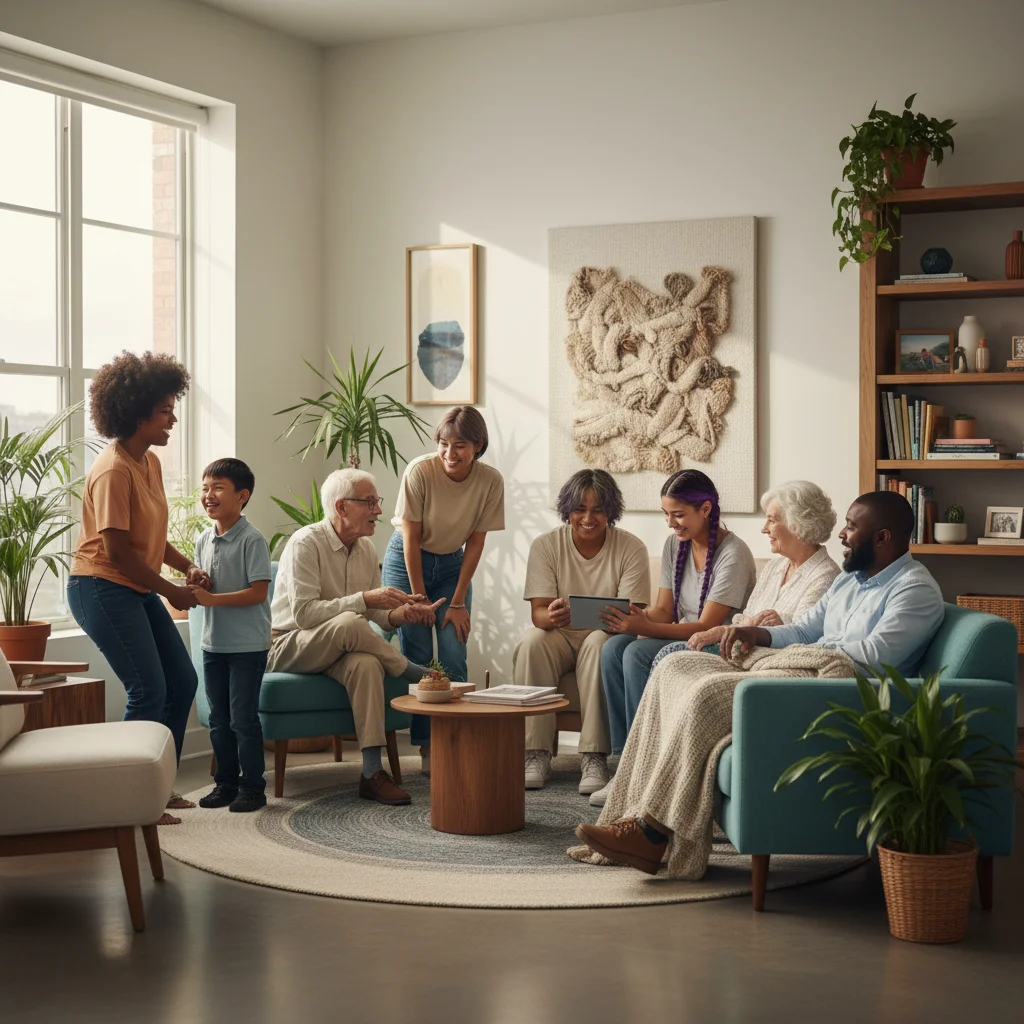
In 2026, we observe a significant departure from rigid family archetypes. Single-parent households, blended families, same-sex parent families, cohabiting couples, and multi-generational households are increasingly common. Beyond these, the concept extends to ‘chosen families’ – networks of friends and community members who provide the emotional, practical, and financial support traditionally associated with kinship. This broadening perspective acknowledges that love, commitment, and mutual support are the true hallmarks of family, rather than biological ties or legal definitions alone.
This redefinition isn’t merely semantic; it reflects a fundamental change in how individuals seek and receive support. It highlights a societal maturation, moving towards greater inclusivity and recognition of diverse pathways to happiness and stability. Understanding these shifts is crucial for policymakers, community leaders, and individuals alike, as it informs how we build resilient societies that cater to the needs of all its members.
Drivers of Change: Why Modern Family Structures Are Flourishing
Several powerful socio-economic and cultural forces are propelling the rise of diverse modern family structures. Understanding these drivers is key to appreciating the resilience and adaptability of human connection.
Economic Pressures and Opportunities
The economic landscape plays a significant role. Rising housing costs, stagnant wages, and the burden of student loan debt often make it challenging for individuals to achieve financial independence in the same way previous generations did. This has led to:
Multi-generational living: Young adults returning home, or older adults moving in with their children, creates households where resources are pooled, and caregiving responsibilities are shared. This arrangement offers mutual benefits, from childcare support to financial stability.
Delayed marriage and parenthood: Many individuals are prioritizing education and career development, leading to later marriages and first births. This extended period of singlehood or cohabitation contributes to diverse living arrangements and a greater emphasis on friendships as primary support systems.
Single-parent resilience: Economic necessity, alongside personal choice, means more individuals are raising children alone. These families often develop incredibly strong internal bonds and rely heavily on extended family, friends, and community resources for support.
Evolving Social Norms and Cultural Acceptance
Societal attitudes have become significantly more accepting of diverse lifestyles and relationships. The LGBTQ+ rights movement, for instance, has led to legal recognition of same-sex marriage and adoption, paving the way for same-sex parent families to be openly acknowledged and celebrated. Similarly, the stigma surrounding divorce has lessened, making blended families a common and often successful modern family structure.
Moreover, cultural shifts towards individualism and personal fulfillment mean that individuals feel less pressure to conform to traditional expectations. People are more empowered to choose living arrangements and relationship models that best suit their needs and values, rather than adhering to a prescribed path.
Technological Advancements and Connectivity
Technology has profoundly impacted how families connect and maintain relationships, especially for those who are geographically dispersed. Video calls, social media, and instant messaging allow extended families to stay in touch, share experiences, and offer emotional support across vast distances. This digital connectivity strengthens bonds within existing families and facilitates the formation of ‘chosen families’ online and offline, fostering communities of shared interests and values.
Increased Diversity and Intercultural Marriages
America’s increasingly diverse population also contributes to the rich tapestry of modern family structures. Intercultural marriages and partnerships bring together different traditions, languages, and perspectives, creating unique family units that often blend elements from multiple backgrounds. This cultural fusion enriches the family experience and broadens the understanding of what family can be.
The Spectrum of Non-Traditional Families in 2026
Let’s delve deeper into some of the prominent non-traditional family structures defining 2026, highlighting their unique characteristics and contributions to social support.
Single-Parent Households: Strength in Solitude and Community
Single-parent families, whether due to divorce, separation, choice, or bereavement, represent a significant portion of modern family structures. These families often demonstrate immense resilience, with parents juggling multiple roles and responsibilities. Their support networks frequently extend beyond immediate relatives to include co-parenting relationships, close friends, and community organizations that offer childcare, emotional support, and practical assistance. The strength of these families lies in their adaptability and the deep bonds forged through shared experiences and challenges.
Blended Families: Weaving New Connections
Formed when divorced or widowed parents remarry or cohabit, bringing children from previous relationships together, blended families are a testament to the human capacity for integration and love. Navigating new roles, sibling relationships, and parental dynamics requires patience and open communication. Successful blended families often create unique traditions and shared experiences, fostering a sense of belonging for all members. Support often comes from within the new family unit, as well as from extended biological families and friends who embrace the expanded network.
Same-Sex Parent Families: Love Defines Family
With increasing legal recognition and social acceptance, same-sex parent families are a vibrant and growing component of modern family structures. These families, formed through adoption, surrogacy, or previous relationships, challenge outdated notions of what constitutes a ‘normal’ family. Research consistently shows that children raised in same-sex parent households thrive just as well as those in heterosexual households. Their support networks are often robust, built on strong community ties, advocacy groups, and chosen families who champion their right to love and raise children.
Cohabiting Couples and Families: Partnership Beyond Marriage
Many couples today choose to live together and raise children without the legal formality of marriage. This arrangement offers flexibility and can be a stepping stone to marriage or a permanent alternative. Cohabiting families often share similar dynamics and support needs as married couples, relying on each other, extended family, and friends. The rise of cohabitation reflects a societal shift towards prioritizing personal choice and individual autonomy in relationship structures.
Multi-Generational Households: Bridging the Generational Gap
The return of multi-generational living – where grandparents, parents, and children (and sometimes even great-grandparents) reside under one roof – is a growing trend. Driven by economic factors, cultural traditions, or caregiving needs, these households offer a wealth of benefits: shared expenses, built-in childcare, and the rich exchange of wisdom and experience across generations. Intergenerational support is a cornerstone of these families, providing a strong safety net for all members.
Chosen Families and Intentional Communities: Redefining Kinship
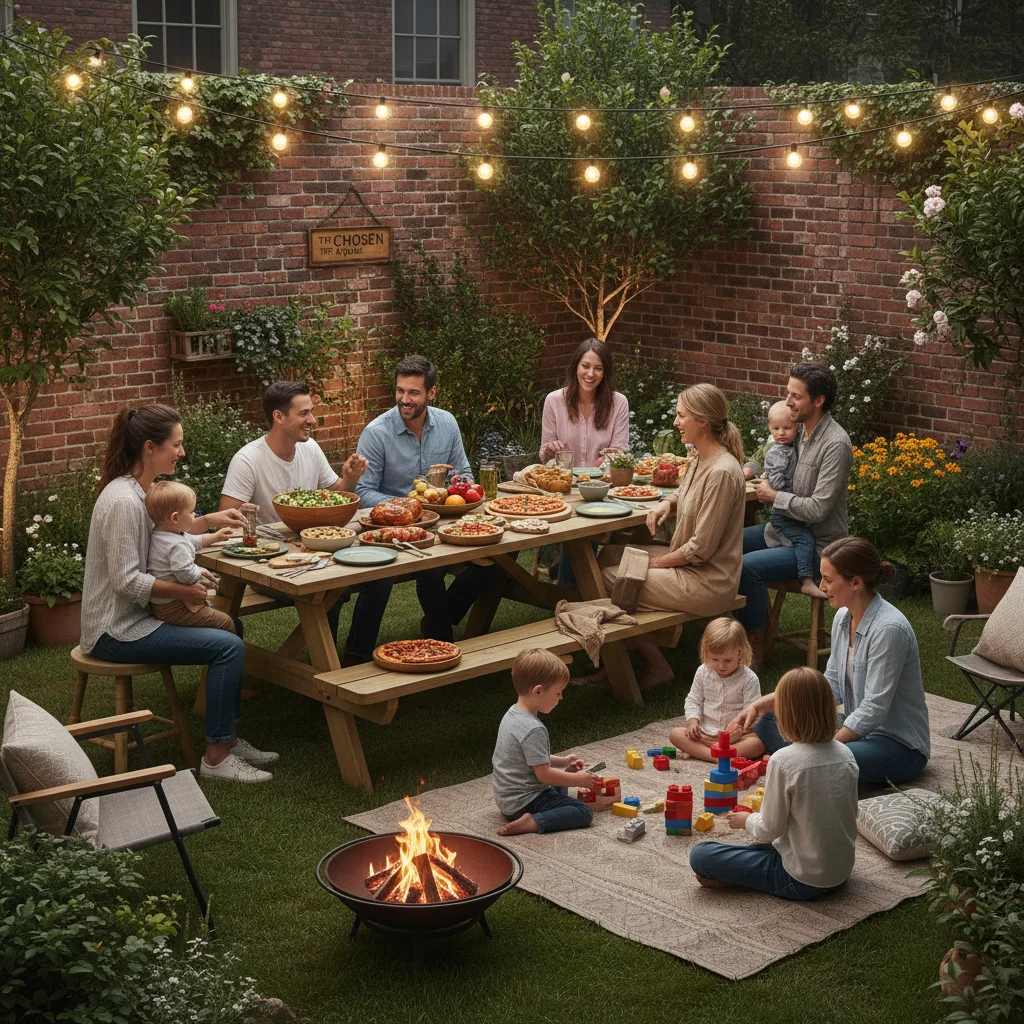
Perhaps the most radical redefinition of family comes in the form of ‘chosen families’ – networks of individuals who are not related by blood or marriage but who commit to supporting each other as if they were. These can be close friends, colleagues, or members of intentional communities who share values, resources, and emotional bonds. They often arise when biological families are absent, geographically distant, or unsupportive, providing a vital source of belonging and care. Intentional communities, whether urban co-housing or rural communes, take this concept further, creating structured environments for communal living and mutual support.
The Indispensable Role of Social Support Networks
Regardless of their specific structure, all modern family structures rely on robust social support networks. These networks are the invisible infrastructure that helps individuals and families navigate life’s challenges, celebrate successes, and foster overall well-being. In 2026, the emphasis on these networks is stronger than ever.
Emotional Support and Mental Well-being
Emotional support is paramount. Family members, whether biological or chosen, provide a safe space for sharing feelings, receiving empathy, and gaining perspective. In an increasingly complex world, having a reliable emotional outlet contributes significantly to mental health resilience, reducing feelings of isolation and stress. For non-traditional families, where societal norms might still present unique challenges, this emotional bedrock is particularly vital.
Practical Assistance and Resource Sharing
Beyond emotional comfort, support networks offer practical help. This can range from childcare and eldercare assistance to financial aid during tough times, help with household chores, or sharing skills and knowledge. In multi-generational or chosen family settings, the pooling of resources and division of labor can significantly ease individual burdens and enhance collective stability.
Information and Guidance
Families and their extended networks serve as critical sources of information and guidance. Whether it’s advice on parenting, career choices, health issues, or navigating bureaucratic systems, trusted individuals provide valuable insights and mentorship. For non-traditional families, finding mentors or peers who have successfully navigated similar paths can be incredibly empowering.
Sense of Belonging and Identity
Perhaps one of the most fundamental needs met by modern family structures and their support networks is the sense of belonging. Feeling connected to a group that values and accepts you is crucial for identity formation and overall life satisfaction. For those who may feel marginalized by traditional definitions of family, chosen families and inclusive communities offer a powerful affirmation of their worth and place in the world.
Challenges and Solutions for Modern Family Structures
While modern family structures offer immense strengths, they also face unique challenges that require thoughtful consideration and proactive solutions.
Navigating Legal and Societal Recognition
Despite progress, some non-traditional families still encounter hurdles regarding legal recognition, inheritance rights, healthcare decisions, and societal acceptance. Advocacy for inclusive laws and policies remains crucial. Furthermore, education and public awareness campaigns can help dismantle biases and foster greater understanding and acceptance of all family forms.
Communication and Boundary Setting
With diverse backgrounds, expectations, and relationships, effective communication and clear boundary setting are paramount. Blended families, for instance, must navigate relationships with ex-partners and co-parenting dynamics. Chosen families need to explicitly define their commitments and responsibilities to avoid misunderstandings. Workshops, family counseling, and open dialogue can provide tools for healthier interactions.
Resource Allocation and Financial Planning
Financial complexities can arise in modern family structures, particularly in multi-generational households or chosen families that pool resources. Clear agreements on financial contributions, shared expenses, and long-term planning are essential. Access to financial advisors who understand diverse family models can be invaluable.
Caregiving Responsibilities
Caregiving, whether for children, the elderly, or members with disabilities, is a significant aspect of family life. In non-traditional structures, these responsibilities might be distributed differently. Ensuring equitable distribution, preventing caregiver burnout, and accessing external support services (e.g., respite care, home health aides) are critical for sustainability.
Building and Nurturing Stronger Support Networks
For individuals and families looking to strengthen their support systems in 2026, several strategies can be employed:
Cultivate Open Communication
Regular, honest, and empathetic communication is the bedrock of any strong relationship. Encourage family meetings, one-on-one check-ins, and active listening to ensure everyone feels heard and understood.
Define Roles and Expectations
Especially in non-traditional settings, explicitly discussing and agreeing upon roles, responsibilities, and expectations can prevent conflict and foster clarity. This might involve formal agreements or ongoing informal conversations.
Invest in Shared Experiences
Spending quality time together, whether through regular meals, shared hobbies, vacations, or community involvement, strengthens bonds and creates lasting memories. These shared experiences are the glue that holds families, traditional or otherwise, together.
Embrace External Resources
Don’t hesitate to seek support from outside the immediate family unit. This could include therapy, support groups, community centers, religious organizations, or professional services. Recognizing when external help is needed is a sign of strength, not weakness.
Be Intentional About ‘Chosen Family’
For those building chosen families, be intentional about who you invite into your inner circle. Look for individuals who share your values, offer genuine support, and contribute positively to your well-being. Nurture these relationships with the same care and commitment as you would biological kin.
Advocate for Inclusivity
Support policies and initiatives that recognize and protect the rights of all family forms. By advocating for a more inclusive society, we contribute to a world where all modern family structures can thrive without discrimination.
The Future of Family: A Resilient and Diverse Landscape
As we move further into the 21st century, the evolution of modern family structures is undeniable. The traditional model, while still cherished by many, has expanded to welcome a multitude of configurations, each bringing its own unique strengths and challenges. In 2026 America, the concept of family is less about a rigid definition and more about the presence of love, commitment, and mutual support.
These diverse family units – whether single-parent, blended, same-sex parent, cohabiting, multi-generational, or chosen – are not just surviving but thriving, demonstrating remarkable adaptability and resilience. They are actively redefining and strengthening social support networks, proving that the human need for connection and belonging will always find a way to manifest itself in powerful and meaningful forms.
The embrace of modern family structures enriches society, fostering greater understanding, empathy, and innovation in how we care for one another. By recognizing, supporting, and celebrating this rich diversity, we build a more inclusive and robust future for all. The evolving concept of family isn’t a deviation from the norm; it is the new norm, a testament to the enduring power of human connection in every imaginable shape and form.
Emilly Correa has a degree in journalism and a postgraduate degree in Digital Marketing, specializing in Content Production for Social Media. With experience in copywriting and blog management, she combines her passion for writing with digital engagement strategies. She has worked in communications agencies and now dedicates herself to producing informative articles and trend analyses.