American Dining Culture: 3 Unexpected Trends Reshaping Restaurants in 2026
The American dining landscape is undergoing a rapid transformation. This post delves into three unexpected dining culture trends that will redefine restaurant experiences by 2026, offering insights for diners and industry professionals alike.
By: Matheus Neiva on October 12, 2026
The culinary world is a dynamic tapestry, constantly weaving new threads of innovation, tradition, and consumer preference. As we inch closer to 2026, the American dining landscape is poised for a significant transformation, driven by a confluence of technological advancements, shifting societal values, and an ever-evolving palate. Gone are the days when a good meal was solely about taste; today’s diners seek experiences that engage all senses, reflect their values, and offer a glimpse into the future of food. This article delves deep into the heart of these changes, spotlighting three unexpected dining culture trends that are not just emerging but are set to dominate American restaurants in the coming years. Understanding these shifts is crucial for both restaurateurs aiming to stay ahead of the curve and diners eager to explore the next frontier of gastronomic delight.
The concept of ‘dining culture trends’ encompasses more than just what’s on the plate. It includes how food is sourced, prepared, served, and consumed. It reflects our relationship with food, our communities, and the planet. In 2026, these relationships will be more intricate and interconnected than ever before. We’re moving beyond mere farm-to-table; we’re entering an era of hyper-personalization, immersive sensory experiences, and a profound commitment to sustainable and ethical practices. Let’s embark on a culinary journey to uncover these fascinating developments that will shape the future of American dining.
The Rise of Hyper-Local, Hyper-Seasonal Sourcing: Beyond Farm-to-Table
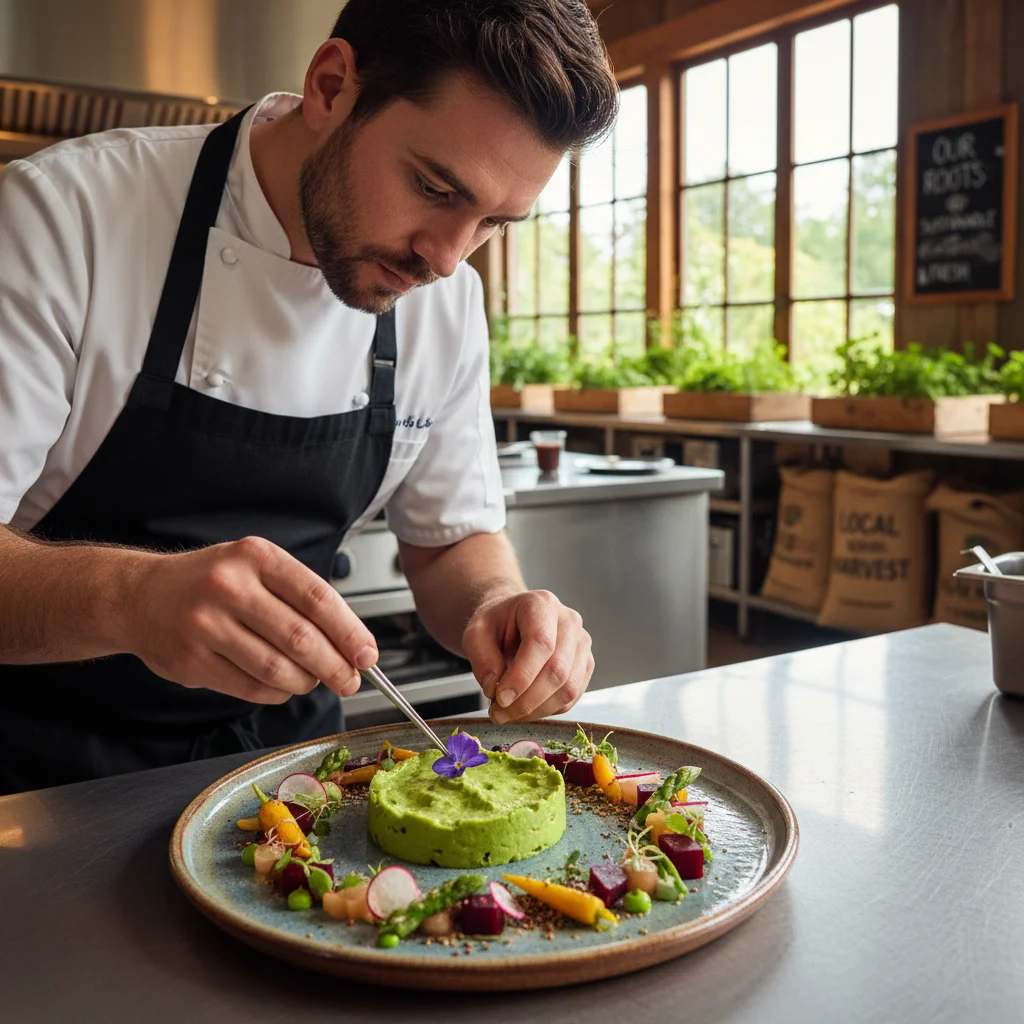
For years, ‘farm-to-table’ has been a buzzword, signifying a move towards fresher, locally sourced ingredients. However, as we approach 2026, this concept is evolving into something far more granular and impactful: hyper-local, hyper-seasonal sourcing. This trend isn’t just about knowing the farm your ingredients came from; it’s about understanding the specific micro-climate, the soil composition, and the precise moment of harvest that yields the best flavor and nutritional value. It’s a deep dive into terroir, bringing a sommelier-like appreciation for ingredients to every aspect of the meal.
What Defines Hyper-Local, Hyper-Seasonal?
Hyper-local means ingredients are sourced from an extremely small radius, often within a few miles, or even from the restaurant’s own rooftop garden, hydroponic system, or urban farm. This drastically reduces carbon footprints, ensures unparalleled freshness, and fosters a direct, transparent relationship between the chef and the grower. The emphasis shifts from simply ‘local’ to ‘our neighborhood’ or ‘our backyard.’
Hyper-seasonal takes this a step further, focusing on ingredients harvested at their absolute peak ripeness and flavor, often for a very limited window. This challenges chefs to be incredibly creative and adaptable, constantly rethinking menus based on what nature provides. It celebrates the ephemeral beauty of produce and encourages diners to connect with the natural rhythms of the land. Restaurants embracing this trend often feature daily changing menus, sometimes even hourly, based on what has just been picked or caught.
Impact on Dining Culture Trends and Restaurant Operations
This shift profoundly influences the entire dining ecosystem. For restaurants, it means forging stronger, more intimate relationships with local farmers, foragers, and fishermen. It requires a deep understanding of agricultural cycles and a willingness to embrace imperfection and variability in ingredients. Chefs become more like culinary alchemists, transforming highly specific, often unique, ingredients into extraordinary dishes that tell a story of their origin.
For diners, hyper-local, hyper-seasonal dining offers an unparalleled sense of authenticity and connection. Each dish becomes a unique expression of a particular time and place. It educates diners about the true taste of seasonal produce, moving away from the year-round availability of everything that modern supermarkets have accustomed us to. This trend aligns perfectly with growing consumer demand for sustainability, ethical sourcing, and transparency in their food choices. Diners want to know not just what they’re eating, but where it came from, who grew it, and how it impacts the environment. This deepens the appreciation for the food and elevates the dining experience from a mere meal to a cultural and educational journey.
Expect to see more restaurants investing in their own cultivation spaces, from small herb gardens to significant urban farms integrated into their business model. Partnerships with local educational institutions for agricultural research and development will also become common, further cementing the restaurant’s role as a community hub and a leader in sustainable practices. This is a powerful dining culture trend that promises a richer, more responsible culinary future.
Immersive Sensory Experiences: Beyond Taste and Sight
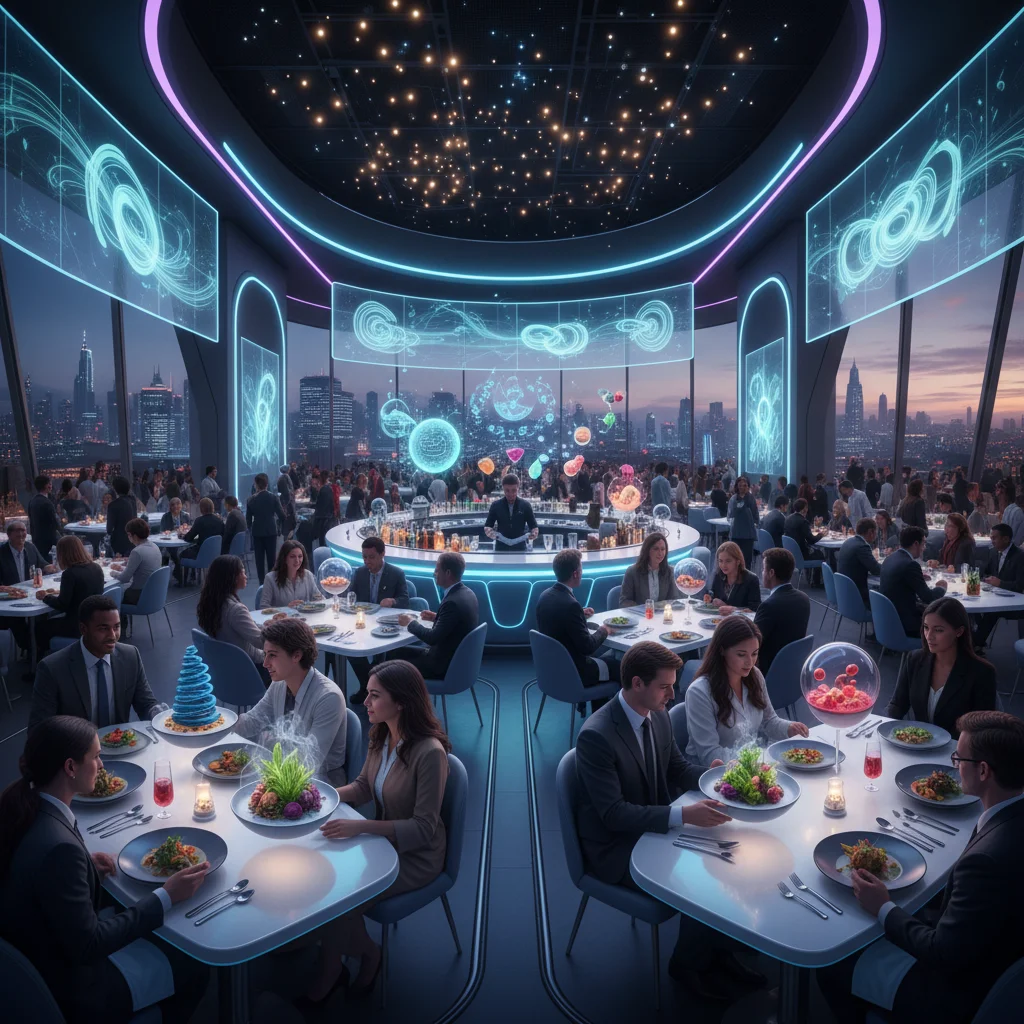
Dining has always been a multi-sensory experience, but in 2026, restaurants will push the boundaries far beyond taste and sight, embracing immersive sensory experiences that transport diners to new realms. This trend leverages technology, design, and storytelling to create meals that engage all five senses, often blurring the lines between dining, art, and entertainment. It’s about crafting a narrative around the food, making each meal an unforgettable event rather than just a consumption act.
The Evolution of Sensory Dining
We’ve seen precursors to this trend in molecular gastronomy and themed restaurants, but the next wave is far more sophisticated and integrated. Imagine dining in a restaurant where the lighting, sounds, aromas, and even the temperature shift to reflect the origin story of each dish. Perhaps a course inspired by a forest evokes the scent of pine and damp earth, accompanied by the sounds of rustling leaves, while a dish from the ocean might bring the smell of sea salt and the gentle lapping of waves.
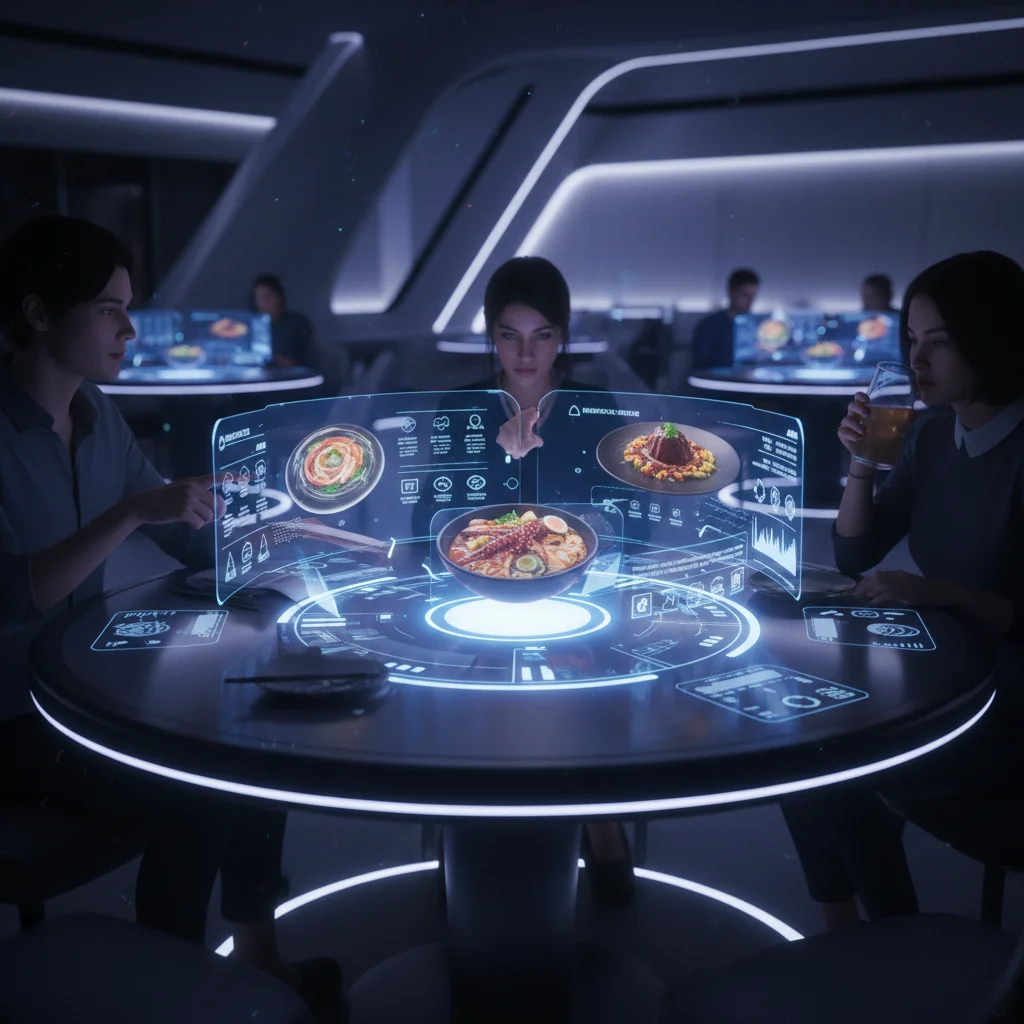
Virtual reality (VR) and augmented reality (AR) will play a significant role. Diners might wear lightweight AR glasses that project the history of their food onto their plate, showing the farm where it was grown or the fishing boat that caught it. Table surfaces could become interactive canvases, displaying animated landscapes or historical contexts that complement the meal. The tactile experience will also be enhanced, with innovative dishware, cutlery, and even edible packaging designed to add another layer of interaction.
Creating Unforgettable Dining Culture Moments
The goal of immersive sensory experiences is to create a profound emotional connection with the food and the environment. It’s about storytelling through cuisine, making diners active participants in a culinary journey. This trend caters to a generation of consumers who value experiences over possessions and are constantly seeking novelty and engagement. Restaurants that excel in this area will become destinations, offering unique narratives that cannot be replicated elsewhere.
This approach requires a multidisciplinary team, often bringing together chefs, designers, technologists, perfumers, and sound artists. The collaboration will result in highly curated dining events that are as much theatrical productions as they are meals. Expect to see ‘sensory menus’ that detail not just ingredients but also the accompanying auditory, olfactory, and visual elements. This is a bold step forward in dining culture, promising a future where every meal is an adventure, a performance, and a memory etched deep within the senses. The dining experience becomes a form of escapism, a temporary immersion into a world crafted specifically for that meal, addressing a fundamental human desire for connection and wonder.
Personalized Nutrition and AI-Driven Dietary Customization
The growing awareness of health and wellness, coupled with advancements in artificial intelligence and bioinformatics, is leading to a revolution in personalized nutrition. By 2026, American restaurants will move beyond simple dietary restrictions (vegetarian, gluten-free) to offer highly customized meals based on individual health data, genetic profiles, and real-time biometric feedback. This dining culture trend is about empowering diners to eat not just what they enjoy, but what truly optimizes their well-being.
The Mechanics of Personalized Nutrition
Imagine a future where, upon making a reservation, you can securely upload your dietary preferences, known allergies, current health goals (e.g., muscle gain, blood sugar management), and even data from your wearable fitness tracker or a recent genetic test. AI algorithms will then analyze this data to suggest or even design meals tailored specifically for your body’s unique needs.
Restaurants will integrate sophisticated AI-powered menu planning systems that can adjust recipes on the fly. For instance, if your genetic profile indicates a predisposition to certain nutrient deficiencies, the system might subtly increase the content of those nutrients in your chosen dish without compromising flavor. If your fitness tracker shows a high-intensity workout earlier in the day, your meal might be adjusted to include more complex carbohydrates for recovery. This level of customization moves beyond simple ingredient swaps to a holistic approach to dietary optimization.
Ethical Considerations and Consumer Trust
While the potential benefits of personalized nutrition are immense, this trend also brings significant ethical considerations, particularly around data privacy and security. Restaurants and technology providers will need to establish robust frameworks to protect sensitive health information. Transparency about how data is used and stored will be paramount to building consumer trust.
Furthermore, the role of the chef will evolve. While still masters of flavor and technique, they will also become collaborators with nutritionists and AI specialists, ensuring that personalized meals are not only healthy but also delicious and satisfying. This dining culture trend will democratize access to advanced nutritional science, making it a tangible part of everyday dining. It will also foster a deeper understanding among consumers about the intricate relationship between food and personal health, moving from generic dietary advice to highly specific, actionable insights. The future of dining is not just about what tastes good, but what does good for you, in a way that is uniquely yours.
The Intersection of Sustainability and Social Responsibility
While not entirely ‘unexpected,’ the depth and breadth of sustainability and social responsibility in American dining culture by 2026 will be far more integrated and non-negotiable than ever before. It’s no longer a niche concern for a few ethical eateries; it’s a foundational pillar for any restaurant aspiring to thrive. This trend encompasses everything from zero-waste kitchens to fair labor practices and community engagement, reflecting a holistic approach to ethical gastronomy.
Zero-Waste and Circular Economy Principles
The concept of a zero-waste kitchen will move from an aspirational goal to a practical standard. Restaurants will implement advanced composting systems, repurpose food scraps into new ingredients (e.g., vegetable peels into broths, fruit waste into vinegars), and minimize single-use plastics. Packaging will be entirely biodegradable or reusable, with innovative solutions for takeout and delivery that eliminate waste. The entire supply chain will be scrutinized for its environmental impact, pushing for suppliers who also adhere to stringent sustainability standards.
Furthermore, the circular economy model will influence menu design. Chefs will focus on utilizing every part of an ingredient, from root to leaf, nose to tail. This not only reduces waste but also challenges culinary creativity, leading to exciting new flavor combinations and dishes that celebrate resourcefulness. Water conservation will also be a major focus, with restaurants adopting smart water management systems and educating staff and customers on responsible water usage.
Ethical Labor and Community Engagement
Beyond environmental stewardship, social responsibility will be paramount. This includes ensuring fair wages, comprehensive benefits, and a positive, inclusive work environment for all restaurant staff. The industry will increasingly move away from the traditional tipping model towards service charges or higher base wages, providing greater financial stability for employees. Transparency in labor practices will be a key differentiator for restaurants seeking to attract both talent and conscientious diners.
Community engagement will also deepen. Restaurants will increasingly partner with local charities, food banks, and educational programs. They might offer culinary training to underserved communities, donate excess food to those in need, or host events that support local artists and musicians. The restaurant will evolve from a purely commercial entity into a vital community hub, reflecting the values of its neighborhood and contributing positively to its social fabric. This commitment to sustainability and social responsibility is not just good for the planet and people; it’s also good for business, as consumers increasingly vote with their wallets, choosing establishments that align with their ethical convictions. It’s a powerful driver of dining culture trends, shaping not just what we eat, but how we interact with the world around us through food.
Technological Integration: AI, Robotics, and Beyond
While touched upon in personalized nutrition and immersive experiences, the overarching integration of technology will be a standalone, pervasive dining culture trend by 2026. AI and robotics will not only optimize back-of-house operations but also enhance the customer experience in novel ways, redefining efficiency, consistency, and innovation in the restaurant industry.
Automation in the Kitchen and Front-of-House
Robotics will become more commonplace in kitchens, handling repetitive or dangerous tasks such as chopping, frying, and even intricate plating. This isn’t about replacing human chefs entirely but rather augmenting their capabilities, freeing them to focus on creativity, menu development, and complex culinary techniques. Robotic arms can ensure precision and consistency, reducing food waste and improving speed of service, especially in high-volume establishments.
In the front-of-house, AI-powered systems will streamline reservations, manage waitlists, and even predict customer preferences to offer personalized recommendations. Chatbots and virtual assistants will handle routine inquiries, allowing human staff to focus on higher-value interactions and personal service. Self-ordering kiosks, already prevalent, will become more sophisticated, offering dynamic menus that adapt to real-time inventory and customer data.
Data-Driven Operations and Predictive Analytics
AI will revolutionize restaurant management through data-driven insights. Predictive analytics will forecast demand for specific dishes, optimize inventory management to reduce spoilage, and even predict staffing needs based on historical data and external factors like weather or local events. This leads to significantly more efficient operations, reduced costs, and a better overall experience for both staff and customers.
Beyond operational efficiency, AI can also contribute to culinary innovation. By analyzing vast datasets of flavor profiles, ingredient combinations, and customer reviews, AI can suggest novel recipes or ingredient pairings that human chefs might not have considered. This collaborative approach between human creativity and artificial intelligence will unlock new frontiers in gastronomy, pushing the boundaries of what’s possible in taste and texture. The seamless integration of technology will transform the dining experience, making it more efficient, personalized, and consistently excellent, fundamentally altering the dining culture trends we observe.
The Evolving Role of the Chef and Diners
As these dining culture trends take hold, the roles of both chefs and diners will undergo significant evolution. The traditional dynamic of chef as sole creator and diner as passive consumer will give way to a more collaborative and interactive relationship.
Chefs as Curators, Innovators, and Educators
Chefs will increasingly become curators of experiences, not just creators of dishes. They will need to be well-versed not only in culinary arts but also in sustainability, technology, and even psychology to craft truly memorable and meaningful dining occasions. Their expertise will extend to sourcing hyper-local ingredients, understanding the nuances of personalized nutrition, and collaborating with technologists to design immersive environments. They will also serve as educators, sharing the stories behind their food, explaining sustainable practices, and guiding diners through complex sensory journeys.
The culinary school curriculum will adapt to this new reality, incorporating modules on data science, environmental stewardship, and experiential design. Chefs will be expected to be leaders in their communities, advocating for ethical food systems and inspiring future generations of culinary professionals.
Diners as Engaged Participants and Co-Creators
Diners, in turn, will become more engaged and informed participants in their culinary experiences. They will actively seek out restaurants that align with their values, whether that’s sustainability, ethical labor, or cutting-edge technology. They will be more adventurous, open to trying new flavors, textures, and dining formats. The act of dining will become a form of self-expression, reflecting their personal preferences, health goals, and ethical stances.
With personalized nutrition, diners will actively contribute their data and feedback, becoming co-creators of their meals. In immersive environments, they will be encouraged to interact with the surroundings and the narrative. This shift from passive consumption to active participation will deepen the connection between diners and their food, making each meal a more profound and personalized experience. The future dining culture trends will foster a community around food, where shared values and experiences are as important as the meal itself.
Conclusion: A Future of Intentional and Innovative Dining
The American dining culture of 2026 will be characterized by intentionality, innovation, and a deep sense of connection. The three unexpected trends discussed – hyper-local, hyper-seasonal sourcing; immersive sensory experiences; and personalized nutrition driven by AI – are not isolated phenomena but interconnected facets of a larger evolution. They reflect a fundamental shift in how we perceive food, moving beyond sustenance to embrace it as a medium for health, experience, and ethical expression.
Restaurants that anticipate and embrace these dining culture trends will not only thrive but will also redefine what it means to dine in the 21st century. They will be places where technology enhances humanity, where sustainability is woven into every dish, and where every meal tells a compelling story. For diners, this future promises an exciting array of choices, offering experiences that are not just delicious but also deeply enriching, personal, and responsible. The journey to 2026 in the culinary world is set to be a fascinating one, filled with delicious discoveries and profound transformations. Get ready to savor the future of American dining.
Matheus Neiva has a degree in Communication and a specialization in Digital Marketing. Working as a writer, he dedicates himself to researching and creating informative content, always seeking to convey information clearly and accurately to the public.