AI Revolutionizing US Education: Models & Practical Solutions by 2027
The future of U.S. education is being redefined by AI. This article delves into practical solutions and insider knowledge on how AI will transform learning models by 2027, offering a glimpse into personalized education, enhanced teaching, and administrative efficiencies.
By: Matheus Neiva on February 13, 2026
Last updated on: July 28, 2026
AI Revolutionizing US Education: Models & Practical Solutions by 2027
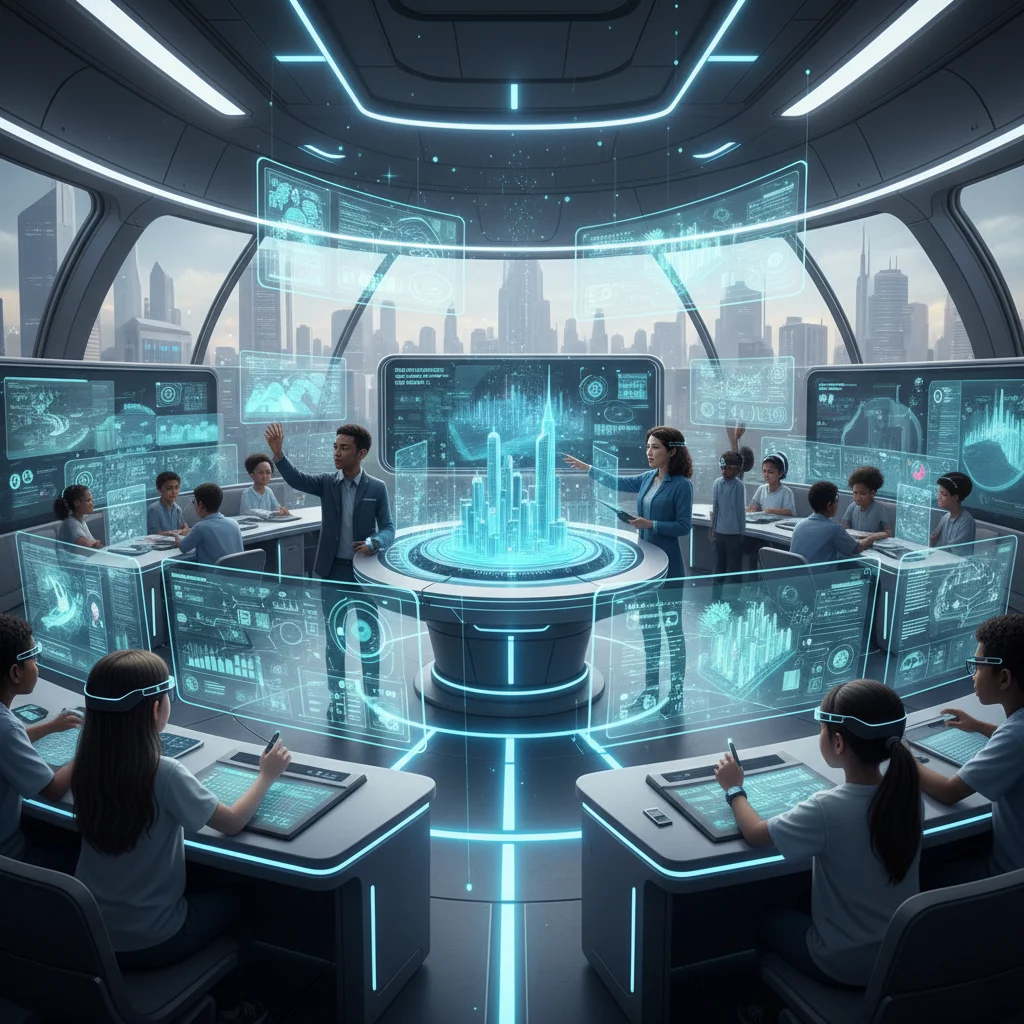
The landscape of education is on the cusp of an unprecedented transformation, largely driven by the rapid advancements in Artificial Intelligence (AI). As we inch closer to 2027, the United States educational system is poised to integrate AI at every level, from K-12 to higher education. This isn’t just about incremental changes; we’re talking about a fundamental shift in how we learn, teach, and administer education. This article delves deep into the practical solutions and insider knowledge surrounding this impending AI education transformation, offering a comprehensive look at what to expect and how to prepare.
For decades, educators have sought ways to personalize learning, make instruction more efficient, and reduce administrative burdens. AI now offers the tools to make these long-held aspirations a reality. By 2027, AI will no longer be a niche technology but an integral component of the educational ecosystem, reshaping everything from curriculum development to student assessment. The goal is not to replace human educators, but to augment their capabilities, freeing them to focus on higher-order tasks like critical thinking, creativity, and emotional intelligence development.
Understanding the Scope of AI Education Transformation
The term ‘AI education transformation‘ encompasses a vast array of changes. It’s not merely about using AI to automate tasks; it’s about fundamentally rethinking pedagogical approaches, student engagement, and educational equity. The integration of AI aims to create a more responsive, adaptive, and ultimately, more effective learning environment for all students across the U.S. The key areas of impact include personalized learning pathways, intelligent tutoring systems, automated administrative tasks, enhanced data analytics for educators, and the development of AI literacy among students and staff.
One of the primary drivers behind this transformation is the need to address the diverse learning needs of students. Traditional one-size-fits-all teaching methods often leave many students behind or fail to challenge advanced learners sufficiently. AI offers a scalable solution to this problem, creating customized learning experiences that adapt to individual student pace, style, and proficiency. This level of personalization was once a distant dream, but with AI, it is rapidly becoming a tangible reality.
Personalized Learning Pathways: The Core of AI’s Impact
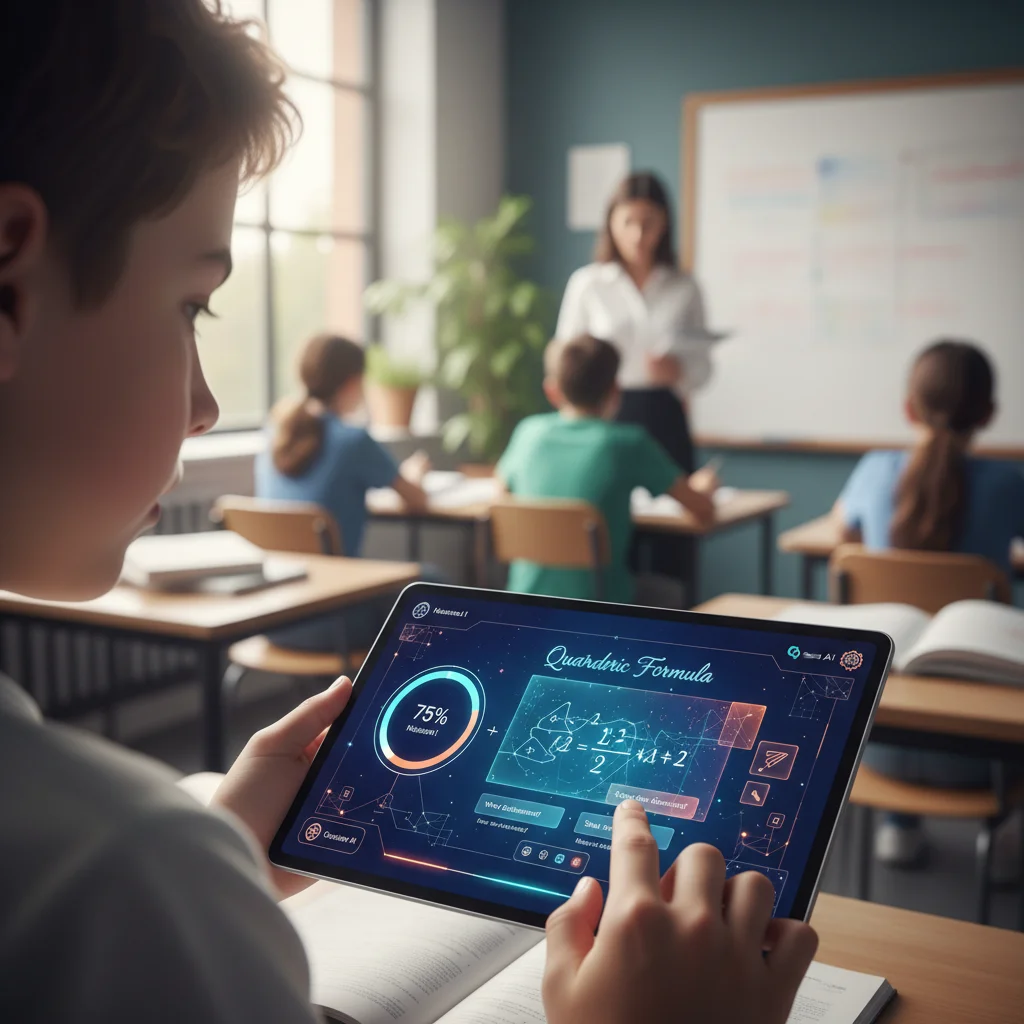
At the heart of the AI education transformation is the concept of personalized learning. AI algorithms can analyze vast amounts of student data – including performance on assignments, engagement with learning materials, and even emotional responses – to create dynamic learning paths. Imagine a system that knows exactly when a student is struggling with a particular concept and can immediately offer supplementary resources, different explanations, or even connect them with a virtual tutor. This is the promise of AI in personalized learning.
By 2027, we anticipate advanced AI platforms that can:
Adapt Content in Real-Time: AI will dynamically adjust the difficulty, format, and presentation of educational content based on a student’s ongoing performance and learning preferences.
Identify Learning Gaps Proactively: AI systems will be able to pinpoint foundational knowledge gaps before they become major obstacles, offering targeted interventions.
Recommend Tailored Resources: Beyond standard textbooks, AI will curate a wealth of digital resources, videos, simulations, and interactive exercises specific to each student’s needs.
Provide Adaptive Assessments: Quizzes and tests will no longer be static. AI will generate questions of varying difficulty, providing a more accurate measure of understanding and reducing test anxiety.
This level of individualized attention, previously only possible in one-on-one tutoring, will become accessible to millions of students, fundamentally altering their learning trajectory and fostering a deeper understanding of subjects.
Practical Solutions for Educators and Institutions
The successful implementation of AI education transformation hinges on practical, actionable solutions for educators and institutions. It’s not enough to simply introduce AI tools; there must be robust strategies for integration, training, and ongoing support. Schools and districts need to invest in infrastructure, professional development, and a culture that embraces technological change.
Intelligent Tutoring Systems (ITS) and Virtual Assistants
Intelligent Tutoring Systems (ITS) are perhaps the most direct application of AI in supporting student learning. These systems go beyond simple feedback, providing detailed explanations, hints, and even Socratic-style questioning to guide students toward understanding. By 2027, ITS will be sophisticated enough to:
Simulate Human Tutors: Offering explanations that mimic human pedagogical strategies, adapting to student questions and misconceptions.
Provide Immediate, Contextual Feedback: Students will receive instant feedback on their work, not just right or wrong, but why an answer is incorrect and how to approach it differently.
Support Diverse Subjects: From mathematics and science to language arts and history, ITS will be available across a wide range of disciplines.
Virtual assistants, similar to those found in smart homes, will also find their place in education. These AI-powered assistants can answer common student questions, help them navigate learning platforms, remind them of deadlines, and even assist with research, acting as a readily available knowledge base.
Streamlining Administrative Tasks with AI
Beyond direct instruction, AI will significantly reduce the administrative burden on educators and school staff. This is a critical aspect of the AI education transformation, as it frees up valuable time that can be redirected towards student interaction and instructional planning. Areas where AI will make a substantial difference include:
Automated Grading: For objective assessments, essays, and even some open-ended responses, AI can provide rapid and consistent grading, allowing teachers to focus on qualitative feedback.
Enrollment and Scheduling: AI algorithms can optimize class schedules, manage student enrollment, and streamline resource allocation more efficiently than manual processes.
Attendance Tracking: Facial recognition and other AI technologies can automate attendance tracking, providing real-time data and reducing manual errors.
Communication Management: AI chatbots can handle routine parent inquiries, freeing up school administrators and teachers to address more complex issues.
These efficiencies translate directly into more time for educators to engage in meaningful teaching and professional development, ultimately benefiting students.
Insider Knowledge: Challenges and Opportunities
While the promise of AI education transformation is immense, it’s crucial to approach its implementation with an understanding of both the opportunities and the inherent challenges. Insider knowledge suggests that success will depend on thoughtful planning, ethical considerations, and a commitment to continuous adaptation.
Ethical Considerations and Data Privacy
The use of AI in education raises significant ethical questions, particularly concerning data privacy and algorithmic bias. Collecting vast amounts of student data for personalization requires robust security measures and transparent policies. Schools must ensure that:
Student Data is Protected: Strict adherence to privacy regulations like FERPA is paramount, with clear guidelines on data collection, storage, and usage.
Algorithmic Bias is Mitigated: AI models trained on biased data can perpetuate or even amplify inequalities. Developers and educators must actively work to identify and correct these biases to ensure equitable learning opportunities for all students.
Transparency is Maintained: Students, parents, and educators should understand how AI systems make decisions and how their data is being used.
Addressing these ethical concerns proactively will build trust and ensure that AI serves as a tool for empowerment, not surveillance or discrimination.
Teacher Training and Professional Development
The most critical component for successful AI education transformation is equipping educators with the skills and confidence to utilize these new tools effectively. Teachers are not going to be replaced by AI; rather, their roles will evolve. By 2027, professional development programs will need to focus on:
AI Literacy: Understanding how AI works, its capabilities, and its limitations.
Integrating AI Tools: Practical training on using personalized learning platforms, ITS, and AI-powered administrative tools.
Rethinking Pedagogy: Shifting from traditional teaching to facilitating learning, guiding students through AI-driven experiences, and focusing on higher-order cognitive skills.
Ethical AI Use: Training on data privacy, bias detection, and responsible AI implementation in the classroom.
Without adequate training, even the most advanced AI tools will fail to achieve their full potential. Educators need to feel empowered, not threatened, by these technological changes.
The Evolution of Assessment and Curriculum
The AI education transformation will also profoundly impact how we assess student learning and design curricula. Traditional, summative assessments may give way to more continuous, formative evaluations, and curricula will become more dynamic and responsive to real-world needs.
Adaptive and Continuous Assessment
AI can move beyond standardized testing to offer more nuanced and continuous assessment. Instead of single high-stakes exams, AI systems can:
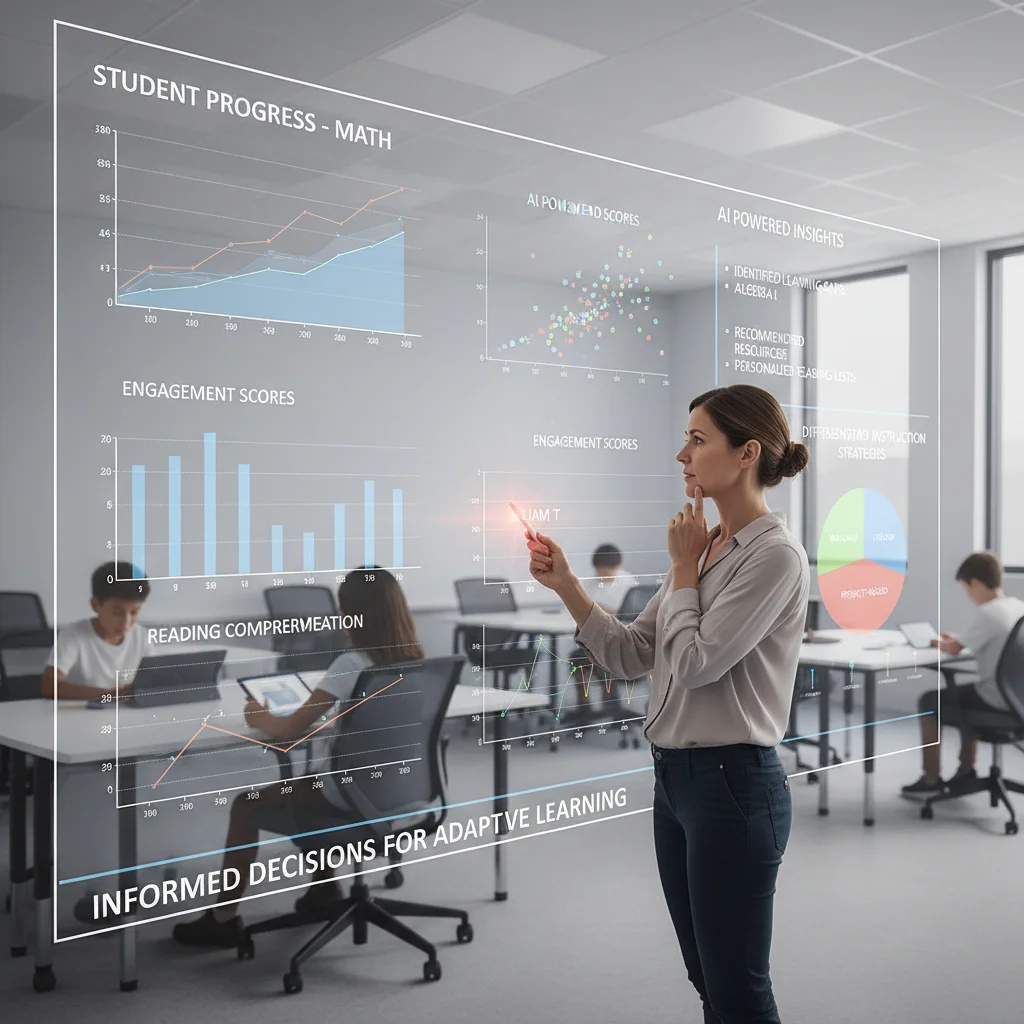
Track Progress Continuously: Monitoring student performance across various activities and providing ongoing feedback.
Identify Strengths and Weaknesses: Pinpointing specific areas where a student excels or struggles, allowing for targeted intervention.
Provide Predictive Analytics: AI can predict which students are at risk of falling behind and flag them for early support.
Assess Non-Cognitive Skills: Potentially, AI could help assess skills like collaboration, problem-solving, and creativity through analysis of project work and group interactions.
This shift towards adaptive and continuous assessment provides a more holistic view of student learning and development, moving away from a pass/fail mentality to one of continuous growth.
Dynamic Curriculum Development
Curricula traditionally remain static for years. However, with AI, curriculum development can become far more dynamic and responsive. AI can analyze:
Industry Needs: Identifying emerging skills and knowledge required by the workforce, allowing educational institutions to update their offerings rapidly.
Student Engagement Data: Highlighting which parts of a curriculum are most engaging and effective, and which need revision.
Global Trends: Incorporating interdisciplinary topics and global perspectives to prepare students for an interconnected world.
This agility in curriculum design ensures that education remains relevant and prepares students for future challenges, a key aspect of the ongoing AI education transformation.
Preparing for the Future: Recommendations for Stakeholders
To successfully navigate the AI education transformation by 2027, all stakeholders – policymakers, school administrators, educators, parents, and students – must actively participate in preparing for this future.
For Policymakers and Administrators:
Develop Clear Roadmaps: Create national and state-level strategies for AI integration in education, including funding, infrastructure, and ethical guidelines.
Invest in Infrastructure: Ensure all schools have reliable internet access and appropriate technological devices to support AI-driven learning.
Prioritize Professional Development: Allocate significant resources for ongoing teacher training and support in AI literacy and integration.
Foster Public-Private Partnerships: Collaborate with EdTech companies and AI developers to ensure solutions are innovative, ethical, and meet educational needs.
For Educators:
Embrace Lifelong Learning: Stay updated on AI advancements and actively participate in professional development opportunities.
Experiment and Innovate: Be open to trying new AI tools and pedagogical approaches in the classroom.
Focus on Human Skills: Emphasize critical thinking, creativity, collaboration, and emotional intelligence – skills that AI cannot replicate.
Advocate for Resources: Communicate needs for training and technology to school leadership.
For Parents and Students:
Understand AI’s Role: Learn about how AI is being used in education and its benefits.
Engage with Schools: Ask questions about AI implementation, data privacy, and how it will impact learning.
Develop AI Literacy: For students, understanding the basics of AI, its applications, and its ethical implications will be a crucial skill for the future.
Conclusion: A Brighter Future for U.S. Education
The AI education transformation is not a distant dream but a rapidly approaching reality. By 2027, AI will have fundamentally reshaped the U.S. education system, offering unprecedented opportunities for personalized learning, administrative efficiency, and improved educational outcomes. While challenges related to ethics, data privacy, and teacher training must be addressed thoughtfully, the potential benefits far outweigh the hurdles.
This transformation promises a future where every student receives an education tailored to their unique needs, where educators are empowered with powerful tools, and where learning is more engaging, effective, and equitable. By understanding the practical solutions and embracing the insider knowledge shared, we can collectively ensure that the integration of AI leads to a brighter, more innovative future for education in the United States.
The journey towards a fully AI-integrated educational system is complex, requiring collaboration, foresight, and a commitment to continuous improvement. However, the rewards – a generation of well-prepared, critically thinking, and adaptable individuals – are well worth the effort. The future of learning is intelligent, and it is here.
Matheus Neiva has a degree in Communication and a specialization in Digital Marketing. Working as a writer, he dedicates himself to researching and creating informative content, always seeking to convey information clearly and accurately to the public.