U.S. Renewable Energy Storage: 2027 Outlook & Key Advancements
U.S. Renewable Energy Storage: Key Advancements by 2027 (Recent Updates, Insider Knowledge)
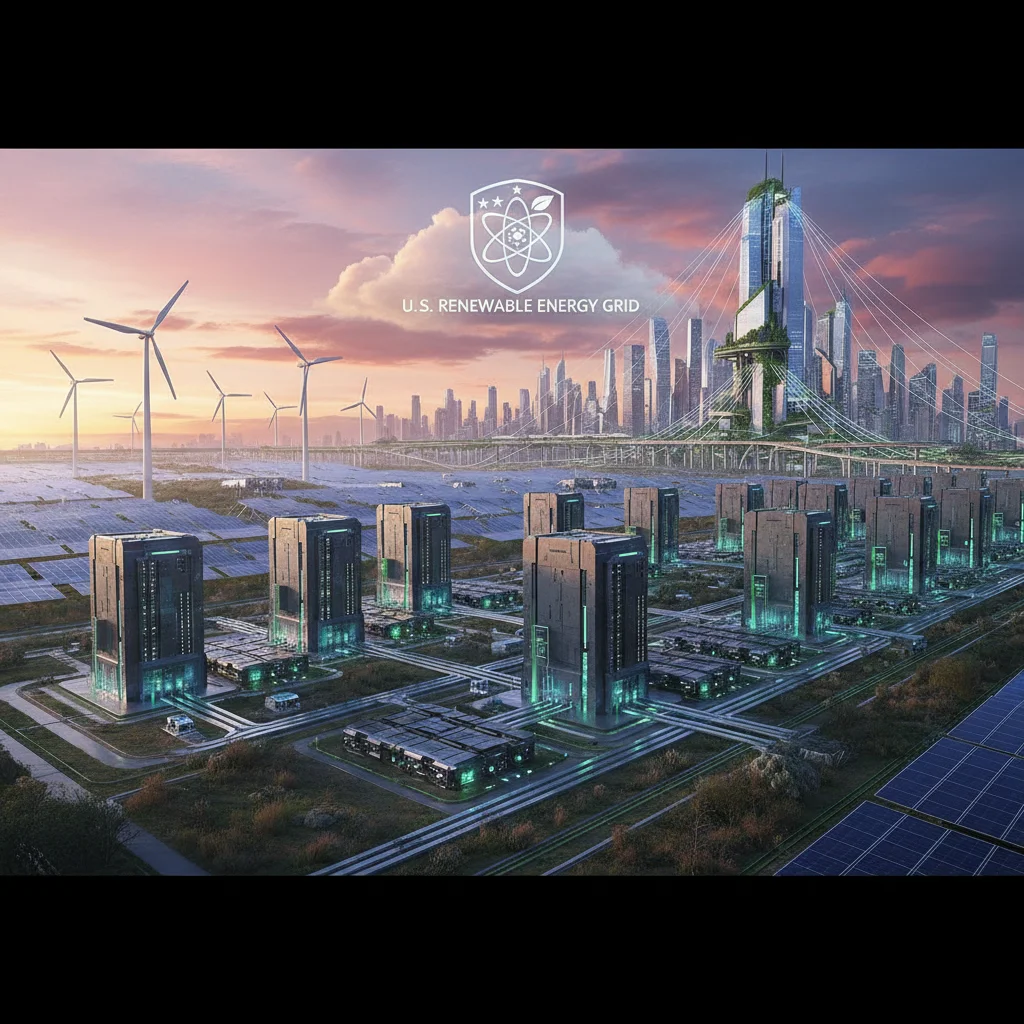
The landscape of energy production and consumption in the United States is undergoing a monumental transformation, driven by an accelerating shift towards renewable sources. However, the inherent intermittency of solar and wind power presents a significant challenge: how to ensure a stable and reliable electricity supply. This is where U.S. energy storage plays an absolutely critical role. By 2027, we anticipate not just incremental improvements, but revolutionary advancements that will fundamentally reshape the nation’s energy infrastructure. This comprehensive outlook delves into the technological breakthroughs, policy catalysts, market trends, and strategic investments that are poised to define the next chapter of renewable energy storage in the U.S.
The urgency to develop robust energy storage solutions is multifaceted. It stems from ambitious decarbonization goals, the increasing frequency and intensity of extreme weather events necessitating grid resilience, and the economic imperative to optimize renewable asset utilization. As the U.S. pushes towards a cleaner energy future, the ability to store vast amounts of energy efficiently and cost-effectively becomes the linchpin of success. This article will provide an insider’s perspective on the trajectory of U.S. energy storage, offering insights into what stakeholders can expect in the coming years.
The Evolving Landscape of Battery Technologies for U.S. Energy Storage
At the heart of the U.S. energy storage revolution are advancements in battery technologies. While lithium-ion batteries currently dominate the market due to their high energy density and decreasing costs, the demands of grid-scale applications are prompting significant research and development into a diverse array of alternatives. By 2027, we expect a more diversified portfolio of battery chemistries to be commercially viable and widely deployed across the U.S.
Lithium-Ion Dominance and its Evolution
Lithium-ion technology, particularly NMC (nickel-manganese-cobalt) and LFP (lithium iron phosphate), will continue to be a cornerstone of U.S. energy storage. However, the focus will shift towards enhancing their longevity, safety, and supply chain sustainability. Innovations in solid-state electrolytes promise increased energy density and reduced fire risks, potentially allowing for more compact and safer installations. Furthermore, battery management systems (BMS) are becoming increasingly sophisticated, extending battery life and optimizing performance through advanced algorithms and artificial intelligence. Expect to see widespread deployment of ‘second-life’ lithium-ion batteries from electric vehicles, repurposed for stationary grid applications, which offers a sustainable and cost-effective solution for reducing waste and maximizing resource utility.
Beyond Lithium-Ion: Emerging Alternatives
The quest for cheaper, safer, and more abundant materials is fueling interest in alternatives. Flow batteries, for instance, are gaining traction for long-duration storage applications. These systems store energy in liquid electrolyte solutions in external tanks, allowing for independent scaling of power and energy capacity. Vanadium redox flow batteries are already in limited deployment, but by 2027, newer chemistries like zinc-bromine or iron-chromium flow batteries are expected to mature, offering competitive solutions for multi-hour to multi-day storage needs. Their ability to cycle thousands of times without degradation makes them particularly appealing for grid stabilization and renewable firming.
Another promising area is sodium-ion batteries. With sodium being significantly more abundant and cheaper than lithium, this technology holds immense potential for reducing material costs and supply chain dependencies. While currently lagging behind lithium-ion in energy density, rapid advancements are being made, and by 2027, sodium-ion batteries could start to carve out a significant niche in stationary U.S. energy storage, especially in regions where cost-effectiveness is paramount. Research into advanced lead-acid batteries and even novel concepts like molten salt batteries for very long-duration, high-temperature storage also continues, albeit at a slower pace for widespread commercialization by 2027.
Policy and Regulatory Drivers Shaping U.S. Energy Storage
The rapid growth of U.S. energy storage is not solely a technological phenomenon; it is heavily influenced by a supportive policy and regulatory environment. Federal and state-level initiatives are providing the necessary incentives and frameworks to accelerate deployment and integration.
Federal Initiatives and Incentives
The Inflation Reduction Act (IRA) of 2022 stands as a monumental piece of legislation for U.S. energy storage. It provides a significant boost through tax credits, particularly the standalone energy storage investment tax credit (ITC), which offers a 30% credit for eligible projects. This direct financial incentive has dramatically improved the economics of energy storage, making projects more attractive to developers and investors. Furthermore, the IRA includes provisions for domestic manufacturing, aiming to build a robust U.S. supply chain for battery components and systems, reducing reliance on foreign sources and creating domestic jobs. This focus on domestic content is critical for national energy security and economic resilience.
Beyond the IRA, federal funding through the Department of Energy (DOE) for research, development, and demonstration projects continues to de-risk innovative storage technologies. Programs like the Long Duration Energy Storage (LDES) initiative are specifically targeting technologies capable of storing energy for 10+ hours, addressing a critical gap in the current market. These initiatives are crucial for bringing nascent technologies to commercial readiness and scaling them for widespread adoption across the U.S. energy storage ecosystem.
State-Level Mandates and Programs
Many U.S. states are leading the charge with their own ambitious energy storage targets and incentive programs. States like California, New York, and Massachusetts have established procurement mandates or financial incentives that have spurred significant deployment. California, for instance, has set aggressive targets for utility-scale storage, while New York’s ‘NY-SUN’ program offers incentives for distributed energy storage. These state-level policies often serve as incubators for new business models and regulatory frameworks that can later be adopted more broadly.
Regulatory bodies, particularly the Federal Energy Regulatory Commission (FERC), have also played a pivotal role. FERC Order 841, for example, removed significant barriers to energy storage participation in wholesale electricity markets, requiring grid operators to establish rules that recognize energy storage as a distinct asset class capable of providing multiple grid services. This regulatory clarity has unlocked new revenue streams for storage projects, enhancing their financial viability and accelerating their integration into the grid. The combined effect of these federal and state policies creates a powerful tailwind for the expansion of U.S. energy storage capacity by 2027.
Grid Modernization and Integration of U.S. Energy Storage
The true value of U.S. energy storage is realized when it is seamlessly integrated into a modernized, intelligent electricity grid. By 2027, we will see significant advancements in how storage assets interact with the grid, providing a multitude of services beyond simply storing and dispatching energy.
Enhancing Grid Stability and Resilience
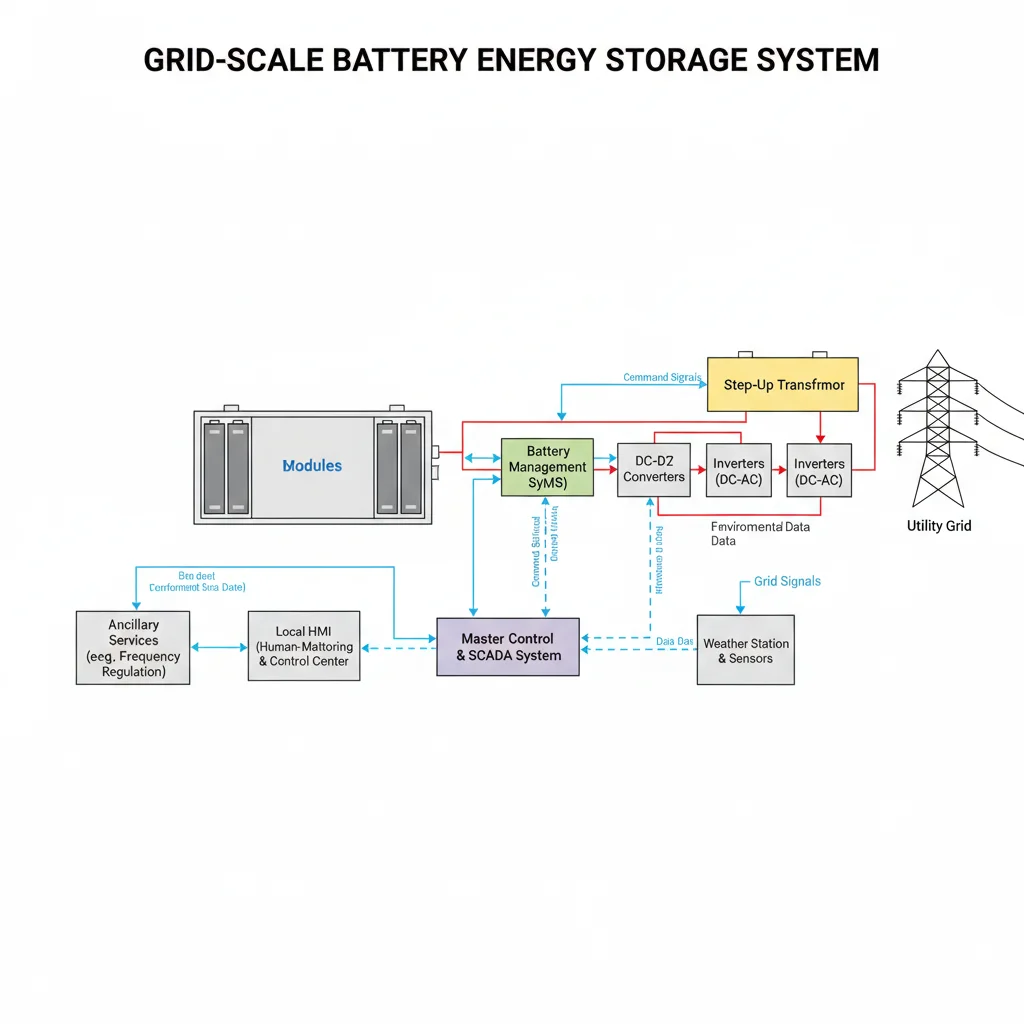
Energy storage systems are becoming indispensable tools for grid operators to maintain stability. They can provide essential ancillary services such as frequency regulation, voltage support, and black start capabilities. As more intermittent renewables come online, storage acts as a buffer, absorbing excess generation and injecting power when demand is high or renewable output is low. This dynamic balancing act is crucial for preventing grid instability and ensuring continuous power supply. The increasing prevalence of extreme weather events, from heatwaves to winter storms, highlights the need for a resilient grid. Distributed energy storage, whether behind-the-meter or community-scale, can provide backup power during outages, creating microgrids that can operate independently when the main grid is down. This enhanced resilience is a key driver for U.S. energy storage deployment.
Advanced Software and Control Systems
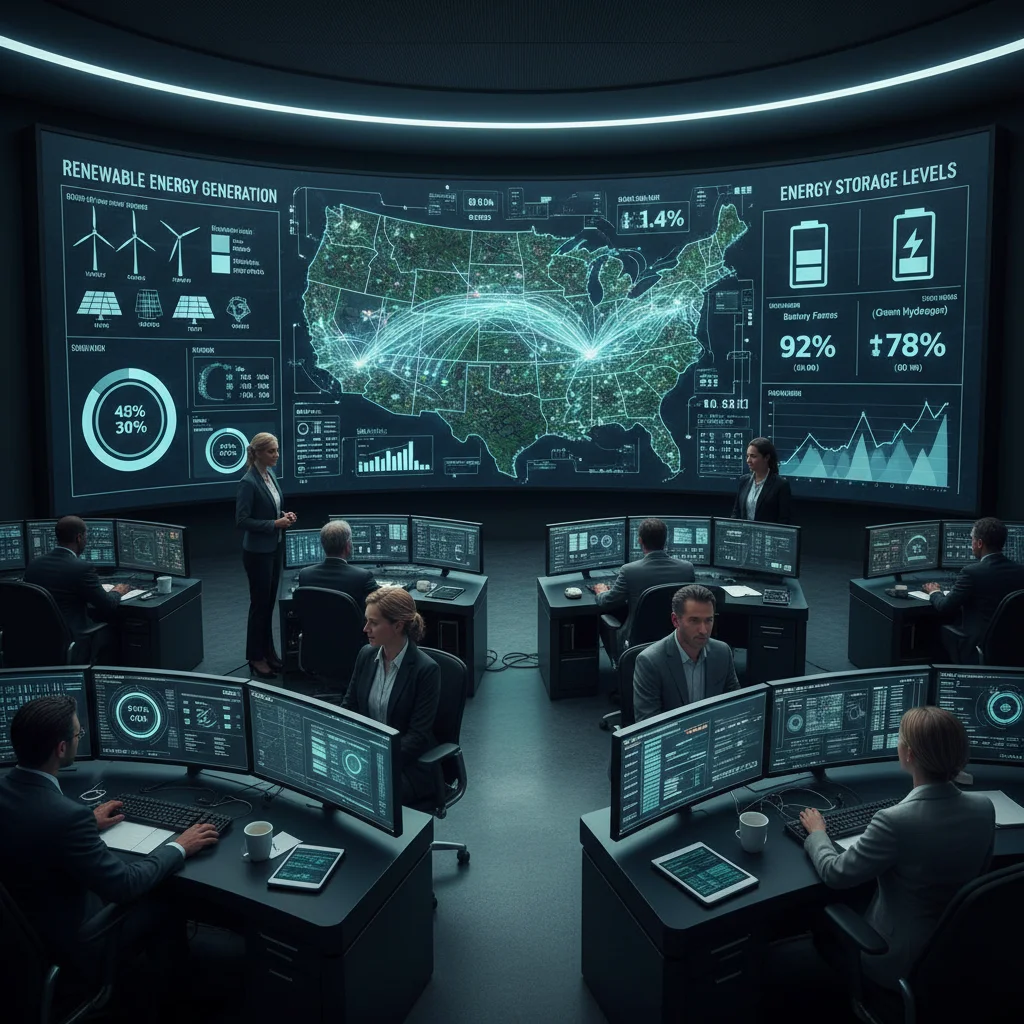
The intelligence layer of U.S. energy storage is rapidly evolving. Advanced software and control systems, often leveraging artificial intelligence and machine learning, are optimizing the performance of storage assets. These systems can predict renewable energy generation and load patterns, dispatch stored energy optimally to maximize revenue or grid benefits, and coordinate with other distributed energy resources (DERs). For instance, virtual power plants (VPPs) are emerging, aggregating numerous distributed storage systems, solar panels, and smart thermostats into a single, dispatchable resource that can provide services to the grid operator. This sophisticated orchestration is transforming passive energy assets into active participants in the electricity markets.
Transmission and Distribution Deferral
Energy storage offers a cost-effective alternative to traditional grid infrastructure upgrades. Instead of building new transmission lines or upgrading substations to handle peak loads or integrate new renewable generation, strategically placed storage systems can defer or even avoid these expensive investments. By discharging during peak demand periods, storage can alleviate congestion on the grid and improve asset utilization. This concept of non-wires alternatives (NWAs) is gaining significant traction among utilities across the U.S., realizing substantial cost savings for ratepayers. By 2027, NWA projects incorporating U.S. energy storage will be a common feature in utility planning and infrastructure development.
Market Trends and Economic Drivers for U.S. Energy Storage
The economic viability of U.S. energy storage has improved dramatically, driven by declining costs, new revenue streams, and increasing market demand. These trends are creating a robust investment environment and accelerating deployment.
Declining Costs and Improved Economics
The cost of battery storage, particularly lithium-ion, has fallen precipitously over the past decade, mirroring the trajectory of solar PV. While the rate of decline may slow, continued innovation, economies of scale in manufacturing, and increased competition will ensure further cost reductions by 2027. This makes storage increasingly competitive with traditional peaker plants and other grid services. Coupled with the federal ITC and state incentives, the levelized cost of storage (LCOS) is becoming highly attractive for a wide range of applications, from utility-scale to commercial and residential.
New Revenue Streams and Business Models
Beyond traditional energy arbitrage (buying low, selling high), U.S. energy storage systems can generate revenue from multiple sources. These include providing ancillary services to wholesale markets (frequency regulation, reserves), capacity payments for ensuring resource adequacy, and demand charge management for commercial and industrial customers. The ability of storage to stack multiple value streams significantly enhances project economics. New business models, such as ‘storage-as-a-service’ and third-party ownership models, are also emerging, reducing upfront costs for customers and accelerating adoption. Utilities are increasingly exploring ownership and operation of storage assets, or partnering with independent power producers (IPPs) to integrate storage into their portfolios.
Increasing Demand Across Sectors
Demand for U.S. energy storage is growing across all sectors:
- Utility-Scale: Large-scale projects co-located with or stand-alone from renewable generation are becoming standard for renewable firming, peak shaving, and grid reliability.
- Commercial & Industrial (C&I): Businesses are deploying storage to reduce peak demand charges, enhance energy resilience, and integrate with on-site solar.
- Residential: Homeowners are combining solar PV with battery storage for energy independence, backup power, and to optimize self-consumption, especially in areas with time-of-use rates or frequent outages.
- Transportation Electrification: The rapid growth of electric vehicles (EVs) is creating immense demand for charging infrastructure, which can be supported and optimized by integrating stationary storage.
This broad-based demand ensures a robust market outlook for U.S. energy storage through 2027 and beyond.
Challenges and Opportunities for U.S. Energy Storage by 2027
While the future of U.S. energy storage is bright, several challenges must be addressed to unlock its full potential. These challenges also present significant opportunities for innovation and strategic investment.
Supply Chain and Raw Material Constraints
The rapid expansion of battery manufacturing raises concerns about the supply chains for critical raw materials like lithium, cobalt, and nickel. Geopolitical risks, ethical sourcing concerns, and potential price volatility could impact deployment timelines and costs. The U.S. is actively working to establish domestic mining, processing, and manufacturing capabilities to mitigate these risks. Recycling and repurposing initiatives are also crucial for creating a circular economy for batteries, reducing reliance on virgin materials. By 2027, we expect to see significant progress in establishing a more resilient and sustainable domestic supply chain for U.S. energy storage components.
Interconnection and Permitting Hurdles
Connecting new energy storage projects to the grid can be a complex and lengthy process, often encountering significant delays. Outdated interconnection queues, lengthy study processes, and a lack of standardized procedures can slow deployment. Regulatory bodies and utilities are working to streamline these processes, but significant improvements are still needed. Similarly, local permitting can be a bottleneck, requiring education and standardization to ensure efficient project development. Addressing these administrative hurdles is vital for accelerating the pace of U.S. energy storage deployment.
Safety and Standardization
As energy storage systems become more ubiquitous, ensuring their safety is paramount. Standards for fire safety, electrical codes, and operational protocols are continually evolving. Research into inherently safer battery chemistries and advanced thermal management systems is ongoing. Furthermore, standardization of communication protocols and interoperability between different storage systems, grid components, and software platforms is essential for seamless integration and optimal performance. The industry is actively collaborating to develop and implement these standards, enhancing confidence in U.S. energy storage technologies.
Workforce Development
The rapid growth of the U.S. energy storage industry creates a demand for a skilled workforce, from engineers and technicians to project managers and installers. Investing in education, training programs, and vocational schools is crucial to ensure a pipeline of qualified professionals. This includes training for battery manufacturing, installation, operation, and maintenance of complex storage systems. Bridging the skills gap is a key opportunity to create new jobs and support the sustainable growth of the sector.
The Path Forward: U.S. Energy Storage by 2027 and Beyond
By 2027, the role of U.S. energy storage will be fundamentally transformed. It will move beyond being a niche technology to an indispensable component of a modern, resilient, and decarbonized electricity grid. We can anticipate:
- Diversified Portfolio: A more balanced mix of battery chemistries, including advanced lithium-ion, flow batteries, and potentially sodium-ion, tailored for different duration and power requirements.
- Enhanced Grid Intelligence: Widespread adoption of AI-driven control systems, VPPs, and sophisticated grid integration platforms that optimize storage performance and provide multiple grid services.
- Robust Policy Support: Continued federal and state incentives, alongside streamlined regulatory processes, that foster investment and accelerate deployment.
- Domestic Supply Chain Growth: Significant progress in establishing a U.S.-centric supply chain for battery manufacturing, reducing geopolitical risks and creating economic opportunities.
- Increased Resilience: Energy storage playing a critical role in enhancing grid resilience against extreme weather events and cyber threats, particularly through distributed and microgrid deployments.
The journey towards a fully decarbonized and resilient energy system is complex, but U.S. energy storage is unequivocally a key enabler. The advancements expected by 2027 will not only solidify its position but also pave the way for even more transformative changes in the decades to come. Stakeholders from policymakers and utilities to technology developers and consumers all have a role to play in realizing this vision. The future of energy is stored, and the U.S. is poised to lead the way.
Conclusion
The next few years are pivotal for U.S. energy storage. The confluence of technological innovation, supportive policy, and growing market demand is creating an unprecedented opportunity to build a more sustainable, reliable, and equitable energy system. By 2027, the advancements in battery technology, the maturation of grid integration strategies, and the robust policy frameworks will collectively propel the U.S. to the forefront of global energy storage deployment. The insights shared here underscore a future where energy is not just generated, but intelligently stored and dispatched, ensuring a stable and prosperous low-carbon future for all Americans. The commitment to innovation and strategic investment in this critical sector will undoubtedly yield substantial dividends, making the U.S. a true leader in the global energy transition.