Creator Economy 2026: Cultural Shifts for American Artists & Influencers
The creator economy is rapidly evolving. This article delves into the projected cultural shifts by 2026, analyzing how American artists and influencers will navigate new platforms, revenue models, and societal expectations.
By: Matheus Neiva on September 14, 2026
Creator Economy 2026: Cultural Shifts for American Artists & Influencers
Navigating the Creator Economy: 2026 Cultural Implications for American Artists and Influencers
The digital landscape is a constantly shifting canvas, and at its heart lies the creator economy. What began as a niche for early adopters has blossomed into a formidable force, reshaping industries, redefining careers, and fundamentally altering how culture is produced, consumed, and valued. As we hurtle towards 2026, the cultural implications of this burgeoning economy for American artists and influencers are becoming clearer, presenting both unprecedented opportunities and significant challenges. This comprehensive exploration delves into the projected shifts, examining how technology, societal expectations, and economic models will converge to redefine the creative professional’s journey.
The term ‘creator economy’ encompasses a vast ecosystem: independent artists, musicians, writers, videographers, gamers, educators, and more, who leverage digital platforms to monetize their skills and content directly to their audience. This direct-to-consumer model has democratized access to audiences and revenue streams, bypassing traditional gatekeepers. However, this liberation comes with its own set of complexities, demanding adaptability, business acumen, and a deep understanding of evolving digital trends. By 2026, the creator economy will not merely be an alternative career path; it will be a dominant cultural force, influencing everything from education and politics to entertainment and social interaction.
The Democratization of Creativity: A Double-Edged Sword
One of the most profound cultural shifts driven by the creator economy 2026 is the continued democratization of creativity. Barriers to entry for artists and influencers have never been lower. A smartphone, an internet connection, and a unique voice are often all that’s required to start building an audience. This has led to an explosion of diverse voices and content, challenging established norms and fostering a more inclusive cultural landscape. Niche communities, once relegated to the fringes, now thrive online, providing platforms for voices that might have been overlooked by mainstream media.
However, this democratization is a double-edged sword. While it empowers individuals, it also leads to immense competition. The sheer volume of content vying for attention means that standing out requires more than just talent; it demands strategic content creation, consistent engagement, and a savvy approach to personal branding. By 2026, the ability to cultivate an authentic connection with an audience will be paramount, moving beyond superficial metrics like follower counts to deeper engagement and community building.
The cultural impact of this accessibility is multifold. We are witnessing a decentralization of cultural influence, with trends often originating from independent creators rather than traditional media conglomerates. This can lead to faster cultural shifts, more fluid trends, and a greater responsiveness to audience desires. American artists and influencers, by 2026, will be at the forefront of shaping these rapid cultural cycles, acting as tastemakers and trendsetters in real-time.
New Metrics of Success and Value
Traditionally, success for artists was measured by record deals, gallery exhibitions, or publishing contracts. For public figures, it was box office numbers or television ratings. The creator economy has introduced entirely new metrics. Engagement rates, patron subscriptions, merchandise sales, and direct fan support are now equally, if not more, important indicators of a creator’s viability and cultural impact. By 2026, the perception of ‘value’ in creative work will have further evolved, emphasizing direct audience connection and sustainable, diversified revenue streams over fleeting viral moments.
This shift also means a re-evaluation of what constitutes ‘work’ itself. For many American artists and influencers, their entire life can become content, blurring the lines between personal and professional. While this authenticity can foster deep connections, it also raises questions about privacy, mental health, and the pressure to constantly perform. The cultural conversation around these boundaries will intensify by 2026, with creators and platforms alike seeking healthier, more sustainable models for content creation.
Economic Restructuring: Beyond the Gig Economy
The creator economy 2026 is often conflated with the gig economy, but it represents a distinct evolution. While both involve independent work, the creator economy emphasizes building intellectual property, cultivating a personal brand, and fostering direct relationships with an audience, often leading to more sustainable and scalable ventures. By 2026, we will see a further solidification of this distinction, with creators establishing more robust business structures around their personal brands.
For American artists, this means a shift away from relying solely on traditional grants or gallery sales. Musicians can release albums directly to fans, bypassing labels; visual artists can sell prints and original works through their own online stores; writers can self-publish and build a readership without a publishing house. This economic independence empowers creators but also places the onus of marketing, business management, and financial planning squarely on their shoulders. The cultural expectation for creators to be multi-hyphenate entrepreneurs will be firmly entrenched by 2026.
Diversified Revenue Streams and Financial Stability
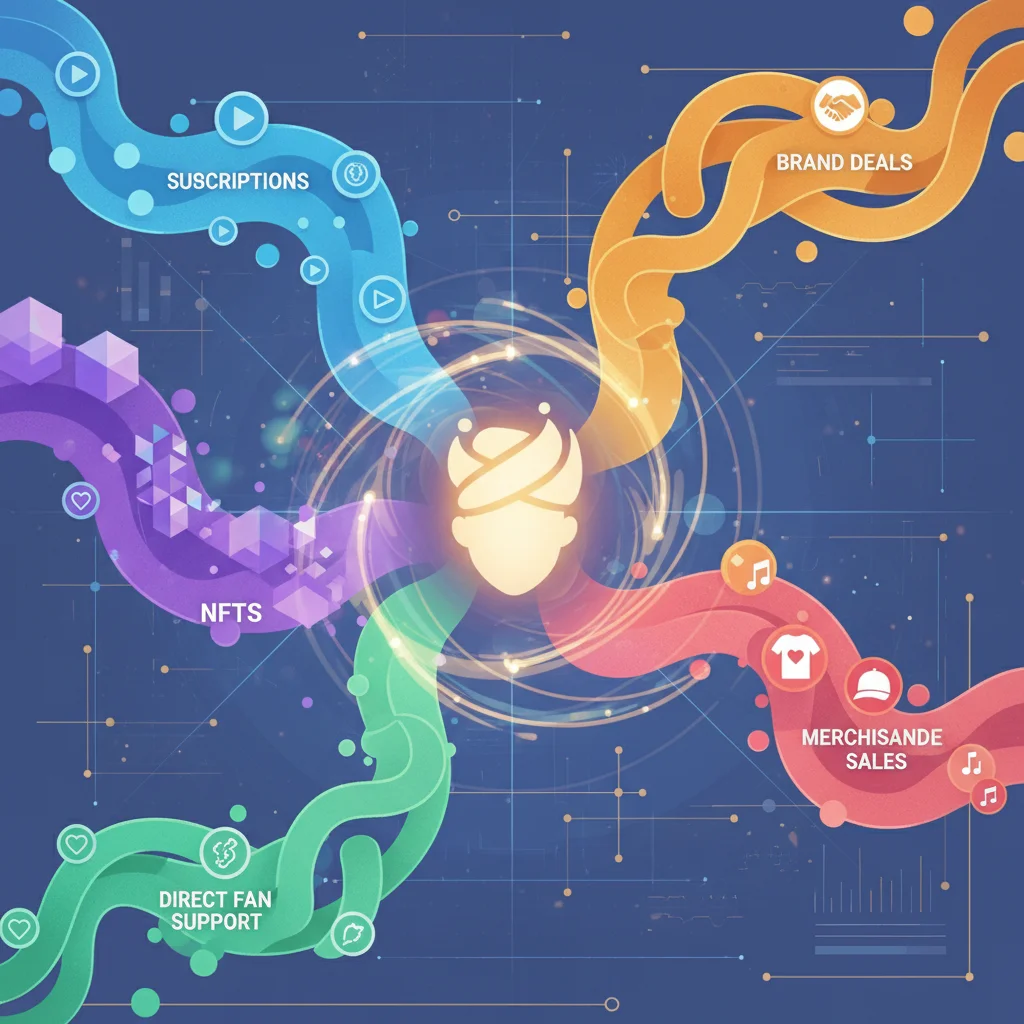
A key characteristic of the evolving creator economy is the diversification of revenue streams. By 2026, relying on a single platform or income source will be seen as financially precarious. Successful American artists and influencers will have mastered a portfolio approach to income, combining elements like:
Subscription Services: Platforms like Patreon, Substack, and YouTube Memberships allow fans to directly support creators for exclusive content or access.
Brand Partnerships and Sponsorships: Collaborating with brands remains a significant income source, but the emphasis will shift towards authentic, long-term partnerships that align with the creator’s values and audience.
Digital Products and Merchandise: Selling e-books, online courses, digital art, custom merchandise, and physical products directly to fans.
NFTs and Web3 Technologies: The nascent Web3 space, with its focus on decentralized ownership and digital scarcity, offers new avenues for artists to monetize their work and engage with collectors. By 2026, the practical applications and cultural acceptance of NFTs for creators will likely be more defined, moving beyond speculative hype.
Live Experiences: Virtual concerts, interactive workshops, and meet-and-greets, both online and in-person, offer unique ways to monetize audience connection.
This diversification provides greater financial stability and allows creators to weather the unpredictable nature of algorithm changes and platform policies. Culturally, this means a greater appreciation for the entrepreneurial spirit within the arts, challenging the romanticized notion of the ‘starving artist’ and promoting sustainable creative careers.
The Rise of Micro-Communities and Niche Content
The mainstream media landscape has historically catered to broad audiences, often homogenizing cultural output. The creator economy 2026, however, thrives on specificity. American artists and influencers are increasingly finding success by catering to highly specific, passionate niche communities. Whether it’s a creator dedicated to vintage animation, a musician specializing in obscure folk instruments, or an influencer reviewing sustainable fashion brands, the ability to connect deeply with a smaller, dedicated audience is proving more valuable than reaching millions superficially.
Culturally, this fosters a more fragmented yet richer tapestry of interests. People can find content and communities that perfectly align with their unique passions, leading to stronger bonds and a greater sense of belonging. This also means that cultural trends can emerge from unexpected corners, driven by the collective enthusiasm of these micro-communities. By 2026, the influence of these niche creators will be undeniable, often shaping mainstream discourse and consumption patterns.
Authenticity and Relatability as Cultural Currency
In a world saturated with highly polished, often manufactured content, authenticity has become the ultimate cultural currency within the creator economy. Audiences, especially younger demographics, crave genuine connection and relatability. They want to follow creators who are transparent about their struggles, share their vulnerabilities, and engage in meaningful dialogue. By 2026, the distinction between a ‘celebrity’ and a ‘creator’ will be more pronounced, with creators often valued more for their perceived authenticity and direct connection than for their traditional fame.
This emphasis on authenticity has profound implications for how American artists and influencers present themselves. It encourages a more personal, less curated approach, fostering a sense of intimacy between creator and audience. However, it also creates pressure to constantly share, potentially leading to burnout or a feeling of always being ‘on.’ The cultural conversation around balancing authenticity with personal boundaries will be a key theme by 2026, as creators navigate the demands of their platforms and their own well-being.
Ethical Considerations and Platform Governance
As the creator economy matures, so do the ethical considerations and the need for robust platform governance. By 2026, issues such as intellectual property rights, fair compensation, data privacy, and the spread of misinformation will be at the forefront of public and regulatory debate. American artists and influencers, often operating as independent entities, are particularly vulnerable to exploitative practices or sudden changes in platform policies.
Culturally, there will be increasing pressure on major platforms to provide more transparency, better support for creators, and clearer guidelines regarding content moderation and monetization. The collective voice of creators will likely grow stronger, advocating for better working conditions and more equitable distribution of revenue. We may see the emergence of creator unions or advocacy groups playing a more significant role in shaping the future of the creator economy 2026.
The Impact of AI on Creative Work
The rapid advancement of Artificial Intelligence (AI) poses both exciting possibilities and significant challenges for American artists and influencers. By 2026, AI will be increasingly integrated into creative workflows, from generating initial concepts and automating repetitive tasks to assisting with editing and even creating entire pieces of content. This will undoubtedly enhance efficiency and open new creative avenues.
However, the cultural implications are complex. Questions around authorship, copyright, and the value of human creativity in an AI-assisted world will intensify. Will AI be seen as a tool for augmentation or a threat to human artistry? The response from the creative community will shape the ethical frameworks and cultural norms surrounding AI in the arts. American artists and influencers will need to adapt, learning to leverage AI effectively while also asserting the unique value of human-generated content and emotion. The cultural dialogue around the intersection of AI and creativity will be one of the most defining conversations of the mid-2020s.
Education and Skill Development for the Future Creator
The traditional educational system has been slow to adapt to the demands of the creator economy. By 2026, there will be a growing recognition of the need for specialized education and skill development programs tailored to aspiring American artists and influencers. This goes beyond artistic technique to include crucial business, marketing, legal, and financial literacy skills.
Culturally, we will see a shift in how creative careers are perceived in educational settings. Parents, educators, and students will increasingly view content creation as a viable and respected profession, leading to the development of more formal pathways for learning. Online courses, workshops, and mentorship programs led by successful creators will also proliferate, providing practical, real-world knowledge that traditional institutions may lack. The cultural value placed on digital entrepreneurship and personal branding will influence curriculum development from high school to university levels.
Community Building and Collaboration
While often seen as solitary endeavors, successful careers in the creator economy 2026 are increasingly built on community and collaboration. American artists and influencers are forming strong networks, supporting each other, cross-promoting content, and collaborating on projects. This spirit of community is a vital cultural counter-narrative to the often-individualistic nature of digital fame.
Culturally, this fosters a more collaborative and less competitive environment within certain creative niches. It allows for shared learning, emotional support, and the amplification of diverse voices. By 2026, the ability to effectively network and collaborate will be a critical skill for any aspiring creator, emphasizing the importance of interpersonal skills even in a largely digital domain. These communities also serve as powerful advocacy groups, giving creators a stronger collective voice in negotiations with platforms and brands.
The Evolving Role of American Influencers in Society
Influencers, by their very definition, wield significant cultural power. By 2026, their role in American society will be even more complex and multifaceted. Beyond promoting products, influencers are increasingly becoming sources of news, education, political commentary, and social activism. This presents both opportunities and responsibilities.
Culturally, the line between entertainment and information will continue to blur. Audiences will rely on trusted influencers for insights on a wide range of topics, from personal finance to mental health. This necessitates a heightened awareness of ethical responsibilities, fact-checking, and transparency regarding sponsored content. The cultural expectation for influencers to be not just entertainers but also responsible communicators will grow significantly by 2026.
Furthermore, the rise of localized and community-specific influencers will continue. Rather than focusing solely on national or global reach, many American influencers will build powerful, localized followings, impacting local economies and fostering community engagement. This hyper-local influence represents a significant cultural shift, bringing digital trends back to tangible, real-world impact.
Conclusion: A Dynamic Future for the Creator Economy
The creator economy 2026 is poised to be a period of unprecedented transformation for American artists and influencers. The cultural landscape will be characterized by greater democratization of creativity, diversified economic models, the rise of niche communities, and an evolving understanding of authenticity and value. While challenges such as platform governance, AI integration, and the demands of constant creation will persist, the opportunities for independent creators to build sustainable, impactful careers are immense.
Navigating this dynamic future will require adaptability, a commitment to lifelong learning, and a keen understanding of both technological advancements and shifting cultural expectations. American artists and influencers who embrace these changes, cultivate genuine connections, and strategically diversify their efforts will not only survive but thrive, continuing to shape the cultural fabric of the nation in profound and exciting ways. The journey to 2026 is not just about technology; it’s about the human spirit of creativity finding new, powerful avenues for expression and connection in an increasingly digital world.
Matheus Neiva has a degree in Communication and a specialization in Digital Marketing. Working as a writer, he dedicates himself to researching and creating informative content, always seeking to convey information clearly and accurately to the public.