Generational Workplace Communication: Bridging Divides for 2026 Success
Understand the evolving landscape of generational workplace communication. This article delves into the distinct communication styles of Boomers, Gen X, Millennials, and Gen Z, offering actionable strategies for leaders and teams to enhance collaboration and productivity in 2026 and beyond.
By: Matheus Neiva on August 12, 2026
Generational Workplace Communication: Bridging Divides for 2026 Success
Generational Workplace Communication: Bridging Divides for 2026 Success
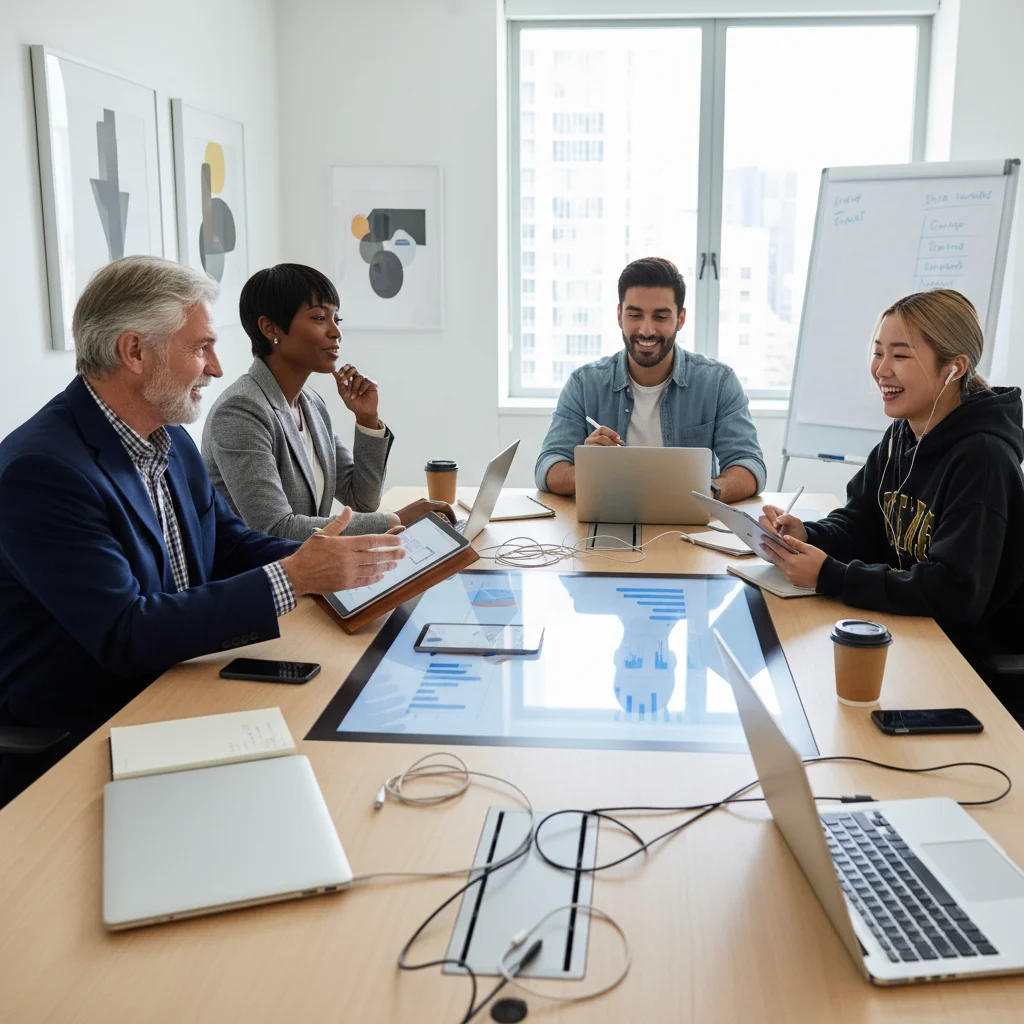
The modern workplace is a vibrant tapestry woven from the diverse experiences, perspectives, and communication styles of multiple generations. As we look towards 2026, understanding and effectively navigating generational workplace communication is not just a soft skill; it’s a critical strategic imperative for organizational success. From the seasoned wisdom of Baby Boomers to the digital native instincts of Gen Z, each generation brings unique attributes that, when harmonized, can unlock unprecedented innovation and productivity. However, without conscious effort, these differences can also lead to misunderstandings, friction, and inefficiencies. This comprehensive analysis will delve into the distinct communication preferences of Baby Boomers, Generation X, Millennials, and Generation Z, offering actionable insights and strategies to foster a cohesive, productive, and inclusive work environment.
Understanding the Generational Landscape in 2026
By 2026, the workforce will be more generationally diverse than ever before. While some Baby Boomers will have retired, a significant portion will remain active, bringing invaluable institutional knowledge and experience. Gen X will be firmly entrenched in leadership roles, acting as the crucial bridge between older and younger generations. Millennials will constitute the largest segment of the workforce, driving innovation and shaping workplace culture. And Gen Z, the true digital natives, will be entering the professional world in full force, bringing with them new expectations and communication paradigms. This multi-generational dynamic presents both challenges and unparalleled opportunities for organizations willing to invest in fostering effective generational workplace communication.
Baby Boomers (Born 1946-1964): The Architects of the Modern Workplace
Baby Boomers, often characterized by their strong work ethic and loyalty, typically value face-to-face interactions, formal meetings, and direct phone calls. For them, communication is often about building rapport and understanding through personal connection. They appreciate clear, concise, and well-structured written communication, such as formal emails or memos, but prefer to discuss complex issues in person. Hierarchy and established protocols often play a significant role in their communication approach. Feedback, for Boomers, is often seen as a formal process, perhaps an annual review, rather than an ongoing, informal dialogue. They value experience and a respectful tone in all interactions. Their emphasis on traditional methods can sometimes be perceived as slow by younger generations, but their thoroughness and attention to detail are invaluable assets.
Generation X (Born 1965-1980): The Independent Bridge Builders
Generation X, often referred to as the ‘latchkey generation,’ values independence, self-reliance, and efficiency. They are pragmatic communicators who appreciate directness and a no-nonsense approach. Email became prevalent during their formative professional years, making it a preferred and efficient communication channel. They are comfortable with both traditional and digital methods, often acting as the bridge between Boomers’ preferences for in-person talks and Millennials’ and Gen Z’s reliance on instant messaging. Gen X values work-life balance and communicates with an eye towards productivity and getting the job done without unnecessary meetings or lengthy discussions. They are skeptical of corporate jargon and prefer authentic, straightforward conversations. Feedback for Gen X is often appreciated when it’s constructive, specific, and helps them improve their performance without micromanagement.
Millennials (Born 1981-1996): The Collaborative Digital Pioneers
Millennials grew up alongside the internet and the rise of social media, making them highly collaborative and digitally adept. They thrive on instant feedback, transparency, and a sense of purpose in their work. Their preferred communication channels include email, instant messaging platforms (like Slack or Microsoft Teams), and video conferencing. They value open dialogue, peer-to-peer collaboration, and often prefer a less formal communication style. Millennials are comfortable blurring the lines between professional and personal communication, often using emojis and more casual language. They seek regular check-ins and appreciate a coaching style of leadership. Their desire for constant connection and feedback can sometimes be overwhelming for older generations, but their ability to foster team cohesion and leverage digital tools for communication is a significant strength in generational workplace communication.
Generation Z (Born 1997-2012): The Hyper-Connected Innovators
Gen Z are true digital natives, having never known a world without the internet or smartphones. They are characterized by their entrepreneurial spirit, desire for authenticity, and hyper-connectedness. Their communication is often visual, concise, and instantaneous. Text messaging, social media direct messages, and short-form video are second nature to them. In the workplace, they favor quick, efficient digital communication, often preferring asynchronous methods that allow them to respond on their own time. They expect quick responses and are adept at multitasking across various communication platforms. Gen Z values diversity, inclusion, and social impact, and their communication often reflects these values. They are comfortable with informal communication but also appreciate clear guidelines and expectations. Their preference for brevity and visual communication can sometimes be misinterpreted as a lack of depth by older generations, but their ability to quickly process information and adapt to new technologies is unparalleled.
Challenges and Opportunities in Generational Workplace Communication
The confluence of these distinct communication styles naturally presents both challenges and opportunities for organizations in 2026. Recognizing these dynamics is the first step towards building a more effective and harmonious workplace.
Common Communication Challenges:
Pace and Urgency: Gen Z and Millennials often expect immediate responses, while Boomers and Gen X might prefer more time for thoughtful consideration, leading to perceived delays or impatience.
Formality vs. Informality: The spectrum ranges from Boomers’ preference for formal, structured communication to Gen Z’s comfort with highly informal, often abbreviated, digital exchanges.
Preferred Medium: A Boomer might pick up the phone, a Gen Xer might send an email, a Millennial might use a team chat, and a Gen Zer might send a direct message on a social platform. This divergence can lead to missed messages or frustration.
Feedback Styles: Younger generations often seek continuous, informal feedback, while older generations may prefer structured, annual reviews, leading to unmet expectations on both sides.
Technology Adoption: While younger generations readily adopt new communication technologies, older generations may require more training and time to adapt, creating a digital divide.
Work-Life Boundaries: Millennials and Gen Z are more comfortable with blurred work-life boundaries in their communication, while Boomers and Gen X often prefer clear distinctions.
Unlocking Opportunities Through Effective Generational Workplace Communication:
Enhanced Innovation: Diverse perspectives brought by varied communication styles can lead to more creative problem-solving and innovative solutions.
Richer Knowledge Transfer: Bridging communication gaps allows for seamless transfer of institutional knowledge from experienced generations to newer ones, preventing loss of expertise.
Stronger Team Cohesion: When employees understand and respect each other’s communication preferences, it fosters empathy, reduces conflict, and builds stronger team bonds.
Increased Productivity: Clear communication reduces misunderstandings, minimizes rework, and streamlines processes, leading to higher overall productivity.
Attraction and Retention: A workplace that values and accommodates diverse communication styles is more attractive to a broader talent pool and encourages long-term retention.
Improved Customer Service: Teams that communicate effectively internally are better equipped to communicate effectively with diverse customers.
Strategies for Bridging the Generational Communication Gap in 2026
Successfully navigating generational workplace communication requires intentional strategies and a commitment from leadership to foster an inclusive environment. Here are key approaches for 2026:
1. Foster Empathy and Understanding:
Generational Awareness Training: Implement workshops that educate employees on the typical communication styles, values, and motivations of each generation. This helps demystify differences and build empathy.
Reverse Mentoring Programs: Pair younger employees with older ones (and vice-versa) to share skills and insights. For example, a Gen Z employee can teach a Boomer about a new communication app, while the Boomer can share insights on navigating organizational politics.
Open Dialogue Sessions: Create forums where employees can openly discuss their communication preferences and challenges without judgment.
2. Establish Clear Communication Guidelines and Tools:
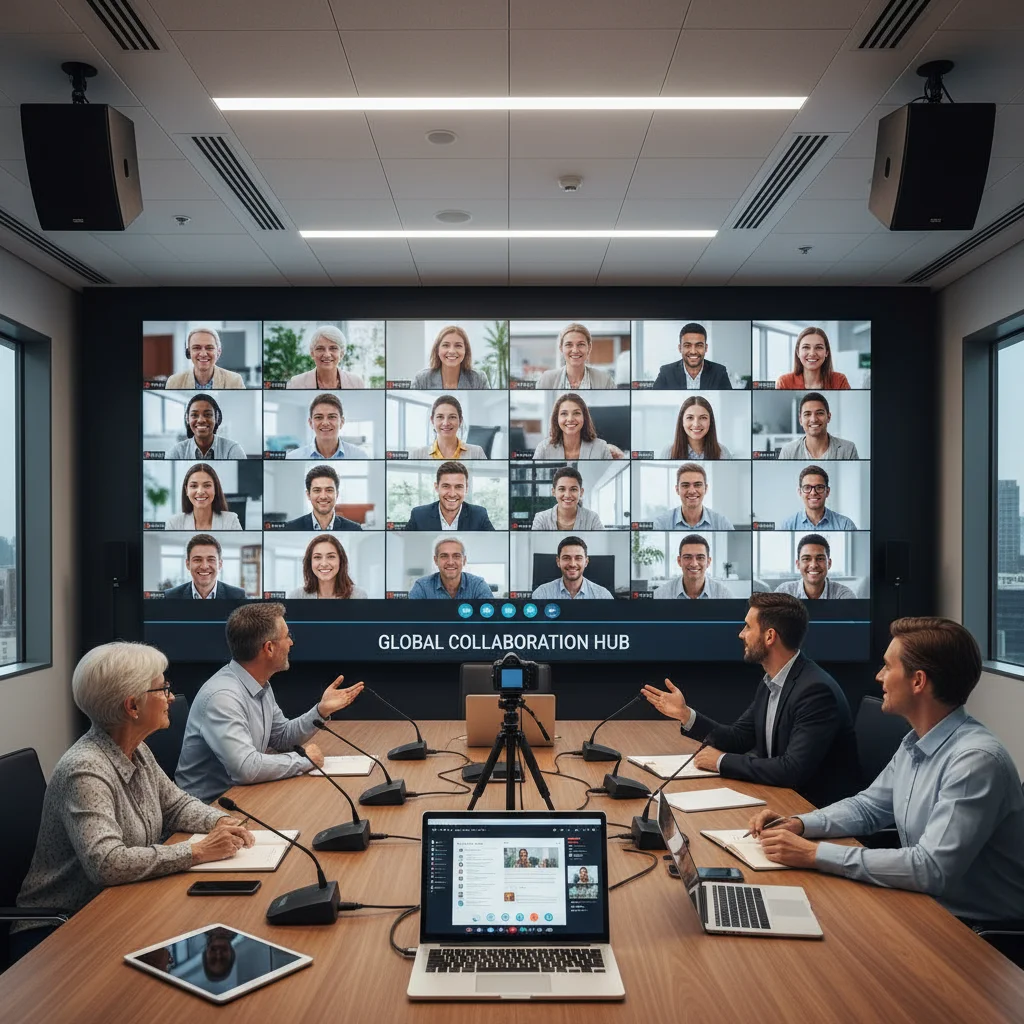
Multi-Channel Approach: Recognize that no single communication channel will suffice. Encourage the use of a blend of tools – from formal email and video conferencing to instant messaging and face-to-face meetings – and provide guidance on when to use each.
Communication Protocols: Develop clear, yet flexible, guidelines for communication. For example, when is an email appropriate versus a quick chat? What are the expected response times for different channels?
Technology Training: Provide ongoing training and support for all employees on new communication technologies. Ensure everyone feels comfortable and proficient, regardless of their generational background.
Standardize Core Information: Use project management tools or a central intranet to store important documents, project updates, and company announcements, ensuring that critical information is accessible to everyone regardless of their preferred communication flow.
3. Adapt Leadership and Management Styles:
Flexible Feedback Mechanisms: Leaders should offer a variety of feedback options, from formal reviews to informal check-ins and instant recognition. Tailor feedback delivery to individual preferences.
Situational Leadership: Managers need to adapt their communication style based on the individual and the situation. Some employees may thrive with autonomy, while others prefer more guidance.
Lead by Example: Leaders who demonstrate flexibility in their own communication – using different channels and adapting their style – set a powerful example for the entire organization.
Focus on Outcomes, Not Methods: Emphasize what needs to be achieved rather than dictating the exact communication method, allowing individuals to use their preferred tools as long as the work gets done effectively.
4. Promote Inclusivity and Psychological Safety:
Value All Voices: Ensure that meeting structures and communication processes allow all generations to contribute effectively. For instance, provide agendas in advance for those who prefer to prepare, and create space for spontaneous input.
Active Listening: Encourage active listening across all levels, ensuring that messages are not just heard but also understood and acknowledged, regardless of how they are delivered.
Culture of Respect: Cultivate a workplace culture where differences in communication styles are respected and seen as strengths, not weaknesses. Address any instances of generational bias or stereotyping immediately.
Clear Purpose and Vision: Communicate the organization’s mission, values, and goals clearly and consistently. This shared understanding provides a common ground that transcends generational communication differences.
The Future of Generational Workplace Communication in 2026 and Beyond
As technology continues to evolve and new generations enter the workforce, the landscape of generational workplace communication will remain dynamic. The key to long-term success lies in an organization’s ability to be agile, adaptable, and continuously learning. Companies that embrace these shifts will not only mitigate potential conflicts but will also harness the full potential of their multi-generational workforce.
In 2026, the most successful organizations will be those that view generational diversity as a strategic advantage. They will invest in training, implement flexible communication policies, and foster a culture of mutual respect and understanding. By doing so, they will create environments where Baby Boomers can share their invaluable wisdom, Gen X can provide stability and strategic direction, Millennials can drive collaborative innovation, and Gen Z can infuse the workplace with fresh perspectives and digital prowess.
The goal is not to force every generation into a single communication mold, but rather to create a flexible framework that accommodates and leverages the strengths of each. This means understanding that a formal email might be preferred by one colleague, while a quick chat message is ideal for another, and a face-to-face discussion is paramount for a third. It’s about empowering individuals to choose the most effective communication method for the task at hand, while also ensuring that everyone is equipped to understand and respond across different channels.
Conclusion: A Harmonious and Productive Future
Navigating generational workplace communication is a continuous journey, not a destination. As we move further into 2026 and beyond, organizations must remain proactive in understanding and adapting to the evolving communication preferences of their diverse workforce. By implementing targeted strategies, fostering empathy, and providing the right tools and training, businesses can transform potential communication friction into a powerful engine for collaboration, innovation, and sustained growth. The future of work is multi-generational, and effective communication is the cornerstone of its success. Embracing these differences will not only lead to a more productive workforce but also to a more harmonious, inclusive, and ultimately, more successful organizational culture for years to come.
Matheus Neiva has a degree in Communication and a specialization in Digital Marketing. Working as a writer, he dedicates himself to researching and creating informative content, always seeking to convey information clearly and accurately to the public.