Micro-Communities 2026: Digital Belonging Shifts in the US
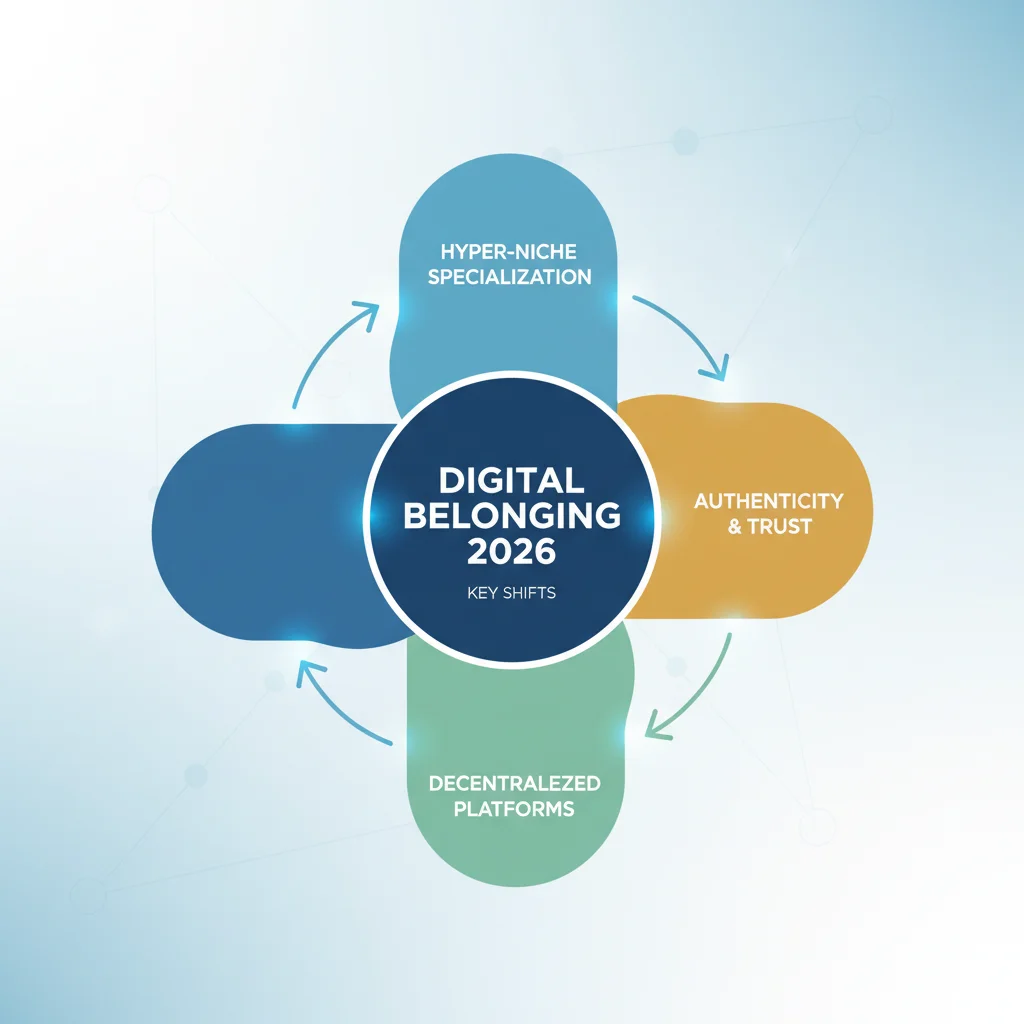
The digital landscape is rapidly shifting, with micro-communities emerging as powerful hubs of connection. This post delves into the three pivotal shifts shaping digital belonging in 2026 across the US, offering insights into their impact.
By: Matheus Neiva on August 7, 2026
Micro-Communities 2026: Digital Belonging Shifts in the US
The Rise of Micro-Communities in 2026: 3 Key Shifts in Digital Belonging Across the US
The digital landscape is a constantly evolving tapestry, and as we hurtle towards 2026, one of its most compelling and transformative threads is the profound shift in how we seek and find belonging online. Gone are the days when a handful of monolithic social media platforms dictated the entirety of our digital interactions. Instead, a powerful new paradigm is emerging: the rise of Micro-Communities 2026. These aren’t just smaller groups; they represent a fundamental re-evaluation of what it means to connect, share, and truly belong in an increasingly fragmented yet hyper-connected world. Across the United States, individuals are actively seeking out spaces that resonate deeply with their specific interests, values, and identities, moving away from broad, often superficial, networks towards more intimate, engaged, and meaningful digital tribes. This isn’t merely a trend; it’s a foundational change in digital human behavior, driven by a collective yearning for authenticity, shared purpose, and genuine connection.
For brands, marketers, community builders, and even individual users, understanding these shifts is not just beneficial but absolutely critical for navigating the future. The ability to identify, engage with, and foster these Micro-Communities 2026 will define success in the coming years. This comprehensive article will delve into the three pivotal shifts that are shaping digital belonging in 2026 across the US, offering insights into their underlying causes, their current manifestations, and their potential future impacts. We will explore how these shifts are not only changing the way we interact but also redefining the very essence of digital identity and collective action. Prepare to journey into a future where niche is the new mainstream, authenticity is the ultimate currency, and decentralized platforms empower a new era of digital self-governance.
Shift 1: Hyper-Niche Specialization – The Era of Ultra-Specific Tribes
The first and arguably most significant shift driving the ascendancy of Micro-Communities 2026 is the relentless march towards hyper-niche specialization. For years, the internet promised to connect us all, and while it largely succeeded, it often did so at the expense of depth and specificity. The vastness of platforms like Facebook or Twitter, while offering unparalleled reach, often diluted conversations and made it difficult for individuals with highly specific interests to find truly like-minded peers. The result was often a feeling of being a small fish in a very large, impersonal pond.
In 2026, this dynamic has been inverted. Users are no longer content with general interest groups; they are actively seeking out highly specialized communities that cater to their most granular passions, hobbies, professional endeavors, or even unique life experiences. Think beyond ‘dog lovers’ to ‘owners of rare Hungarian Pumi dogs who live in the Pacific Northwest and enjoy agility training.’ Or from ‘gamers’ to ‘speedrunners of retro Japanese RPGs played on original hardware.’ This level of specificity fosters an immediate sense of belonging and understanding that broader communities simply cannot provide.
Why Hyper-Niche?
Overload Fatigue: The sheer volume of information and general content on mainstream platforms has led to burnout. Users are seeking curated, relevant content and discussions.
Identity Affirmation: Our identities are multifaceted. Niche communities allow individuals to explore and affirm specific aspects of their identity without judgment or the need to explain foundational concepts.
Decline of Mass Culture: The internet has splintered mass culture. What was once mainstream is now a collection of countless niches, each with its own vibrant subculture.
Algorithm Reinforcement: While often criticized, algorithms have also become incredibly adept at identifying and recommending niche content, inadvertently guiding users towards these specialized communities.
Desire for Expertise: In a world awash with information, people crave genuine expertise. Niche communities often become hubs for shared knowledge, advanced discussions, and collaborative problem-solving among experts and enthusiasts.
The impact of this hyper-niche specialization is profound. For individuals, it means finding a true ‘home’ online, a place where their esoteric interests are not only understood but celebrated. This leads to deeper connections, more meaningful interactions, and a stronger sense of psychological well-being. For brands and content creators, it necessitates a radical rethinking of strategy. Mass marketing gives way to precision targeting. Instead of trying to appeal to everyone, successful entities will focus on deeply understanding and serving these ultra-specific tribes. This requires an investment in authenticity, genuine engagement, and a willingness to become part of the community, rather than merely an advertiser.
Consider the growth of platforms like Discord, Reddit, and various forum-based sites, which have long championed niche communities, but now with an intensified focus. We are seeing bespoke apps and platforms emerging specifically to serve these highly focused groups, offering features and functionalities tailored to their unique needs. The future of digital belonging is not about being seen by millions; it’s about being deeply seen and understood by the hundreds or thousands who truly share your passion.
Shift 2: Authenticity and Trust – The Pillars of Enduring Connection
The second critical shift shaping Micro-Communities 2026 is the paramount importance of authenticity and trust. In an era plagued by misinformation, performative online personas, and a general erosion of faith in traditional institutions and broad social platforms, users are desperately seeking genuine connections. They are wary of superficiality and actively gravitate towards spaces where transparency, honesty, and mutual respect are not just encouraged but enforced.
This isn’t a new concept, but its intensity and criticality have escalated dramatically. The past few years have highlighted the vulnerabilities of online interactions, from data breaches to the spread of harmful content. As a result, individuals are more discerning about where they invest their time and emotional energy online. They crave environments where they can be their true selves, share vulnerabilities, and receive genuine support without fear of judgment, exploitation, or the constant pressure to maintain a perfect online facade.
Building Blocks of Trust in Micro-Communities:
Shared Values: Beyond shared interests, micro-communities thrive on shared values. This could be anything from ethical consumption to specific political ideologies, environmental concerns, or parenting philosophies. Alignment on values creates a stronger bond.
Strong Moderation: Effective and fair moderation is crucial. It ensures that community guidelines are upheld, toxic behavior is addressed, and a safe, respectful environment is maintained. This builds confidence among members.
Transparency: Leaders and members alike are expected to be transparent about their intentions, affiliations, and any potential biases. Hidden agendas quickly erode trust.
Mutual Reciprocity: Members expect a give-and-take. Contributions are valued, and there’s an understanding that everyone plays a role in fostering the community’s health.
Protection of Privacy: With growing concerns about data privacy, micro-communities that prioritize and actively protect their members’ information will gain significant traction.
The implications for building and maintaining Micro-Communities 2026 are clear. Superficial engagement and attempts to ‘manufacture’ authenticity will fail. Success hinges on fostering genuine relationships, encouraging open dialogue, and demonstrating consistent integrity. For community leaders, this means being present, responsive, and genuinely invested in the well-being of their members. For brands, it requires moving beyond transactional relationships to become genuine contributors to the community’s value, offering resources, insights, and support without overt sales pitches.
This shift also empowers members. They are more likely to self-organize, self-moderate, and actively defend their community from external threats or internal discord. The collective investment in authenticity creates a resilient and vibrant ecosystem where trust is the ultimate glue. Communities that fail to cultivate this trust, or where authenticity is perceived as lacking, will struggle to retain members and ultimately wither. This is a powerful filter, ensuring that only the most genuine and well-intentioned communities truly flourish.
Shift 3: Decentralized and Member-Owned Platforms – Empowering the Collective
The third transformative shift propelling the growth of Micro-Communities 2026 is the increasing preference for decentralized and member-owned platforms. This represents a significant departure from the traditional model where large corporations own and control the digital spaces we inhabit. The growing unease with centralized control – concerns over censorship, data monetization without user consent, algorithmic manipulation, and the potential for platform shutdowns – has fueled a strong desire for alternatives.
Decentralization, often powered by blockchain technology, and member-owned models (like DAOs – Decentralized Autonomous Organizations, or co-operative platforms) offer a compelling vision for the future of digital belonging. In these models, the community itself has a greater say in governance, content policies, data ownership, and even the financial structure of the platform. This shifts power away from a single corporate entity and distributes it among the very people who contribute to and benefit from the community.
The Appeal of Decentralized and Member-Owned Models:
Increased Agency: Members gain a voice in how their community operates, from voting on new features to deciding on moderation policies. This fosters a stronger sense of ownership and investment.
Censorship Resistance: Decentralized platforms are inherently more resistant to single points of control or censorship, allowing for freer expression within agreed-upon community guidelines.
Data Sovereignty: Users have greater control over their own data, often with the ability to choose what information they share and how it’s used.
Economic Alignment: In some member-owned models, the economic benefits of the platform (e.g., through token ownership or shared revenue) can be distributed among the community, aligning incentives and fostering collective growth.
Enhanced Security and Transparency: Blockchain’s inherent transparency can provide greater clarity on platform operations and security measures.
While still in relatively early stages of mainstream adoption, the momentum behind these platforms is undeniable. We are seeing a proliferation of web3-native communities built on principles of decentralization, where members are not just users but stakeholders. This shift is particularly attractive to Micro-Communities 2026 because it aligns perfectly with the desire for autonomy and the rejection of being mere products on someone else’s platform. For niche groups with specific needs and a strong sense of collective identity, the ability to tailor their digital environment and govern themselves is incredibly empowering.
This doesn’t necessarily mean the end of all centralized platforms, but it does signal a significant diversification of the digital landscape. Existing platforms will need to adapt by offering more robust community governance tools, greater transparency, and clearer pathways for user input. New platforms will emerge, built from the ground up on decentralized principles, attracting those micro-communities that prioritize self-determination and collective ownership above all else. This shift heralds a more democratic and resilient internet, one where digital belonging is truly earned and collectively stewarded.
The Interplay of Shifts: A Symbiotic Ecosystem
It’s crucial to understand that these three shifts are not isolated phenomena; they are deeply interconnected, forming a symbiotic ecosystem that reinforces the growth of Micro-Communities 2026. Hyper-niche specialization creates the demand for highly specific, tailored platforms. This very specificity inherently fosters a greater sense of authenticity and trust, as members are more likely to be genuine when they know they are among truly like-minded peers. And this heightened trust, combined with a desire for autonomy over their unique spaces, naturally leads communities to seek out decentralized and member-owned platforms.
Consider a niche community of independent game developers focused on creating games for a specific retro console. Their hyper-niche interest demands a platform where they can discuss intricate technical details without overwhelming general gamers. Within this group, authenticity is paramount; they need to trust each other with code, design ideas, and constructive criticism. Furthermore, they might desire a platform where they collectively own the intellectual property of shared tools or resources, or where decisions about community standards are made democratically, rather than by a distant corporate overlord. This is where a decentralized platform, perhaps a DAO, could perfectly serve their needs, allowing them to govern their shared digital space and resources.
Implications for Individuals:
Deeper Connections: Users will experience more profound and meaningful digital relationships.
Enhanced Identity: Opportunities to explore and affirm specific facets of identity in supportive environments.
Greater Agency: More control over their digital experiences and data.
Specialized Knowledge: Access to highly curated information and expert insights.
Implications for Brands and Businesses:
Precision Engagement: Shift from broad advertising to targeted, authentic community participation.
Brand Advocacy: Nurturing loyal micro-communities can create powerful brand advocates.
Product Development: Direct feedback from highly engaged communities can inform and improve product offerings.
Reputation Building: Authenticity and trust within these communities become invaluable assets for brand reputation.
New Business Models: Opportunities to build and monetize platforms or services tailored to specific micro-communities.
The businesses that thrive in 2026 will be those that understand and embrace these shifts, moving beyond traditional marketing funnels to become genuine participants and facilitators of Micro-Communities 2026. This means investing in community managers, developing specialized content, and potentially even exploring decentralized models for their own brand communities. It’s a move from broadcasting to belonging, from consumption to co-creation.
Navigating the Future of Digital Belonging
As we look ahead to 2026, the landscape of digital belonging is undeniably being reshaped by these three powerful shifts. The move towards hyper-niche specialization means that fragmentation is not a weakness but a strength, allowing for deeper, more resonant connections. The unwavering demand for authenticity and trust ensures that only genuine and respectful interactions will truly flourish, filtering out the noise and superficiality that has plagued broader platforms. And the growing desire for decentralized, member-owned platforms empowers individuals and groups to take control of their digital destinies, fostering a sense of true ownership and collective governance.
For individuals, this future promises more fulfilling online experiences, spaces where they can truly be themselves and find unwavering support for their unique passions. For organizations, it demands a strategic pivot: a shift from monologue to dialogue, from mass appeal to niche immersion, and from control to collaboration. The ability to identify, understand, and respectfully engage with these emerging Micro-Communities 2026 will be the hallmark of digital success.
The future of digital belonging is not about building bigger platforms, but about fostering stronger, more intimate, and more authentic connections within smaller, highly specialized groups. It’s a return to tribalism, but a digital one, where shared interests and values, rather than geographic proximity, define our closest circles. Those who embrace these shifts will not only survive but thrive in the dynamic and evolving digital world of 2026 and beyond. The revolution of digital belonging is here, and it’s happening in the micro.
Actionable Insights for Success in the Micro-Community Era:
Deep Dive into Niches: Research and identify the specific, underserved niches relevant to your interests or business. Don’t be afraid to go granular.
Prioritize Authenticity: Be genuine in your interactions. Superficiality is easily detected and quickly rejected in micro-communities.
Build Trust Organically: Invest time in fostering real relationships, providing value, and being transparent.
Empower Community Leaders: Support and collaborate with natural leaders within micro-communities.
Explore Decentralized Tools: Keep an eye on and experiment with blockchain-based and member-owned platforms that offer greater autonomy.
Listen More, Talk Less: Understand the unique language, norms, and needs of each micro-community before attempting to engage.
Co-Create Value: Offer opportunities for community members to contribute, collaborate, and shape the direction of the group or related products/services.
Measure Engagement, Not Just Reach: Focus on the depth of interactions and the quality of relationships, rather than just raw numbers of followers or members.
The landscape of digital connection is undergoing a profound metamorphosis. The era of Micro-Communities 2026 signals a move towards more meaningful, curated, and empowering online experiences. By understanding and adapting to these three key shifts – hyper-niche specialization, the demand for authenticity and trust, and the rise of decentralized platforms – we can all contribute to building a more connected, resilient, and ultimately, more human digital future.
Matheus Neiva has a degree in Communication and a specialization in Digital Marketing. Working as a writer, he dedicates himself to researching and creating informative content, always seeking to convey information clearly and accurately to the public.