The Future of Urban Living: 3 Social Innovations Reshaping Community Interaction in US Cities for 2026 – INSIDER KNOWLEDGE
The urban landscape is constantly evolving, a dynamic canvas painted with the brushstrokes of technological advancement, shifting demographics, and a renewed focus on human connection. As we hurtle towards 2026, US cities are at the forefront of a profound transformation in how their residents interact, connect, and build community. This isn’t just about smart infrastructure or gleaming new buildings; it’s about the social fabric itself – the invisible threads that bind individuals into cohesive, thriving urban communities. The quest for more sustainable, equitable, and vibrant urban environments has spurred a wave of ingenious social innovations, each designed to address the challenges of modern city life while fostering a deeper sense of belonging. From the bustling avenues of New York to the sun-drenched streets of Los Angeles, and the tech hubs of Seattle, these urban community innovations are not merely trends; they are foundational shifts that promise to redefine the very essence of urban interaction.
In an era often characterized by digital isolation and the fragmentation of traditional social structures, the need for intentional community building has never been more pressing. Urban planners, technologists, social scientists, and engaged citizens are collaborating to design solutions that bridge divides, amplify voices, and empower local residents. This article delves into three pivotal social innovations that are not only gaining traction but are set to profoundly reshape urban community interactions across US cities by 2026. We’ll explore how these forward-thinking approaches are fostering stronger local economies, enhancing civic participation, and creating more resilient, connected neighborhoods. Get ready to discover the insider knowledge on the trends that are making our cities more livable, more sociable, and more human.
1. Hyperlocal Digital Platforms and Community Networks: Bridging the Digital-Physical Divide
The first significant innovation reshaping urban community interactions is the rise of sophisticated hyperlocal digital platforms and community networks. While social media has long connected people globally, these new platforms are designed with an explicit focus on geographical proximity and shared local interests. Unlike broad social networks, these tools are tailored to the specific needs and nuances of individual neighborhoods, fostering a sense of belonging that transcends the digital screen and translates into tangible real-world interactions. By 2026, expect these platforms to be integral to the daily lives of urban dwellers, serving as the digital town squares of the future.
These platforms go beyond simple bulletin boards. They integrate a multitude of functionalities: real-time local news and updates, neighborhood watch features, skill-sharing and bartering networks, local business directories, event listings, and even micro-lending or mutual aid groups. Imagine an app where you can instantly find a neighbor to borrow a tool from, discover a pop-up market in your district, organize a street clean-up, or get alerts about local safety concerns. The power of these platforms lies in their ability to centralize information and facilitate connections that might otherwise be missed in the hustle and bustle of city life.
Enhancing Local Economies and Mutual Support
One of the most impactful aspects of these hyperlocal platforms is their role in bolstering local economies. Small businesses often struggle to gain visibility against larger chains. These platforms provide a direct channel for local entrepreneurs to connect with potential customers in their immediate vicinity. Residents can discover hidden gems – a new artisanal bakery, a local handyman, or a unique boutique – and support their neighbors directly. This not only keeps money circulating within the community but also fosters a stronger sense of shared prosperity and collective ownership.
Furthermore, these networks are proving invaluable for mutual support. During crises, whether it’s a natural disaster or an economic downturn, these platforms become vital lifelines. Neighbors can coordinate aid, share resources, offer assistance to vulnerable populations, and disseminate crucial information far more effectively than traditional channels. This capacity for rapid, localized response builds resilience into the urban fabric, making communities stronger and more capable of weathering challenges. The emphasis on trust and accountability within these localized digital ecosystems encourages genuine connections, moving beyond superficial online interactions to meaningful offline engagement.
From Digital to Physical: Offline Engagement
Crucially, the success of these hyperlocal platforms isn’t measured solely by screen time, but by the physical interactions they catalyze. Many platforms actively encourage and facilitate offline meetups, community events, and collaborative projects. They might host forums for organizing neighborhood potlucks, book clubs, gardening groups, or volunteer initiatives. The digital interface becomes a powerful tool for overcoming the initial barriers to connection, making it easier for individuals to find like-minded people and shared interests within their immediate geographical area. This seamless transition from virtual discovery to real-world engagement is what truly sets these urban community innovations apart and makes them transformative for city life.
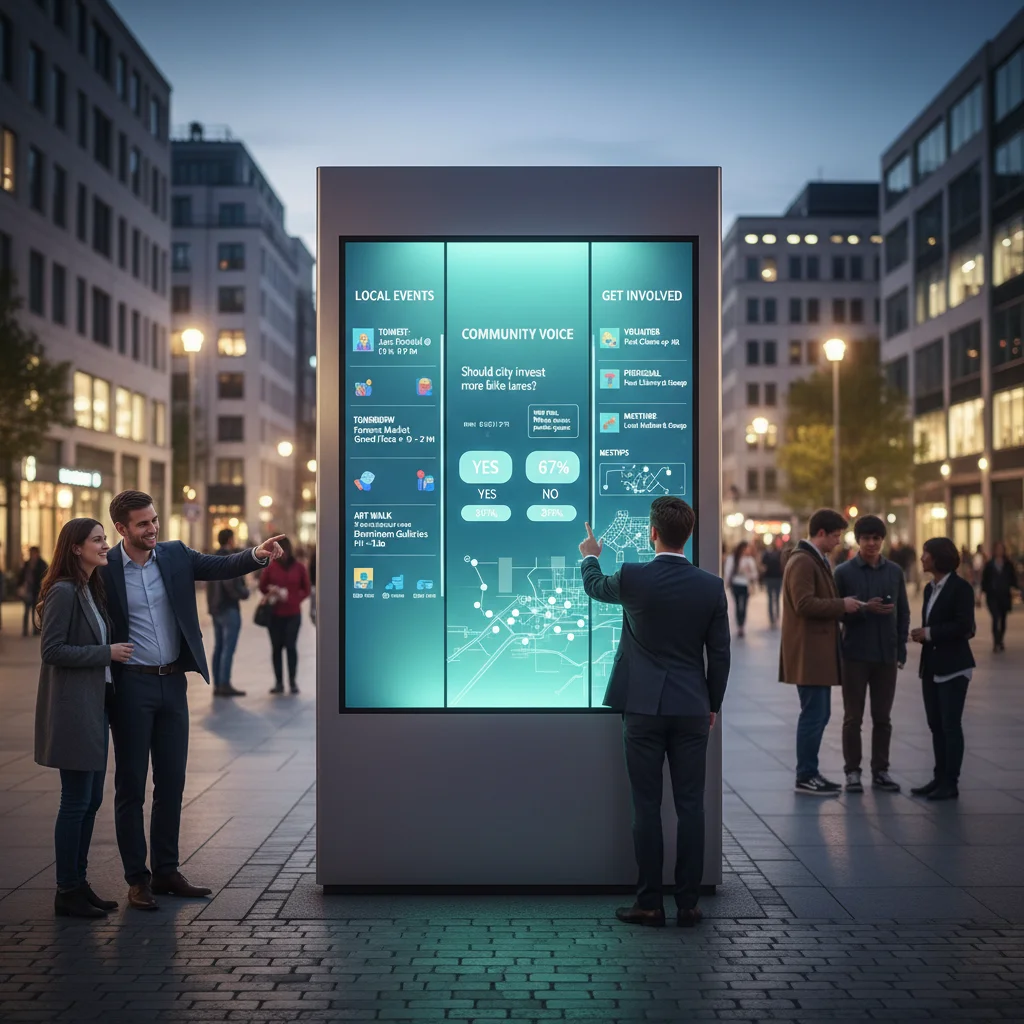
By 2026, we anticipate seeing these platforms integrated with smart city infrastructure, perhaps even accessible via public displays or interactive kiosks, further blurring the lines between the digital and physical public sphere. Data gathered (with privacy safeguards in place) could inform urban planning decisions, identifying areas with unmet needs or opportunities for new community spaces. The future of urban interaction is undeniably digital-physical, leveraging technology to amplify, rather than replace, human connection at the neighborhood level.
2. Adaptive Shared Spaces and Hybrid Community Hubs: Redefining Public and Private
The second major innovation is the reimagining and adaptive reuse of urban spaces, leading to the proliferation of hybrid community hubs. Traditional urban planning often segregated spaces by function: residential, commercial, recreational. However, the future of urban living embraces fluidity and multifunctionality, recognizing that vibrant communities thrive when spaces can adapt to diverse needs and foster serendipitous interactions. By 2026, expect to see a significant increase in spaces that defy easy categorization, serving multiple purposes throughout the day and week, thereby maximizing their utility and community impact.
These adaptive shared spaces are not just parks or community centers; they are innovative blends of public and semi-private environments. Think of former retail spaces transformed into co-working areas by day and performance venues by night, or underutilized parking lots becoming pop-up markets on weekends and urban farms during the week. The key is flexibility, modularity, and a design philosophy that prioritizes human interaction and community utility. This trend is a direct response to the increasing cost of urban real estate and the desire for more efficient, sustainable use of existing infrastructure. It also democratizes access to amenities that might otherwise be exclusive, fostering greater equity within neighborhoods.
The Rise of ‘Third Places’ and Social Infrastructure
Sociologist Ray Oldenburg famously coined the term ‘third places’ to describe the public spaces that host regular, voluntary, informal, and anticipated gatherings of individuals beyond the realms of home (first place) and work (second place). These are places where people can relax, socialize, and feel a sense of belonging. Coffee shops, barbershops, and community centers have traditionally served this role. However, modern urban living demands more intentional and diverse third places, especially as work-from-home trends continue and traditional social structures evolve.
Hybrid community hubs are the ultimate evolution of these third places. They are designed to be inclusive, welcoming to all demographics, and adaptable to a wide range of activities. They might incorporate elements of libraries, makerspaces, community kitchens, childcare facilities, and even health clinics. The underlying principle is to create ‘social infrastructure’ – physical spaces that actively encourage and enable social connection. These hubs often feature flexible furniture, open layouts, and integrated technology to support various functions, from quiet individual work to boisterous community celebrations. The success of these spaces lies in their ability to feel both public and personal, providing a sense of ownership and comfort to regular users.
Community-Led Design and Governance
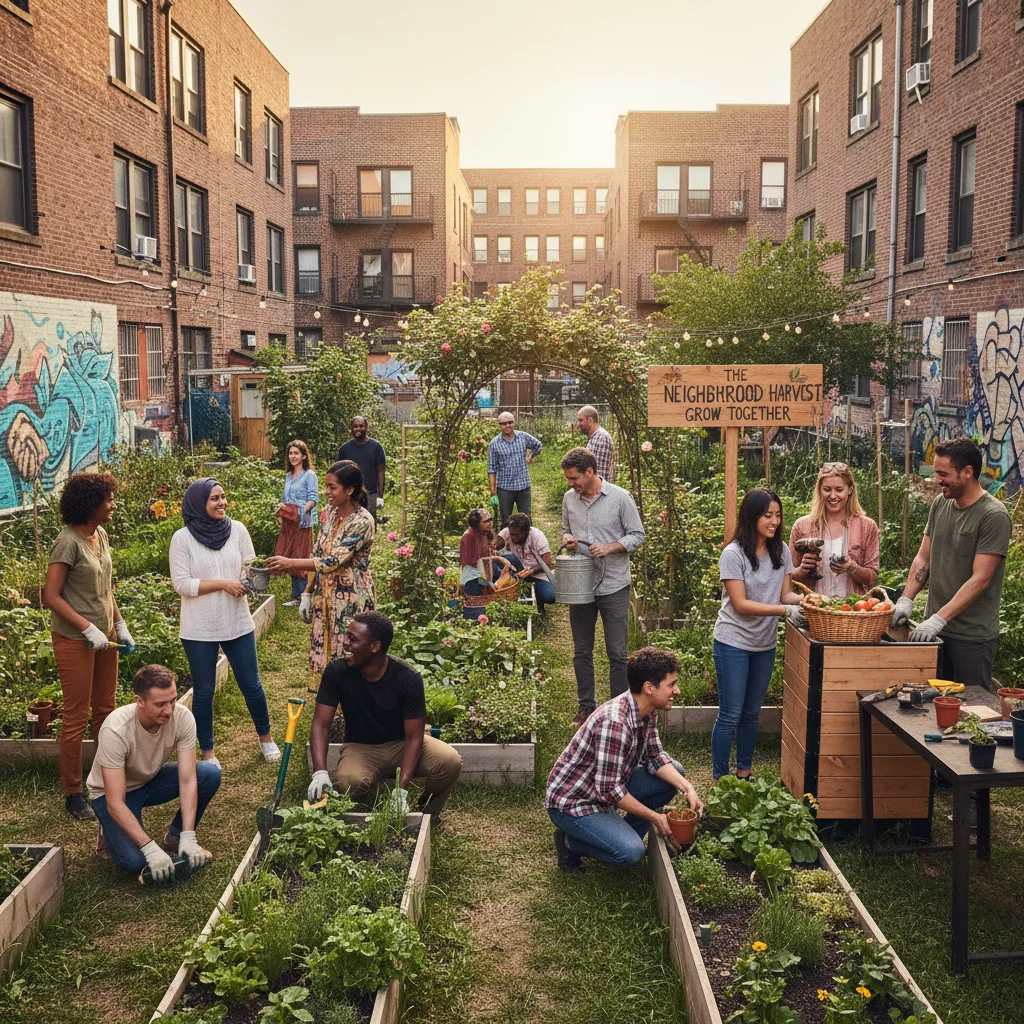
A crucial aspect of these adaptive shared spaces is their often community-led design and governance. Rather than being imposed top-down, many successful hybrid hubs emerge from grassroots initiatives, with local residents having a significant say in their creation, programming, and management. This participatory approach ensures that the spaces truly reflect the needs and desires of the people they serve, fostering a deeper sense of ownership and engagement. Community committees might oversee scheduling, maintenance, and event planning, ensuring that the space remains a vibrant and relevant asset to the neighborhood.
This model not only creates more meaningful spaces but also empowers residents, giving them a direct stake in shaping their urban environment. It fosters leadership skills, encourages collaboration, and strengthens social capital. By 2026, we anticipate government and private developers increasingly partnering with community groups to co-create these spaces, recognizing the invaluable local expertise and the long-term sustainability benefits of such collaborations. These shared spaces are becoming the physical anchors of our urban community innovations, tangible representations of a commitment to collective well-being.
3. Participatory Urban Governance and Citizen-Led Initiatives: Empowering the Urban Voice
The third transformative innovation is the widespread adoption of participatory urban governance models and the flourishing of citizen-led initiatives. For too long, urban planning and decision-making have been largely top-down processes, often leading to solutions that don’t fully align with the lived experiences of residents. However, a growing recognition of the value of local knowledge and the power of collective action is driving a paradigm shift. By 2026, we will see significantly more opportunities for ordinary citizens to directly influence the development and management of their cities, moving beyond mere consultation to genuine co-creation.
This innovation manifests in various forms, from digital platforms for participatory budgeting to community design charrettes, citizen assemblies, and neighborhood-specific policy development. The goal is to democratize urban planning, making it more transparent, inclusive, and responsive to the diverse needs of an urban population. It’s about shifting power dynamics, recognizing that the people who live, work, and play in a city are often the best equipped to identify its challenges and devise innovative solutions.
Participatory Budgeting and Civic Technology
One of the most powerful tools in this shift is participatory budgeting, where residents directly decide how to spend a portion of a public budget. This process, often facilitated by civic technology platforms, allows communities to propose projects, discuss their merits, and vote on which initiatives receive funding. From upgrading local parks to funding after-school programs or improving public transport routes, participatory budgeting gives residents a tangible stake in their city’s financial decisions. This not only leads to more relevant and impactful projects but also increases civic literacy and engagement.
Beyond budgeting, civic technology is being leveraged to create accessible channels for feedback, reporting issues, and proposing policy changes. Apps that allow residents to report potholes, suggest new bike lanes, or comment on zoning proposals are becoming commonplace. The key is not just to collect data but to demonstrate that this feedback is heard and acted upon. This builds trust between citizens and local government, fostering a more collaborative and accountable urban ecosystem. These tools are crucial for scaling urban community innovations across diverse populations.
Empowering Grassroots Movements and Advocacy
The rise of participatory governance also empowers grassroots movements and citizen-led advocacy groups. When official channels for participation are robust and accessible, these groups can more effectively champion their causes, whether it’s advocating for affordable housing, environmental protection, or cultural preservation. This bottom-up approach to urban development ensures that marginalized voices are heard and that solutions are equitable and just. It moves beyond tokenistic engagement to genuine influence, allowing communities to shape their own destinies.
By 2026, we expect to see more cities establishing dedicated departments or roles focused on civic engagement and co-production, actively seeking out and supporting citizen-led initiatives. This includes providing resources, training, and platforms for residents to organize, innovate, and contribute to urban problem-solving. The future of urban interaction isn’t just about what cities do for their residents, but what residents do for and with their cities. This collaborative spirit is the bedrock of resilient and thriving urban environments.
The Interconnectedness of Urban Community Innovations
It’s crucial to understand that these three urban community innovations are not isolated phenomena; rather, they are deeply interconnected and mutually reinforcing. Hyperlocal digital platforms can facilitate the organization and promotion of events in adaptive shared spaces, while also serving as a channel for participatory urban governance initiatives. Citizen-led groups, empowered by new governance models, might advocate for the creation of more hybrid community hubs, using digital platforms to rally support and organize volunteers.
Consider a scenario: A neighborhood utilizes its hyperlocal digital platform to identify a need for more green spaces. Through participatory budgeting, residents vote to fund the transformation of an underutilized lot into a community garden and outdoor event space – an adaptive shared space. The platform then becomes the primary tool for organizing volunteers, sharing gardening tips, and promoting community workshops held in the new space. This seamless integration of digital tools, physical spaces, and civic engagement creates a virtuous cycle of community building and empowerment. The synergy between these innovations is what will truly unlock their transformative potential, moving beyond individual projects to create systemic change in how urban communities function and flourish.
Challenges and the Path Forward
While the promise of these urban community innovations is immense, their implementation is not without challenges. Issues of digital equity, ensuring that all residents have access to and proficiency with new technologies, must be addressed. Privacy concerns on digital platforms require robust safeguards. The funding and long-term sustainability of adaptive shared spaces need careful planning. Furthermore, ensuring that participatory governance genuinely includes diverse and marginalized voices, rather than perpetuating existing power imbalances, is paramount.
However, the momentum behind these innovations suggests that cities are committed to overcoming these hurdles. Investments in digital literacy programs, public Wi-Fi infrastructure, inclusive design principles for shared spaces, and deliberate outreach efforts for civic engagement are all part of the ongoing evolution. The key to success lies in continuous adaptation, listening to community feedback, and fostering a culture of experimentation and learning.
The future of urban living in US cities by 2026 is one where technology serves humanity, where spaces are designed for connection, and where citizens are active co-creators of their environment. These three social innovations – hyperlocal digital platforms, adaptive shared spaces, and participatory urban governance – are not just enhancing community interaction; they are fundamentally redefining what it means to be an urban dweller. They are building more resilient, equitable, and vibrant cities, one connection, one shared space, and one empowered voice at a time. This insider knowledge confirms that the future of our cities is not just smart, but profoundly human.