Autonomous Vehicles US: Regulations & 2028 Adoption Forecast

The dawn of autonomous vehicles (AVs) promises a revolutionary shift in transportation, offering the potential for enhanced safety, reduced traffic congestion, and increased accessibility. However, realizing this future is intrinsically linked to navigating a complex web of technological advancements, public perception, and, crucially, a robust and adaptable regulatory framework. In the United States, the journey towards widespread autonomous vehicle adoption is a dynamic interplay between innovation and legislation, with various stakeholders influencing its trajectory. This article delves deep into the current and anticipated U.S. regulatory landscape for autonomous vehicles and provides a comprehensive forecast of their adoption rates by 2028, examining the multifaceted factors that will shape this transformative era.
Understanding the Autonomous Vehicle US Landscape
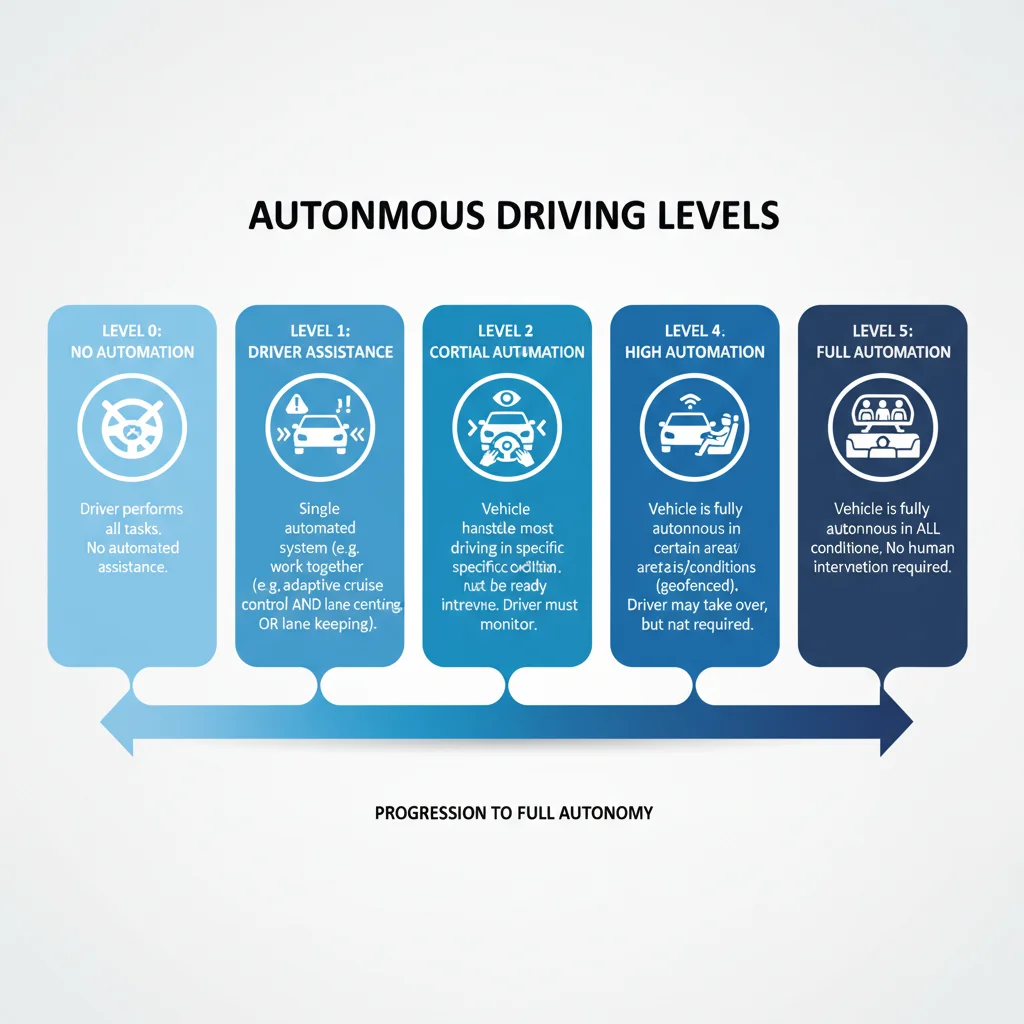
Before we project into the future, it’s essential to grasp the current state of autonomous vehicle technology and its classification. The Society of Automotive Engineers (SAE) International has established a widely accepted standard (J3016) that defines six levels of driving automation, from Level 0 (no automation) to Level 5 (full automation). Most vehicles on the road today feature Level 1 or Level 2 automation, offering features like adaptive cruise control and lane-keeping assistance. True autonomous vehicles, capable of operating without human intervention under specific conditions (Level 3) or in all conditions (Level 4 and Level 5), are still in various stages of development, testing, and limited deployment.
The Promise and Peril of Autonomous Vehicle US Integration
The potential benefits of widespread autonomous vehicle adoption are compelling. Proponents argue that AVs could dramatically reduce the 94% of accidents caused by human error, saving countless lives. They also envision more efficient traffic flow, leading to less congestion and lower fuel consumption. For individuals with disabilities or those unable to drive, autonomous vehicles offer unprecedented freedom and mobility. Furthermore, the economic implications are vast, with new industries and job opportunities emerging in areas like software development, sensor manufacturing, and fleet management.
However, the path to this future is not without its challenges. Concerns about safety, cybersecurity vulnerabilities, ethical dilemmas (e.g., in accident scenarios), job displacement in the transportation sector, and the sheer cost of developing and deploying these technologies remain significant hurdles. Public trust, which has been shaken by high-profile accidents involving test vehicles, is paramount and will heavily influence adoption rates.
The Evolving U.S. Regulatory Framework for Autonomous Vehicle US
Unlike many other industries, the regulation of autonomous vehicles in the U.S. is a complex patchwork of federal and state laws, often leading to inconsistencies and uncertainty for manufacturers and developers. There is no single, overarching federal law specifically governing the deployment of fully autonomous vehicles.
Federal Oversight: NHTSA and the DOT
At the federal level, the National Highway Traffic Safety Administration (NHTSA), under the Department of Transportation (DOT), plays a crucial role. NHTSA’s primary mandate is vehicle safety, and it has issued several voluntary guidelines for autonomous vehicle development and testing. These guidelines, such as ‘Automated Driving Systems 2.0: A Vision for Safety’ and ‘Automated Driving Systems: A Framework for Automated Driving System Safety’, provide recommendations for safe design, development, testing, and deployment. However, these are not legally binding regulations, which creates a grey area for manufacturers.
The DOT also launched the ‘Highly Automated Vehicle (HAV) 3.0: Ensuring American Leadership in Automated Vehicle Technologies’ initiative, which aimed to facilitate the safe integration of AVs. While these initiatives provide valuable frameworks, the lack of prescriptive federal regulations means that states have largely taken the lead in establishing their own rules.
State-Level Regulations: A Patchwork Approach
The absence of comprehensive federal legislation has led to a varied regulatory landscape across U.S. states. As of late 2023, numerous states have enacted legislation related to autonomous vehicles, covering aspects like testing permits, liability, and operational requirements. California, Arizona, and Nevada, for instance, have been pioneers in establishing frameworks for testing and deploying AVs, attracting significant investment from companies like Waymo and Cruise.
However, this state-by-state approach presents challenges. Manufacturers often face different requirements in each state, complicating testing and deployment strategies. This fragmentation can hinder the scalability of autonomous vehicle technologies and increase development costs. Efforts to harmonize these regulations are ongoing, but progress is slow due to diverse local priorities and concerns.
Key Regulatory Challenges for Autonomous Vehicle US
- Safety Standards: Developing robust, measurable safety standards for AVs is paramount. How do we define ‘safe enough’ for a machine to drive? This involves defining testing methodologies, performance metrics, and certification processes.
- Cybersecurity: Autonomous vehicles are inherently connected, making them potential targets for cyberattacks. Regulations are needed to ensure the security of vehicle software, communication systems, and data.
- Liability: In the event of an accident involving an autonomous vehicle, determining liability (manufacturer, software provider, owner, or even the AI itself) is a complex legal question that current laws are not fully equipped to answer.
- Data Privacy: AVs collect vast amounts of data about their surroundings and occupants. Regulations are necessary to protect personal data and prevent misuse.
- Ethical Considerations: Programming AVs to make instantaneous decisions in unavoidable accident scenarios presents profound ethical dilemmas that require societal consensus and clear legal guidance.
- Infrastructure Adaptation: While AVs are designed to operate on existing infrastructure, certain enhancements (e.g., V2X communication, improved lane markings) could significantly improve their performance and safety.
Forecasting Autonomous Vehicle US Adoption Rates by 2028
Predicting the exact adoption rate of autonomous vehicles by 2028 is challenging due to the interplay of technological readiness, regulatory progress, public acceptance, and economic factors. However, based on current trends and expert analyses, we can anticipate a phased and somewhat regional adoption.
Factors Influencing Adoption
- Technological Maturity: The reliability and safety of AV technology are primary drivers. As systems become more robust and proven, public confidence will grow.
- Regulatory Clarity: Clear, consistent, and supportive regulations at both federal and state levels will accelerate development and deployment.
- Cost: The initial cost of fully autonomous vehicles is expected to be high. As production scales and technology matures, prices will ideally decrease, making them more accessible. Subscription models and ride-sharing services could also mitigate upfront costs.
- Public Acceptance: Overcoming public skepticism and fear is crucial. Positive experiences, educational campaigns, and a strong safety record will be vital.
- Infrastructure Investment: While not strictly necessary for all AVs, investments in smart city infrastructure and vehicle-to-everything (V2X) communication can significantly enhance AV capabilities and adoption.
- Economic Incentives: Government incentives, such as tax breaks or subsidies for AV purchases or fleet operations, could stimulate adoption.
Projected Adoption Scenarios for Autonomous Vehicle US (2028)
Early Adopters and Niche Markets
By 2028, it is highly probable that Level 4 autonomous vehicles will be operating in designated geofenced areas, primarily within urban and suburban environments. These will most likely be in the form of:
- Robotaxis and Ride-sharing Fleets: Companies like Waymo, Cruise, and Zoox are already operating limited robotaxi services in cities like Phoenix, San Francisco, and Las Vegas. By 2028, these services are expected to expand to more cities and operate with greater frequency and efficiency. These services offer a controlled environment for deployment, allowing for easier maintenance and regulatory oversight.
- Autonomous Delivery Services: Last-mile delivery using autonomous vans and smaller robots is another area poised for significant growth. Companies are testing and deploying these solutions for groceries, packages, and food delivery, particularly in areas with high population density and predictable routes.
- Logistics and Trucking: Autonomous trucking, especially for long-haul routes on highways, is a strong candidate for early and significant adoption due to its potential for cost savings and efficiency gains. Platooning (multiple trucks driving closely together, controlled by a lead autonomous vehicle) and fully autonomous hub-to-hub operations are likely to be more common by 2028, albeit with safety drivers in many cases for regulatory and public trust reasons.
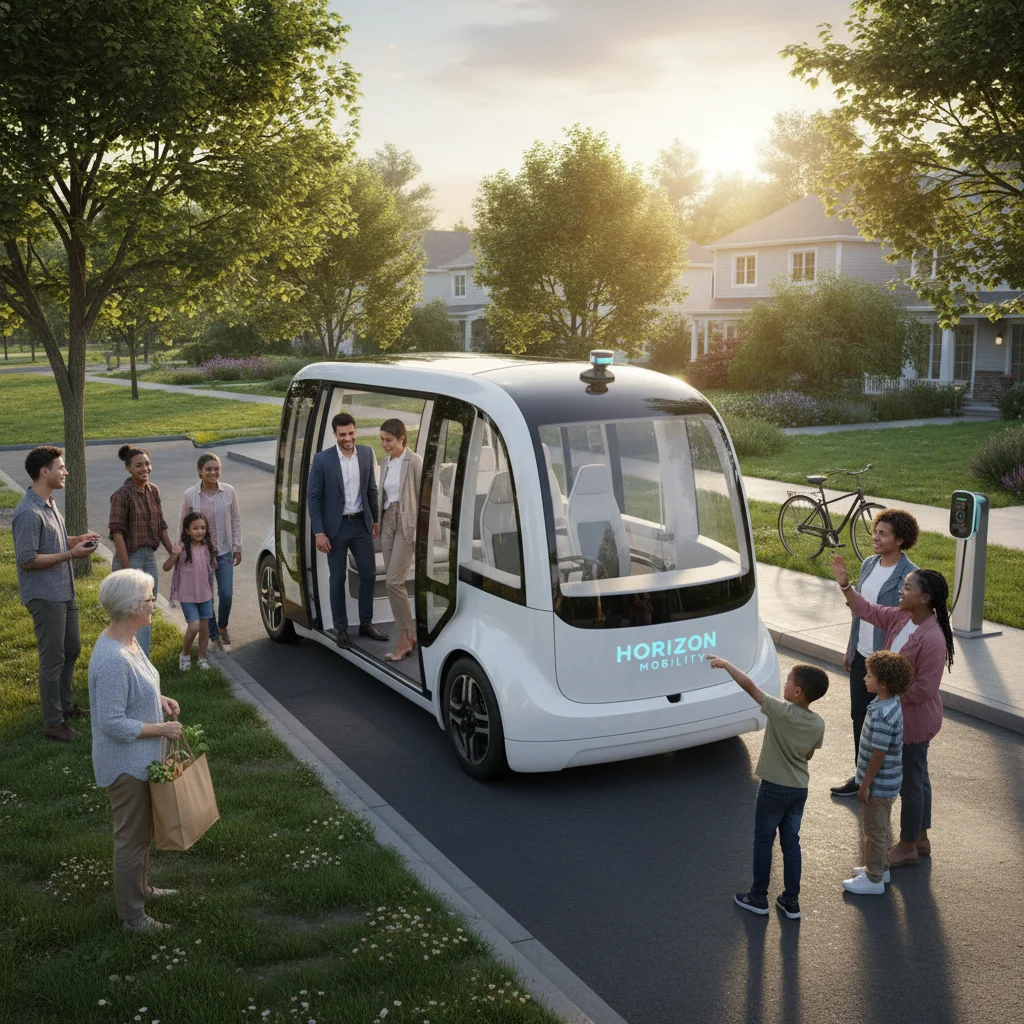
- Shuttles and Public Transport: Autonomous shuttles for fixed routes in campuses, airports, and specific urban districts will likely see increased deployment, offering efficient and eco-friendly transportation options.
Consumer Ownership of Autonomous Vehicle US
Consumer ownership of Level 3 autonomous vehicles (which require human intervention but can drive themselves under specific conditions) will likely see a gradual increase. However, widespread adoption of personal Level 4 or Level 5 vehicles by 2028 is less probable. The high cost, coupled with ongoing regulatory uncertainties and public apprehension, will likely limit their market penetration.
Instead, many consumers will continue to benefit from advanced Level 2+ features (often marketed as ‘hands-free driving’ or ‘supervised autonomy’) that offer significant driver assistance but still require constant human supervision. These systems will become more sophisticated and common across a wider range of vehicle models.
Geographic Concentration
Adoption will likely remain concentrated in states with progressive regulatory frameworks and robust testing environments, such as California, Arizona, Texas, and Florida. These states offer favorable conditions for AV development and deployment, leading to a higher concentration of autonomous services and vehicles.
Quantitative Projections (Illustrative)
While precise figures are difficult, industry analysts and research firms offer some projections:
- Market Penetration: By 2028, Level 3 autonomous vehicles might represent 5-10% of new vehicle sales in specific regions, with a much smaller percentage of the total vehicle parc.
- Robotaxi Fleet Growth: The number of operational robotaxis in the U.S. could grow from a few hundred to tens of thousands, serving an expanded number of cities.
- Autonomous Trucking: A significant portion of long-haul freight could incorporate some level of autonomous technology, potentially reaching 10-15% of heavy-duty truck miles driven, often with a safety driver.
The Road Ahead: Challenges and Opportunities for Autonomous Vehicle US
The period leading up to 2028 will be critical for shaping the future of autonomous vehicles in the U.S. Several key areas require continuous focus and innovation.
Standardization and Harmonization
A unified federal regulatory framework, or at least greater harmonization between state laws, is essential. This would provide clarity for manufacturers, reduce development costs, and accelerate safe deployment. Efforts by organizations like SAE, IEEE, and ISO to develop industry standards for safety and performance will also be crucial.
Public Education and Trust-Building
Effective communication strategies are needed to educate the public about the capabilities and limitations of autonomous vehicles. Transparency regarding testing, safety protocols, and accident investigations will help build trust. Positive experiences with early deployments, such as robotaxi services, will also play a significant role.
Infrastructure Investment
While AVs are designed to operate on existing roads, investments in smart infrastructure can unlock their full potential. This includes improved road markings, V2X communication infrastructure (allowing vehicles to communicate with each other and with road infrastructure), and intelligent traffic management systems.
Addressing Ethical and Societal Impacts
Ongoing dialogues are necessary to address the ethical implications of AVs, particularly concerning decision-making in complex scenarios. Furthermore, proactive measures to retrain and reskill workers in industries potentially affected by automation, such as professional driving, will be vital to ensure a just transition.
Continuous Technological Advancement
Research and development in AI, sensor technology, and software will continue to push the boundaries of what autonomous vehicles can achieve. Advances in machine learning, particularly in areas like perception and prediction, will lead to more robust and reliable systems.
Conclusion
The U.S. autonomous vehicle landscape by 2028 will be characterized by a significant, though not universal, increase in adoption, particularly within commercial and ride-sharing sectors operating in defined urban and suburban environments. While Level 2+ and some Level 3 features will become more common in privately owned vehicles, widespread personal ownership of fully autonomous (Level 4/5) cars will likely remain nascent due to regulatory complexities, high costs, and the ongoing need to build public trust.
The journey towards a fully autonomous future is a marathon, not a sprint. The next few years will be pivotal in establishing the regulatory bedrock, refining the technology, and fostering the public acceptance necessary for autonomous vehicles to truly transform transportation in the United States and beyond. The collaborative efforts of policymakers, industry leaders, and the public will determine the pace and scope of this exciting technological revolution.
Related Posts: