Digital Twins Revolutionize US Manufacturing: 15% Efficiency Boost by 2026
The Digital Twin Revolution: How U.S. Manufacturing is Boosting Efficiency by 15% by 2026
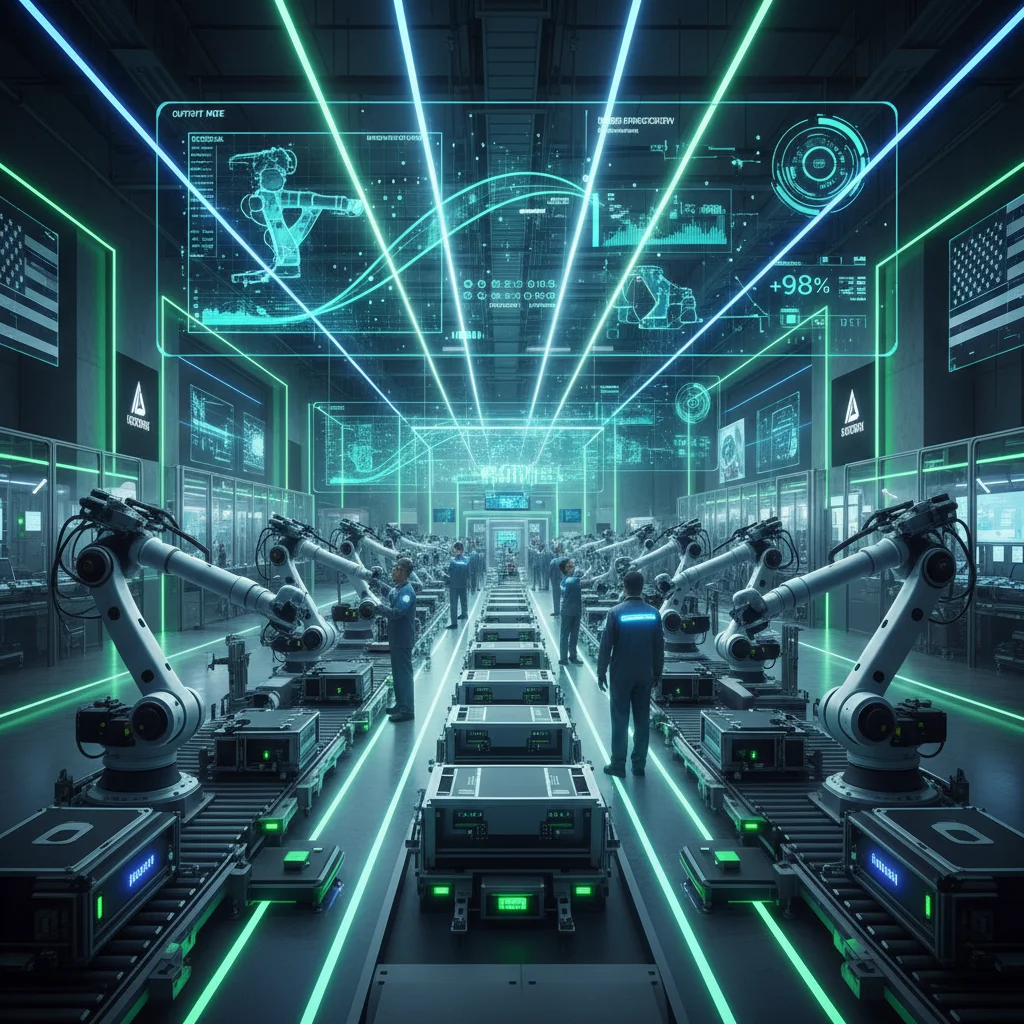
The landscape of U.S. manufacturing is undergoing a profound transformation, driven by an insatiable demand for efficiency, innovation, and resilience. At the heart of this revolution lies a technology that is reshaping how products are designed, produced, and maintained: the digital twins manufacturing paradigm. This isn’t merely a buzzword; it’s a strategic imperative, with projections indicating a staggering 15% boost in operational efficiency across U.S. manufacturing sectors by 2026. This article delves deep into the financial impact, practical solutions, and strategic roadmap for adopting digital twins, offering a comprehensive guide for manufacturers looking to thrive in the era of Industry 4.0.
Understanding Digital Twins in Manufacturing: More Than Just a Model
At its core, a digital twin manufacturing system is a virtual replica of a physical asset, process, or system. These virtual models are not static; they are dynamic, real-time representations fed by sensor data from their physical counterparts. This constant data flow allows the digital twin to mirror the physical object’s lifecycle, from design and engineering to operation and maintenance. For U.S. manufacturers, this means unparalleled visibility and control over their entire value chain.
The concept of digital twins originated from NASA’s Apollo program, where engineers created paired systems to monitor spacecraft in real-time. Fast forward to today, and the convergence of IoT (Internet of Things), AI (Artificial Intelligence), big data analytics, and cloud computing has made digital twins accessible and highly scalable for industrial applications. The ability to simulate, analyze, and predict outcomes in a virtual environment before implementing changes in the physical world is a game-changer.
In manufacturing, digital twins can represent anything from a single machine component to an entire factory floor, a complex supply chain, or even the performance of a product in the hands of a customer. This holistic view empowers decision-makers with actionable insights, moving from reactive problem-solving to proactive optimization and innovation. The adoption of digital twins manufacturing solutions is no longer a luxury but a necessity for competitive advantage.
The Financial Impact: Quantifying the 15% Efficiency Boost
The promise of a 15% efficiency boost by 2026 is not an arbitrary figure; it’s an aggregation of numerous quantifiable benefits that digital twins bring to the manufacturing sector. These benefits translate directly into significant financial gains, making the investment in digital twin technology a compelling proposition for U.S. manufacturers.
Reduced Downtime and Predictive Maintenance
One of the most immediate and impactful financial benefits of digital twins manufacturing is in the realm of maintenance. Traditional maintenance approaches are often reactive (fix it when it breaks) or time-based (scheduled maintenance regardless of actual need). Both lead to inefficiencies, unexpected downtime, and higher costs.
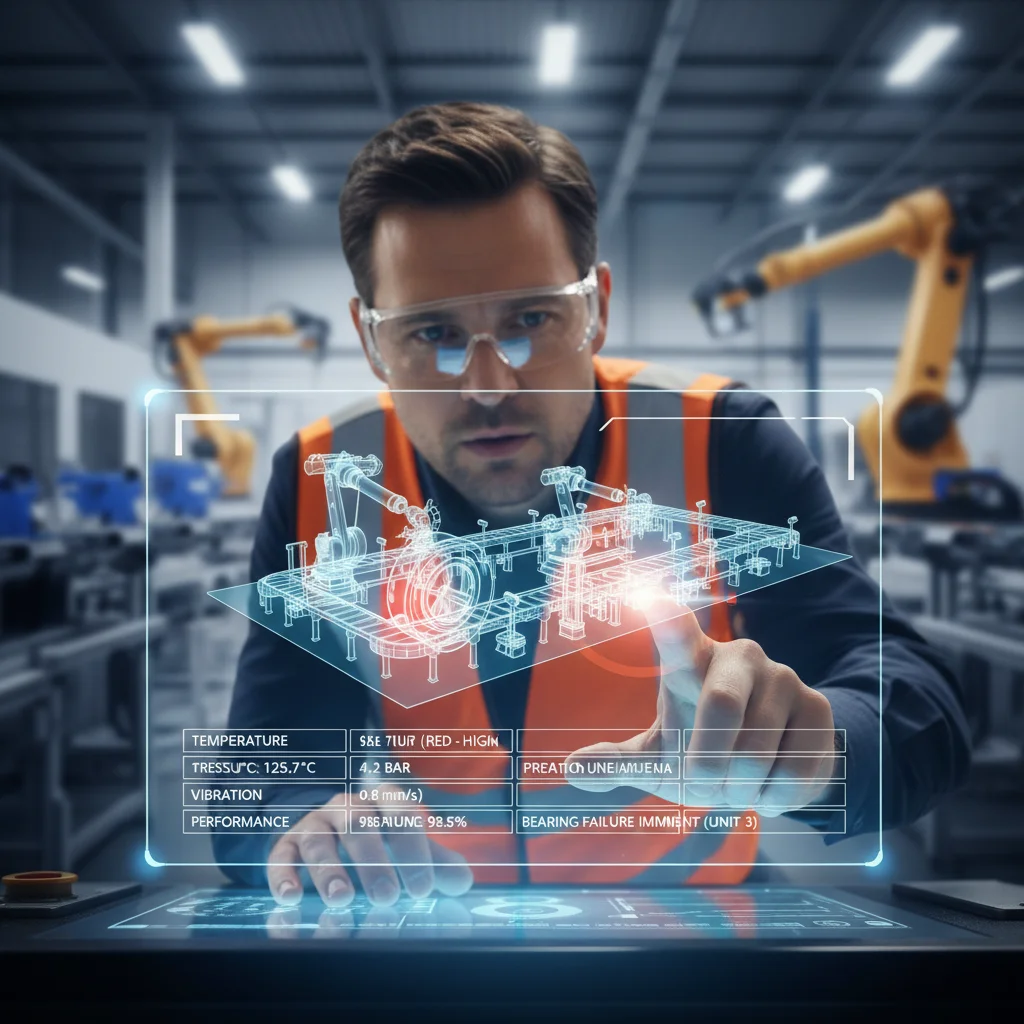
Digital twins, powered by real-time sensor data and AI-driven analytics, enable predictive maintenance. The virtual model can simulate potential failures, identify anomalies, and predict when a component is likely to fail before it happens. This allows manufacturers to schedule maintenance precisely when needed, minimizing disruption and extending the lifespan of machinery.
Consider a scenario where a critical machine in a production line experiences an unexpected breakdown. The cost is not just the repair itself but also lost production time, missed deadlines, and potential penalties. By preventing such incidents through predictive maintenance, companies can save millions annually. Studies suggest that predictive maintenance can reduce maintenance costs by 10-40% and unplanned downtime by up to 50%.
Optimized Production Processes and Throughput
Digital twins allow manufacturers to create virtual simulations of their entire production lines. This virtual environment can be used to test different layouts, reconfigure workflows, and optimize machine parameters without impacting live operations. By running various scenarios, manufacturers can identify bottlenecks, improve material flow, and fine-tune processes to maximize throughput and minimize waste.
For instance, a manufacturer can simulate the introduction of a new product or a change in production volume. The digital twin will reveal the optimal setup, resource allocation, and scheduling to achieve the desired output efficiently. This iterative optimization in a risk-free virtual space leads to significant gains in productivity and overall operational efficiency.
Improved Product Quality and Reduced Rework
Quality control is paramount in manufacturing. Digital twins can be used to monitor product quality throughout the entire production cycle. By integrating quality data from sensors and inspection systems into the digital twin, manufacturers can detect defects early, identify their root causes, and implement corrective actions swiftly. This proactive approach significantly reduces the amount of scrap and rework, leading to substantial cost savings and improved customer satisfaction.
Furthermore, digital twins can simulate the performance of a product under various conditions, enabling engineers to refine designs and materials before physical prototyping. This not only accelerates time-to-market but also ensures a higher quality product from the outset, reducing warranty claims and reputational damage.
Enhanced Supply Chain Resilience and Agility
The COVID-19 pandemic highlighted the vulnerabilities of global supply chains. Digital twins offer a powerful solution for building more resilient and agile supply networks. By creating a digital twin of the entire supply chain, manufacturers can gain real-time visibility into inventory levels, logistics, supplier performance, and potential disruptions.
This allows for proactive risk management, such as identifying alternative suppliers, rerouting shipments, or adjusting production schedules in response to unforeseen events. The ability to simulate the impact of various disruptions and test mitigation strategies in a virtual environment can save companies from costly supply chain failures and ensure business continuity.
Practical Solutions: Where Digital Twins are Making a Difference
The applications of digital twins manufacturing are vast and varied, touching almost every aspect of the production lifecycle. Here are some key areas where this technology is delivering tangible results:
Design and Prototyping
Before digital twins, product design involved extensive physical prototyping, a time-consuming and expensive process. With digital twins, engineers can create a virtual prototype and simulate its performance under various conditions, making design iterations faster and more cost-effective. This allows for rapid experimentation and optimization, ensuring that the final product meets all specifications and performs optimally.
For example, in the automotive industry, digital twins are used to simulate crash tests, aerodynamic performance, and component wear, significantly reducing the need for physical prototypes and accelerating vehicle development cycles.
Manufacturing Process Optimization
As discussed, digital twins provide a virtual sandbox for optimizing manufacturing processes. This includes:
- Layout Optimization: Simulating different factory layouts to improve material flow and reduce travel time.
- Robot Path Planning: Optimizing robotic movements for efficiency and collision avoidance.
- Energy Consumption Monitoring: Identifying areas of energy waste and optimizing machine usage to reduce utility costs.
- Production Scheduling: Creating dynamic schedules that adapt to real-time conditions, minimizing idle time and maximizing output.
Asset Performance Management
For complex machinery and industrial assets, digital twins offer unprecedented insights into performance and health. By collecting data from sensors on vibrations, temperature, pressure, and power consumption, the digital twin can provide a comprehensive view of an asset’s condition. This enables:
- Predictive Maintenance: As covered earlier, preventing unexpected breakdowns.
- Remote Monitoring: Operators can monitor assets from anywhere, allowing for proactive intervention.
- Performance Optimization: Fine-tuning machine parameters for optimal efficiency and output.
Quality Control and Inspection
Integrating digital twins with advanced vision systems and quality sensors allows for real-time quality monitoring. Any deviation from the ideal product specifications can be immediately detected and flagged. This not only improves product quality but also provides valuable data for continuous process improvement.
Workforce Training and Simulation
Digital twins can create realistic virtual environments for training new employees or upskilling existing ones. Operators can practice complex procedures, troubleshoot simulated failures, and familiarize themselves with new equipment without any risk to physical assets or production schedules. This leads to a more skilled and confident workforce, reducing errors and improving overall safety.
Overcoming Challenges in Digital Twin Adoption
While the benefits of digital twins manufacturing are compelling, their adoption is not without challenges. U.S. manufacturers need to address several key areas to ensure successful implementation:
Data Integration and Management
Digital twins rely heavily on accurate, real-time data from various sources (sensors, ERP systems, MES systems, etc.). Integrating these disparate data streams into a cohesive and usable format is a significant challenge. Manufacturers need robust data infrastructure, including IoT platforms and data lakes, to collect, store, and process vast amounts of data.
Furthermore, ensuring data quality and security is paramount. Poor data quality can lead to inaccurate insights and flawed decision-making, undermining the value of the digital twin. Cybersecurity measures must also be in place to protect sensitive operational data.
Interoperability and Standardization
The manufacturing ecosystem often involves a mix of legacy systems and new technologies from various vendors. Ensuring that all these systems can communicate and exchange data seamlessly is crucial for building effective digital twins. The lack of universal standards for data formats and communication protocols can create significant integration hurdles.
Industry initiatives and open standards are emerging to address these interoperability challenges, but manufacturers must carefully plan their technology stack to avoid vendor lock-in and ensure future scalability.
Talent and Skill Gaps
Implementing and managing digital twins manufacturing requires a new set of skills, including data science, AI/ML expertise, IoT engineering, and advanced analytics. Many manufacturers face a shortage of professionals with these specialized skills. Investing in workforce training, collaborating with educational institutions, and hiring new talent are essential strategies to bridge this gap.
Initial Investment Costs
The initial investment in digital twin technology, including sensors, software platforms, data infrastructure, and implementation services, can be substantial. Manufacturers need to conduct thorough cost-benefit analyses and build a clear business case to justify these investments. Highlighting the long-term ROI, such as reduced operational costs and increased revenue, is key to securing executive buy-in.
Organizational Change Management
Adopting digital twins often requires significant changes to existing workflows, processes, and organizational structures. Resistance to change from employees can be a major impediment. Effective change management strategies, including clear communication, training, and involving employees in the adoption process, are critical for successful implementation.

The Roadmap to Digital Twin Success for U.S. Manufacturers
For U.S. manufacturers eager to harness the power of digital twins manufacturing and achieve that 15% efficiency boost, a structured approach is vital. Here’s a roadmap to guide the journey:
1. Define Clear Objectives and Use Cases
Before embarking on any digital twin project, clearly define what problems you aim to solve and what specific business outcomes you want to achieve. Start with a pilot project that targets a high-impact area, such as predictive maintenance for a critical machine or optimization of a specific production line. This allows for learning and demonstrates early ROI.
2. Assess Current Infrastructure and Data Readiness
Evaluate your existing IT and OT (Operational Technology) infrastructure. Identify data sources, assess data quality, and determine what sensors or connectivity upgrades are needed. A robust data foundation is the bedrock of any successful digital twin implementation.
3. Choose the Right Technology Partners
Selecting the right digital twin platform and technology partners is crucial. Look for solutions that offer scalability, interoperability, strong analytics capabilities, and excellent customer support. Consider whether an off-the-shelf solution or a customized approach is best for your specific needs.
4. Implement in Phases and Scale Gradually
Avoid trying to implement digital twins across your entire operation all at once. Start small, learn from your pilot projects, and then gradually expand the scope. This iterative approach allows for continuous improvement and reduces risk.
5. Invest in Talent Development
Proactively address the skill gap by investing in training programs for your existing workforce. Foster a culture of continuous learning and data-driven decision-making. Consider partnerships with universities or specialized training providers.
6. Focus on Cybersecurity
Integrate cybersecurity best practices from the very beginning. Protect your data, systems, and intellectual property. Secure your IoT devices, network infrastructure, and cloud platforms to prevent unauthorized access and data breaches.
7. Embrace a Culture of Innovation
Digital twins are not a one-time deployment; they are a journey of continuous innovation. Foster a culture within your organization that embraces experimentation, data-driven insights, and continuous improvement. Encourage cross-functional collaboration between IT, OT, engineering, and production teams.
The Future of U.S. Manufacturing with Digital Twins
The integration of digital twins manufacturing into the U.S. industrial fabric is not just an incremental improvement; it’s a paradigm shift. By 2026, the 15% efficiency boost will translate into stronger supply chains, higher quality products, reduced environmental impact, and a more competitive manufacturing sector on the global stage.
This technology empowers manufacturers to unlock new levels of insight, allowing for predictive rather than reactive strategies. It fosters a proactive stance towards innovation, enabling companies to design, test, and optimize products and processes in ways previously unimaginable. The ability to simulate future scenarios and understand the implications of decisions before they are made provides an unparalleled strategic advantage.
As the U.S. continues its drive towards re-industrialization and aims to strengthen its position as a global manufacturing leader, digital twins will play an increasingly critical role. They are the scaffolding for the smart factories of tomorrow, enabling lights-out manufacturing, personalized production, and truly autonomous operations.
Conclusion: A Smarter, More Efficient Manufacturing Future
The journey towards a 15% efficiency gain by 2026, powered by digital twins manufacturing, is well underway for U.S. industries. This transformative technology offers a clear pathway to significant financial savings, operational excellence, and enhanced competitiveness. By providing a real-time, virtual replica of physical assets and processes, digital twins enable predictive maintenance, optimized production, improved quality, and resilient supply chains.
While challenges in data integration, talent gaps, and initial investment exist, the strategic advantages far outweigh the hurdles. Manufacturers who proactively embrace this technology, invest in their infrastructure and workforce, and foster a culture of innovation will be the ones that lead the charge into the next era of industrial prosperity. The future of U.S. manufacturing is intelligent, interconnected, and undeniably digital – with digital twins at its very core.
Related Posts: