Personalized Medicine 2026: U.S. Healthcare Innovation & Financial Impact
This article outlines the 2026 roadmap for personalized medicine in the U.S., detailing key innovations, financial considerations, and the evolving landscape of precision healthcare. Understand its impact on patient care and the healthcare economy.
By: Matheus Neiva on April 16, 2026
Last updated on: July 28, 2026
Personalized Medicine: A 2026 Roadmap for U.S. Healthcare Innovation (Recent Updates, Financial Impact)
The landscape of U.S. healthcare is undergoing a profound transformation, driven by an escalating demand for more effective, patient-centric, and economically sustainable medical interventions. At the forefront of this revolution is personalized medicine, a paradigm shift that moves beyond the traditional ‘one-size-fits-all’ approach to healthcare. Instead, personalized medicine tailors medical treatments to the individual characteristics of each patient, encompassing their genetic makeup, lifestyle, and environmental factors. This bespoke approach promises not only to enhance treatment efficacy and minimize adverse drug reactions but also to revolutionize disease prevention and diagnosis. As we look towards 2026, the trajectory of personalized medicine in the United States is becoming clearer, marked by significant technological advancements, evolving regulatory frameworks, and substantial financial implications. This article delves into the personalized medicine roadmap for the U.S. healthcare system, exploring recent updates and forecasting its financial impact.
The journey towards fully integrated personalized medicine is complex, requiring a concerted effort from researchers, clinicians, policymakers, and industry stakeholders. The scientific foundations, primarily genomics, proteomics, and advanced diagnostics, are maturing at an unprecedented pace. Concurrently, the ethical, legal, and social implications of handling vast amounts of sensitive patient data are being rigorously debated and addressed. The promise of personalized medicine extends across various therapeutic areas, from oncology and rare diseases to cardiovascular health and mental health, offering hope for previously untreatable conditions and improving the quality of life for millions. Understanding the current state and future direction of this field is crucial for anyone involved in or impacted by the U.S. healthcare system.
The Foundation of Personalized Medicine: Genomics and Beyond
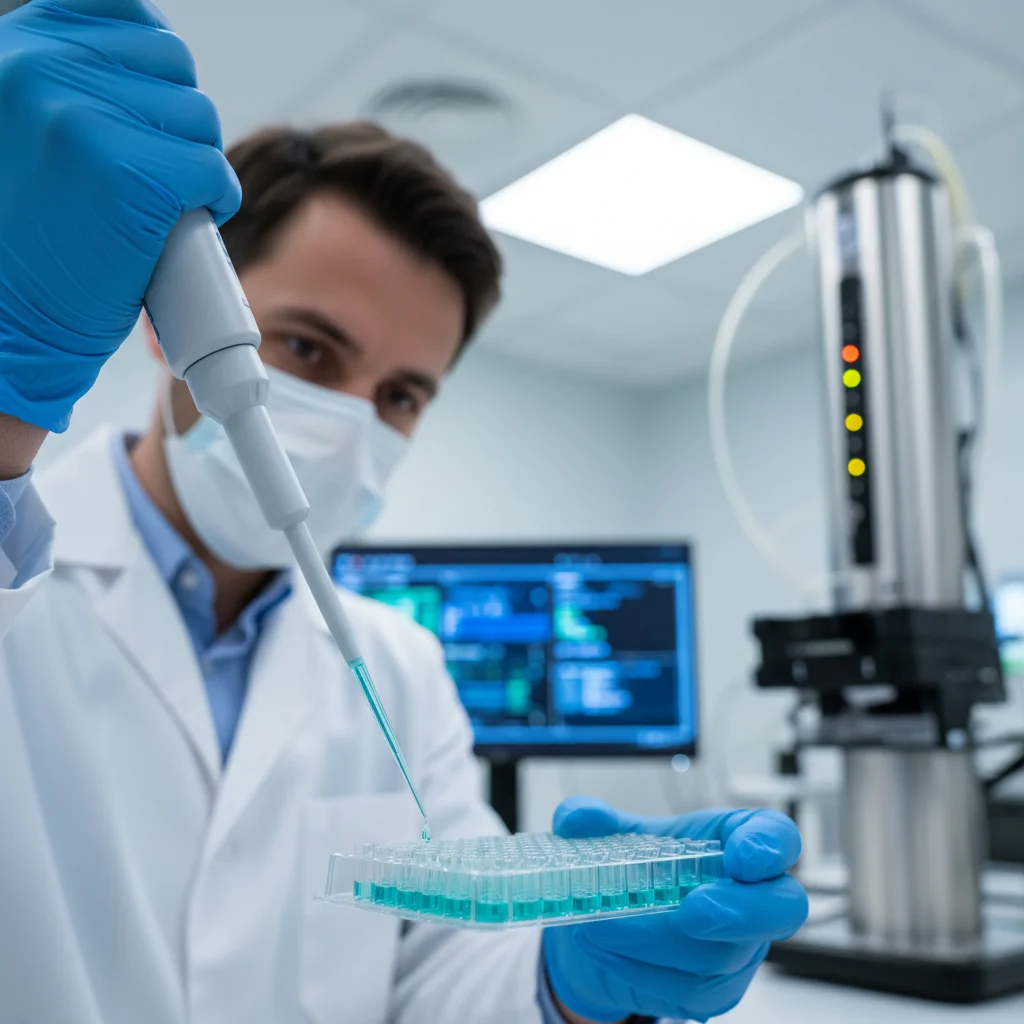
At the heart of the personalized medicine roadmap lies the exponential growth in our understanding of the human genome. The cost of sequencing a human genome has plummeted, making it increasingly accessible for clinical applications. This accessibility is fueling a surge in genomic testing, allowing clinicians to identify specific genetic variations that influence disease susceptibility, drug response, and prognosis. Beyond genomics, other ‘omics’ technologies – such as proteomics (the study of proteins), metabolomics (the study of metabolites), and transcriptomics (the study of RNA) – are providing even deeper insights into individual biological profiles. These layers of data, when integrated, create a comprehensive picture of a patient’s unique biological landscape.
Recent Advancements in Genomic Testing
In recent years, the U.S. has seen a significant expansion in the use of genomic testing. For instance, pharmacogenomic (PGx) testing, which analyzes how a person’s genes affect their response to drugs, is becoming more commonplace. This helps physicians select the most effective medication and dosage, reducing trial-and-error prescribing and minimizing adverse drug reactions. In oncology, genomic profiling of tumors is now standard practice, guiding targeted therapies that specifically attack cancer cells with particular genetic mutations, sparing healthy tissue. This precision approach has led to remarkable improvements in survival rates and quality of life for cancer patients. Furthermore, non-invasive prenatal testing (NIPT) and carrier screening are offering anxious parents-to-be unprecedented information about their unborn child’s health and genetic risks.
The Role of Biomarkers in Tailored Treatments
Biomarkers – measurable indicators of a biological state – are critical to personalized medicine. These can be genetic, proteomic, or metabolic markers that signal the presence of a disease, predict its progression, or indicate how a patient will respond to a specific treatment. The discovery and validation of new biomarkers are accelerating, enabling earlier and more accurate diagnoses, more precise disease stratification, and the development of highly targeted therapies. For example, specific protein biomarkers are used to identify patients who will benefit from certain immunotherapies in cancer, while others can predict the risk of cardiovascular events. The integration of these biomarkers into clinical practice is a cornerstone of the evolving personalized medicine roadmap.
Technological Drivers and Digital Health Integration
The advancement of personalized medicine is inextricably linked to technological innovation, particularly in the fields of artificial intelligence (AI), machine learning (ML), and big data analytics. These technologies are crucial for processing and interpreting the colossal amounts of data generated by genomic sequencing and other ‘omics’ platforms. Without sophisticated computational tools, the insights hidden within this data would remain inaccessible.
Artificial Intelligence and Machine Learning
AI and ML algorithms are transforming personalized medicine by identifying complex patterns and correlations within vast datasets that human analysis might miss. They are being used to accelerate drug discovery, predict disease risk, optimize treatment protocols, and even interpret medical images with greater accuracy. For instance, AI can analyze a patient’s electronic health record (EHR) alongside their genomic data to predict their likelihood of responding to a particular drug or developing an adverse reaction. This predictive power is a game-changer, allowing for proactive and preventive healthcare strategies. The continuous evolution of these algorithms will further refine the precision of individualized treatments, solidifying their role in the personalized medicine roadmap.
Big Data and Electronic Health Records (EHRs)
The effective implementation of personalized medicine hinges on the ability to integrate and analyze diverse data sources. Big data analytics plays a pivotal role in this, aggregating information from EHRs, genomic databases, wearable devices, and environmental factors. EHRs are becoming increasingly sophisticated, incorporating not just clinical notes and lab results but also genetic information and patient-reported outcomes. This holistic view of a patient’s health allows clinicians to make more informed decisions, moving towards truly individualized care. The interoperability of EHR systems across different healthcare providers remains a challenge, but significant progress is being made to create seamless data sharing, which is essential for a comprehensive personalized medicine roadmap.
Regulatory and Ethical Considerations for 2026
As personalized medicine advances, so too do the complexities surrounding its regulation and ethical implications. The U.S. Food and Drug Administration (FDA) and other regulatory bodies are continually adapting their frameworks to ensure the safety and efficacy of new diagnostic tests and therapies. Concurrently, the ethical considerations of genetic privacy, data security, and equitable access to these cutting-edge treatments are paramount.
Evolving Regulatory Landscape
The FDA has been actively engaged in developing regulatory pathways for personalized medicine products, including companion diagnostics and targeted therapies. Their efforts aim to provide clarity and predictability for developers while safeguarding public health. For instance, the FDA’s precision medicine initiatives are designed to streamline the approval process for drugs and diagnostic tests that are developed together. However, challenges remain, particularly in regulating laboratory-developed tests (LDTs) and ensuring consistent quality across the board. By 2026, we can expect further refinement of these regulatory guidelines, fostering innovation while maintaining rigorous standards. This evolving regulatory environment is a critical component of the personalized medicine roadmap.
Ethical Dilemmas: Privacy, Data Security, and Equity
The collection and analysis of sensitive genetic and health data raise significant ethical concerns. Protecting patient privacy and ensuring the security of this data are paramount. Regulations like HIPAA (Health Insurance Portability and Accountability Act) provide a baseline, but new frameworks may be needed to address the unique challenges posed by genomic data. Moreover, the question of equitable access to personalized medicine is a growing concern. If these advanced treatments are costly, they risk exacerbating existing health disparities. Policymakers and healthcare systems are grappling with how to ensure that the benefits of personalized medicine are accessible to all, regardless of socioeconomic status or geographic location. Addressing these ethical dilemmas is crucial for the successful and responsible implementation of the personalized medicine roadmap.
Financial Impact and Economic Outlook by 2026
The financial implications of personalized medicine are multifaceted, encompassing both the costs of development and implementation, and the potential for significant long-term savings and economic benefits. While the initial investment in research, technology, and infrastructure can be substantial, the promise of more effective treatments and improved patient outcomes suggests a positive return on investment.
Investment in Research and Development
The U.S. continues to be a global leader in biomedical research, with significant public and private investment flowing into personalized medicine initiatives. Government agencies like the National Institutes of Health (NIH) fund foundational research, while pharmaceutical and biotechnology companies invest heavily in developing targeted therapies and diagnostics. This robust R&D ecosystem is crucial for driving innovation and bringing new personalized medicine products to market. These investments are not without risk, but the potential for groundbreaking discoveries and lucrative market opportunities fuels continued commitment. The sustained flow of R&D funding is a vital part of the personalized medicine roadmap.
Cost-Effectiveness and Value-Based Care
While some personalized treatments may have a high upfront cost, their overall cost-effectiveness can be substantial. By identifying the right treatment for the right patient at the right time, personalized medicine can reduce wasteful spending on ineffective therapies, minimize adverse drug reactions requiring additional medical care, and shorten hospital stays. This aligns perfectly with the growing shift towards value-based care models in the U.S., where healthcare providers are reimbursed based on patient outcomes rather than the volume of services provided. Payers, including insurance companies and government programs like Medicare and Medicaid, are increasingly recognizing the long-term value of personalized medicine, leading to more favorable reimbursement policies for genomic tests and targeted therapies. This focus on value will shape the financial landscape of the personalized medicine roadmap by 2026.
Market Growth and Economic Impact
The personalized medicine market is experiencing rapid growth, projected to reach significant valuations by 2026. This growth is driven by increasing adoption of genomic testing, the development of new targeted therapies, and expanding indications for existing personalized treatments. The economic impact extends beyond direct healthcare costs, fostering job creation in research, biotechnology, diagnostics, and data science. Furthermore, improved patient health leads to a more productive workforce and reduced societal burden of chronic diseases. This robust market expansion underscores the transformative economic potential outlined in the personalized medicine roadmap.
Key Challenges and Opportunities for the Future
Despite the immense promise and progress, personalized medicine faces several significant challenges that must be addressed to fully realize its potential. However, these challenges also present unique opportunities for innovation and growth.
Data Integration and Interoperability
One of the most persistent challenges is the integration of disparate data sources. Genomic data, clinical data from EHRs, lifestyle data from wearables, and environmental data often reside in silos, making a comprehensive patient view difficult to achieve. Achieving true interoperability across different healthcare systems and data platforms is crucial. Opportunities lie in developing standardized data formats, secure cloud-based platforms, and advanced analytics tools that can seamlessly integrate and interpret this complex information. Progress in this area is vital for the successful execution of the personalized medicine roadmap.
Workforce Development and Education
The successful implementation of personalized medicine requires a highly skilled workforce. Clinicians need to be educated on how to interpret genomic test results and apply personalized treatment strategies. Researchers need expertise in bioinformatics and data science. Patients need to understand the implications of their genetic information. There is a growing need for educational programs and training initiatives to equip the healthcare workforce with the necessary knowledge and skills. This represents a significant opportunity for academic institutions and professional organizations to shape the future of healthcare professionals within the personalized medicine roadmap.
Patient Engagement and Empowerment
Personalized medicine, by its very nature, places the patient at the center of care. Empowering patients with information about their genetic predispositions and treatment options is crucial. This requires clear communication from healthcare providers and accessible resources for patients to understand complex scientific concepts. Opportunities exist in developing user-friendly digital tools and patient education platforms that foster shared decision-making and enhance patient engagement in their own healthcare journey. A truly patient-centric approach is fundamental to the personalized medicine roadmap.
Therapeutic Areas Benefiting Most by 2026
While personalized medicine holds promise across the entire spectrum of healthcare, certain therapeutic areas are seeing particularly rapid advancements and are expected to be significantly transformed by 2026.
Oncology: The Forefront of Precision
Oncology remains the leading area for personalized medicine applications. Targeted therapies, immunotherapies guided by biomarkers, and advanced genomic profiling are revolutionizing cancer treatment. By 2026, we can expect even more sophisticated diagnostic tools that identify actionable mutations with greater sensitivity, leading to a broader array of personalized treatment options for various cancer types. The focus will also shift towards earlier detection and prevention through personalized risk assessment based on genetic predispositions. This continued innovation in oncology is a cornerstone of the personalized medicine roadmap.
Rare Diseases: A New Hope
For patients with rare genetic diseases, personalized medicine offers unprecedented hope. The ability to precisely identify the genetic cause of these conditions allows for the development of highly specific, often gene-editing or gene-replacement therapies. While the patient populations are small, the impact on individual lives is immense. By 2026, more rare diseases will have personalized diagnostic and therapeutic options, improving the lives of countless individuals who previously had no effective treatments. This area will see significant growth within the personalized medicine roadmap.
Pharmacogenomics in Mainstream Medicine
Pharmacogenomics (PGx) is poised to become more mainstream by 2026. As evidence accumulates for its utility in guiding drug selection and dosing for common conditions like depression, cardiovascular disease, and chronic pain, PGx testing will be integrated into routine clinical practice. This will lead to fewer adverse drug reactions, improved treatment efficacy, and overall better patient outcomes across a wider range of therapeutic areas. The widespread adoption of PGx will be a defining feature of the personalized medicine roadmap.
The 2026 Vision: An Integrated Personalized Healthcare System
Looking ahead to 2026, the vision for personalized medicine in the U.S. is one of an increasingly integrated and data-driven healthcare system. This system will be characterized by several key features:
Proactive and Preventive Care: Genetic risk assessments and predictive analytics will enable earlier interventions and personalized prevention strategies, shifting the focus from treating illness to maintaining wellness.
Precision Diagnostics: Advanced diagnostic tools, including liquid biopsies and multi-omics profiling, will provide highly accurate and timely information, guiding treatment decisions with unprecedented precision.
Tailored Therapeutics: A wider array of targeted therapies, gene therapies, and cell therapies will be available, offering individualized treatment options for a growing number of diseases.
Digital Health Integration: Wearable devices, remote monitoring, and AI-powered platforms will seamlessly integrate into patient care, providing continuous data streams that inform personalized interventions.
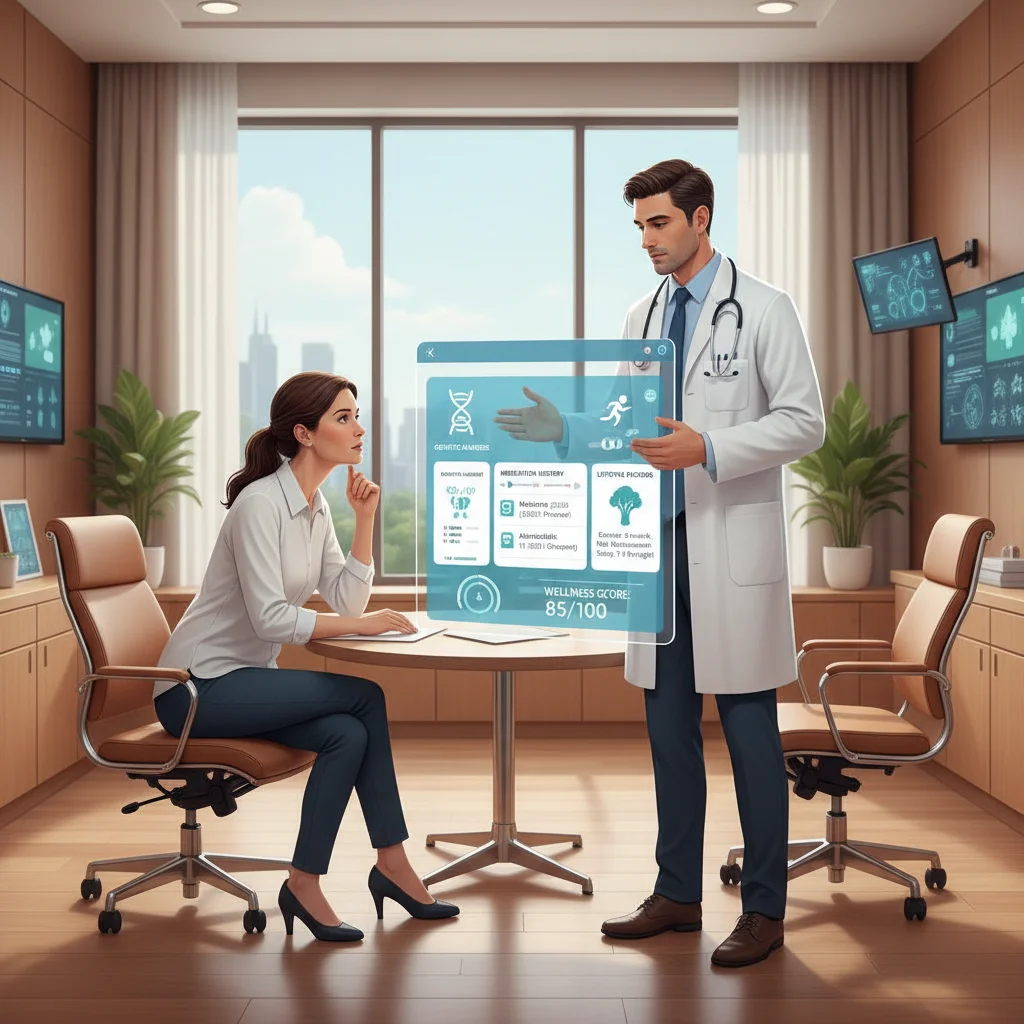
Enhanced Patient Experience: Patients will be more informed and engaged in their healthcare decisions, with access to personalized health plans and support tools.
Value-Driven Reimbursement: Healthcare payers will increasingly adopt value-based models that reward effective personalized treatments and incentivize improved patient outcomes.
Achieving this vision requires ongoing collaboration between government, industry, academia, and patient advocacy groups. Policy initiatives that support data sharing, responsible innovation, and equitable access will be crucial. The continued development of ethical guidelines and robust regulatory frameworks will ensure that personalized medicine is implemented safely and responsibly. The personalized medicine roadmap for 2026 is not merely a forecast of technological advancement but a blueprint for a more effective, efficient, and humane healthcare system.
Conclusion: The Transformative Power of Personalized Medicine
The journey of personalized medicine in the U.S. healthcare system towards 2026 is one of immense potential and dynamic evolution. From the foundational breakthroughs in genomics and the accelerating pace of technological innovation, to the intricate dance of regulatory adaptation and ethical consideration, every aspect contributes to shaping a future where healthcare is truly individualized. The financial implications, while requiring significant investment, promise long-term cost-effectiveness and substantial economic growth, driven by improved patient outcomes and a more efficient allocation of healthcare resources.
The challenges of data integration, workforce development, and ensuring equitable access are considerable, yet they also present fertile ground for collaborative solutions and groundbreaking advancements. Therapeutic areas like oncology, rare diseases, and pharmacogenomics are already demonstrating the transformative power of this approach, with many more expected to follow suit. By 2026, the vision of a proactive, precise, and patient-centric healthcare system, guided by the principles of personalized medicine, will be significantly closer to reality.
The personalized medicine roadmap is not just a strategic plan; it represents a fundamental shift in how we approach health and disease. It is a testament to human ingenuity and our collective commitment to improving lives. As stakeholders continue to innovate, collaborate, and navigate the complexities of this exciting field, personalized medicine will undoubtedly redefine the standards of care, making healthcare more effective, efficient, and tailored to the unique needs of every individual in the United States and beyond. The future of medicine is personal, and 2026 marks a crucial milestone in this exciting journey.
Matheus Neiva has a degree in Communication and a specialization in Digital Marketing. Working as a writer, he dedicates himself to researching and creating informative content, always seeking to convey information clearly and accurately to the public.