Wearable Tech 2026: Health Monitoring Innovations for US Consumers
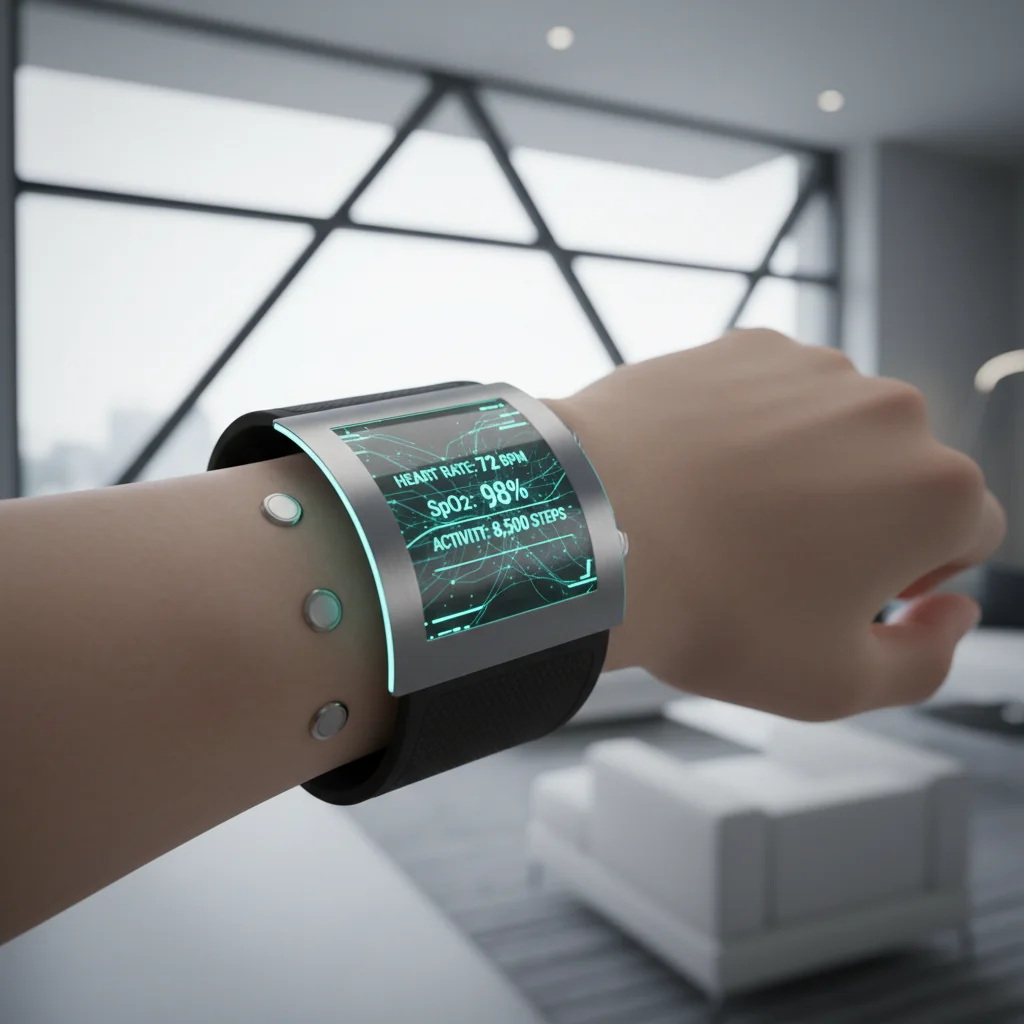
The convergence of technology and healthcare is revolutionizing how we approach personal well-being. For US consumers, the year 2026 promises a future where health monitoring is more integrated, intelligent, and proactive than ever before. Wearable technologies, once primarily fitness trackers, are evolving into sophisticated medical-grade devices capable of providing deep insights into our physiological states. This evolution is not just about counting steps; it’s about predicting health issues, offering personalized interventions, and empowering individuals to take control of their health journeys. The future of wearable health technology is bright, and in this comprehensive article, we will explore four pivotal innovations that are set to redefine health monitoring for US consumers by 2026.
The global wearable technology market is experiencing exponential growth, driven by increasing consumer awareness of personal health, advancements in sensor technology, and the growing prevalence of chronic diseases. In the US, this trend is particularly pronounced, with a significant portion of the population already utilizing some form of wearable device. However, the next few years will see a dramatic shift from basic tracking to advanced, clinically relevant monitoring. This shift is fueled by breakthroughs in artificial intelligence (AI), machine learning (ML), miniaturization, and battery life, making these devices more powerful, accurate, and user-friendly.
Understanding these upcoming innovations is crucial for consumers, healthcare providers, and technology developers alike. For consumers, it means access to tools that can potentially save lives, improve quality of life, and foster a deeper understanding of their own bodies. For healthcare providers, it represents an opportunity to leverage continuous, real-time data for more informed diagnoses, personalized treatment plans, and remote patient management. And for developers, it highlights the immense potential for innovation and growth in a market hungry for smarter, more effective solutions. Let’s delve into the exciting world of wearable health technology and discover what 2026 has in store.
1. Advanced Biometric Sensors and Continuous Glucose Monitoring (CGM) Integration
One of the most significant advancements in wearable health technology for 2026 will be the widespread integration of highly advanced biometric sensors, with a particular focus on non-invasive and continuous glucose monitoring (CGM). While current wearables offer heart rate and blood oxygen, the next generation will push these capabilities much further, incorporating micro-sensors that can detect an even broader spectrum of physiological markers with unprecedented accuracy.
The Evolution of Biometric Sensing
Traditional wearables often rely on photoplethysmography (PPG) for heart rate and blood oxygen. By 2026, we anticipate the proliferation of more sophisticated sensors capable of measuring metrics like blood pressure without a cuff, advanced electrocardiogram (ECG) for deeper cardiac insights, and even early detection of respiratory issues through subtle changes in breathing patterns and lung sounds. These sensors will be smaller, more power-efficient, and seamlessly integrated into various form factors, from smartwatches and rings to discreet patches and even smart clothing.
The accuracy of these sensors will be paramount. Through advanced calibration algorithms and AI-powered signal processing, false positives and negatives will be significantly reduced, making the data more reliable for both personal health management and clinical decision-making. Imagine a wearable that can detect the onset of an arrhythmia with medical-grade precision or monitor subtle changes in hydration levels throughout the day to prevent heat stroke in athletes or elderly individuals. These are not distant dreams but tangible prospects for 2026.
Non-Invasive Continuous Glucose Monitoring (CGM)
Perhaps one of the most anticipated breakthroughs is truly non-invasive continuous glucose monitoring (CGM). For millions of US consumers living with diabetes or pre-diabetes, the need for frequent finger-prick tests is a significant burden. While current CGMs are incredibly effective, they still require a small sensor inserted under the skin. By 2026, research and development are expected to yield reliable, non-invasive CGM solutions integrated into wearables.
These next-generation CGMs could utilize various technologies, such as advanced spectroscopic methods (e.g., near-infrared spectroscopy), radiofrequency sensors, or even micro-needles that don’t penetrate deep enough to draw blood but can detect glucose levels in interstitial fluid. The impact of such a technology would be transformative. It would allow individuals with diabetes to monitor their glucose levels continuously and painlessly, enabling better blood sugar control, reducing the risk of complications, and improving overall quality of life. For those at risk of diabetes, it could provide early warnings and motivate lifestyle changes before the condition becomes chronic.
Furthermore, non-invasive CGM could benefit a much broader population, including athletes looking to optimize their energy levels, individuals on specific diets, or anyone interested in understanding how their body responds to different foods and activities. This level of personalized metabolic insight, delivered conveniently through a wristband or patch, represents a monumental leap in wearable health technology.
2. AI-Powered Predictive Analytics and Personalized Health Coaching
Beyond raw data collection, the true power of wearable health technology in 2026 will lie in its ability to interpret that data using artificial intelligence (AI) and machine learning (ML). This will transition wearables from mere data loggers to intelligent health companions, offering predictive analytics and highly personalized health coaching.
Predicting Health Events Before They Occur
Current wearables can alert you to abnormal heart rates or low blood oxygen. By 2026, AI algorithms will analyze vast amounts of continuous biometric data – heart rate variability, sleep patterns, activity levels, temperature fluctuations, and even subtle changes in gait or voice – to identify patterns indicative of impending health issues. This could range from predicting the onset of a viral infection days in advance by detecting changes in resting heart rate and sleep quality to identifying early markers for chronic conditions like hypertension or even certain neurological disorders.
For example, an AI-powered wearable might detect a gradual increase in a user’s resting heart rate and a decrease in heart rate variability over several days, combined with disrupted sleep. The AI could then flag these combined anomalies as a potential sign of developing illness or elevated stress, prompting the user to take preventive measures or consult a healthcare professional. This proactive approach moves beyond reactive treatment to truly preventative care, potentially reducing hospitalizations and improving health outcomes.
The sophistication of these AI models will allow them to learn individual baselines and deviations, making predictions incredibly personalized. What might be a normal fluctuation for one person could be a significant red flag for another, and the AI will be smart enough to differentiate.
Personalized, Adaptive Health Coaching
The data doesn’t just inform; it also guides. In 2026, wearable health technology will integrate AI to provide dynamic, personalized health coaching. Unlike generic fitness apps, these coaching systems will adapt in real-time to the user’s current physiological state, lifestyle, and goals.
Imagine a wearable that knows you’ve had a stressful day based on your heart rate variability and sleep quality. Instead of pushing you for an intense workout, it might suggest a guided meditation session or a gentle walk. If it detects a prolonged period of inactivity, it could gently remind you to stand up and move. For individuals managing chronic conditions, the AI could offer tailored dietary recommendations, medication reminders, and activity suggestions based on their latest biometric readings and treatment plan.
This personalized coaching extends to nutrition, stress management, sleep optimization, and even mental well-being. The AI will learn your preferences, motivators, and challenges, making its recommendations more effective and easier to adhere to. This adaptive, intelligent feedback loop will empower US consumers to make better health choices, fostering sustainable healthy habits and improving overall well-being.
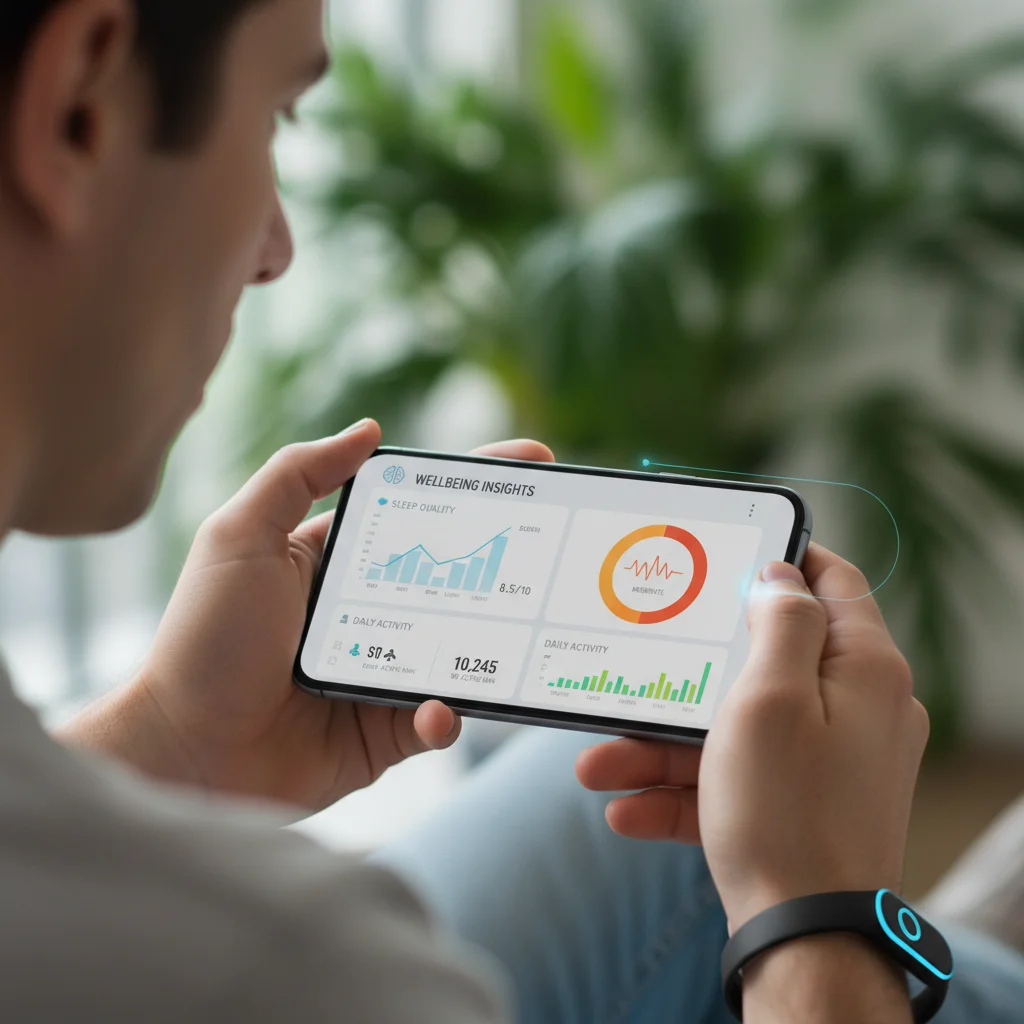
3. Seamless Integration with Healthcare Systems and Telemedicine
The true potential of wearable health technology will be fully realized when it seamlessly integrates with broader healthcare ecosystems. By 2026, US consumers can expect their wearable data to play a crucial role in their interactions with healthcare providers and telemedicine platforms, creating a more connected and efficient healthcare experience.
Bridging the Gap Between Consumer and Clinical Data
Currently, consumer wearable data often exists in a silo, separate from a patient’s electronic health records (EHR). This gap limits its utility for medical professionals. However, regulatory frameworks and technological advancements are paving the way for secure, interoperable data exchange. By 2026, it will be common for users to grant their healthcare providers access to their wearable data, enriching their medical records with continuous, real-world insights.
This integration means that your doctor won’t just see a snapshot of your health during an annual check-up; they’ll have access to weeks or months of continuous data on your heart rate, sleep patterns, activity levels, and potentially even glucose trends. This longitudinal data provides a much more comprehensive picture of your health, allowing for earlier detection of issues, more accurate diagnoses, and more personalized treatment plans. For example, a cardiologist could monitor a patient’s heart rhythm continuously, detecting intermittent arrhythmias that might be missed during a short clinic visit.
Security and privacy will be paramount in this integration, with robust encryption and strict data governance protocols ensuring that sensitive health information is protected and shared only with explicit consent.
Enhancing Telemedicine and Remote Patient Monitoring (RPM)
The COVID-19 pandemic accelerated the adoption of telemedicine, and wearable health technology will be a cornerstone of its continued evolution. By 2026, wearables will significantly enhance remote patient monitoring (RPM) capabilities, allowing healthcare providers to manage chronic conditions, provide post-operative care, and conduct virtual consultations with unprecedented effectiveness.
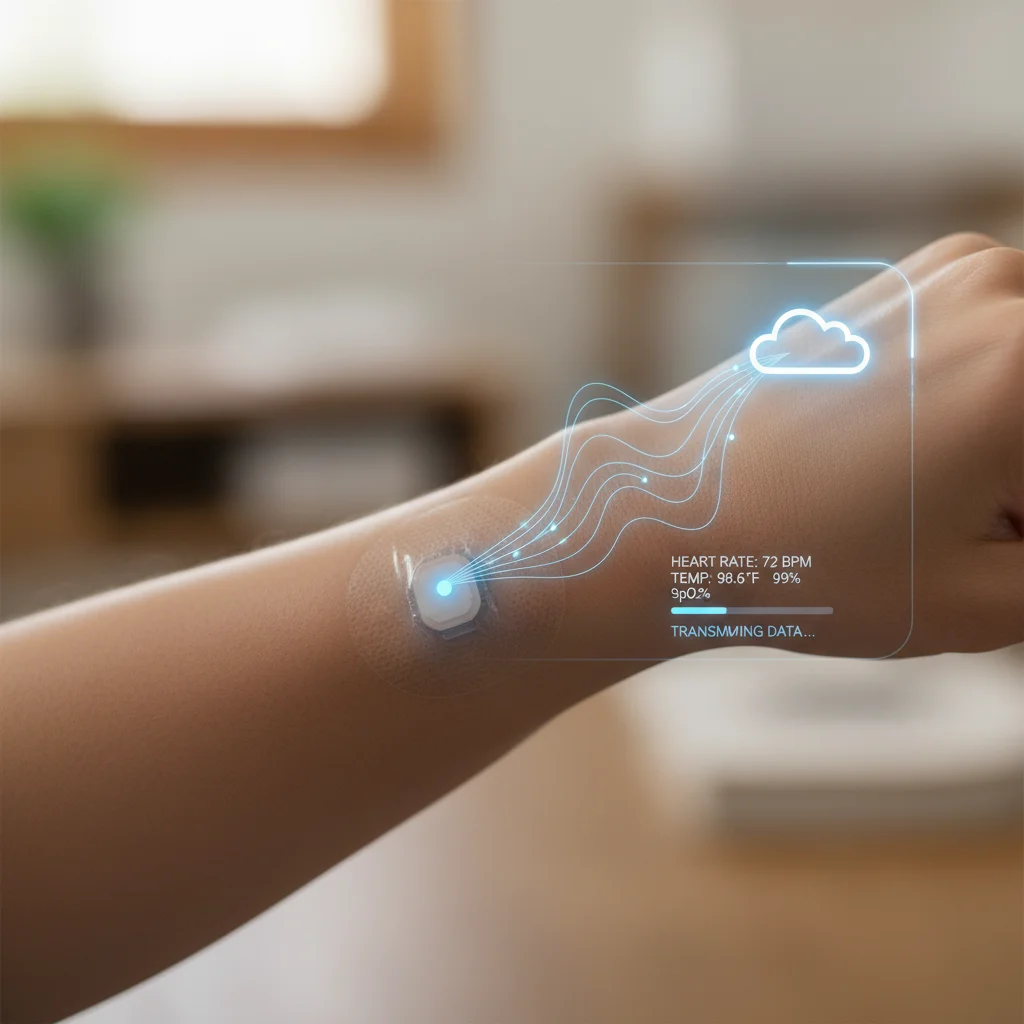
For patients with conditions like heart failure, hypertension, or diabetes, wearables can continuously transmit vital signs and other relevant data directly to their care teams. This enables doctors to intervene proactively if readings deviate from normal, preventing complications and reducing the need for emergency room visits. Imagine a patient recovering from surgery at home, with a wearable device monitoring their temperature, activity, and wound healing progress, alerting their nurse if any concerning signs emerge.
Telemedicine appointments will become more data-driven. Instead of relying solely on verbal reports, doctors will have real-time access to objective data from the patient’s wearable, leading to more informed virtual consultations. This not only improves the quality of care but also enhances convenience for patients, especially those in rural areas or with mobility challenges, reducing travel time and costs associated with in-person visits.
4. Miniaturization and Diverse Form Factors for Ubiquitous Monitoring
The final, yet equally crucial, innovation shaping wearable health technology by 2026 is the relentless drive towards miniaturization and the diversification of form factors. As technology becomes smaller, more powerful, and more energy-efficient, health monitoring will become truly ubiquitous and seamlessly integrated into our daily lives, often without us even noticing it.
Beyond the Wrist: Rings, Patches, and Smart Textiles
While smartwatches will continue to be a dominant form factor, the market in 2026 will see a surge in alternative, less obtrusive wearables. Smart rings, like those already gaining popularity, will offer discreet yet powerful biometric sensing capabilities, measuring heart rate, sleep, and even body temperature from the finger. Their small size and long battery life make them ideal for continuous, unobtrusive monitoring.
Wearable patches, both disposable and reusable, will become more advanced. These adhesive patches can be applied to the skin for days or weeks, offering continuous monitoring of a wider range of parameters, including ECG, respiration rate, skin temperature, and potentially even chemical biomarkers through micro-fluidic analysis. These are particularly valuable for clinical applications, post-operative recovery, and monitoring fragile populations.
Furthermore, smart textiles and clothing will move beyond novelty into practical health monitoring solutions. Embedded sensors in shirts, socks, or even underwear could monitor vital signs, posture, gait, and muscle activity. Imagine athletic wear that not only tracks your performance but also analyzes your biomechanics to prevent injuries, or sleepwear that monitors your sleep stages and breathing for signs of sleep apnea, all without the need for an additional device.
Enhanced Comfort, Aesthetics, and Battery Life
The focus on diverse form factors is driven by a desire for enhanced comfort and aesthetics. Many consumers find current wearables bulky or unfashionable. By 2026, wearable health technology will be designed to blend seamlessly into personal style, becoming almost invisible. Materials will be more breathable, hypoallergenic, and durable, ensuring comfort during prolonged wear.
Crucially, advancements in battery technology and ultra-low-power electronics will extend battery life significantly. This means less frequent charging, making continuous monitoring more practical and user-friendly. Some devices might even incorporate self-charging or energy harvesting technologies, further reducing the need for manual intervention.
This miniaturization and diversification will democratize health monitoring, making it accessible and appealing to a broader demographic, including those who are hesitant to wear traditional smartwatches. The goal is to make health monitoring an effortless, integrated part of daily life, providing continuous insights without interruption.
The Broader Impact on US Healthcare and Consumer Lifestyle
The innovations in wearable health technology by 2026 will have a profound and far-reaching impact on both the US healthcare system and the daily lives of its consumers. This isn’t just about new gadgets; it’s about a fundamental shift in how we perceive and manage health.
Empowering Proactive Health Management
For consumers, these advancements mean an unprecedented level of control and insight into their own health. The ability to continuously monitor key biometrics, receive personalized health coaching, and even predict potential health issues empowers individuals to become active participants in their well-being. This shift from reactive treatment to proactive prevention can lead to healthier lifestyles, improved chronic disease management, and a greater sense of autonomy over one’s health journey. Wearable health technology will move from being a “nice-to-have” to an essential tool for maintaining optimal health.
Transforming Healthcare Delivery and Costs
For the US healthcare system, the integration of advanced wearables promises significant improvements in efficiency, outcomes, and potentially, cost reduction. Remote patient monitoring, enabled by these devices, can reduce hospital readmissions, optimize resource allocation, and facilitate more efficient chronic disease management. Early detection of health issues through predictive analytics can prevent conditions from escalating, leading to less intensive and less expensive treatments.
Furthermore, the wealth of real-world data collected by wearables can contribute to medical research, helping scientists understand disease progression, treatment efficacy, and population health trends with greater precision. This data-driven approach can accelerate the development of new therapies and personalized medicine strategies.
Addressing Health Disparities
While access to technology can sometimes exacerbate disparities, the increasing affordability and diverse form factors of wearable health technology could also play a role in bridging health gaps. With simpler, more cost-effective devices and widespread telemedicine integration, individuals in underserved communities could gain access to monitoring and care that was previously inaccessible. Government initiatives and insurance programs may also begin to subsidize or incentivize the use of these devices to improve public health outcomes.
Challenges and Considerations Ahead
Despite the immense promise, the widespread adoption and integration of these advanced wearable health technologies also present challenges that need to be addressed by 2026. Data privacy and security remain paramount concerns. Robust regulatory frameworks, clear consent mechanisms, and impenetrable encryption will be essential to protect sensitive health information from breaches and misuse.
Accuracy and validation of medical-grade data will also be critical. As wearables move from consumer gadgets to medical devices, they will need to undergo rigorous testing and receive appropriate regulatory approvals (e.g., FDA clearance in the US) to ensure their reliability and clinical utility. Healthcare professionals will also require training to effectively interpret and utilize the vast amounts of data generated by these devices.
Finally, fostering user engagement and preventing data fatigue will be important. While the technology will be sophisticated, it must also be user-friendly and provide actionable insights without overwhelming the user. The goal is to empower, not to burden.
Conclusion: The Dawn of a Healthier, More Connected Future
The year 2026 stands as a significant milestone in the evolution of wearable health technology for US consumers. From advanced biometric sensors and non-invasive continuous glucose monitoring to AI-powered predictive analytics and seamless integration with healthcare systems, these innovations are set to redefine personal health management. The miniaturization of devices and the proliferation of diverse form factors will make health monitoring ubiquitous, comfortable, and aesthetically pleasing.
We are on the cusp of a truly transformative era where our devices don’t just track our activity but actively participate in maintaining and improving our health. This future promises a more proactive, personalized, and connected approach to well-being, empowering individuals and revolutionizing the healthcare landscape. The wearable health technology of tomorrow isn’t just about data; it’s about better health outcomes and a higher quality of life for millions of US consumers.
Related Posts: