Conscious Consumerism: Financial Impact on Ethical Brands
The rise of conscious consumerism is profoundly impacting the financial landscape for ethical brands. With 60% of US consumers now prioritizing values, businesses must adapt to meet demand for sustainability and social responsibility. This post explores the financial implications and strategic opportunities.
By: Emilly Correa on June 29, 2026
Last updated on: July 28, 2026
In an era defined by rapid information exchange and increasing global awareness, a powerful shift is underway in consumer behavior: the rise of conscious consumerism impact. No longer content with merely purchasing products or services, a significant majority of consumers are now demanding that the brands they support align with their values. This isn’t just a fleeting trend; it’s a fundamental recalibration of market dynamics, with profound financial implications for businesses across all sectors.
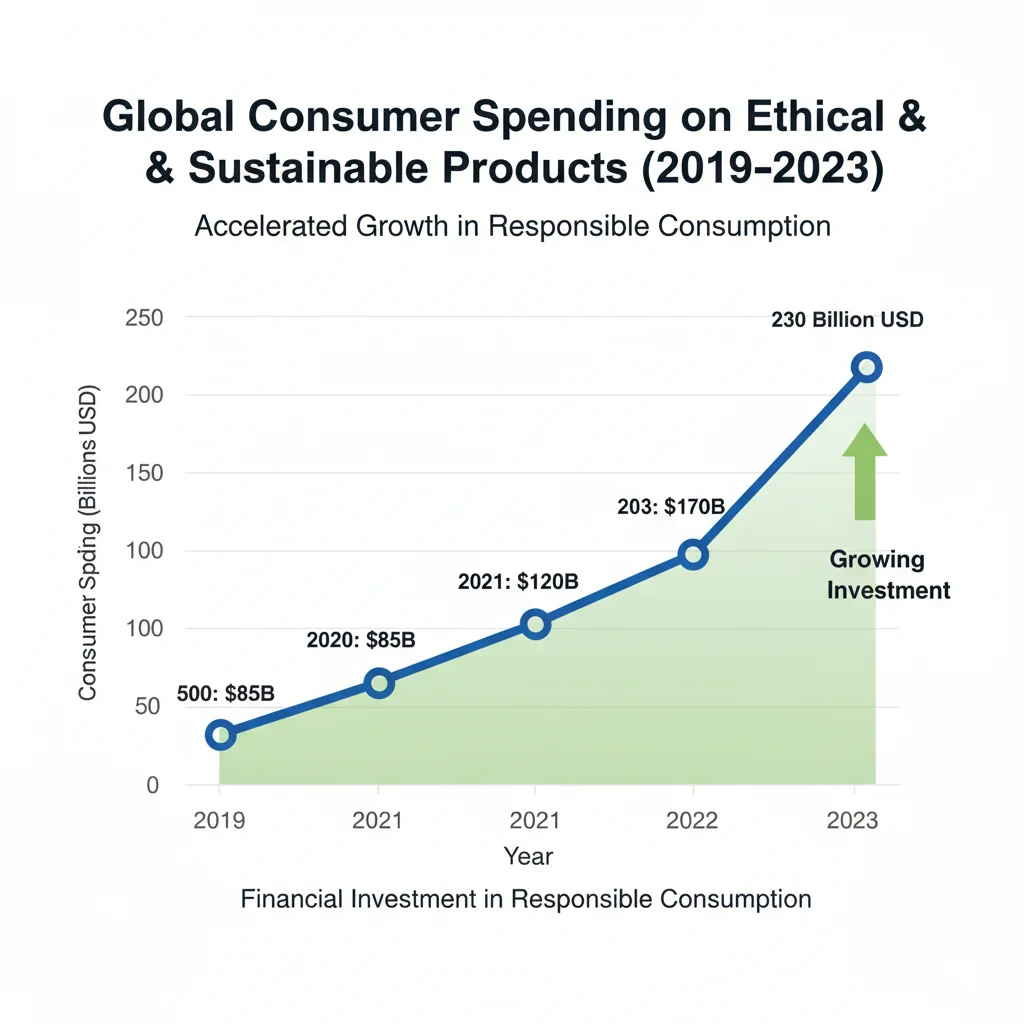
Recent studies reveal a staggering statistic: approximately 60% of US consumers are actively prioritizing ethical and sustainable brands. This means that decisions about what to buy are increasingly influenced by a brand’s stance on environmental protection, social justice, labor practices, and transparency. For businesses, understanding and adapting to this evolving landscape is no longer optional; it’s a prerequisite for sustained growth and profitability. The financial impact of conscious consumerism is undeniable, offering both immense opportunities for ethical brands and significant challenges for those slow to adapt.
Defining Conscious Consumerism: More Than Just a Buzzword
Before delving into the financial ramifications, it’s crucial to establish a clear understanding of what conscious consumerism entails. At its core, conscious consumerism is the deliberate choice by consumers to purchase goods and services that have been produced and delivered in an ethical, sustainable, and socially responsible manner. It’s a rejection of purely transactional relationships in favor of those built on shared values and transparency. This movement encompasses a wide array of considerations, including but not limited to:
Environmental Sustainability: This involves minimizing ecological footprint, using renewable resources, reducing waste, and adopting eco-friendly production processes. Consumers are increasingly scrutinizing supply chains for their environmental impact.
Ethical Labor Practices: Fair wages, safe working conditions, and the absence of child labor or exploitative practices are paramount. Consumers want to know that the people behind the products are treated with dignity and respect.
Social Justice and Equity: Brands that demonstrate a commitment to diversity, inclusion, and supporting marginalized communities often resonate strongly with conscious consumers.
Animal Welfare: For products involving animals, consumers prioritize humane treatment and ethical sourcing.
Transparency and Authenticity: Consumers expect brands to be open about their practices, from sourcing raw materials to manufacturing and distribution. Greenwashing – making unsubstantiated claims about environmental benefits – is quickly identified and penalized.
Local Sourcing and Community Impact: Supporting local economies and businesses that contribute positively to their communities is another key aspect of conscious consumerism.
The rise of digital platforms and social media has significantly amplified the reach and influence of conscious consumerism. Information about a brand’s practices, good or bad, can spread globally in an instant, shaping public perception and ultimately, purchasing decisions. This heightened awareness means that brands are under more scrutiny than ever before, making the conscious consumerism impact a critical factor in their overall strategy.
The Financial Upside: How Ethical Brands Are Thriving
For brands that genuinely embrace conscious consumerism, the financial rewards can be substantial. The 60% of US consumers prioritizing ethical brands represent a massive and growing market segment. Here’s how this translates into tangible financial benefits:
Increased Sales and Market Share
When consumers align with a brand’s values, they are more likely to choose that brand over competitors. This directly leads to increased sales volumes and the potential to capture a larger share of the market. Ethical brands are seeing their revenues climb as more consumers seek out products that reflect their personal convictions. This isn’t just about a single purchase; it’s about building long-term relationships.
Enhanced Brand Loyalty and Customer Retention
Conscious consumers are not typically fickle buyers. Once they find a brand that genuinely embodies their values, they tend to become incredibly loyal. This loyalty translates into repeat purchases, higher customer lifetime value, and a reduced need for costly customer acquisition strategies. Ethical brands often foster a strong sense of community among their customers, turning them into brand advocates who spread positive word-of-mouth.
Premium Pricing Opportunities
Consumers are often willing to pay a premium for products that are ethically sourced, sustainably produced, or contribute to a good cause. This willingness to pay more for value-aligned goods allows ethical brands to command higher profit margins, even if their production costs are slightly elevated due to responsible practices. The perception of quality and integrity associated with ethical products justifies a higher price point in the eyes of many consumers. The conscious consumerism impact here is directly on the bottom line.
Improved Brand Reputation and Equity
A strong commitment to ethical and sustainable practices significantly enhances a brand’s reputation. This positive perception extends beyond direct consumers, influencing investors, potential employees, and business partners. A reputable brand is more resilient to crises, better positioned for growth, and holds greater intrinsic value. In today’s competitive landscape, a positive reputation built on integrity is an invaluable asset.
Attracting and Retaining Top Talent
Beyond consumers, conscious business practices also appeal to employees. A growing number of professionals, particularly younger generations, seek employment with companies whose values align with their own. Ethical brands often find it easier to attract, motivate, and retain top talent, leading to higher productivity, lower recruitment costs, and a more engaged workforce. This often overlooked aspect of conscious consumerism impact can be a significant competitive advantage.
Access to New Funding and Investment Opportunities
The financial world is increasingly recognizing the importance of ESG (Environmental, Social, and Governance) factors. Investors are actively seeking out companies with strong ESG credentials, viewing them as more sustainable and less risky in the long term. Ethical brands may find it easier to secure funding, attract impact investors, and gain access to capital markets that prioritize responsible business practices.
The Financial Risks: Challenges for Non-Ethical Brands
Conversely, businesses that fail to adapt to the demands of conscious consumerism face significant financial risks. The market is increasingly unforgiving of brands perceived as unethical or unsustainable.
Declining Sales and Market Share
As conscious consumers shift their spending, brands that fall short on ethical or sustainability metrics will inevitably see a decline in sales and market share. This erosion of customer base can be difficult to reverse, especially if competitors are successfully embracing responsible practices. The financial impact can be severe, leading to reduced revenue and profitability.
Damage to Brand Reputation and Negative Publicity
In the age of social media, negative information about a brand’s unethical practices can spread like wildfire, causing immense reputational damage. Accusations of greenwashing, labor exploitation, or environmental harm can lead to boycotts, public outcry, and a significant loss of consumer trust. Rebuilding a tarnished reputation is a long, arduous, and costly process.
Increased Regulatory Scrutiny and Fines
Governments and regulatory bodies worldwide are enacting stricter laws regarding environmental protection, labor standards, and consumer protection. Brands that fail to comply face hefty fines, legal battles, and operational disruptions. The cost of non-compliance can significantly impact a company’s financial health.
Difficulty Attracting and Retaining Talent
Just as ethical brands attract top talent, those perceived as unethical struggle to do so. A negative employer brand can lead to a shallow talent pool, higher recruitment costs, and a less engaged or less productive workforce. This can have a cascading effect on innovation and overall business performance.
Investor Disinterest and Divestment
Investors are increasingly shying away from companies with poor ESG performance. This can lead to difficulties in raising capital, lower stock valuations, and even divestment from existing investors. The long-term financial health of a company is intrinsically linked to its perceived ethical standing.
Supply Chain Vulnerabilities
Brands with opaque or unethical supply chains are exposed to significant risks. Disruptions due to labor disputes, environmental disasters linked to unsustainable practices, or public backlash against unethical suppliers can halt production, damage brand image, and incur substantial financial losses. The conscious consumerism impact forces a re-evaluation of entire supply chains.
Strategies for Businesses Navigating Conscious Consumerism
For businesses looking to thrive in this new landscape, embracing conscious consumerism isn’t just about mitigating risks; it’s about seizing opportunities. Here are key strategies:
1. Authenticity and Transparency are Paramount
Simply making claims about ethical practices is no longer enough. Consumers demand proof. Brands must be genuinely committed to their stated values and be transparent about their supply chains, production processes, and social impact initiatives. Third-party certifications (e.g., Fair Trade, B Corp, LEED) can provide credible validation. Communicate your efforts openly and honestly, acknowledging both successes and areas for improvement.
2. Embed Ethics and Sustainability into Core Business Strategy
Conscious consumerism cannot be an add-on or a marketing gimmick. It must be woven into the very fabric of the business, from product design and sourcing to operations and corporate culture. This requires a holistic approach and leadership commitment. Integrate ESG goals into your strategic planning and performance metrics. This ensures that the conscious consumerism impact is a positive one for your organization.
3. Understand Your Customers’ Values
Research and understand what matters most to your target audience. Are they primarily concerned with environmental impact, labor rights, animal welfare, or social justice? Tailor your ethical initiatives and communication to resonate with their specific values. Regular feedback loops and consumer surveys can provide invaluable insights.
4. Innovate for Sustainability
Invest in research and development to create more sustainable products, packaging, and processes. This could involve using recycled materials, designing for durability and recyclability, reducing energy consumption, or developing circular economy models. Innovation in sustainability not only meets consumer demand but can also lead to cost efficiencies in the long run.
5. Engage in Meaningful Storytelling
Communicate your ethical journey and impact in a compelling and authentic way. Share stories about the people behind your products, your environmental initiatives, and your contributions to the community. This builds an emotional connection with consumers and reinforces brand loyalty. Use various channels, from your website and social media to product packaging, to tell your story effectively.
6. Collaborate and Partner for Greater Impact
Consider partnering with NGOs, other ethical businesses, or industry initiatives to amplify your impact and share best practices. Collaborative efforts can lead to more significant systemic change and enhance your brand’s credibility. Collective action often achieves more than individual efforts, further strengthening the positive conscious consumerism impact.
7. Measure and Report Your Impact
Quantify your environmental and social impact. Use metrics to track progress on sustainability goals, labor practices, and community engagement. Report on these metrics regularly, demonstrating accountability and continuous improvement. This not only builds trust with consumers but also provides valuable data for internal decision-making.
The Future of Business: A Conscious Imperative
The data is clear: conscious consumerism is not a niche market but a dominant force reshaping the global economy. The fact that 60% of US consumers are prioritizing ethical brands signals a fundamental shift in purchasing power towards businesses that demonstrate genuine responsibility. This trend is only expected to grow as younger generations, who are inherently more attuned to social and environmental issues, gain greater economic influence.
For businesses, this represents a critical juncture. Those that proactively embrace ethical and sustainable practices stand to gain significant financial advantages, including increased sales, enhanced brand loyalty, premium pricing, and improved access to capital. Conversely, those that ignore or pay lip service to these demands risk alienation from a growing consumer base, reputational damage, and ultimately, financial decline.
The future of business is inextricably linked to its ability to demonstrate positive social and environmental impact. Brands that can authentically integrate ethics and sustainability into their core operations, communicate their efforts transparently, and genuinely respond to the values of conscious consumers will not only survive but thrive in the evolving marketplace. The conscious consumerism impact is a powerful catalyst for positive change, driving businesses towards a more responsible and sustainable future, one purchase at a time.
This evolving landscape presents a compelling call to action for every organization. It’s an opportunity to redefine success, moving beyond mere profit to encompass purpose and positive societal contribution. Businesses that embrace this challenge will not only secure their financial future but also play a vital role in building a more equitable and sustainable world for everyone.
Emilly Correa has a degree in journalism and a postgraduate degree in Digital Marketing, specializing in Content Production for Social Media. With experience in copywriting and blog management, she combines her passion for writing with digital engagement strategies. She has worked in communications agencies and now dedicates herself to producing informative articles and trend analyses.