Creator Economy Trends 2026: Digital Culture & Future Growth
Dive into the future of the creator economy. This post unveils the core trends driving American digital culture in 2026, focusing on AI, Web3, and diversified monetization for creators.
By: Emilly Correa on May 21, 2026
Last updated on: July 28, 2026
Creator Economy Trends 2026: Digital Culture & Future Growth
The digital landscape is in a constant state of flux, and at its heart lies the creator economy trends. What began as a nascent movement of individuals sharing their passions online has blossomed into a multi-billion-dollar industry, reshaping how we consume content, interact with brands, and even define careers. As we look ahead to 2026, the American digital culture is poised for even more significant transformations, driven by a confluence of technological advancements, evolving audience expectations, and innovative monetization models. Understanding these creator economy trends is not just for aspiring influencers; it’s crucial for businesses, marketers, and anyone keen on grasping the future of digital engagement.
In this comprehensive analysis, we will decode the three most pivotal creator economy trends that are set to dominate the American digital sphere in 2026. From the pervasive integration of Artificial Intelligence to the groundbreaking potential of Web3 technologies and the diversification of monetization avenues, we’ll explore how these forces are empowering creators, redefining authenticity, and fostering new forms of community. Prepare to delve deep into the future of digital influence and discover what it truly means to thrive in the ever-expanding creator ecosystem.
The AI Revolution: Supercharging Content Creation and Personalization
Artificial Intelligence (AI) is no longer a futuristic concept; it’s an integral part of our present, and its impact on the creator economy trends is nothing short of revolutionary. By 2026, AI tools will have become indispensable for creators, fundamentally altering how content is generated, optimized, and personalized for diverse audiences. This trend is multifaceted, touching upon efficiency, scale, and the very nature of creative expression.
AI as a Creative Assistant: Beyond Automation
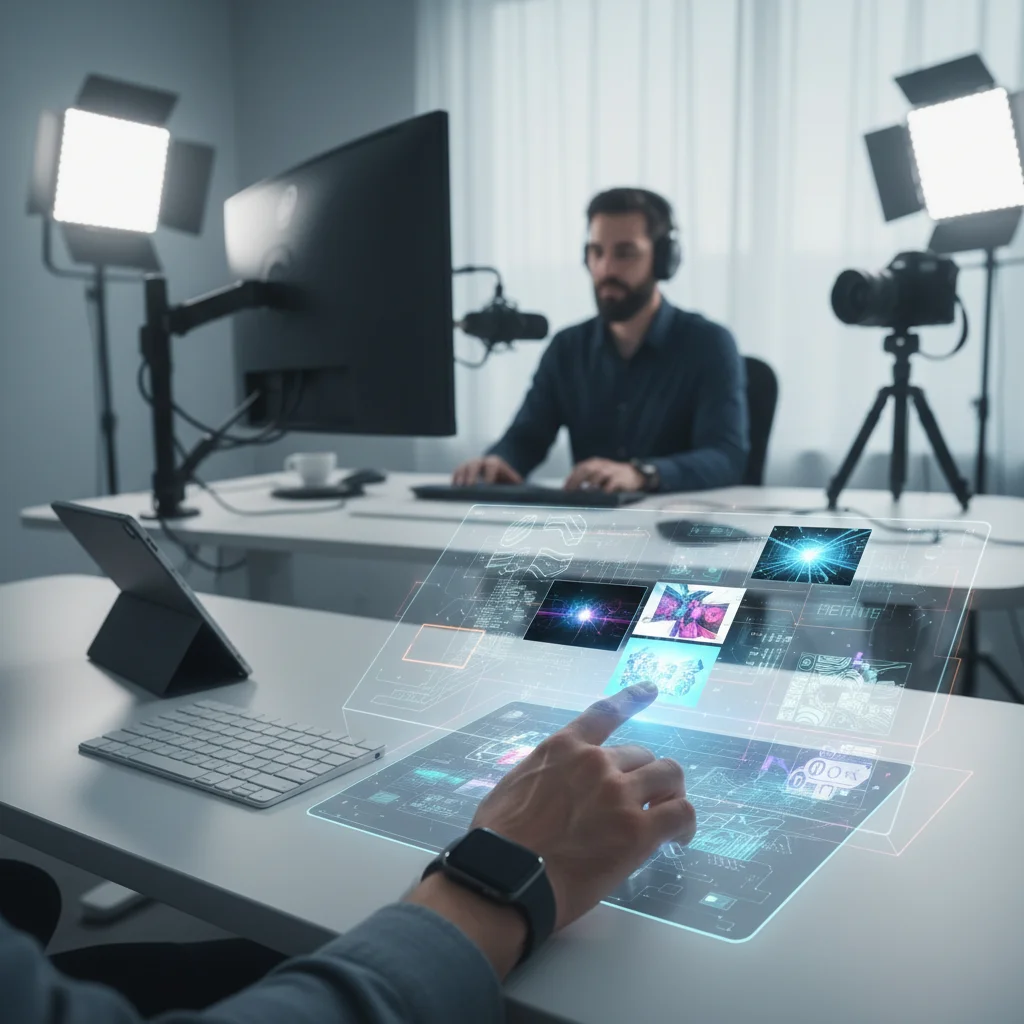
One of the most significant creator economy trends driven by AI is its role as a creative assistant. Gone are the days when AI was solely associated with mundane automation. Today, and even more so by 2026, AI will be an active participant in the creative process. Imagine an AI-powered script generator that can draft compelling video outlines based on trending topics and a creator’s unique style. Picture AI tools that can compose background music, generate unique visual assets, or even animate characters with minimal input. These capabilities free up creators from time-consuming tasks, allowing them to focus on conceptualization, storytelling, and building deeper connections with their audience.
For instance, AI-driven video editing software can automatically identify key moments, suggest cuts, and even apply stylistic filters, drastically reducing post-production time. AI-powered writing assistants can help creators overcome writer’s block, refine their prose, and ensure their messaging resonates with specific demographics. This isn’t about replacing human creativity but augmenting it, enabling creators to produce higher quality content at an unprecedented pace. The barrier to entry for complex content formats will lower, democratizing access to sophisticated production techniques and fostering a more diverse range of voices within the creator economy trends.
Hyper-Personalization and Audience Engagement
The ability of AI to analyze vast datasets is transforming audience understanding and engagement. By 2026, creators will leverage AI to gain profound insights into their audience’s preferences, behaviors, and consumption patterns. This goes beyond simple demographics; AI can identify nuanced interests, predict engagement peaks, and even suggest optimal content formats for individual segments of a creator’s following. This level of hyper-personalization is a game-changer for creator economy trends.
Consider AI algorithms that can tailor content recommendations not just on a platform level, but directly from the creator. A beauty influencer, for example, could use AI to suggest specific product reviews to followers based on their past engagement with certain brands or product categories. A gaming streamer might leverage AI to identify which segments of their audience prefer competitive play versus narrative-driven games, allowing them to schedule content accordingly. This precision marketing and content delivery will lead to significantly higher engagement rates, stronger community bonds, and ultimately, more effective monetization strategies. Creators will move beyond broad strokes to deliver truly bespoke experiences, fostering a sense of individual connection that is invaluable in a crowded digital space.
Ethical Considerations and the Future of Authenticity
While the benefits of AI are immense, its rapid integration also brings ethical considerations to the forefront of creator economy trends. Questions about content authenticity, AI-generated deepfakes, and the potential for algorithmic bias will become increasingly prominent. By 2026, creators and platforms alike will need to establish clear guidelines and transparency mechanisms regarding the use of AI in content creation. Audiences will demand to know when content is AI-assisted or entirely AI-generated, and trust will become an even more valuable currency.
The challenge for creators will be to harness AI’s power without sacrificing their unique voice or the perceived authenticity that underpins their relationship with their audience. The most successful creators will be those who can skillfully blend human creativity with AI efficiency, using technology to amplify their message rather than dilute it. Furthermore, AI will play a role in content moderation, helping platforms identify and combat misinformation or harmful content, though this too will require careful ethical oversight. The evolving interplay between human creativity and artificial intelligence is undoubtedly one of the most exciting and complex creator economy trends to watch.
Web3 and Decentralization: Empowering Creators with Ownership and New Revenue Streams
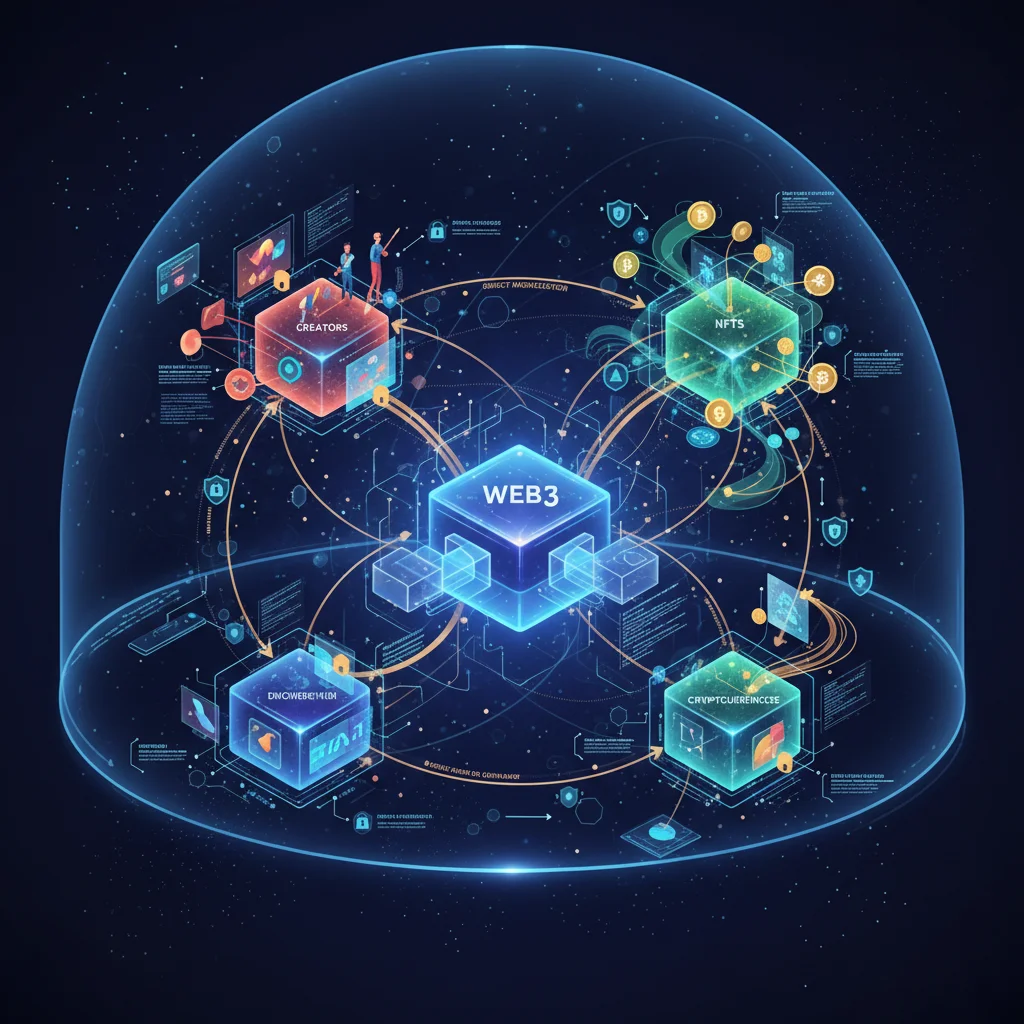
The advent of Web3, characterized by blockchain technology, NFTs (Non-Fungible Tokens), and decentralized autonomous organizations (DAOs), represents a paradigm shift in how digital value is created, owned, and distributed. For the creator economy trends, Web3 is not just an incremental improvement; it’s a fundamental re-architecture of the internet that promises to put more power and profit directly into the hands of creators.
NFTs: Redefining Digital Ownership and Fan Engagement
NFTs have already made waves, but by 2026, their integration into the core of creator economy trends will be profound. NFTs offer creators a way to tokenize their digital content – art, music, videos, even unique experiences – and sell them directly to their audience. This allows fans to own a verifiable piece of a creator’s work, fostering a deeper sense of connection and investment. Beyond speculative value, NFTs are evolving to offer utility, such as exclusive access to communities, events, or future content. Imagine an NFT that grants lifetime access to a creator’s private Discord server, voting rights on future content decisions, or even a share of royalties from future projects.
This model shifts the relationship from a transactional one to a more symbiotic partnership. Creators can build micro-economies around their content, rewarding their most loyal fans with unique digital assets and experiences. This direct monetization bypasses traditional intermediaries, giving creators a larger share of the revenue and greater control over their intellectual property. The transparency and immutability of blockchain technology ensure that ownership is clear and verifiable, building trust between creators and their communities. This direct-to-fan model, powered by NFTs, is undeniably one of the most transformative creator economy trends.
DAOs: Community-Owned Creative Ventures
Decentralized Autonomous Organizations (DAOs) represent another powerful facet of Web3 that will reshape the creator economy trends. DAOs are internet-native organizations owned and managed by their members, with rules encoded on a blockchain. For creators, DAOs offer a revolutionary way to build and fund creative projects collaboratively with their community.
Instead of a creator dictating all decisions, a DAO could allow fans to collectively vote on elements of a new album, a documentary project, or even the direction of a long-running web series. Members of a creator DAO could pool resources to fund ambitious projects, share in the profits, and collectively steer the creative direction. This fosters an unprecedented level of community engagement and ownership, transforming passive consumers into active participants. The potential for shared risk and reward, combined with transparent governance, makes DAOs a compelling model for group-based creative endeavors and a significant evolution in creator economy trends.
Challenges and the Path to Mass Adoption
While the promise of Web3 for the creator economy trends is immense, challenges remain. The complexity of blockchain technology, user experience hurdles, and regulatory uncertainties are factors that need to be addressed for mass adoption. By 2026, we anticipate significant advancements in user-friendly Web3 interfaces, making it easier for creators and their audiences to engage with NFTs and DAOs without needing deep technical knowledge. Furthermore, clearer regulatory frameworks will emerge, providing stability and fostering greater confidence in these new digital assets.
The successful integration of Web3 will depend on how effectively creators can communicate its value proposition to their audience and how seamlessly platforms can onboard users. Those who embrace Web3 early, experimenting with its potential for unique fan experiences and direct ownership, will likely be at the forefront of the next wave of creator economy trends, forging new pathways for monetization and community building.
Diversified Monetization: Beyond Ads and Sponsorships
For a long time, the primary monetization strategies for creators revolved around advertising revenue and brand sponsorships. While these remain important, the future of the creator economy trends in 2026 is defined by an unprecedented diversification of income streams, offering creators greater financial stability, independence, and control over their careers.
Subscription Models and Direct Fan Support
The rise of subscription platforms like Patreon, Substack, and various platform-native membership options has already empowered many creators. By 2026, this trend will intensify, becoming a cornerstone of sustainable creative careers. Audiences are increasingly willing to pay directly for exclusive content, ad-free experiences, and deeper access to their favorite creators. This direct fan support fosters a more reliable income stream, insulating creators from the volatility of ad markets and algorithmic changes.
Beyond simple subscriptions, we’ll see more tiered offerings, personalized content access, and even micro-subscriptions for specific content pieces or features. The power of direct fan support lies in its ability to align incentives: creators produce content that their most dedicated fans truly value, and fans directly contribute to the sustainability of the content they love. This shift towards direct economic relationships is a critical component of the evolving creator economy trends.
E-commerce and Creator-Owned Brands
Creators are no longer just endorsing products; they are creating their own. The expansion of e-commerce capabilities, coupled with easier access to manufacturing and fulfillment, means that by 2026, many successful creators will have their own robust product lines. This could range from merchandise and digital products (e.g., presets, templates, courses) to fully-fledged consumer brands in niches like beauty, fashion, home goods, or even food and beverage.
The advantage here is immense: creators already possess an engaged audience and built-in trust. Launching their own products allows them to capture a larger share of the value chain, moving beyond a percentage of sponsored content to owning the entire customer journey. This trend empowers creators to become entrepreneurs in their own right, building sustainable businesses around their personal brand and expertise. The integration of social commerce features directly within platforms will further accelerate this, making purchasing from creators a seamless experience and solidifying e-commerce as a dominant force in creator economy trends.
The Blurring Lines of Content and Commerce
By 2026, the distinction between content creation and commerce will become increasingly blurred. Live shopping events hosted by influencers, interactive product placements within videos, and shoppable content formats will be commonplace. Creators will act as curators, educators, and direct sales channels, offering an authentic and engaging shopping experience that traditional retail struggles to replicate. This convergence represents a powerful evolution in creator economy trends, where entertainment and purchasing decisions are intertwined.
Furthermore, creators will leverage their platforms to offer services, host workshops, and even consult, transforming their expertise into tangible, monetizable offerings. The emphasis will be on creating diverse revenue streams that are resilient and aligned with the creator’s personal brand and audience needs, moving away from over-reliance on any single income source. This multi-pronged approach to monetization ensures greater longevity and financial security for those navigating the complex world of creator economy trends.
The Evolving Role of Platforms and the Creator-Platform Relationship
The relationship between creators and the platforms they use has always been a dynamic one. As the creator economy trends evolve towards 2026, this relationship is undergoing significant shifts, driven by competition, creator demands, and the rise of decentralized alternatives.
Platform Competition and Creator Incentives
With the creator economy booming, platforms are locked in an intense battle to attract and retain top talent. This competition is leading to more lucrative creator incentive programs, better monetization tools, and increased support for creators. By 2026, platforms will offer more bespoke partnership deals, dedicated creator managers, and advanced analytics to help creators grow their audience and income. The ‘creator-first’ mantra will move from marketing rhetoric to tangible features and policies.
This competitive landscape benefits creators, as platforms are forced to innovate and offer better terms. However, it also means creators must strategically choose where to invest their time and effort, considering each platform’s unique audience, monetization options, and content formats. The ability to diversify across platforms while maintaining a strong core presence will be a key strategy in navigating these creator economy trends.
The Rise of Creator-Owned Platforms and Independent Infrastructure
While major platforms will continue to dominate, a growing sentiment among creators emphasizes the need for more control and less reliance on centralized entities. This has fueled the development of independent infrastructure and creator-owned platforms. By 2026, we will see more creators building their own websites, apps, and communities, leveraging tools that offer greater data ownership, customization, and direct monetization without platform fees.
This doesn’t necessarily mean abandoning major platforms entirely. Instead, it suggests a hybrid approach where creators use established platforms for reach and discovery, while directing their most engaged audience members to their owned properties for deeper engagement and monetization. This strategy provides a safeguard against platform policy changes and algorithmic shifts, ensuring creators have a direct line to their audience. This move towards greater independence is a crucial aspect of the future creator economy trends.
Conclusion: Navigating the Future of Digital Influence
The creator economy trends of 2026 paint a picture of a dynamic, complex, and incredibly exciting future. Artificial Intelligence will serve as a powerful co-pilot, enhancing creative output and personalizing audience experiences. Web3 technologies, through NFTs and DAOs, will redefine ownership, foster deeper fan engagement, and unlock new decentralized revenue streams. Meanwhile, creators will embrace a diverse portfolio of monetization strategies, moving beyond traditional advertising to build resilient, creator-owned businesses.
For creators, the message is clear: adaptability and continuous learning will be paramount. Embracing new technologies like AI and Web3, experimenting with varied monetization models, and prioritizing direct community building will be key to long-term success. For brands and marketers, understanding these shifts is essential for effective collaboration and authentic engagement. The days of one-size-fits-all strategies are over; a nuanced approach that respects creator autonomy and leverages innovative technologies will yield the best results.
The American digital culture is being profoundly shaped by these creator economy trends. As we move closer to 2026, the lines between creator, entrepreneur, and community builder will continue to blur, ushering in an era where individual influence, empowered by technology and direct fan support, truly holds the reins of digital innovation. The future of the creator economy is not just about content creation; it’s about building sustainable digital empires, one engaged community at a time.
Emilly Correa has a degree in journalism and a postgraduate degree in Digital Marketing, specializing in Content Production for Social Media. With experience in copywriting and blog management, she combines her passion for writing with digital engagement strategies. She has worked in communications agencies and now dedicates herself to producing informative articles and trend analyses.