The Evolving Role of Localism: 3 Cultural Movements Strengthening Community Ties Across the US (RECENT UPDATES)
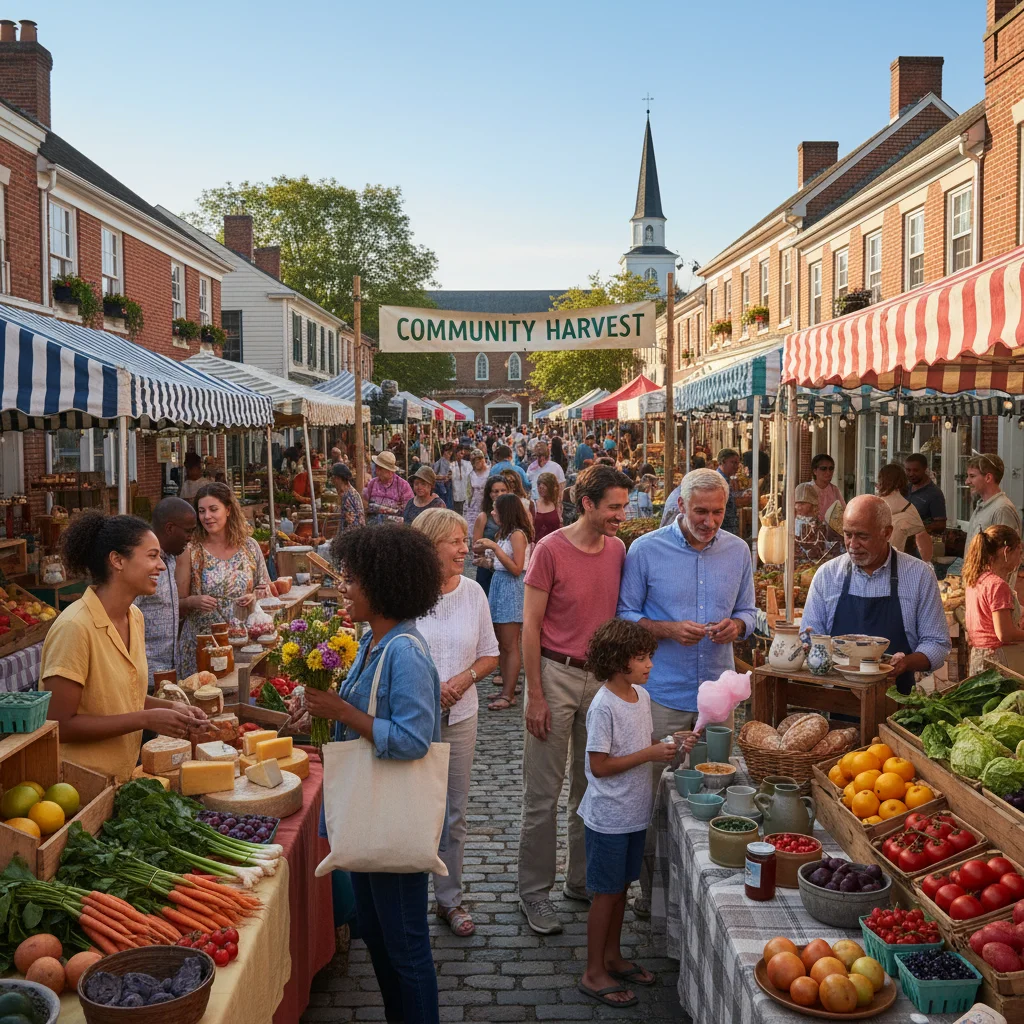
In an increasingly globalized and interconnected world, a powerful counter-current is steadily gaining momentum: localism. This isn’t merely a nostalgic yearning for simpler times, but a deliberate and dynamic movement aimed at strengthening community ties, fostering economic resilience, and preserving unique cultural identities. Across the United States, Localism Cultural Movements are reshaping how we interact with our neighbors, consume goods, and participate in civic life. This comprehensive exploration delves into three pivotal cultural movements that exemplify the evolving role of localism and provides recent updates on their significant impact.
At its core, localism advocates for prioritizing local resources, businesses, and community-led initiatives. It’s a philosophy that recognizes the profound value of proximity, personal relationships, and shared responsibility. As global supply chains face increasing disruptions and digital interactions often replace face-to-face connections, the appeal of localism has never been stronger. It offers a tangible solution to feelings of detachment and a pathway to building more sustainable, equitable, and vibrant communities.
The Resurgence of Local Food Systems: From Farm to Table and Beyond
One of the most visible and impactful Localism Cultural Movements is the robust resurgence of local food systems. This movement encompasses everything from farmers’ markets and community-supported agriculture (CSA) programs to urban farming initiatives and farm-to-table restaurants. Its growth is driven by a confluence of factors, including increasing consumer demand for fresh, healthy, and ethically sourced food, a desire to support local economies, and a growing awareness of environmental sustainability.
Recent Updates and Impact:
- Farmers’ Markets Flourish: The number of farmers’ markets nationwide continues to grow, with many reporting increased vendor and consumer participation. These markets serve as vital community hubs, not just for commerce but also for social interaction and educational opportunities about food origins. Recent data from the USDA indicates a steady rise in direct-to-consumer food sales, highlighting the sustained interest in local produce.
- Community-Supported Agriculture (CSA) Innovations: CSAs have evolved beyond traditional weekly vegetable boxes. Many now offer diversified shares that include local meats, dairy, baked goods, and even artisan crafts. Some CSAs are experimenting with flexible pick-up options, online ordering, and partnerships with local businesses to expand their reach and convenience, making local food more accessible to a broader demographic.
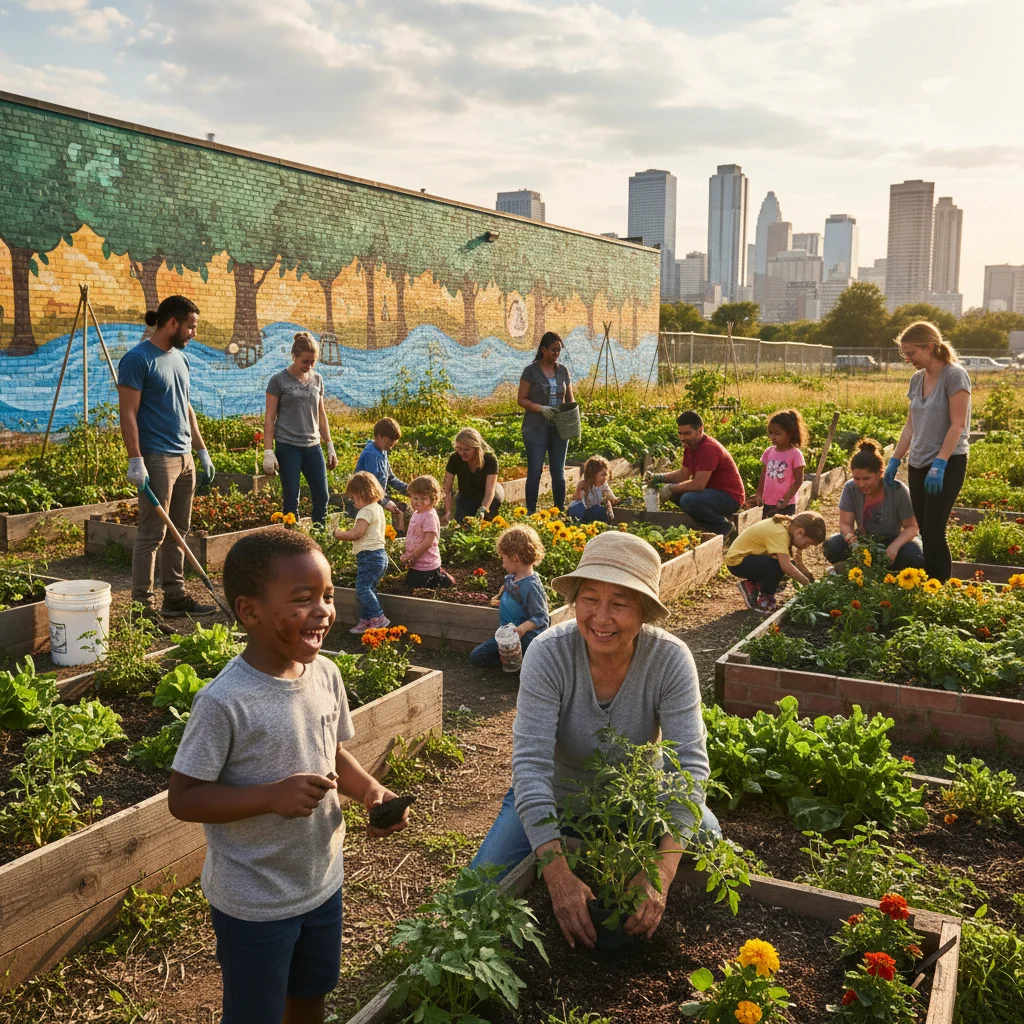
- Urban Agriculture on the Rise: Cities across the US are witnessing a boom in urban farming, from rooftop gardens and vertical farms to community plots in vacant lots. These initiatives not only provide fresh produce to urban dwellers but also transform neglected spaces, foster community engagement, and offer educational programs on sustainable growing practices. Major cities like Detroit, Philadelphia, and New York have seen significant expansions in their urban agriculture footprints, often supported by local government grants and non-profit organizations.
- Farm-to-School Programs: Connecting local farms with school cafeterias is a powerful way to introduce children to healthy eating and support local agriculture. These programs are expanding, with schools increasingly sourcing fresh, seasonal ingredients from nearby farms. This not only improves the nutritional quality of school meals but also provides stable markets for local farmers and educates the next generation about sustainable food practices.
- Food Hubs and Distribution Networks: To overcome logistical challenges, regional food hubs are emerging as critical infrastructure. These hubs aggregate products from multiple small and mid-sized farms, handle processing and packaging, and distribute to institutions, restaurants, and retail outlets. This streamlines the supply chain, making it easier for local producers to reach larger markets and for consumers to access a wider variety of local goods.
The local food movement is more than just about eating local; it’s about building a resilient food system that prioritizes community health, economic equity, and environmental stewardship. It creates direct relationships between producers and consumers, fostering a sense of shared responsibility for the food we eat and the land it comes from.
The Artisan Craft Revival: Celebrating Skill, Story, and Sustainability
In an era of mass production and disposable goods, another significant Localism Cultural Movements is the flourishing artisan craft revival. This movement champions handmade products, traditional skills, and the unique stories behind each creation. From pottery and textiles to woodworking and jewelry, artisans are finding renewed appreciation for their craft, and consumers are increasingly seeking out items that possess character, durability, and a connection to their maker.
Recent Updates and Impact:
- Growth of Local Craft Markets and Fairs: Weekend craft markets, pop-up shops, and dedicated artisan fairs are proliferating in towns and cities. These events provide vital platforms for local makers to showcase their work, connect directly with customers, and build a sense of community among fellow artisans. They also offer consumers an alternative to big-box retailers, allowing them to purchase unique, high-quality items.
- E-commerce for Local Artisans: While localism emphasizes physical proximity, digital platforms like Etsy have long supported independent makers. Increasingly, local communities are developing their own online directories and marketplaces specifically for local artisans, making it easier for residents to discover and purchase goods made within their region. This hybrid approach allows local businesses to reach a wider audience while still emphasizing their local roots.
- Workshops and Skill-Sharing: There’s a growing interest in learning traditional crafts. Workshops, classes, and maker spaces are becoming popular, providing opportunities for community members to acquire new skills, connect with local artisans, and engage in creative expression. This not only preserves traditional knowledge but also fosters a sense of accomplishment and shared learning.
- Sustainability and Ethical Production: The artisan craft movement inherently aligns with sustainable practices. Many artisans prioritize using locally sourced materials, upcycling, and employing eco-friendly production methods. Consumers are drawn to handmade goods not only for their aesthetic appeal but also for their reduced environmental footprint compared to industrially produced items. This focus on ethical production resonates deeply with the values of localism.
- Preservation of Cultural Heritage: In many regions, artisan craft are deeply intertwined with local cultural heritage. The revival of these crafts helps preserve traditional techniques and designs, ensuring that these invaluable cultural assets are passed down through generations. This is particularly evident in indigenous communities and regions with strong historical craft traditions.
The artisan craft revival is a testament to the enduring human desire for authenticity, quality, and connection. It supports local economies by creating jobs and fostering entrepreneurship, while also enriching the cultural fabric of communities. Each handmade item tells a story, connecting the buyer to the maker and the place where it was created, reinforcing the spirit of Localism Cultural Movements.

Community-Led Initiatives: Empowering Local Action and Collective Good
Beyond food and crafts, a broad spectrum of community-led initiatives forms the bedrock of Localism Cultural Movements. These initiatives are driven by residents who identify local needs and work collaboratively to find solutions, often independent of large institutions or government bodies. They embody the spirit of grassroots action, collective problem-solving, and a deep commitment to improving local quality of life.
Recent Updates and Impact:
- Neighborhood Revitalization Projects: From community gardens and park clean-ups to mural installations and public art projects, residents are taking ownership of their local spaces. These initiatives not only enhance the aesthetic appeal of neighborhoods but also foster a sense of pride, belonging, and collective responsibility. Many cities are seeing vacant lots transformed into vibrant community assets through volunteer efforts.
- Local Currency and Bartering Systems: Some communities are experimenting with local currencies or bartering systems to keep money circulating within the local economy and strengthen economic ties among residents and businesses. While not widespread, these initiatives highlight an innovative approach to local economic resilience and self-reliance.
- Community Land Trusts (CLTs): CLTs are gaining traction as a way to create permanently affordable housing and other community assets. By separating the ownership of land from the ownership of buildings, CLTs ensure that properties remain affordable for future generations, combating gentrification and promoting economic equity within neighborhoods.
- Mutual Aid Networks: The challenges of recent years have highlighted the critical role of mutual aid networks. These informal, community-driven groups provide direct support to neighbors in need, whether through food distribution, transportation, or caregiving. They exemplify the power of local solidarity and demonstrate how communities can self-organize to address immediate challenges.
- Local Energy Initiatives: Communities are increasingly exploring local energy solutions, such as community solar projects or local energy cooperatives. These initiatives aim to reduce reliance on large utility companies, promote renewable energy, and keep energy dollars circulating within the local economy. They empower residents to have a direct stake in their energy future.
- Civic Engagement and Local Advocacy: Localism also manifests in heightened civic engagement. Residents are actively participating in local government meetings, advocating for policies that reflect community values, and organizing around issues like urban planning, environmental protection, and social justice. This increased local political participation is vital for ensuring that community voices are heard and acted upon.
These community-led initiatives are powerful examples of how localism translates into tangible action. They demonstrate that when residents are empowered to identify and address their own needs, they can create profound and lasting positive changes in their communities. This bottom-up approach to development is a cornerstone of robust Localism Cultural Movements.
The Broader Implications of Localism Cultural Movements
The rise of Localism Cultural Movements is not an isolated phenomenon; it reflects deeper societal shifts and aspirations. These movements offer a compelling vision for a future where communities are more resilient, equitable, and fulfilling. The implications extend across various facets of life:
Economic Resilience:
By supporting local businesses, producers, and artisans, localism helps recirculate money within the community. This strengthens local economies, creates jobs, and fosters a more diverse and robust business ecosystem less vulnerable to external economic shocks. When you buy from a local farmer or artisan, a significant portion of that money stays in your town, supporting other local businesses and services.
Environmental Sustainability:
Local food systems reduce food miles, lowering carbon emissions associated with transportation. Local craft production often involves less industrial waste and a greater emphasis on sustainable materials and practices. Community-led initiatives frequently focus on greening urban spaces, promoting renewable energy, and conserving local resources. These collective efforts contribute significantly to a more sustainable future.
Social Cohesion and Well-being:
Perhaps the most profound impact of localism is on social cohesion. When people interact more frequently with their neighbors, participate in shared projects, and support local endeavors, stronger social bonds are formed. This leads to increased trust, a greater sense of belonging, and improved overall community well-being. Localism helps combat social isolation and fosters a supportive environment where individuals feel connected and valued.
Preservation of Unique Identity:
In a world where globalization can sometimes lead to homogenization, localism celebrates and preserves the unique character of different places. Local food traditions, regional crafts, and community-specific initiatives contribute to a distinctive sense of place, preventing the erosion of cultural diversity and heritage. Each community has its own story, and localism helps tell it.
Challenges and the Path Forward
While the momentum behind Localism Cultural Movements is undeniable, challenges remain. These include:
- Scalability: Many local initiatives operate on a small scale. Expanding their reach and impact without losing their localized essence can be complex.
- Accessibility and Equity: Ensuring that the benefits of localism are accessible to all community members, regardless of socioeconomic status, is crucial. Efforts must be made to avoid creating exclusive ‘local’ bubbles.
- Competition from Global Markets: Local businesses often face stiff competition from larger, global corporations that can offer lower prices due to economies of scale.
- Policy Support: Local initiatives often thrive with supportive local and regional policies, but consistent and effective policy frameworks can be challenging to implement.
Despite these hurdles, the future of localism appears bright. The increasing awareness of climate change, the desire for healthier lifestyles, and a renewed appreciation for community connection are powerful drivers. The path forward involves continued innovation, collaborative partnerships between local initiatives and supportive organizations, and sustained advocacy for policies that champion local economies and community empowerment.
Conclusion: The Enduring Power of Localism
The Localism Cultural Movements sweeping across the US are far more than fleeting trends; they represent a fundamental shift in how people envision and build their communities. From the vibrant stalls of local farmers’ markets to the dedicated hands of artisans and the tireless efforts of community volunteers, localism is weaving a richer, more resilient tapestry of American life. It reminds us that while we are part of a global world, our strongest roots often lie in the soil beneath our feet, in the hands of our neighbors, and in the collective spirit of our local places.
By understanding and actively participating in these movements, individuals can contribute to a future where communities are not just places where people live, but vibrant, interconnected ecosystems where everyone thrives. The evolving role of localism is a powerful testament to the enduring human need for connection, authenticity, and collective well-being.
Related Posts: