Robotics in Daily Life: 5 Emerging Applications for U.S. Households by 2029
This article delves into the transformative impact of robotics on U.S. households by 2029, highlighting five key emerging applications. From advanced domestic helpers to personalized care robots, we explore the practical solutions and enhanced convenience these intelligent machines will bring to everyday life, shaping the smart homes of tomorrow.
By: Matheus Neiva on July 27, 2026
Last updated on: July 28, 2026
Robotics in Daily Life: 5 Emerging Applications for U.S. Households by 2029
Robotics in Daily Life: 5 Emerging Applications for U.S. Households by 2029
The dawn of a new technological era is upon us, and at its forefront are robots poised to redefine the very fabric of our daily lives. While science fiction has long painted vivid pictures of robotic assistance, the reality is rapidly catching up. By 2029, the integration of household robotics applications into U.S. homes will be far more pervasive and sophisticated than many currently imagine. These aren’t just glorified vacuum cleaners; we’re talking about intelligent machines capable of complex tasks, learning from their environment, and offering unparalleled convenience and support. This article will delve into five key emerging applications of robotics that are set to transform American households within the next five years, offering a glimpse into a future where smart homes are truly intelligent.
The journey towards widespread domestic robotics is driven by advancements in artificial intelligence, sensor technology, battery life, and materials science. As these technologies mature, the cost of production decreases, making sophisticated robots more accessible to the average consumer. The push for efficiency, convenience, and an improved quality of life is fueling this rapid adoption. From mundane chores to personalized care, household robotics applications are preparing to take on a multitude of roles, freeing up human time and energy for more meaningful pursuits. Let’s explore the future, one robot at a time.
1. Advanced Domestic Assistants: Beyond the Robot Vacuum
For many, the first encounter with a household robot was likely a robotic vacuum cleaner. While these devices have certainly made inroads, the next generation of domestic assistants will be exponentially more capable. By 2029, expect to see multi-functional robots that can not only clean floors but also perform a wider array of household chores with remarkable precision and autonomy. These advanced household robotics applications will leverage sophisticated navigation, object recognition, and manipulation capabilities.
Imagine a robot that can load and unload your dishwasher, fold laundry, or even prepare simple meals. These machines won’t be limited to pre-programmed routines; they will learn your habits, preferences, and the layout of your home. Through continuous learning and AI integration, they will anticipate your needs, making your home not just smart, but intuitively responsive. For instance, a robot might learn that you prefer your clothes folded a certain way or that you typically need groceries unpacked on a specific day, proactively offering to assist. This level of personalized service elevates the concept of home automation to an entirely new plane, moving beyond simple task execution to genuine partnership in maintaining a comfortable and efficient living space.
The development of advanced grippers and dexterous manipulators is crucial for these robots. Current robotic arms are often clumsy for delicate household tasks, but ongoing research is yielding more agile and sensitive designs. Furthermore, improvements in vision systems, using AI-powered object recognition, will allow these robots to identify a wider range of items, from soiled dishes to specific pieces of clothing, and handle them appropriately. The ability to distinguish between different types of fabrics for laundry or various food items for meal preparation will be a game-changer. These domestic assistants will become indispensable members of the household, significantly reducing the burden of daily chores and offering more free time for families.
Beyond basic chores, these robots could also assist with organizing. Picture a robot that can tidy up toys, put away books, or even sort mail. Their ability to navigate complex environments and interact with a variety of objects means they can maintain a level of order that is often challenging for busy individuals and families. The implications for individuals with mobility limitations or those who simply desire a more streamlined home environment are profound. These household robotics applications are not about replacing human interaction but about augmenting our capabilities and simplifying the complexities of modern living.
2. Personalized Health and Wellness Companions
The aging population in the U.S. presents a growing demand for assistive technologies, and robotics is stepping up to meet this challenge. By 2029, personalized health and wellness companion robots will play a significant role in supporting independent living, particularly for seniors and individuals with chronic conditions. These robots will go beyond simple monitoring; they will offer interactive assistance, companionship, and proactive health management.
These sophisticated household robotics applications could remind users to take medication, monitor vital signs, and even detect falls or unusual behavior, alerting family members or medical professionals in emergencies. Beyond functional assistance, many will be designed to combat loneliness and provide companionship. Imagine a robot that can engage in conversation, play games, or facilitate video calls with loved ones, offering a sense of connection and mental stimulation. This aspect is particularly important for individuals who might live alone or have limited social interaction.
The privacy and ethical considerations surrounding such intimate robotic companions are paramount. Developers are focusing on secure data handling, user consent, and designs that foster trust without intruding on personal space. These robots will be equipped with advanced emotional intelligence algorithms, allowing them to understand and respond to human emotions, providing comfort and support when needed. They won’t just be tools; they will be trusted companions, enhancing the quality of life for their users.
Furthermore, these health and wellness robots could assist with physical therapy exercises, guided meditation, or even meal planning tailored to specific dietary needs. Their ability to provide consistent, non-judgmental support makes them ideal for promoting healthy habits and adherence to medical regimens. The goal is to empower individuals to maintain their independence and well-being for longer, reducing the burden on human caregivers and healthcare systems. The integration of biometric sensors and AI-driven analytics will allow these robots to offer personalized insights and recommendations for maintaining optimal health, truly revolutionizing home-based care.
3. Advanced Home Security and Surveillance Robots
While security cameras are commonplace, the next evolution in home security involves mobile, intelligent robotic sentinels. By 2029, household robotics applications will include autonomous security robots that patrol your property, both inside and out, providing a dynamic and proactive layer of protection. These robots will be equipped with advanced sensors, high-definition cameras, and AI-powered threat detection.
These security bots will learn the layout of your home and yard, identifying normal patterns of activity. Any deviation, such as an unfamiliar face, an open window, or unusual sounds, will trigger an immediate alert to the homeowner or a security service. Some models may even be capable of limited intervention, such as activating alarms, shining bright lights, or engaging in two-way communication with potential intruders. Their mobility provides a significant advantage over static cameras, allowing for comprehensive coverage and the ability to investigate anomalies directly.
Beyond deterring intruders, these robots can also monitor for environmental hazards. Imagine a robot detecting a gas leak, a water pipe burst, or even a fire, and immediately notifying you and emergency services. This proactive monitoring adds a crucial layer of safety to your home. Integration with existing smart home systems will allow these robots to coordinate with lights, locks, and other devices to create a comprehensive security ecosystem. For example, if an intruder is detected, the robot could automatically lock all doors, turn on all interior and exterior lights, and activate a siren, creating a multi-faceted deterrent. The continuous evolution of AI in object recognition and behavioral analysis will make these security robots incredibly effective at distinguishing between benign events (like a pet moving) and genuine threats.
The data collected by these robots will be encrypted and stored securely, with strict privacy protocols in place. Users will have full control over when and how surveillance is conducted, ensuring peace of mind. The ability to remotely access the robot’s feed and control its movements from anywhere in the world will also provide an unparalleled sense of security, allowing homeowners to check in on their property at any time. These advanced security household robotics applications represent a significant leap forward from traditional security systems, offering dynamic, intelligent, and comprehensive protection for your home and loved ones.
4. Smart Kitchen Assistants and Robotic Chefs
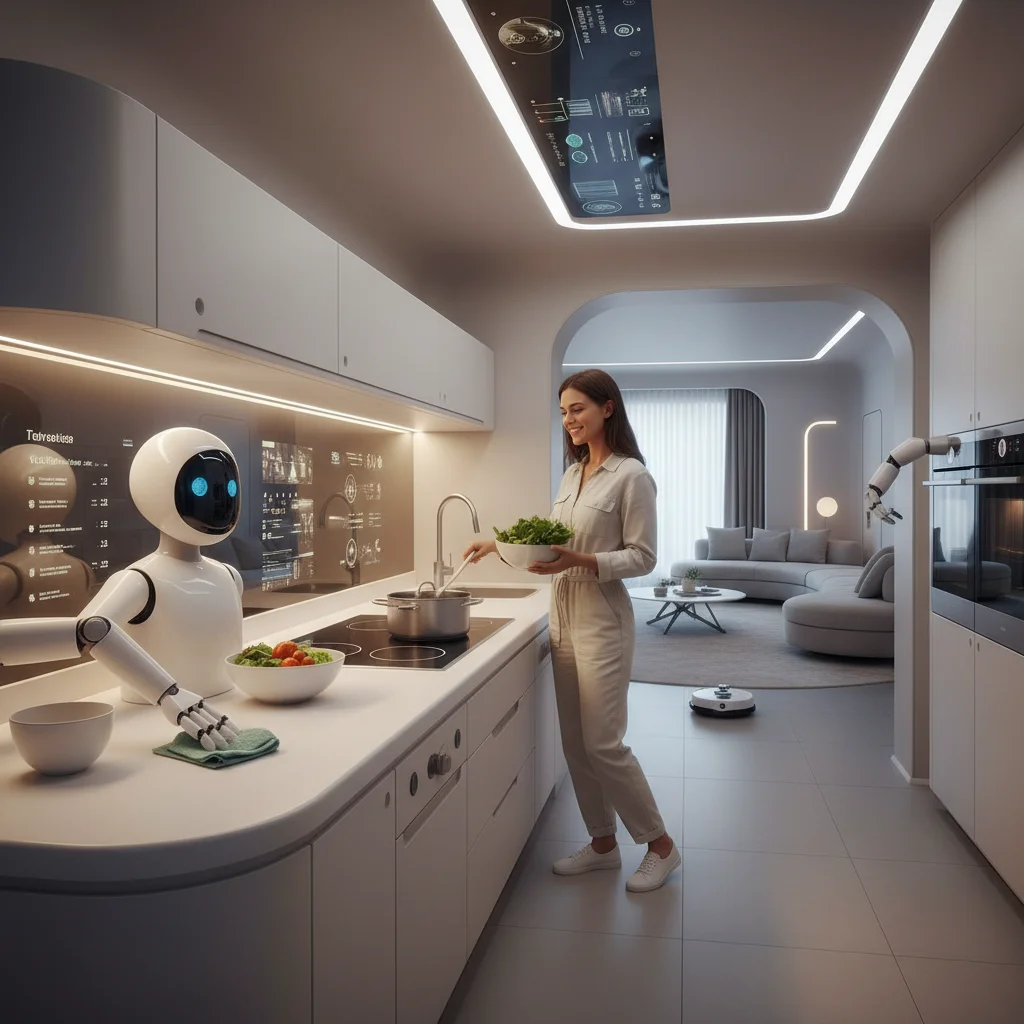
The kitchen, often considered the heart of the home, is ripe for robotic innovation. By 2029, expect to see sophisticated smart kitchen assistants and even robotic chefs become more common in U.S. households. These household robotics applications aim to revolutionize meal preparation, making cooking more accessible, efficient, and enjoyable for everyone, regardless of their culinary skills.
These robots will move beyond simple food processors or smart ovens. They will be capable of handling ingredients, following recipes, and executing complex cooking techniques. Imagine a robot that can chop vegetables with precision, stir pots, flip pancakes, or even plate dishes according to your preferences. Integrated with smart appliance ecosystems, these robotic chefs could preheat ovens, manage cooking times, and even suggest recipes based on available ingredients in your smart pantry.
The development of advanced sensors that can detect temperature, texture, and aroma will enable these robots to cook with a level of nuance that rivals human chefs. They won’t just follow instructions; they will adapt to the cooking process, ensuring perfect results every time. For individuals with limited time, dietary restrictions, or those who simply dislike cooking, these robotic chefs will be a godsend, providing healthy, home-cooked meals with minimal effort.
Furthermore, these kitchen robots could assist with meal planning and grocery shopping. By analyzing your dietary needs, preferences, and pantry inventory, they could generate shopping lists and even place orders with your preferred grocery delivery service. This holistic approach to meal management saves time, reduces food waste, and promotes healthier eating habits. The interaction will be intuitive, often voice-controlled, allowing users to simply state their culinary desires and let the robot handle the rest. The evolution of robotic dexterity and the ability to handle a wide range of kitchen tools and ingredients are key to the success of these advanced kitchen household robotics applications, promising a future where gourmet meals are within everyone’s reach.
5. Outdoor Maintenance and Delivery Robots
The exterior of our homes also stands to benefit immensely from the advent of robotics. By 2029, a new generation of outdoor maintenance and delivery robots will automate tasks that are often time-consuming and physically demanding. These household robotics applications will extend the convenience of automation beyond the four walls of your home.
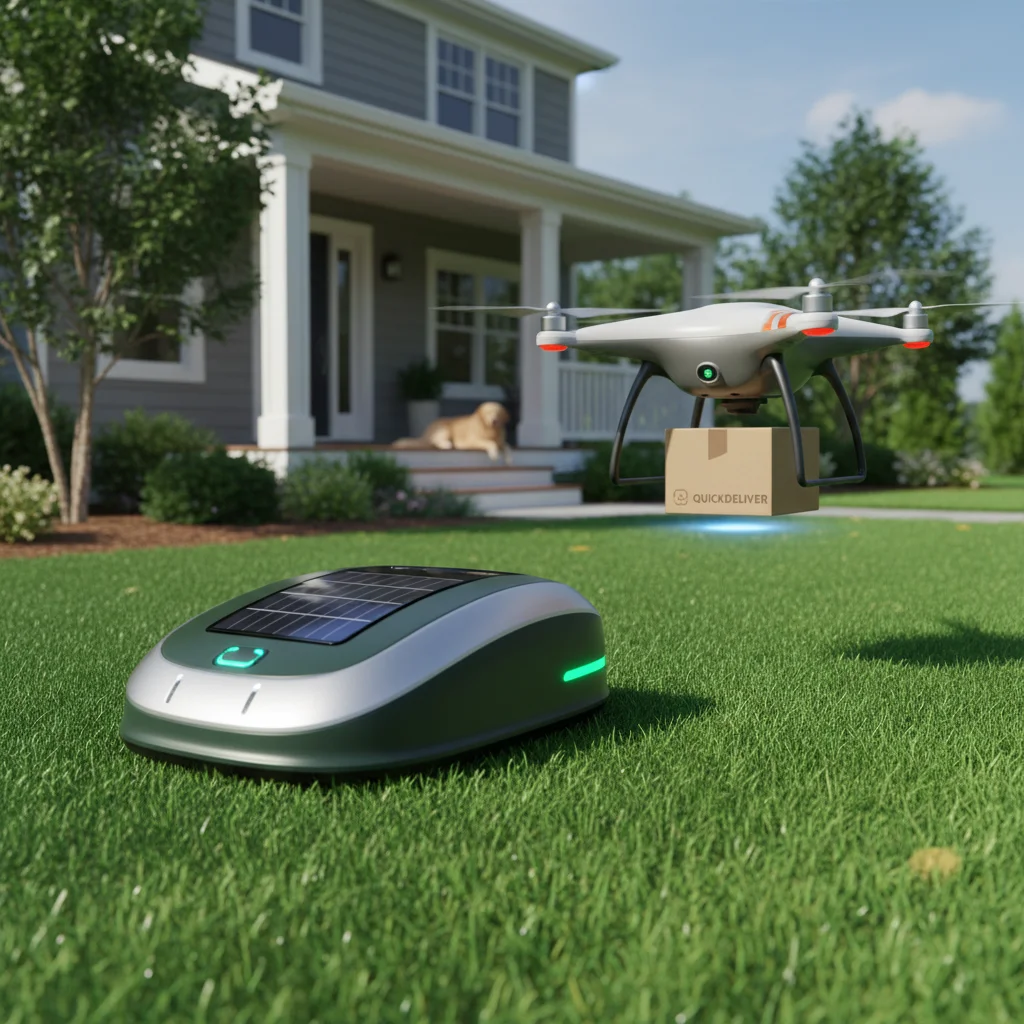
Robotic lawnmowers are already a niche product, but future iterations will be far more advanced. They will incorporate AI to optimize mowing patterns, avoid obstacles with greater precision, and even identify and treat weeds. Beyond mowing, expect robots capable of raking leaves, clearing snow, or even performing basic garden maintenance like watering specific plants or monitoring soil health. These outdoor robots will be robust, weather-resistant, and designed to operate autonomously, often recharging themselves at designated stations.
Alongside maintenance, robotic delivery services will become increasingly common. Small, autonomous ground vehicles and drones will provide last-mile delivery of groceries, packages, and even hot meals directly to your doorstep. This not only offers unparalleled convenience but also reduces traffic congestion and carbon emissions. These delivery robots will navigate complex urban and suburban environments, using advanced mapping and obstacle avoidance technologies to ensure safe and timely delivery. The integration with smart home systems will allow for secure handoffs, ensuring that packages are placed safely inside a designated delivery locker or even directly into your home by a robotic arm.
The legal and regulatory frameworks for autonomous outdoor robots are still evolving, but as these technologies mature, it’s expected that they will become a common sight in neighborhoods. The benefits in terms of time saved, reduced physical labor, and increased efficiency are substantial. Imagine waking up to a perfectly manicured lawn without lifting a finger, or having your groceries delivered precisely when you need them, without ever leaving your home. These outdoor household robotics applications are set to transform how we interact with our immediate environment, making our homes and surroundings more efficient and enjoyable.
The Road Ahead: Challenges and Opportunities for Household Robotics
While the future of household robotics applications looks incredibly promising, there are still challenges to address before these technologies become universally adopted. Cost remains a significant barrier for many consumers. As production scales and technology advances, prices are expected to drop, making these robots more affordable. However, the initial investment for advanced multi-functional robots will likely be substantial, positioning them as luxury items before they become mainstream essentials. The industry is actively working on modular designs and subscription-based services to make these technologies more accessible to a wider demographic.
Another crucial aspect is user interface and ease of use. For robots to truly integrate into daily life, they must be intuitive to operate, even for those who are not tech-savvy. Voice commands, gesture control, and simple app interfaces will be key to widespread acceptance. The learning curve needs to be minimal, allowing users to quickly benefit from the robot’s capabilities without extensive training or complex programming. Furthermore, the ability of these robots to adapt to diverse home environments and individual preferences without constant recalibration will be vital for a seamless user experience.
Privacy and data security are also paramount concerns. As robots become more integrated into our homes and collect data about our habits, health, and environment, robust security measures and clear ethical guidelines will be essential. Consumers need assurance that their personal data is protected and not misused. Companies developing these household robotics applications are investing heavily in cybersecurity and transparent data policies to build trust with their users. The development of privacy-preserving AI, where data is processed locally on the device rather than being sent to the cloud, is also a growing area of focus.
The regulatory landscape for robotics is still in its nascent stages. Issues such as liability in case of malfunction, standards for interoperability between different robotic systems, and safety regulations for autonomous operation need to be established. Governments and industry bodies are working together to create frameworks that foster innovation while ensuring public safety and consumer protection. This includes setting clear guidelines for the interaction between robots and humans, especially in shared spaces like sidewalks for delivery robots.
Despite these challenges, the opportunities presented by household robotics applications are immense. They promise to free up human time, enhance the quality of life for the elderly and those with disabilities, improve home security, and make our living spaces more efficient and enjoyable. The societal impact will be profound, allowing individuals to focus on creativity, relationships, and personal growth rather than mundane tasks. The economic opportunities are also significant, driving job creation in robotics research, development, manufacturing, and maintenance.
The shift towards a robot-assisted lifestyle is not merely about convenience; it’s about redefining what’s possible within the domestic sphere. As these technologies mature and become more affordable, their presence in U.S. households will grow exponentially, making the vision of a truly smart, supportive home a tangible reality by 2029 and beyond. The future home will be a collaborative environment where humans and intelligent machines work in harmony, creating a more comfortable, secure, and enriched living experience for everyone.
Matheus Neiva has a degree in Communication and a specialization in Digital Marketing. Working as a writer, he dedicates himself to researching and creating informative content, always seeking to convey information clearly and accurately to the public.