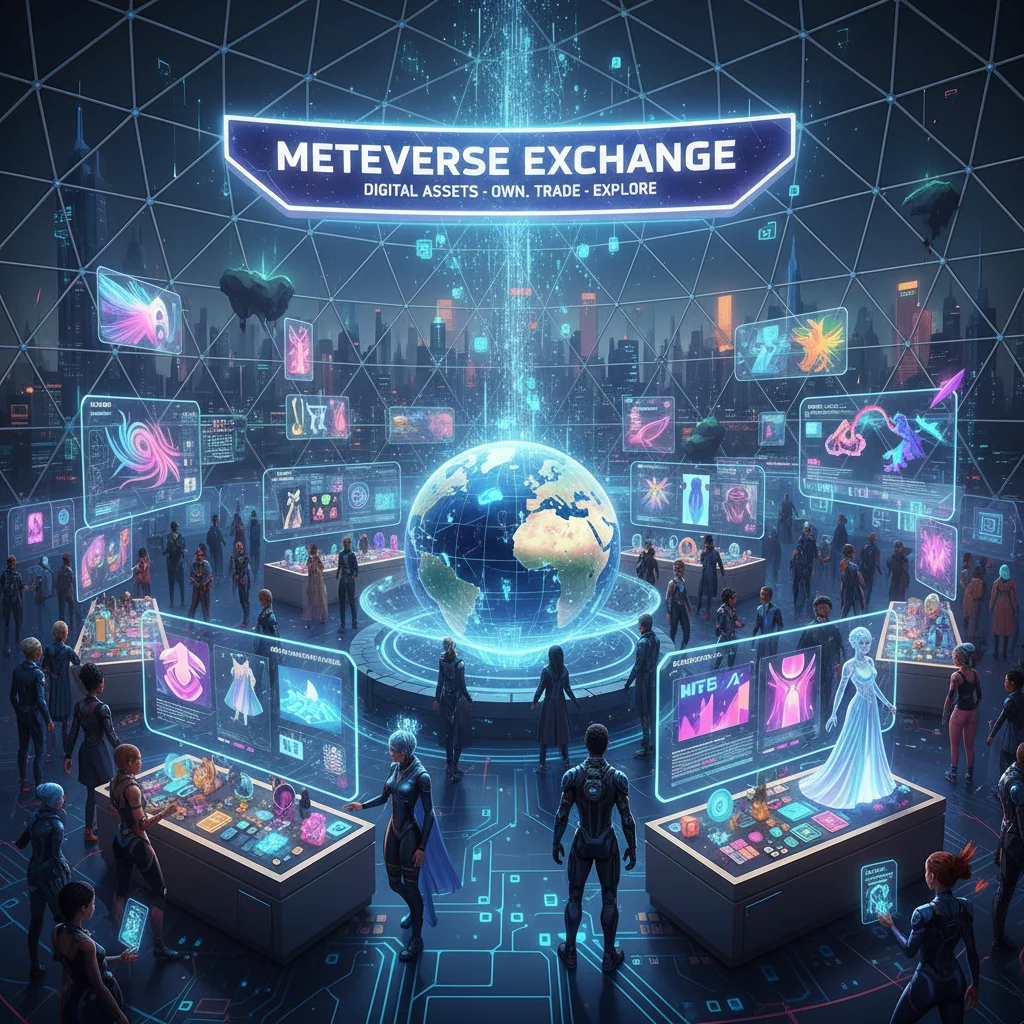
Metaverse Business Models 2026: US Innovators’ Guide to Emerging Opportunities
The Metaverse is rapidly evolving, presenting unprecedented opportunities for US innovators. This article delves into three key emerging business models for 2026: virtual economies, immersive brand experiences, and digital asset ownership, offering a roadmap for success in this transformative digital frontier.
By: Matheus Neiva on February 20, 2026
Last updated on: July 28, 2026
Metaverse Business Models 2026: US Innovators’ Guide to Emerging Opportunities
Metaverse Business Models 2026: A Guide for US Innovators
The year 2026 stands as a pivotal moment in the evolution of the Metaverse. What once seemed like a distant science fiction concept is rapidly solidifying into a tangible, economically vibrant, and socially interactive digital realm. For US innovators, understanding the emerging Metaverse business models is not just an advantage; it’s a necessity for securing a foothold in the next frontier of digital commerce and interaction. This comprehensive guide will explore the landscape of the 2026 Metaverse, focusing on three key business models poised for significant growth and disruption, offering actionable insights for those ready to leap into this transformative space.
The Metaverse, in its simplest definition, is a persistent, interconnected network of 3D virtual worlds where users can interact with each other, digital objects, and AI-driven entities in real-time. It’s a convergence of virtual reality (VR), augmented reality (AR), blockchain technology, and artificial intelligence, creating an immersive experience that blurs the lines between the physical and digital. As technology advances and user adoption grows, the economic potential of the Metaverse is becoming increasingly clear. Analysts predict that the Metaverse economy could reach trillions of dollars in the coming decade, making it an irresistible magnet for innovation and investment.
For US innovators, the opportunity is immense. The US has historically been at the forefront of technological advancement and entrepreneurial spirit, and the Metaverse presents a canvas for this innovation to flourish. From Silicon Valley startups to established tech giants, companies are already pouring resources into developing platforms, tools, and experiences within this nascent digital world. However, navigating this new territory requires a clear understanding of where the real value lies and how to build sustainable and scalable Metaverse business models.
This article will delve deep into the three most promising Metaverse business models that US innovators should be focusing on in 2026. We will examine the underlying technologies, market dynamics, and strategic approaches necessary for success in each model. Whether you’re a developer, entrepreneur, investor, or simply curious about the future of digital interaction, this guide will provide you with a robust framework for understanding and capitalizing on the Metaverse’s potential.
The Foundation of the 2026 Metaverse: What’s Driving Growth?
Before we dissect specific Metaverse business models, it’s crucial to understand the technological and societal shifts propelling the Metaverse into prominence. Several key factors are converging to create fertile ground for its expansion:
Advanced Hardware: The continuous improvement in VR headsets, AR glasses, and haptic feedback devices is making immersive experiences more accessible and realistic. Lighter, more powerful, and more affordable devices are lowering the barrier to entry for mainstream users.
Blockchain and NFTs: Blockchain technology provides the backbone for digital ownership, scarcity, and verifiable transactions within the Metaverse. Non-fungible tokens (NFTs) are central to this, enabling the ownership of virtual land, avatars, fashion, and other in-world assets, thus creating a robust digital economy.
5G and Edge Computing: The rollout of 5G networks and advancements in edge computing are crucial for reducing latency and increasing bandwidth, enabling seamless, real-time interactions in dense, graphically rich virtual environments.
Artificial Intelligence (AI): AI plays a multifaceted role, from powering realistic NPC (non-player character) interactions and generating dynamic content to personalizing user experiences and enhancing security.
Increased Digital Literacy and Remote Work Culture: A global workforce accustomed to digital collaboration and virtual interaction is more receptive to the Metaverse as a platform for work, education, and social connection.
Brand Investment: Major global brands are heavily investing in Metaverse real estate, virtual experiences, and digital product lines, signaling confidence in its future and attracting a wider audience.
These foundational elements are not just supporting the Metaverse; they are actively shaping the types of Metaverse business models that will thrive. Innovators who understand these underlying drivers will be better positioned to create solutions that resonate with users and deliver tangible value.
Emerging Metaverse Business Models for US Innovators in 2026
The Metaverse is a vast and multifaceted domain, offering a plethora of potential revenue streams. For US innovators, focusing on specific, high-potential Metaverse business models can provide a strategic advantage. Here are three of the most promising:
1. Virtual Economies and Digital Asset Creation & Trading
One of the most immediate and impactful Metaverse business models revolves around the creation, ownership, and exchange of digital assets. This model is deeply intertwined with blockchain technology and NFTs, which provide the framework for verifiable ownership and scarcity in the digital realm.
Key Components:
NFT Marketplaces: Platforms where users can buy, sell, and trade unique digital assets like virtual land, avatar wearables, art, and collectibles. Innovators can create their own specialized marketplaces or develop tools and services that enhance existing ones (e.g., analytics, escrow services).
Virtual Land Development: Acquiring virtual land in popular Metaverse platforms (e.g., Decentraland, The Sandbox) and developing it for various purposes: virtual storefronts, event venues, residential properties, or advertising spaces. This is akin to real estate development in the physical world.
Digital Fashion and Wearables: Designing, producing, and selling virtual clothing, accessories, and skins for avatars. This taps into the desire for self-expression and status within virtual environments. Brands can partner with designers or develop their own lines.
In-Game/In-World Assets: Creating and selling functional or aesthetic items within specific Metaverse games or experiences. This can range from tools and weapons to decorative elements and unique abilities.
Tokenomics and Virtual Currencies: Developing and managing decentralized virtual economies, including the creation of native tokens that incentivize participation, governance, and economic activity within a specific Metaverse.
Digital Identity and Avatars: Services focused on creating highly customizable, interoperable avatars and managing digital identities across different Metaverse platforms. This includes avatar creation tools, identity verification services, and reputation systems.
Why it’s Promising for US Innovators:
The US has a strong history of innovation in digital commerce and blockchain technology. The legal framework, while still evolving, is generally supportive of digital asset ownership. Furthermore, a large consumer base already familiar with online gaming and digital purchases makes this a natural fit. Innovators can leverage expertise in game development, e-commerce, and financial technology to build robust ecosystems around digital assets. The potential for high-value transactions and recurring revenue streams through royalties on secondary sales makes this an attractive model.
Challenges include regulatory uncertainty, intellectual property protection in a decentralized environment, and ensuring interoperability across different platforms. However, early movers who establish strong communities and valuable digital assets stand to gain significant market share.
2. Immersive Experiences and Entertainment Platforms
The core promise of the Metaverse is immersion. This Metaverse business model focuses on creating compelling, interactive, and often social experiences that draw users into virtual worlds for entertainment, education, and social connection.
Key Components:
Virtual Event Hosting: Organizing and hosting concerts, conferences, art exhibitions, fashion shows, and sporting events within the Metaverse. This includes ticketing, sponsorship opportunities, and virtual merchandise sales.
Interactive Storytelling and Gaming: Developing next-generation games and narrative experiences that leverage the immersive capabilities of VR/AR and allow for communal participation. This can range from traditional multiplayer games to interactive cinematic experiences.
Educational and Training Simulations: Creating virtual environments for learning and skill development, offering realistic simulations for fields like medicine, engineering, or crisis management. This provides a safe and cost-effective way to practice complex tasks.
Social Hubs and Community Building: Designing virtual spaces specifically for social interaction, networking, and community gatherings. These can be themed environments, virtual cafes, or customizable personal spaces.
Brand Activations and Virtual Showrooms: Helping brands create immersive experiences to showcase products, launch campaigns, or engage with customers in novel ways. Think virtual car showrooms where you can ‘test drive’ a car or fashion stores where you can ‘try on’ clothes.
Content Creation Tools and Platforms: Developing user-friendly tools that allow individuals and smaller businesses to create their own immersive experiences, games, or digital content without extensive coding knowledge.
Why it’s Promising for US Innovators:
The US has a thriving entertainment industry, a robust gaming sector, and a strong educational infrastructure, all of which are ripe for Metaverse integration. Innovators can leverage expertise in content creation, game design, event management, and experiential marketing to build captivating virtual worlds. The subscription model for access, pay-per-experience, and advertising revenue are strong potential income streams.
The challenge lies in creating truly engaging and sticky experiences that keep users coming back. High production values, continuous content updates, and strong community management will be critical. Data privacy and moderation of user-generated content also present significant hurdles that innovators must address proactively.
3. Metaverse Infrastructure and Development Tools
Beneath the flashy virtual worlds and digital economies lies a complex layer of infrastructure and development tools that make the Metaverse possible. This Metaverse business model focuses on providing the foundational technology and services that other Metaverse businesses and users rely on.
Key Components:
Cross-Platform Interoperability Solutions: Developing protocols, APIs, and SDKs that enable digital assets, avatars, and experiences to seamlessly transition between different Metaverse platforms. This is a critical need for a truly open and expansive Metaverse.
Spatial Computing and 3D Engine Development: Creating advanced 3D engines, rendering technologies, and spatial computing platforms that power the visual fidelity and interactive capabilities of Metaverse environments.
AI and Machine Learning Services: Offering AI-powered solutions for dynamic content generation, realistic NPC behavior, personalized user experiences, moderation, and security within the Metaverse.
Blockchain-as-a-Service (BaaS) for Metaverse: Providing simplified blockchain infrastructure for businesses to integrate NFTs, virtual currencies, and decentralized identity solutions into their Metaverse projects without needing deep blockchain expertise.
Security and Privacy Solutions: Developing robust security protocols, identity management systems, and privacy tools specifically designed for the unique challenges of decentralized virtual environments. This includes preventing fraud, protecting digital assets, and ensuring user data privacy.
Data Analytics and Insights: Offering services to track user behavior, economic activity, and engagement within the Metaverse, providing valuable insights for businesses and developers.
Developer Tools and SDKs: Creating user-friendly software development kits (SDKs), APIs, and content creation tools that empower developers to build and deploy applications, experiences, and assets within the Metaverse more easily.
Why it’s Promising for US Innovators:
This is arguably the most foundational and potentially lucrative Metaverse business model for innovators with deep technical expertise. The US has a strong talent pool in software engineering, cybersecurity, and cloud computing, making it an ideal hub for developing these critical infrastructure components. The long-term scalability and recurring revenue potential from licensing, subscriptions, and usage-based fees are highly attractive.
The main challenges involve significant R&D investment, the need for highly specialized technical talent, and the rapid pace of technological change. However, companies that can establish themselves as key infrastructure providers will play a pivotal role in shaping the entire Metaverse ecosystem, creating a powerful competitive moat.
Strategic Considerations for US Innovators in the 2026 Metaverse
Regardless of which Metaverse business models you choose to pursue, several overarching strategic considerations will dictate your success:
Interoperability First: The true power of the Metaverse lies in its interconnectedness. Innovators should prioritize building solutions that are interoperable with other platforms and standards, rather than creating walled gardens. This fosters a more expansive and valuable ecosystem for everyone.
Community Building: The Metaverse is inherently social. Fostering strong, engaged communities around your products, services, or experiences is paramount. This involves active moderation, responsive customer support, and empowering users to contribute and co-create.
User Experience (UX) and Accessibility: While cutting-edge technology is exciting, a poor user experience will deter adoption. Focus on intuitive interfaces, seamless interactions, and ensuring your Metaverse offerings are accessible to a broad audience, including those with varying technical proficiencies and disabilities.
Ethical Design and Governance: The Metaverse presents new ethical dilemmas, from data privacy and digital ownership rights to content moderation and preventing harassment. Innovators have a responsibility to design their platforms with strong ethical principles and consider decentralized governance models that empower users.
Monetization Strategy: Carefully consider your monetization approach. Will it be through direct sales, subscriptions, advertising, royalties, or a hybrid model? Transparency and fairness in monetization are crucial for building trust within the community.
Regulatory Foresight: The regulatory landscape for the Metaverse, especially concerning digital assets, data privacy, and virtual economies, is still nascent. Innovators should stay informed about evolving regulations and be prepared to adapt their Metaverse business models accordingly.
Collaboration and Partnerships: The Metaverse is too vast for any single entity to build alone. Strategic partnerships with other tech companies, content creators, brands, and community leaders can accelerate growth and expand reach.
Iterative Development: The Metaverse is an evolving space. Embrace an agile and iterative development approach, constantly gathering feedback, experimenting with new features, and adapting to changing user needs and technological advancements.
Talent Acquisition and Development: The demand for skilled Metaverse developers, designers, and community managers is skyrocketing. Investing in talent acquisition, training, and retention will be critical for building and scaling successful ventures.
The Road Ahead: Challenges and Opportunities
While the opportunities in the 2026 Metaverse are immense, innovators must also be prepared for significant challenges. Technical hurdles, such as achieving true interoperability and scaling infrastructure to support billions of users, are still being addressed. Regulatory uncertainty, particularly regarding digital assets and virtual economies, poses risks that require careful navigation. Furthermore, ensuring a safe, inclusive, and ethical Metaverse environment will demand continuous effort in content moderation, identity verification, and combating digital harassment.
However, these challenges also present their own opportunities. Solutions to interoperability, security, and ethical governance will be highly valued and can themselves become successful Metaverse business models. The competitive landscape is still forming, meaning that early movers with innovative ideas and strong execution can establish significant market leadership.
For US innovators, the home advantage is considerable. A robust venture capital ecosystem, a culture of technological disruption, and a large, digitally savvy population provide a fertile testing ground for new Metaverse ventures. The ability to attract top global talent and leverage existing technological infrastructure further strengthens this position.
Conclusion
The 2026 Metaverse is not just a technological marvel; it’s a burgeoning economic frontier ripe with opportunities for disruption and innovation. For US innovators, understanding and strategically engaging with the Metaverse business models outlined above – virtual economies, immersive experiences, and infrastructure development – will be crucial for success. The shift towards persistent, interconnected virtual worlds is not a fleeting trend but a fundamental evolution of how we interact, work, play, and conduct business.
By focusing on interoperability, fostering strong communities, prioritizing user experience, and embracing ethical development, US innovators can not only carve out significant market share but also contribute to shaping a more open, inclusive, and valuable Metaverse for everyone. The journey into the Metaverse is just beginning, and for those prepared to innovate and adapt, the rewards could be transformative.
Embrace the future, explore these Metaverse business models, and position your enterprise at the forefront of the next digital revolution.
Matheus Neiva has a degree in Communication and a specialization in Digital Marketing. Working as a writer, he dedicates himself to researching and creating informative content, always seeking to convey information clearly and accurately to the public.