Digital Detox 2026: Reclaiming Well-being from Screen Time in the US
Dive into the 2026 landscape of the 'Digital Detox' movement. Uncover how reducing screen time can significantly boost mental well-being and learn actionable steps for a balanced digital life in the US.
By: Matheus Neiva on October 21, 2026
Digital Detox 2026: Reclaiming Well-being from Screen Time in the US
Understanding the ‘Digital Detox’ Movement: A 2026 Look at Screen Time and Mental Well-being in the US
In an increasingly hyper-connected world, the concept of a ‘digital detox’ has moved from a fringe idea to a mainstream necessity. As we navigate 2026, the United States is witnessing a significant surge in individuals and communities actively seeking to recalibrate their relationship with technology. This comprehensive article delves into the heart of the digital detox movement, exploring its evolution, the profound impact of screen time on mental well-being, and practical strategies for fostering a healthier digital-life balance. Understanding the digital detox benefits is crucial for anyone looking to improve their quality of life in the modern age.
The Genesis of the Digital Detox: A Growing Awareness
The term ‘digital detox’ might feel contemporary, but its roots lie in a growing societal unease with the omnipresence of digital devices. For decades, technology promised connection and efficiency, and it delivered. However, the unintended consequences – constant notifications, endless scrolling, and the pressure to be perpetually online – have led to widespread digital fatigue. By 2026, this fatigue has transformed into a conscious movement. People are not just feeling tired; they are actively seeking remedies, recognizing that unchecked screen time can erode mental peace, productivity, and genuine human connection. The initial calls for a ‘break’ have matured into a more structured approach, emphasizing sustainable habits rather than just temporary abstention.
The pandemic years, ironically, accelerated this trend. While digital tools became indispensable for work, education, and social interaction during lockdowns, they also highlighted the potential for digital overload. Many experienced firsthand the blurred lines between work and personal life, the constant pressure of virtual meetings, and the isolating effect of endless online consumption. This period served as a stark reminder of the importance of offline experiences and the profound impact of our digital habits on our overall well-being. Consequently, the interest in understanding and implementing digital detox benefits has never been higher, with more resources, retreats, and personal strategies emerging to support this critical shift.
The Pervasive Impact of Screen Time on Mental Well-being
Before diving into the solutions, it’s essential to understand the problem. Excessive screen time, particularly the unmindful consumption of digital content, has been linked to a myriad of mental health challenges. These aren’t just anecdotal observations; a growing body of scientific research supports these connections. Let’s explore some key areas:
Anxiety and Depression
The constant comparison fostered by social media platforms, the fear of missing out (FOMO), and the relentless stream of often negative news can significantly contribute to anxiety and depressive symptoms. Users, especially younger demographics, often find themselves trapped in cycles of seeking validation through likes and comments, leading to self-esteem issues and feelings of inadequacy. The expectation of immediate responses in digital communication can also heighten anxiety, creating a perpetual state of readiness that is mentally draining. Recognizing these patterns is the first step toward embracing digital detox benefits.
Sleep Disturbances
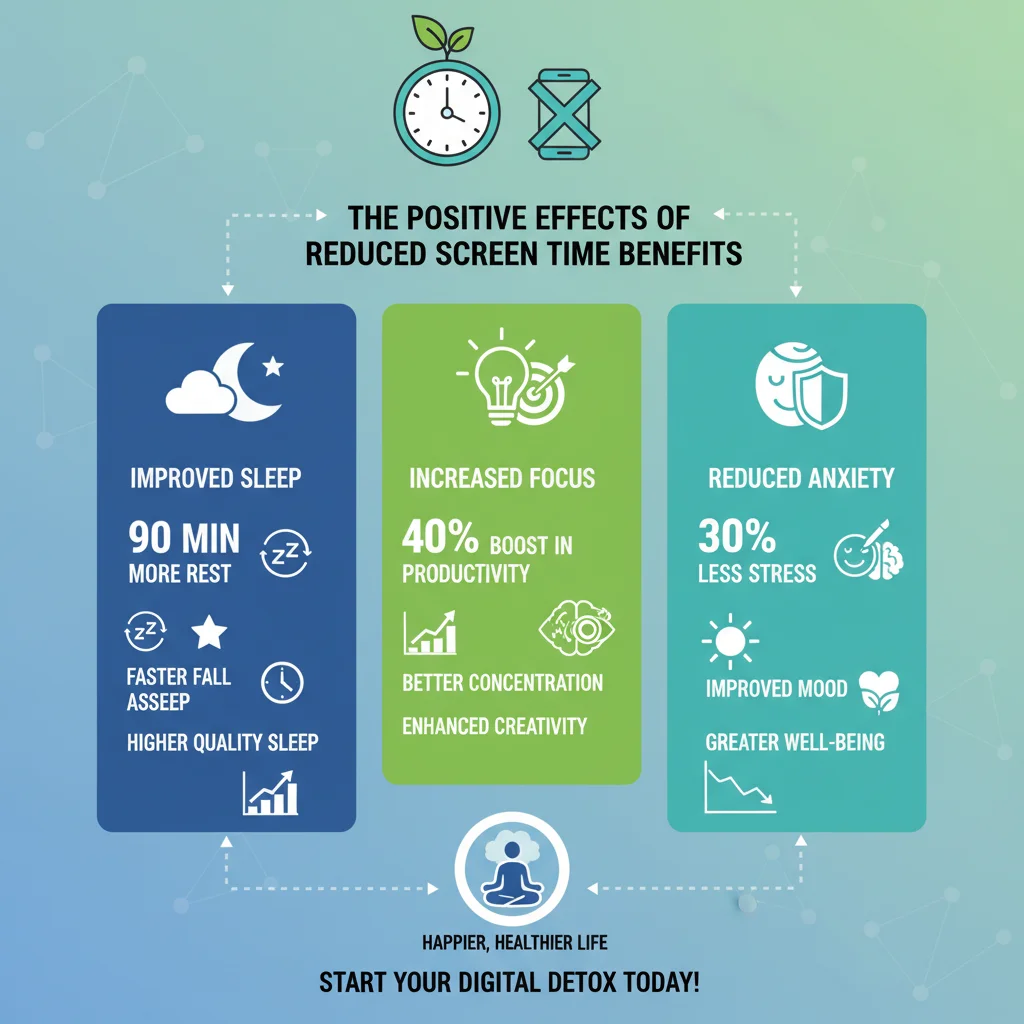
The blue light emitted from screens interferes with the body’s production of melatonin, a hormone crucial for regulating sleep cycles. Many individuals habitually use their phones, tablets, or computers right before bed, delaying sleep onset and reducing sleep quality. Chronic sleep deprivation, in turn, exacerbates mood disorders, impairs cognitive function, and negatively impacts physical health. A digital detox often begins with establishing screen-free zones and times, especially before sleep, to truly unlock the digital detox benefits of restorative rest.
Decreased Attention Span and Focus
The fast-paced, notification-driven nature of digital environments trains our brains for constant task-switching and superficial engagement. This can lead to a reduced ability to concentrate on single tasks, engage in deep work, or maintain focus during offline interactions. The brain becomes accustomed to instant gratification and novelty, making sustained attention on less stimulating activities a challenge. This erosion of focus has implications for productivity, learning, and even the ability to enjoy leisure activities that require sustained attention, such as reading a book or engaging in a lengthy conversation.
Social Isolation vs. Genuine Connection
While technology promises to connect us, it can paradoxically lead to social isolation. Spending hours online can reduce face-to-face interactions, which are vital for developing empathy, understanding non-verbal cues, and fostering deep, meaningful relationships. The curated online personas often presented on social media can create unrealistic expectations and a sense of disconnection from authentic human experience. A digital detox encourages a return to genuine, in-person connections, which are fundamental for human well-being and a core component of the digital detox benefits.
Impact on Children and Adolescents
The mental health crisis among younger generations in the US is undeniably linked to screen time. From cyberbullying and body image issues to developmental delays and academic struggles, the effects are profound. Parents and educators in 2026 are increasingly seeking guidance on setting healthy digital boundaries and encouraging offline play and social development. The long-term implications of excessive early screen exposure are still being studied, but preliminary findings suggest a cautious approach is warranted.
The Digital Detox in 2026: More Than Just Turning Off Your Phone
In 2026, the digital detox movement is sophisticated and multifaceted. It’s not merely about switching off your phone for a weekend; it’s about cultivating a mindful and intentional relationship with technology. It’s about asking: ‘Is this technology serving me, or am I serving it?’
Defining Your Digital Detox
A digital detox can take many forms, from a complete unplugging for an extended period (a weekend, a week, or even longer) to more subtle, daily adjustments. Some popular approaches include:
Scheduled Unplugging: Designating specific times each day or week where all non-essential devices are turned off or put away.
Digital Sabbaths: Committing to one full day a week completely free from screens, often mirroring traditional Sabbath practices.
App Limits and Notifications Management: Using built-in device features or third-party apps to track and limit screen time, and aggressively managing notifications to reduce interruptions.
Tech-Free Zones: Designating certain areas of the home (e.g., bedrooms, dining tables) as completely tech-free zones.
Mindful Use: Before picking up a device, pausing to ask ‘Why am I doing this?’ and ‘What is my intention?’ This helps to break automatic habits.
Replacing Digital Habits: Actively substituting screen time with offline activities like reading, hobbies, exercise, or spending time in nature.
Practical Strategies for a Successful Digital Detox in 2026
Embarking on a digital detox requires intentionality and a clear strategy. Here are actionable steps and insights for individuals in the US looking to embrace the digital detox benefits:
1. Set Clear Goals and Boundaries
Before you start, define what a ‘successful’ detox looks like for you. Is it reducing social media by an hour a day? No phone after 9 PM? A weekend without email? Specific, measurable goals are easier to achieve. Communicate these boundaries to family, friends, and colleagues to manage expectations and gain support. For instance, inform your workplace about your intention to not check emails after a certain hour, or let friends know you’ll be less responsive on social media. This proactive communication is key to minimizing friction and maximizing your personal peace.
2. Audit Your Digital Habits
Most smartphones and computers now have built-in features that track screen time and app usage. Use these tools to understand where your time is actually going. You might be surprised by how much time you spend on certain apps or websites. This audit provides valuable data, highlighting areas where you can make the most impactful changes and truly experience the digital detox benefits.
3. Create Tech-Free Zones and Times
Designate your bedroom as a no-phone zone, especially an hour before sleep and immediately upon waking. Consider making mealtimes screen-free for the entire family. These small, consistent changes can significantly reduce passive screen consumption and foster more present interactions. Invest in an alarm clock so your phone doesn’t need to be in your bedroom, eliminating the temptation to check it first thing in the morning or last thing at night.
4. Replace Digital Habits with Fulfilling Offline Activities
The void left by reduced screen time needs to be filled with something positive. Rediscover old hobbies, pick up new ones, spend time in nature, read physical books, engage in creative pursuits, or connect with loved ones face-to-face. Having a list of alternative activities ready will prevent you from defaulting back to screens out of boredom. This is where the true digital detox benefits shine, as you reclaim time for enriching experiences.
5. Manage Notifications Strategically
Turn off non-essential notifications. Most apps don’t require immediate attention. Batch-check emails and messages at designated times rather than reacting to every ping. This dramatically reduces interruptions and allows for sustained focus, contributing significantly to a calmer mental state. Consider using ‘Do Not Disturb’ modes during work hours or family time.
6. Practice Mindful Device Use
Before you pick up your phone, pause and ask yourself: ‘What is my intention here?’ Is it to genuinely connect, find information, or is it just a reflex? Be present when you are using your devices, and put them away when you are done. Avoid ‘doomscrolling’ or mindlessly browsing social media. This conscious approach helps you regain control over your digital habits and truly appreciate the digital detox benefits.
7. Seek Support and Accountability
Share your digital detox goals with friends or family. Having an accountability partner can make a significant difference. There are also online communities and apps dedicated to digital well-being that can provide support and resources. Consider joining a local group or starting a ‘tech-free’ challenge with friends.
8. Embrace Digital Minimalism
Beyond a temporary detox, consider adopting principles of digital minimalism. This philosophy, popularized by Cal Newport, advocates for using technology intentionally and only when it serves a deep value. It’s about curating your digital life to include only tools that genuinely support your goals and values, rather than being passively consumed by every new app or platform. This long-term approach helps sustain the digital detox benefits over time.
The Long-Term Impact: Sustaining Digital Well-being
A digital detox isn’t a one-time event; it’s often the catalyst for a more sustainable shift in how we interact with technology. The goal is not to abandon technology entirely – an unrealistic and often counterproductive aim in 2026 – but rather to integrate it thoughtfully into our lives. The long-term digital detox benefits include:
Improved Mental Clarity and Focus
With fewer distractions, individuals report enhanced concentration, better problem-solving skills, and a greater ability to engage in deep, meaningful work or creative pursuits. The mental ‘noise’ is significantly reduced, allowing for clearer thought processes.
Enhanced Relationships
By prioritizing face-to-face interactions and being more present during conversations, relationships with family and friends deepen. Genuine connection replaces superficial online interactions, leading to greater empathy and understanding.
Better Sleep Quality
Establishing screen-free routines before bed can dramatically improve sleep patterns, leading to more restorative rest, increased energy levels, and improved mood.
Reduced Stress and Anxiety
Stepping away from the constant news cycle, social media pressures, and work emails can significantly lower stress levels and reduce feelings of anxiety and overwhelm. A sense of calm and control often replaces the feeling of being constantly tethered.
Rediscovery of Hobbies and Passions
The time freed up from screens allows for the rediscovery of long-lost hobbies or the exploration of new passions, leading to a richer, more fulfilling personal life. Many find joy in activities they once enjoyed before digital devices consumed their leisure time.
Increased Productivity
Paradoxically, by reducing screen time, many individuals find their productivity increases. With fewer distractions and improved focus, tasks are completed more efficiently and with higher quality.
Challenges and Considerations in 2026
While the digital detox benefits are clear, implementing one in 2026 comes with its own set of challenges:
Work-Life Integration
For many professionals, technology is integral to their work. The challenge lies in creating boundaries without compromising professional responsibilities. This often requires clear communication with employers and colleagues about availability and response times.
Social Pressure
In a world where much social interaction happens online, opting out can sometimes lead to feelings of isolation or missing out on important social cues. It’s about finding a balance that works for your social needs without succumbing to constant digital pressure.
Addictive Nature of Technology
Digital platforms are designed to be engaging and even addictive. Overcoming ingrained habits and the psychological pull of notifications can be difficult and requires sustained effort and self-discipline. Understanding the psychological mechanisms behind digital addiction can aid in developing more effective coping strategies.
Information Access
While a detox is beneficial, completely disconnecting can sometimes limit access to important information, news, or essential services. The key is to be intentional about *how* and *when* you access this information, rather than being passively fed it.
The Future of Digital Well-being in the US
As we look beyond 2026, the digital detox movement is likely to evolve further. We can expect to see:
Increased Corporate Adoption: Companies recognizing the impact of digital fatigue on employee productivity and well-being, implementing policies that encourage digital breaks and mindful tech use.
More Sophisticated Tools: AI-powered tools that help individuals better manage their digital habits, offering personalized recommendations and interventions.
Educational Reforms: Schools and universities integrating digital literacy and well-being into their curricula, teaching younger generations how to navigate the digital world responsibly.
Governmental Initiatives: Potential regulations or public health campaigns aimed at promoting healthier digital habits, similar to past initiatives around physical health.
Design Changes in Technology: Pressure on tech companies to design platforms and devices that are less addictive and more conducive to well-being, focusing on intentional use rather than maximizing engagement at all costs.
Conclusion: Embracing a Balanced Digital Future
The ‘Digital Detox’ movement in 2026 is a powerful testament to humanity’s innate need for balance, connection, and well-being. It’s a collective realization that while technology offers incredible advantages, its unchecked use can come at a significant cost to our mental health and overall quality of life. By understanding the pervasive impact of screen time and actively embracing strategies for a healthier digital life, individuals in the US can unlock profound digital detox benefits.
Whether it’s through a weekend unplugged retreat, daily screen-free hours, or a complete overhaul of digital habits, the journey towards digital well-being is personal and continuous. It’s about making conscious choices, setting boundaries, and prioritizing what truly matters: our health, our relationships, and our ability to live a fulfilling life beyond the screen. As we move forward, the message is clear: technology should serve us, not control us. Reclaiming that control is perhaps the most empowering aspect of the digital detox movement.
Matheus Neiva has a degree in Communication and a specialization in Digital Marketing. Working as a writer, he dedicates himself to researching and creating informative content, always seeking to convey information clearly and accurately to the public.