Cybersecurity in 2026: Emerging Threats to U.S. Digital Infrastructure

The year 2026 stands on the horizon, bringing with it not just technological advancements but also an increasingly complex and hostile cybersecurity landscape. For the United States, safeguarding its digital infrastructure is paramount, as disruptions could have catastrophic consequences ranging from economic collapse to national security crises. The threats are no longer static; they are evolving at an unprecedented pace, driven by geopolitical tensions, the democratization of sophisticated tools, and the relentless innovation of malicious actors. Understanding these emerging threats is the first critical step in developing robust, proactive defense strategies. This comprehensive analysis will delve into the six most significant emerging cybersecurity threats that U.S. digital infrastructure will likely face by 2026, offering insights into their nature, potential impact, and strategies for mitigation.
The digital backbone of the United States – encompassing everything from critical utilities and financial systems to healthcare networks and government databases – is a prime target. Adversaries, whether nation-states, organized crime syndicates, or individual hacktivists, are constantly seeking vulnerabilities to exploit. What distinguishes the threats of 2026 from those of today is their enhanced sophistication, speed, and potential for widespread, systemic disruption. We are moving beyond simple data breaches into an era where artificial intelligence (AI), quantum computing, and increasingly intricate supply chain dependencies will redefine the battleground. This article aims to provide a foresightful perspective, equipping policymakers, cybersecurity professionals, and concerned citizens with the knowledge needed to prepare for the challenges ahead.
The AI-Powered Arsenal: Automated and Adaptive Attacks
Artificial Intelligence (AI) is a double-edged sword. While it offers immense potential for enhancing cybersecurity defenses, it simultaneously empowers attackers with unprecedented capabilities. By 2026, we anticipate a significant surge in AI-powered cyberattacks, making ‘Cybersecurity 2026 Threats’ increasingly complex to counter. Malicious AI algorithms will be capable of learning, adapting, and executing attacks with minimal human intervention, far outpacing traditional human-led responses.
Sophisticated Phishing and Social Engineering
AI will revolutionize phishing and social engineering campaigns. Generative AI models can create highly convincing, personalized phishing emails, messages, and even deepfake voice or video calls. These AI-generated lures will be virtually indistinguishable from legitimate communications, making it incredibly difficult for individuals and automated systems to detect them. The sheer volume and hyper-personalization enabled by AI will overwhelm existing detection mechanisms, leading to a higher success rate for attackers targeting U.S. digital infrastructure personnel.
Autonomous Malware and Evasion Techniques
Imagine malware that can autonomously analyze network defenses, identify weaknesses, and self-modify to evade detection. AI-driven malware will possess these capabilities. It will learn from its environment, adapt its attack vectors, and continuously evolve to bypass antivirus software, intrusion detection systems, and even advanced sandboxing techniques. This autonomous nature will reduce dwell time for attackers and increase the speed at which breaches can escalate, posing a severe threat to critical systems that require constant, real-time protection.
Automated Vulnerability Exploitation
AI will also accelerate the discovery and exploitation of zero-day vulnerabilities. Machine learning algorithms can scour vast amounts of code, identify obscure flaws, and even generate exploit code automatically. This means that the window of opportunity for defenders to patch vulnerabilities will shrink dramatically, as attackers will be able to weaponize newly discovered flaws almost instantaneously. The race between vulnerability discovery and patching will become even more intense, putting immense pressure on organizations responsible for U.S. digital infrastructure security.
The Quantum Quandary: Post-Quantum Cryptography Challenges
The advent of practical quantum computing, while still some years away from widespread deployment, casts a long shadow over current cryptographic standards. By 2026, even if a fully fault-tolerant quantum computer capable of breaking modern encryption isn’t yet operational, the threat of ‘harvest now, decrypt later’ attacks will be very real. This makes post-quantum cryptography a critical component of ‘Cybersecurity 2026 Threats’ preparedness.
Encryption Breaking and Data Exposure
Current encryption standards, such as RSA and ECC, rely on the computational difficulty of certain mathematical problems for their security. Quantum computers, with their ability to perform calculations at an exponential speed, could theoretically solve these problems, rendering much of today’s encrypted data vulnerable. Sensitive U.S. digital infrastructure data—including classified information, financial records, and personal data—that is encrypted today could be harvested by adversaries and stored, awaiting the eventual arrival of sufficiently powerful quantum computers to decrypt it. This long-term threat necessitates immediate action in transitioning to quantum-resistant algorithms.
Supply Chain Disruption and Trust Erosion
The transition to post-quantum cryptography (PQC) is not a simple flip of a switch. It requires a massive overhaul of cryptographic systems across all digital infrastructure components, from hardware to software, and across public and private sectors. This transition itself presents a significant vulnerability. Any misstep in implementing PQC, or the introduction of flawed quantum-resistant algorithms, could create new backdoors for attackers. Furthermore, the complexity of updating countless systems within the U.S. digital infrastructure supply chain could lead to a fragmented security posture, eroding trust in encrypted communications and transactions.
Cryptographic Agility and Standardization Challenges
Developing and standardizing new PQC algorithms is a global effort, but the process is inherently slow and complex. Organizations within U.S. digital infrastructure must develop cryptographic agility – the ability to quickly swap out cryptographic modules as new standards emerge or vulnerabilities are discovered. The challenge by 2026 will be to ensure that PQC implementation keeps pace with quantum computing advancements, avoiding a scenario where critical data is compromised before adequate defenses are in place. This includes not only government agencies but also essential private sector entities that underpin the nation’s digital fabric.
Escalating Supply Chain Vulnerabilities
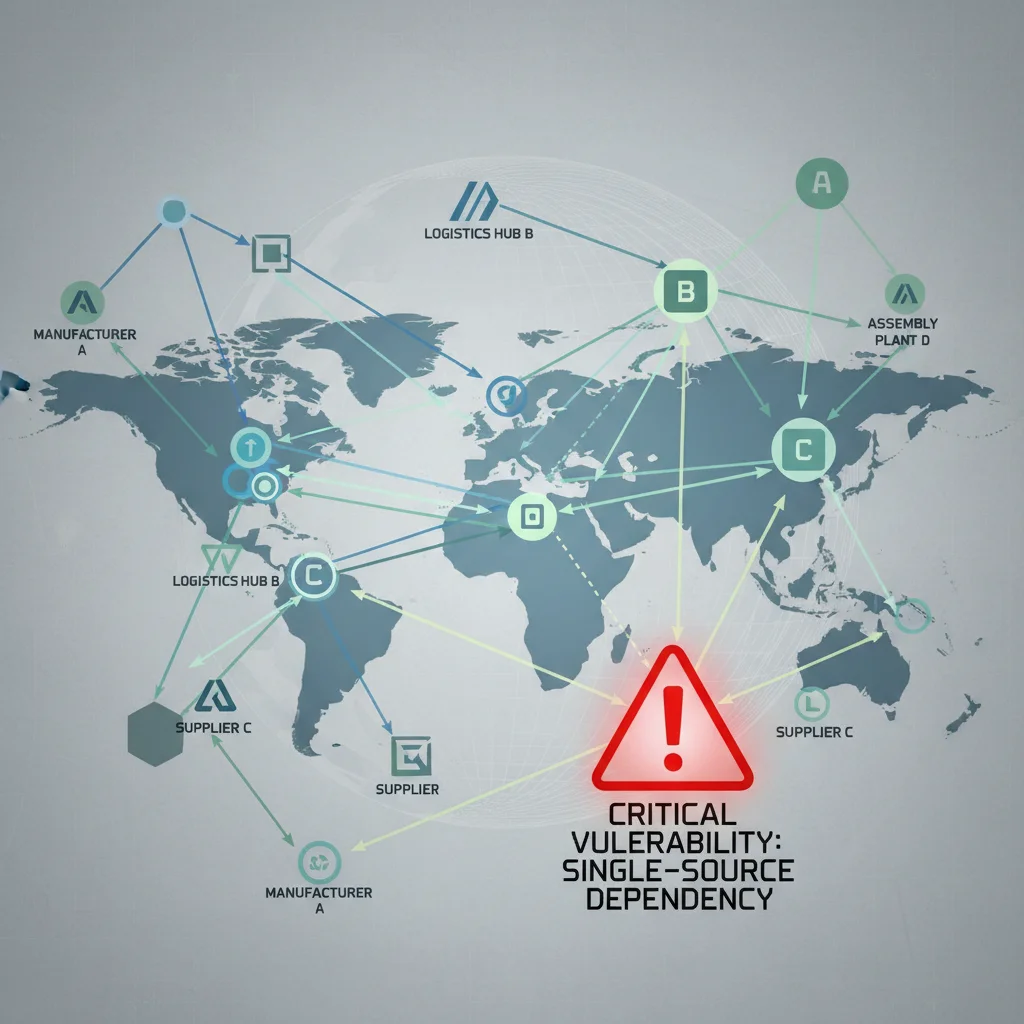
The interconnected nature of modern technology means that a compromise in one part of the supply chain can have cascading effects across entire systems. By 2026, supply chain attacks will be among the most potent ‘Cybersecurity 2026 Threats,’ directly targeting the foundational components of U.S. digital infrastructure. These attacks are difficult to detect and even harder to remediate, as the compromise often occurs before the product or service even reaches the end-user.
Hardware and Software Backdoors
Adversaries are increasingly sophisticated in their ability to inject malicious code or hardware components into products at various stages of the manufacturing and distribution process. This could involve manipulating firmware, embedding hidden chips, or compromising software development environments to introduce backdoors. Once these compromised components are integrated into U.S. digital infrastructure, they provide persistent access for attackers, allowing for espionage, data exfiltration, or even system disruption on a massive scale. The sheer volume of hardware and software components used in national infrastructure makes comprehensive vetting a monumental task.
Third-Party Vendor Risks
Organizations rely heavily on third-party vendors for specialized software, cloud services, and managed IT solutions. Each vendor represents a potential entry point for attackers. By 2026, the exploitation of these third-party relationships will intensify. A breach at a small, less secure vendor could grant access to larger, more critical U.S. digital infrastructure networks. This requires a much more rigorous approach to vendor risk management, including comprehensive security audits, contractual obligations for cybersecurity standards, and continuous monitoring of vendor security postures.

Software Vulnerability Chaining
Modern software development often involves integrating numerous open-source libraries and commercial components. A vulnerability in one of these widely used components can create a massive attack surface. Attackers will increasingly chain together multiple, seemingly minor vulnerabilities across different software layers within the supply chain to achieve a significant compromise. This ‘software bill of materials’ transparency becomes crucial, but its implementation across vast and complex systems remains a significant challenge for U.S. digital infrastructure security.
Ransomware 3.0: Extortion and Triple Threat Tactics
Ransomware has evolved beyond simple data encryption. By 2026, we will see ‘Ransomware 3.0,’ a more aggressive and multifaceted form of attack that poses an existential threat to many organizations within the U.S. digital infrastructure. These advanced ransomware campaigns will employ triple threat tactics, combining data encryption with data exfiltration and public shaming, significantly increasing pressure on victims. This evolution solidifies ransomware’s position among the top ‘Cybersecurity 2026 Threats’.
Double and Triple Extortion
Traditional ransomware encrypts data and demands a ransom for the decryption key. Double extortion adds the threat of publicly releasing stolen sensitive data if the ransom isn’t paid. By 2026, triple extortion will be common, adding a third layer: direct attacks on the victim’s customers, partners, or even critical infrastructure, or distributed denial-of-service (DDoS) attacks to disrupt operations further. This escalation significantly raises the stakes, making it nearly impossible for victims to avoid payment without suffering severe reputational damage, regulatory fines, and operational downtime.
Targeting Critical Infrastructure and Operational Technology (OT)
Ransomware groups are increasingly targeting critical infrastructure sectors, including energy, water treatment, transportation, and healthcare. These sectors often rely on legacy operational technology (OT) systems that were not designed with modern cybersecurity in mind. A ransomware attack on a power grid or a hospital could have devastating real-world consequences, risking lives and causing widespread societal disruption. The convergence of IT and OT environments creates new attack vectors, making these systems particularly vulnerable to sophisticated ransomware campaigns by 2026 within U.S. digital infrastructure.
Ransomware-as-a-Service (RaaS) and Nation-State Actors
The proliferation of Ransomware-as-a-Service (RaaS) models lowers the barrier to entry for aspiring cybercriminals, making sophisticated attacks accessible to a wider range of actors. Furthermore, nation-state actors may increasingly leverage ransomware tactics, either directly or through proxies, to achieve geopolitical objectives, disrupt rival nations, or generate illicit revenue. This blend of criminal and state-sponsored activity will make attribution more difficult and response efforts more complex for the U.S. digital infrastructure defense.
The IoT Attack Surface Expansion: Billions of Vulnerable Devices
The rapid proliferation of Internet of Things (IoT) devices – from smart city sensors and industrial control systems to connected vehicles and medical devices – creates an enormous and often insecure attack surface. By 2026, billions of these devices will be connected to U.S. digital infrastructure, and many will serve as weak links that ‘Cybersecurity 2026 Threats’ actors can exploit.
Insecure IoT Devices as Entry Points
Many IoT devices are designed with minimal security features, often lacking basic authentication, encryption, or patching capabilities. They are deployed with default passwords, unpatched firmware, and open network ports. Attackers can easily compromise these devices and use them as initial footholds to gain access to broader networks, launch DDoS attacks, or establish botnets. The sheer volume of these devices makes securing them individually an insurmountable task, creating a pervasive vulnerability across various sectors of U.S. digital infrastructure.
Edge Computing and Distributed Attacks
The rise of edge computing, where data processing occurs closer to the source, often involves numerous IoT devices. While offering benefits in speed and efficiency, this distributed architecture also extends the attack surface. A compromise at the edge could allow attackers to manipulate data before it reaches central systems, corrupt industrial processes, or disrupt critical services. By 2026, securing these distributed edge environments will be a significant challenge for U.S. digital infrastructure, requiring new security paradigms that extend beyond traditional perimeter defenses.
Privacy and Data Integrity Risks
IoT devices collect vast amounts of data, much of it sensitive, related to personal habits, health, and operational statuses. A breach of these devices not only poses a security risk but also a significant privacy risk. Attackers could steal personal data, manipulate sensor readings to cause confusion or panic, or even take control of physical systems. Ensuring the integrity and confidentiality of data flowing from billions of IoT devices will be a critical concern for U.S. digital infrastructure security in the coming years.
Zero-Day Exploits and Advanced Persistent Threats (APTs)
Zero-day exploits – vulnerabilities for which no patch exists – are the holy grail for sophisticated attackers. Coupled with Advanced Persistent Threats (APTs) – stealthy, long-term campaigns against specific targets – they represent a formidable challenge to U.S. digital infrastructure. By 2026, the frequency and sophistication of these attacks will increase, driven by well-funded nation-state actors and highly skilled criminal organizations. These are core ‘Cybersecurity 2026 Threats’ that demand constant vigilance.
Increased Frequency and Accessibility of Zero-Days
The market for zero-day exploits is thriving, with significant financial incentives for researchers and malicious actors alike. As software complexity grows, so does the potential for undiscovered vulnerabilities. By 2026, we can expect a higher frequency of zero-day discoveries and weaponizations. Furthermore, the techniques for discovering these flaws may become more democratized, potentially through AI-assisted tools, making them accessible to a broader range of attackers, not just elite groups. This will put immense pressure on U.S. digital infrastructure defenders to identify and mitigate unknown threats.
Sophisticated Evasion and Persistence Techniques
APTs are characterized by their stealth, persistence, and ability to evade detection for extended periods. By 2026, these threats will employ even more sophisticated techniques, including polymorphic malware, fileless attacks, and living-off-the-land tactics that leverage legitimate system tools. They will be adept at blending into normal network traffic, making detection by traditional security tools extremely difficult. Once inside U.S. digital infrastructure, APTs can collect intelligence, manipulate systems, or lay dormant for years, awaiting a specific trigger.
Targeting Critical Infrastructure and National Security Assets
Nation-state APTs will continue to target critical infrastructure, defense contractors, and government agencies to achieve strategic objectives. These attacks aim to steal intellectual property, disrupt essential services, or conduct espionage. The long-term nature of APTs means that even if a breach is eventually detected, the damage may have already been done, with sensitive data exfiltrated or systems subtly altered. Protecting against these highly motivated and well-resourced adversaries will require a multi-layered, intelligence-driven defense strategy across all components of U.S. digital infrastructure.
Mitigation Strategies for U.S. Digital Infrastructure
Addressing these ‘Cybersecurity 2026 Threats’ requires a multi-pronged, proactive, and collaborative approach. No single solution will suffice; instead, a holistic strategy encompassing technological advancements, policy changes, and human expertise is essential for securing U.S. digital infrastructure against the evolving threat landscape.
Investing in AI-Driven Defense and Threat Intelligence
To counter AI-powered attacks, U.S. digital infrastructure must leverage AI in its defense. This includes AI-driven anomaly detection, predictive analytics, and automated response systems that can identify and neutralize threats at machine speed. Robust threat intelligence sharing, both domestically and internationally, is also critical to stay ahead of emerging attack patterns and adversary tactics. Continuous learning and adaptation of defensive AI models will be paramount.
Accelerating Post-Quantum Cryptography (PQC) Transition
The transition to PQC cannot wait. U.S. agencies and critical infrastructure providers must begin assessing their cryptographic inventories, identifying systems vulnerable to quantum attacks, and developing migration roadmaps. This involves investing in research and development of PQC, participating in standardization efforts, and implementing cryptographic agility to easily swap algorithms as PQC standards mature. Education and training on PQC implementation will be vital across the entire digital ecosystem.
Enhancing Supply Chain Security and Transparency
Securing the supply chain requires a comprehensive approach. This includes mandatory security requirements for all vendors and suppliers, rigorous vetting processes, and continuous monitoring. Implementing a ‘software bill of materials’ (SBOM) for all critical software components can provide transparency into potential vulnerabilities. Furthermore, fostering domestic manufacturing capabilities for essential digital components can reduce reliance on potentially compromised foreign supply chains, bolstering the resilience of U.S. digital infrastructure.
Strengthening Ransomware Defenses and Resilience
Combating Ransomware 3.0 requires a combination of strong preventative measures and robust recovery capabilities. This includes immutable backups, multi-factor authentication (MFA) across all systems, network segmentation, and regular security awareness training. Developing and regularly testing incident response plans specifically for ransomware attacks is crucial. Collaboration with law enforcement and international partners to disrupt ransomware groups and seize their assets can also deter future attacks.
Securing the IoT Ecosystem
Addressing the vast IoT attack surface demands standardized security protocols for device manufacturers, including secure-by-design principles, mandatory updates, and secure default configurations. Regulatory frameworks may be necessary to enforce these standards. For existing deployments, robust network segmentation to isolate IoT devices, continuous vulnerability scanning, and proactive patching strategies are essential. Implementing zero-trust principles for IoT devices can also significantly enhance U.S. digital infrastructure security.
Proactive Threat Hunting and Zero-Trust Architectures
To counter zero-day exploits and APTs, organizations must move beyond reactive defenses. This involves implementing proactive threat hunting teams that actively search for signs of compromise, even in seemingly secure environments. Adopting zero-trust architectures, where no user or device is inherently trusted, and all access is continuously verified, can significantly limit the lateral movement of attackers. Enhanced endpoint detection and response (EDR) and extended detection and response (XDR) solutions will be critical for early detection and rapid containment of sophisticated threats within U.S. digital infrastructure.
Conclusion
The cybersecurity landscape of 2026 will be characterized by unprecedented levels of sophistication, automation, and interconnectedness of threats. The six emerging threats—AI-powered attacks, quantum computing risks, escalating supply chain vulnerabilities, advanced ransomware, the expanding IoT attack surface, and sophisticated zero-day/APT campaigns—collectively pose a significant challenge to the resilience and security of U.S. digital infrastructure. These ‘Cybersecurity 2026 Threats’ are not merely theoretical; they are already taking shape and demand immediate, concerted action.
Preparing for this future requires a paradigm shift from reactive defense to proactive resilience. It necessitates continuous investment in cutting-edge technologies, fostering a culture of cybersecurity awareness and expertise, and strengthening partnerships between government, industry, and international allies. By understanding these threats and implementing comprehensive mitigation strategies, the United States can fortify its digital defenses, protect its critical infrastructure, and ensure its continued prosperity and national security in an increasingly digital world. The time to act decisively and strategically is now, to secure the digital future of the nation.
Related Posts: