The Future of Biotech: 3 Emerging Technologies Set to Disrupt US Healthcare by 2027
The United States healthcare system, a colossal and complex entity, stands on the precipice of a profound transformation. Driven by relentless scientific inquiry and technological leaps, biotechnology is poised to redefine how we diagnose, treat, and prevent diseases. By 2027, just a few short years away, we anticipate that several biotech healthcare innovation will not only emerge but fundamentally disrupt the existing paradigms, ushering in an era of unprecedented precision, personalization, and efficacy. This article delves into three pivotal biotech innovations that are set to reshape US healthcare, offering a glimpse into a future where medicine is more intelligent, targeted, and ultimately, more human.
1. Personalized Medicine: Tailoring Treatment to Your Unique Blueprint
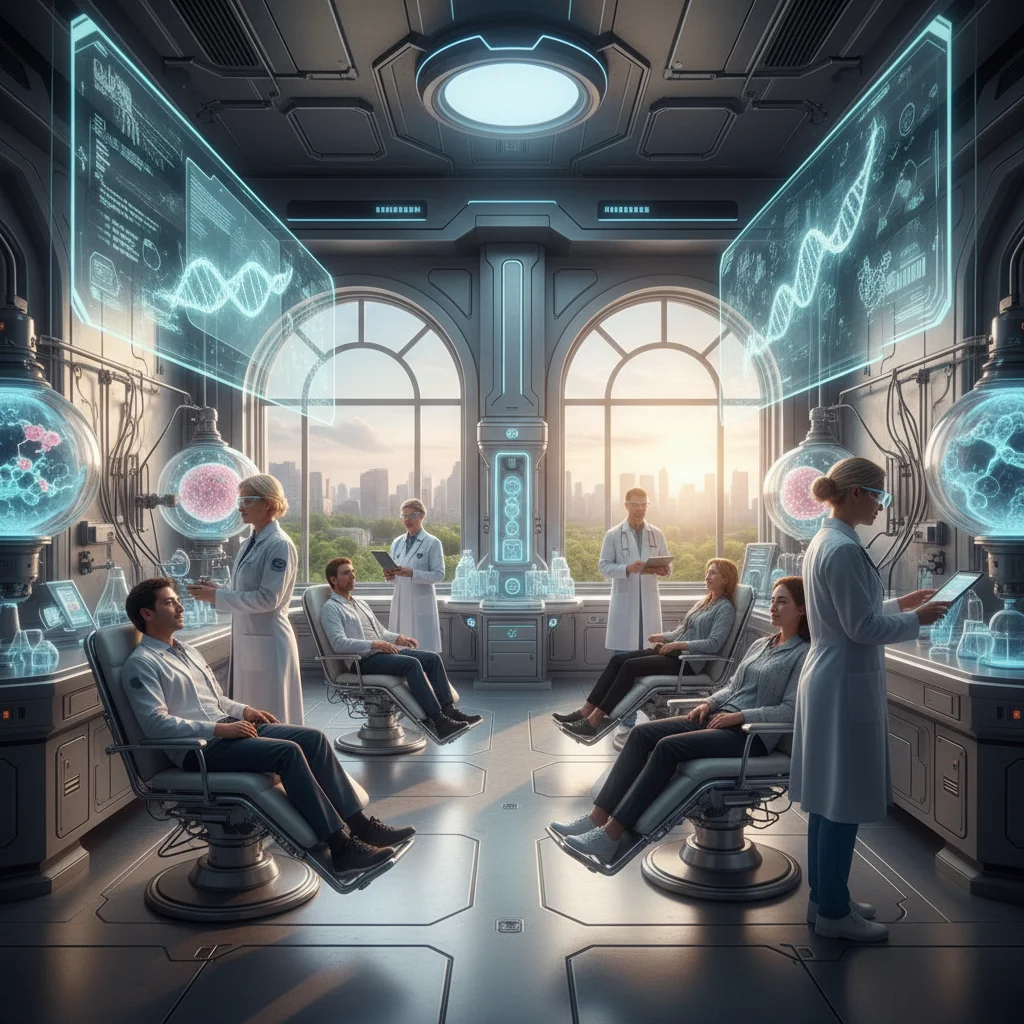
Imagine a world where your medication isn’t a one-size-fits-all solution but rather a prescription meticulously crafted for your individual genetic makeup, lifestyle, and environment. This is the promise of personalized medicine, a biotech healthcare innovation that is rapidly moving from concept to clinical reality. The foundational principle behind personalized medicine is pharmacogenomics – the study of how genes affect a person’s response to drugs. By analyzing an individual’s genetic profile, doctors can predict how they will metabolize certain medications, identify potential adverse drug reactions, and select the most effective treatment with greater accuracy.
The implications for US healthcare are monumental. Currently, many treatments fail or cause significant side effects because they are not optimized for individual patients. This leads to wasted resources, prolonged suffering, and increased healthcare costs. Personalized medicine aims to mitigate these issues by:
- Optimizing Drug Selection: For conditions like cancer, where genetic mutations drive disease progression, personalized medicine allows for targeted therapies that attack specific molecular pathways, leading to higher response rates and fewer side effects. This is already evident in the success of drugs like Imatinib for chronic myeloid leukemia, which targets a specific fusion protein.
- Preventing Adverse Drug Reactions: Genetic variations can influence how quickly a person metabolizes a drug. For example, some individuals are ‘poor metabolizers’ of certain antidepressants, leading to higher drug levels and increased risk of side effects. Personalized medicine can identify these individuals, allowing for dose adjustments or alternative drug choices.
- Enhancing Preventive Care: Genetic screening can identify individuals at higher risk for certain diseases, enabling proactive interventions and lifestyle modifications. This shifts the focus from reactive treatment to proactive prevention, a cornerstone of sustainable healthcare.
- Reducing Healthcare Costs: While initial investments in genomic sequencing might seem high, the long-term savings from avoiding ineffective treatments, managing fewer adverse events, and preventing chronic diseases are substantial.
By 2027, we can expect to see personalized medicine integrated into routine clinical practice across various medical specialties. Advances in next-generation sequencing technologies are driving down the cost and increasing the speed of genetic analysis, making it more accessible. Furthermore, the development of sophisticated bioinformatics tools is enabling clinicians to interpret complex genetic data and translate it into actionable treatment plans. This biotech healthcare innovation is not just about treating disease; it’s about fundamentally changing the patient experience, offering a level of care that is truly tailored and deeply effective.
2. CRISPR Gene Editing: Rewriting the Code of Life
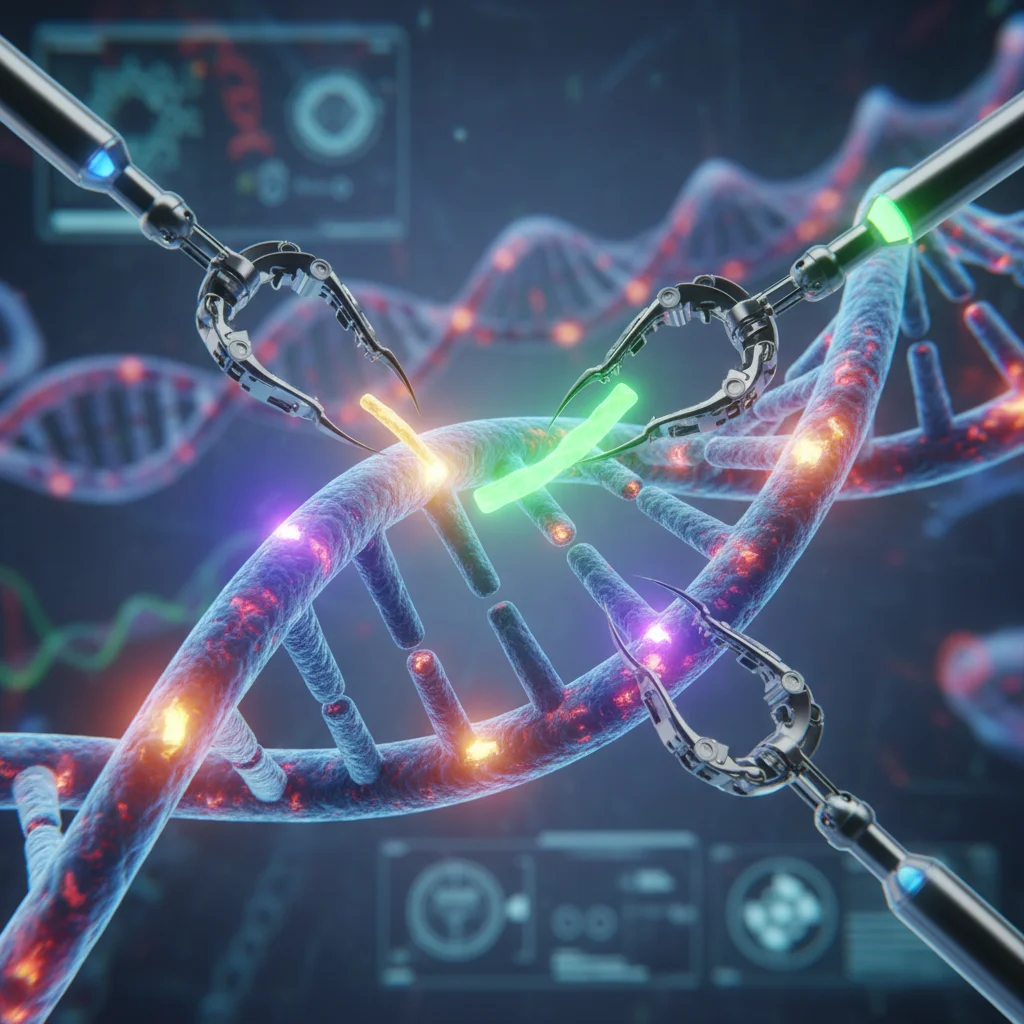
Few biotech healthcare innovation have captured the scientific and public imagination quite like CRISPR (Clustered Regularly Interspaced Short Palindromic Repeats) gene editing. Often described as molecular scissors, CRISPR-Cas9 technology allows scientists to precisely cut and paste DNA sequences, effectively correcting genetic errors that cause disease. This groundbreaking technology holds the potential to cure a myriad of genetic disorders that were previously untreatable.
The applications of CRISPR in healthcare are vast and rapidly expanding. Here’s how it’s poised to disrupt US healthcare by 2027:
- Curing Genetic Diseases: CRISPR is being investigated for its potential to treat conditions like sickle cell anemia, cystic fibrosis, Huntington’s disease, and Duchenne muscular dystrophy. Clinical trials are already underway for some of these conditions, showing promising early results. Imagine a future where a single gene edit could eliminate a lifelong, debilitating illness.
- Advanced Cancer Therapies: Beyond inherited genetic disorders, CRISPR is being used to engineer immune cells (e.g., CAR T-cells) to more effectively target and destroy cancer cells. This represents a significant advancement over traditional chemotherapy and radiation, offering a more precise and less toxic approach to cancer treatment.
- Combating Infectious Diseases: Researchers are exploring CRISPR’s ability to target and disable viral DNA, offering new avenues for treating chronic viral infections like HIV and hepatitis B, and even potentially developing broad-spectrum antiviral therapies.
- Developing New Diagnostics: CRISPR-based diagnostic tools are emerging that can quickly and accurately detect pathogens or specific genetic markers associated with disease, often at the point of care.
The ethical considerations surrounding gene editing are complex and require careful navigation. However, the therapeutic potential is undeniable. As research progresses and regulatory frameworks adapt, CRISPR-based therapies are expected to move from experimental stages to approved treatments, offering hope to millions. This biotech healthcare innovation represents a paradigm shift, moving beyond managing symptoms to addressing the root genetic causes of disease, truly rewriting the code of life for better health outcomes.
3. Artificial Intelligence in Diagnostics and Drug Discovery
Artificial Intelligence (AI) is no longer confined to science fiction; it is rapidly becoming an indispensable tool in healthcare, particularly in diagnostics and drug discovery. The ability of AI algorithms to process vast amounts of data, identify complex patterns, and make predictions far surpasses human capabilities, making it a powerful biotech healthcare innovation.
AI in Diagnostics:
By 2027, AI will profoundly impact how diseases are diagnosed. Here’s how:
- Enhanced Image Analysis: AI algorithms can analyze medical images (X-rays, MRIs, CT scans, pathology slides) with incredible speed and accuracy, often detecting subtle anomalies that might be missed by the human eye. This is particularly transformative in areas like radiology and pathology, leading to earlier and more precise diagnoses for conditions like cancer, diabetic retinopathy, and neurological disorders.
- Predictive Analytics: AI can sift through electronic health records, genetic data, and even wearable device data to identify individuals at high risk for developing certain conditions. This enables proactive interventions, allowing healthcare providers to manage risks before diseases manifest severely.
- Personalized Treatment Recommendations: Combining patient data with vast medical literature, AI can assist clinicians in formulating personalized treatment plans, considering all relevant factors and predicting treatment efficacy.
- Remote Monitoring and Early Detection: AI-powered wearables and sensors can continuously monitor vital signs and other health metrics, flagging potential issues early and enabling timely medical intervention, especially for chronic disease management.
AI in Drug Discovery:
The traditional drug discovery process is notoriously long, expensive, and often unsuccessful. AI is revolutionizing this by:
- Accelerating Target Identification: AI can analyze genomic and proteomic data to identify novel drug targets more efficiently, reducing the time and resources spent on early-stage research.
- Optimizing Molecule Design: AI algorithms can design and optimize potential drug molecules, predicting their efficacy, toxicity, and pharmacokinetic properties before they are even synthesized in the lab. This significantly narrows down the pool of candidates, making the process more efficient.
- Predicting Clinical Trial Success: By analyzing historical clinical trial data and patient characteristics, AI can help predict the likelihood of success for new drug candidates, allowing pharmaceutical companies to make more informed decisions and allocate resources effectively.
- Repurposing Existing Drugs: AI can identify new therapeutic uses for existing drugs, a process known as drug repurposing. This can significantly reduce development time and cost, bringing new treatments to patients faster.
The synergy between AI and biotechnology is creating a powerful engine for innovation. By 2027, the integration of AI will not only streamline existing healthcare processes but also unlock entirely new possibilities for diagnosis, treatment, and drug development, making healthcare more efficient, accessible, and effective for everyone.
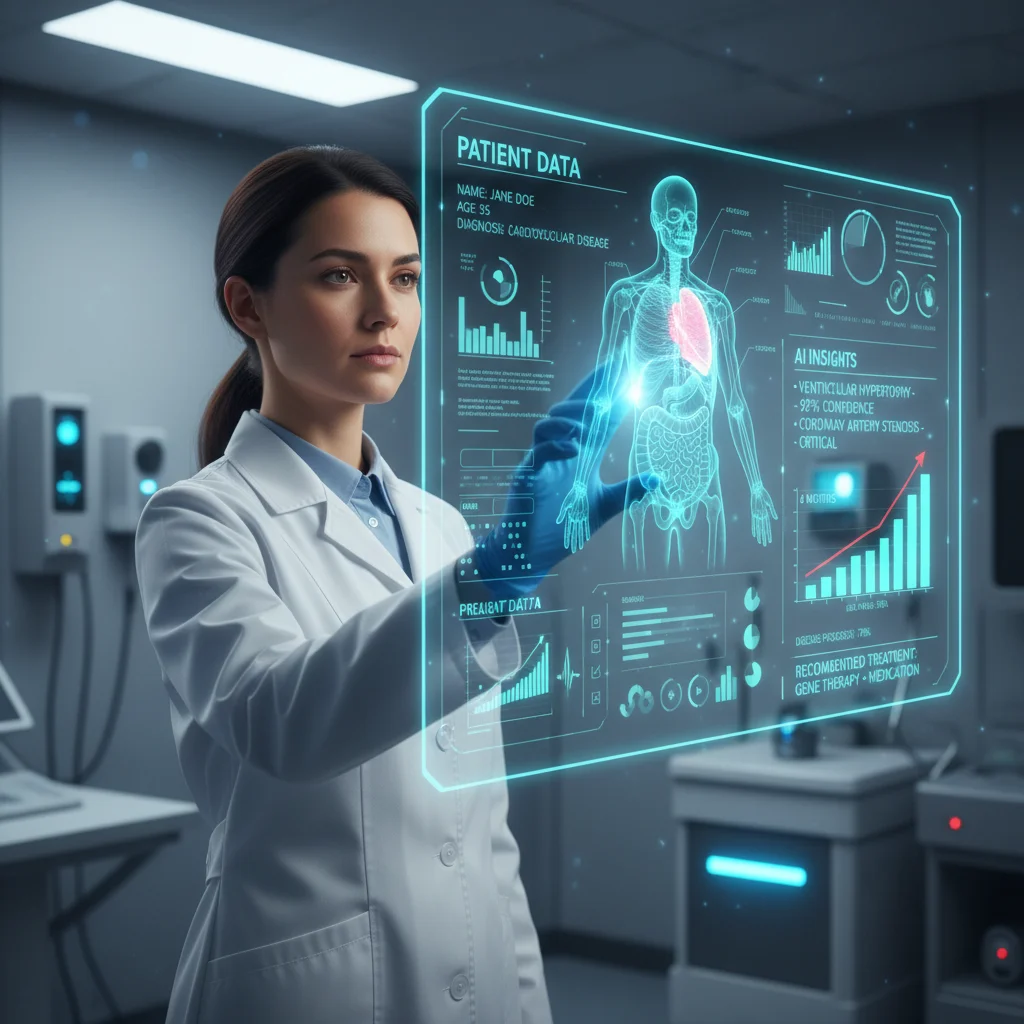
The Interconnected Future of Biotech Healthcare Innovation
It’s crucial to understand that these three biotech healthcare innovation – personalized medicine, CRISPR gene editing, and AI in diagnostics and drug discovery – are not isolated advancements. Instead, they are deeply interconnected, forming a powerful ecosystem that will mutually reinforce and accelerate progress in US healthcare. For instance, personalized medicine relies heavily on genomic data, which can be analyzed and interpreted more effectively with AI. Similarly, CRISPR-based therapies will benefit from AI-driven drug discovery pipelines that can identify optimal gene targets and predict therapeutic outcomes. AI will also play a critical role in monitoring the long-term effects of gene therapies and personalizing follow-up care.
The convergence of these technologies promises a future where diseases are not just treated but often prevented or cured at their genetic roots. The ability to precisely target treatments based on an individual’s unique biological profile, combined with the power of AI to analyze vast datasets and accelerate scientific discovery, will lead to unprecedented breakthroughs. This holistic approach will move us away from a reactive, symptom-focused healthcare model towards a proactive, predictive, and personalized system.
Challenges and Opportunities on the Horizon
While the prospects are incredibly exciting, the widespread adoption of these biotech healthcare innovation by 2027 will not be without its challenges. Key hurdles include:
- Regulatory Frameworks: Developing agile and robust regulatory pathways for novel gene therapies and AI-driven diagnostics will be crucial to ensure safety and efficacy while fostering innovation.
- Ethical Considerations: Gene editing and the use of personal genomic data raise significant ethical questions that require ongoing societal dialogue and careful policy development.
- Data Security and Privacy: The immense amount of sensitive patient data generated by personalized medicine and AI systems necessitates state-of-the-art cybersecurity measures and strict privacy protocols.
- Accessibility and Equity: Ensuring equitable access to these advanced therapies and diagnostics, regardless of socioeconomic status, will be paramount to prevent widening existing healthcare disparities.
- Healthcare Professional Training: Clinicians and healthcare providers will require extensive training to effectively utilize and interpret the data and tools provided by these new technologies.
- Infrastructure Investment: Significant investment in technological infrastructure, including high-performance computing and secure data storage, will be necessary to support the scale of these innovations.
Despite these challenges, the opportunities presented by these biotech healthcare innovation are too significant to ignore. The potential to eradicate inherited diseases, revolutionize cancer treatment, and create a truly personalized healthcare experience offers a compelling vision for the future. The economic impact will also be substantial, creating new industries, jobs, and driving significant growth within the US economy.
Conclusion: A Healthier Future, Closer Than You Think
The year 2027 is not far off, and the pace of biotech healthcare innovation is accelerating at an unprecedented rate. Personalized medicine, CRISPR gene editing, and artificial intelligence in diagnostics and drug discovery are not merely incremental improvements; they represent foundational shifts that will fundamentally alter the landscape of US healthcare. From preventing diseases before they start to offering cures for previously incurable conditions, these technologies promise a future where health outcomes are dramatically improved, and healthcare is more efficient, precise, and equitable.
As we navigate the complexities of integrating these powerful tools into our healthcare system, collaboration among scientists, clinicians, policymakers, and the public will be essential. The journey ahead will require careful consideration of ethical implications, robust regulatory oversight, and a commitment to ensuring broad access to these life-changing advancements. However, the destination – a healthier, more resilient, and more personalized healthcare future for all Americans – is a powerful motivator. The disruption is coming, and it promises to be a disruption for the better.