Bridging the Cybersecurity Gap: Top 7 Tech Training Programs for US Professionals
Discover the leading cybersecurity training programs in the US designed to equip professionals with the essential skills to combat evolving cyber threats and fill the critical workforce gap by 2026.
By: Matheus Neiva on August 14, 2026
Bridging the Cybersecurity Gap: Top 7 Innovative Tech Training Programs for US Professionals in 2026 (Insider Knowledge)
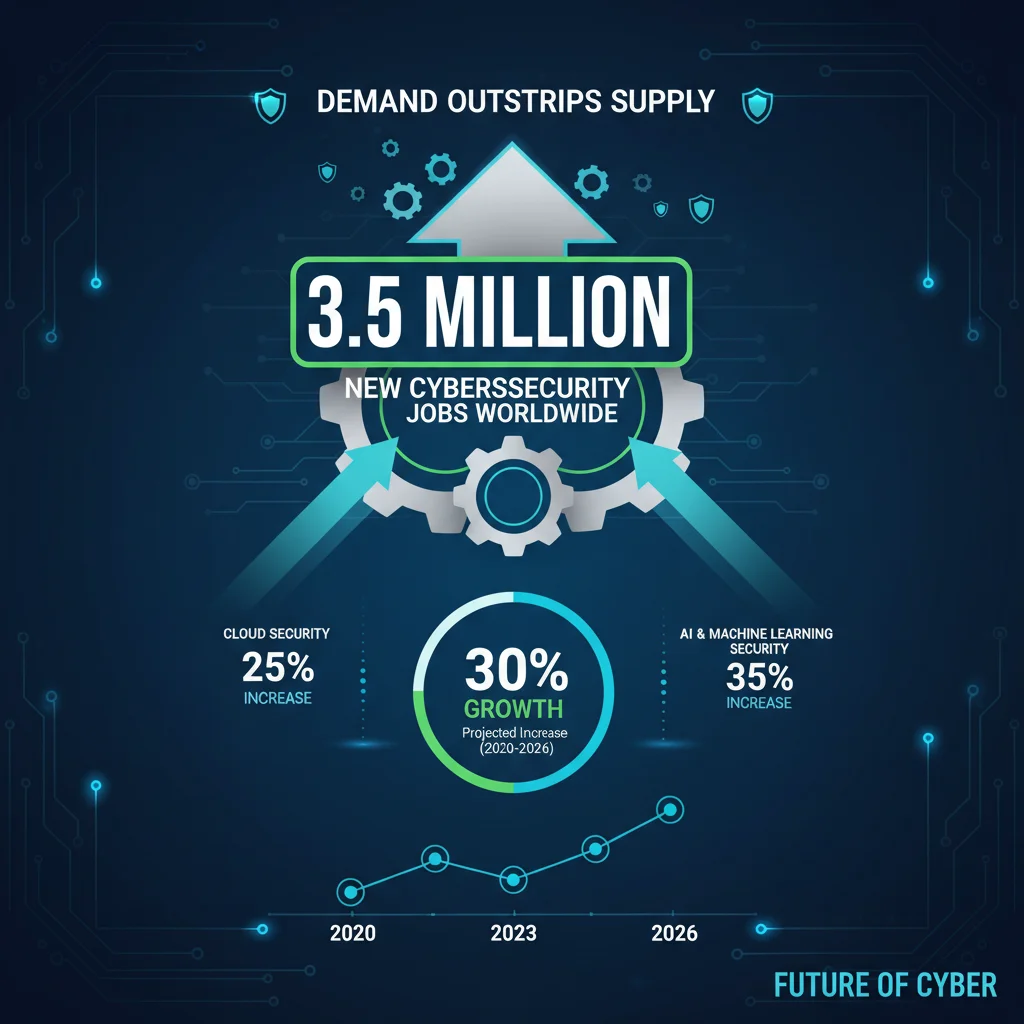
The digital landscape is a battleground, and the stakes have never been higher. As technology advances at an unprecedented pace, so too do the sophistication and frequency of cyber threats. From nation-state sponsored attacks to ransomware crippling critical infrastructure, the need for skilled cybersecurity professionals is not just a preference; it’s a national imperative. The United States, like many developed nations, faces a significant cybersecurity workforce gap, a chasm between the demand for highly trained experts and the available talent pool. This gap is projected to widen even further by 2026, posing a severe risk to national security, economic stability, and individual privacy.
This article delves into the heart of this critical issue, offering insider knowledge on the top 7 innovative cybersecurity training programs specifically designed for US professionals. These programs are not just about earning a certificate; they are about forging the next generation of cyber defenders, equipping them with the cutting-edge skills and strategic thinking necessary to navigate the complex threat landscape of tomorrow.
Understanding the urgency, we’ve meticulously researched and identified programs that stand out for their practical relevance, industry recognition, and ability to foster rapid skill acquisition. Whether you’re a seasoned IT professional looking to specialize, a career changer seeking a high-demand field, or an organization aiming to upskill its existing workforce, these cybersecurity training programs offer pathways to success.
The Alarming Cybersecurity Workforce Gap: A National Challenge
Before we dive into the solutions, it’s crucial to grasp the magnitude of the problem. The cybersecurity workforce gap is not a theoretical construct; it’s a tangible shortage impacting organizations across all sectors. Reports from leading industry bodies consistently highlight hundreds of thousands of unfilled cybersecurity positions in the US alone. This deficit leaves organizations vulnerable, stretching existing teams thin and increasing the likelihood of successful cyberattacks.
Several factors contribute to this persistent gap:
Rapid Technological Evolution: The pace of technological change means that skills can quickly become obsolete. New threats emerge daily, requiring constant learning and adaptation.
Lack of Qualified Candidates: Traditional educational pathways often struggle to keep up with industry demands, leading to a shortage of graduates with relevant, hands-on experience.
High Barriers to Entry: Many entry-level cybersecurity roles still demand extensive experience, creating a Catch-22 for newcomers to the field.
Complex Skill Sets: Cybersecurity requires a blend of technical expertise, analytical thinking, problem-solving abilities, and an understanding of legal and ethical frameworks.
Perception and Awareness: Many individuals are unaware of the diverse career opportunities within cybersecurity or the accessible pathways to enter the field.
Addressing this gap requires a multi-pronged approach, with innovative cybersecurity training programs at its core. These programs must not only teach technical skills but also instill a mindset of continuous learning and adaptability.
Key Characteristics of Effective Cybersecurity Training Programs
What makes a cybersecurity training program truly effective in today’s rapidly evolving threat landscape? It’s more than just covering theoretical concepts. The best programs share several critical characteristics:
Hands-on, Practical Experience: Real-world simulations, labs, and projects are paramount. Professionals need to apply their knowledge in environments that mimic actual cyberattacks and defenses.
Industry-Relevant Curriculum: The content must be current and aligned with the latest threats, technologies, and industry best practices. This includes topics like cloud security, AI/ML in cybersecurity, IoT security, and advanced persistent threat (APT) detection.
Experienced Instructors: Learning from practitioners who have faced real cyber challenges provides invaluable insights and mentorship.
Certification Alignment: While not the sole focus, programs that prepare students for industry-recognized certifications (e.g., CompTIA Security+, CISSP, CEH, CISM) add significant value to their credentials.
Career Support and Networking: Assistance with job placement, resume building, interview preparation, and opportunities to connect with industry professionals are crucial for career progression.
Flexibility and Accessibility: With diverse learners, programs offering flexible schedules, online options, and varying durations cater to a broader audience.
Focus on Soft Skills: Communication, teamwork, critical thinking, and ethical decision-making are just as important as technical prowess in cybersecurity roles.
The following cybersecurity training programs have been selected because they embody many, if not all, of these essential characteristics, providing a robust foundation for professionals seeking to excel in the field.
The Top 7 Innovative Cybersecurity Training Programs for US Professionals in 2026
Here are our picks for the leading cybersecurity training programs poised to make a significant impact on the US workforce by 2026:
1. SANS Institute: Advanced Cybersecurity Training & Certifications
The SANS Institute is widely regarded as a gold standard in cybersecurity education. Their training programs are intensely technical, highly practical, and delivered by industry-leading experts. SANS offers a vast array of courses covering everything from foundational security to specialized areas like incident response, penetration testing, cloud security, and industrial control system (ICS) security. Their associated GIAC certifications are among the most respected in the industry.
Why it stands out: Deep technical dives, hands-on labs, and direct alignment with real-world cyber defense and offense. SANS courses are constantly updated to reflect the latest threats and technologies.
Target Audience: Experienced IT professionals looking for advanced specialization, cybersecurity practitioners seeking to deepen their expertise, and organizations investing in high-level team training.
Key Offerings: SEC504: Hacker Tools, Techniques, Exploits, and Incident Handling; SEC560: Enterprise Penetration Testing; FOR508: Advanced Incident Response, Threat Hunting, and Digital Forensics.
2. National Cyber Security Centre (NCSC) Certified Training (UK-based, but influential globally)
While based in the UK, the NCSC’s certified training programs set a global benchmark for quality and relevance. Many US professionals and organizations look to NCSC’s rigorous standards as a model. Their certification scheme ensures that training providers deliver high-quality, industry-relevant cybersecurity education. This influence often translates into similar programs or recognized certifications within the US, making it a crucial benchmark to consider.
Why it stands out: Emphasis on practical application, alignment with government and industry best practices, and a focus on developing well-rounded cyber professionals.
Key Offerings: Courses often cover security architecture, risk management, incident management, and secure software development.
3. Google Cybersecurity Professional Certificate (via Coursera)
Google’s entry into professional certificates has democratized access to high-quality tech education. Their Cybersecurity Professional Certificate is designed for beginners with no prior experience, offering a comprehensive pathway into the field. It covers foundational concepts, tools, and processes, preparing learners for entry-level roles such as Cybersecurity Analyst.
Why it stands out: Accessible, self-paced learning, developed by Google experts, and includes hands-on labs. It’s an excellent entry point for career changers and those new to the field.
Target Audience: Individuals with no prior cybersecurity experience, career changers, and those looking for an affordable and flexible entry into the industry.
Key Offerings: Covers topics like network security, security models, SIEM tools, Python scripting, and incident response.
EC-Council is renowned for its Certified Ethical Hacker (CEH) certification, which focuses on penetration testing and ethical hacking techniques. This program teaches professionals how to think like a malicious attacker to identify vulnerabilities and strengthen defenses. Beyond CEH, EC-Council offers a suite of advanced certifications in areas like Digital Forensics (CHFI) and Incident Handling (ECIH).
Why it stands out: Strong emphasis on offensive security techniques, practical labs, and a globally recognized certification that demonstrates hands-on ethical hacking skills.
Target Audience: Security auditors, penetration testers, network security specialists, and anyone interested in understanding attacker methodologies.
5. Cybrary for Business and Individuals: Skills Development Platform
Cybrary offers a comprehensive online platform with thousands of courses, labs, and skill assessments covering a vast range of cybersecurity topics. What makes Cybrary innovative is its focus on career pathways and skill development tailored to specific job roles. It provides a blend of free and premium content, making high-quality cybersecurity education more accessible.
Why it stands out: Extensive course catalog, hands-on labs, virtual labs, and career pathing tools. It’s a dynamic platform that continually updates its content.
Target Audience: Individuals at all skill levels (beginner to advanced), organizations seeking to upskill their entire IT/cybersecurity workforce.
Key Offerings: Courses on cloud security, threat intelligence, security operations, compliance, and preparation for various industry certifications.
Many leading universities across the US, often in partnership with providers like Trilogy Education Services, offer intensive cybersecurity bootcamps. These programs are typically 12-24 weeks long, full-time or part-time, and designed to quickly equip students with job-ready skills. They combine theoretical knowledge with extensive hands-on projects, often culminating in portfolio-ready work.
Why it stands out: University affiliation adds credibility, immersive learning environment, strong career services, and a focus on practical, in-demand skills.
Target Audience: Career changers, recent graduates, or professionals looking for a rapid and intensive entry into the cybersecurity field.
Key Offerings: Covers network security, system administration, ethical hacking, web vulnerabilities, digital forensics, and compliance.
7. (ISC)² Certifications: CISSP, CCSP, SSCP
(ISC)² offers a suite of globally recognized certifications that are highly valued in the cybersecurity industry, particularly for management and architectural roles. The Certified Information Systems Security Professional (CISSP) is often considered the gold standard for experienced security professionals. The Certified Cloud Security Professional (CCSP) and Systems Security Certified Practitioner (SSCP) cater to more specialized or foundational roles.
Why it stands out: Industry-standard certifications that demonstrate a deep understanding of security principles, practices, and governance. They are highly respected by employers worldwide.
Target Audience: Experienced cybersecurity professionals seeking leadership or architectural roles (CISSP), cloud security specialists (CCSP), and IT professionals looking for foundational security knowledge (SSCP).
Key Offerings: Preparation courses and official examinations for CISSP, CCSP, SSCP, and other specialized certifications.
Future Trends in Cybersecurity Education: What to Expect by 2026
The landscape of cybersecurity education is not static. By 2026, we can anticipate several key trends shaping how professionals gain and maintain their skills:
Increased Focus on AI and Machine Learning in Security: As AI becomes more integrated into cyber defenses and offenses, training will increasingly cover AI-driven threat detection, anomaly analysis, and the security of AI systems themselves.
Quantum Computing Security: While still nascent, the long-term threat of quantum computing to current encryption standards will necessitate new cryptographic training and post-quantum cryptography implementation skills.
Operational Technology (OT) and Industrial Control System (ICS) Security: The convergence of IT and OT networks means a growing demand for professionals skilled in securing critical infrastructure and industrial systems.
Human-Centric Security: Recognizing that humans are often the weakest link, more training will focus on security awareness, social engineering defense, and building a strong security culture within organizations.
Gamified Learning and Virtual Reality (VR)/Augmented Reality (AR) Training: To make learning more engaging and effective, expect to see more immersive training simulations and gamified challenges.
Micro-credentials and Stackable Certifications: The move away from long-form degrees towards shorter, more focused credentials that can be combined to build expertise in specific areas will continue.
Emphasis on Soft Skills: Communication, collaboration, ethical decision-making, and critical thinking will be explicitly integrated into technical training, as these are crucial for effective cybersecurity teams.
These evolving trends underscore the importance of continuous learning and selecting cybersecurity training programs that are forward-looking and adaptable.
Choosing the Right Cybersecurity Training Program for You
With so many excellent options available, how do you choose the best cybersecurity training programs for your specific needs? Consider the following:
Your Current Skill Level: Are you a beginner, intermediate, or advanced professional? Some programs are designed for newcomers, while others require significant prior IT experience.
Your Career Goals: Do you want to specialize in incident response, penetration testing, cloud security, security architecture, or governance? Align the program with your desired career path.
Time Commitment and Learning Style: Do you prefer self-paced online learning, intensive bootcamps, or traditional classroom settings? How much time can you realistically dedicate?
Budget: Program costs vary widely. Consider your financial resources and look for options that offer good value for money, including potential scholarships or employer sponsorship.
Industry Recognition and Certifications: While practical skills are key, certifications can open doors. Choose programs that prepare you for respected industry certifications.
Instructor Expertise and Program Reputation: Research the instructors’ backgrounds and read reviews of the program to gauge its quality and effectiveness.
Career Support: If career change or advancement is a primary goal, look for programs that offer robust career services, including job placement assistance.
Conclusion: Securing the Future with Skilled Professionals
The cybersecurity workforce gap is a formidable challenge, but it is not insurmountable. With the right investment in innovative cybersecurity training programs, the United States can cultivate a robust and resilient cyber workforce capable of defending against the threats of today and tomorrow. The programs highlighted in this article represent the vanguard of this educational effort, offering diverse pathways for professionals to acquire critical skills, advance their careers, and contribute to national security.
As we move towards 2026, continuous learning and adaptation will be the hallmarks of success in cybersecurity. Whether you’re embarking on a new career path or seeking to sharpen your existing expertise, embracing these cutting-edge training opportunities is not just an investment in your future, but an investment in a more secure digital world for everyone. The time to act is now; the future of cybersecurity depends on it.
Matheus Neiva has a degree in Communication and a specialization in Digital Marketing. Working as a writer, he dedicates himself to researching and creating informative content, always seeking to convey information clearly and accurately to the public.