IoT Security 2026: Smart Home Protection in the US

The Evolution of IoT Security in 2026: 5 Best Practices for US Smart Home Devices (Practical Solutions)
The year is 2026, and our homes are smarter than ever. From refrigerators that order groceries to thermostats that learn our preferences and security cameras that offer peace of mind, the Internet of Things (IoT) has woven itself into the fabric of daily life for millions across the United States. While the convenience and efficiency offered by these connected devices are undeniable, they also introduce a complex web of security challenges. As technology advances at an unprecedented pace, so do the sophistication of cyber threats. Understanding and implementing robust IoT Security 2026 measures is not just recommended; it’s absolutely essential for protecting our digital lives and physical spaces.
In this comprehensive guide, we’ll delve into the current state and projected evolution of IoT Security 2026, specifically focusing on smart home devices in the US. We’ll explore the landscape of emerging threats, highlight the crucial need for proactive security, and, most importantly, provide five practical, actionable best practices that homeowners can adopt today to safeguard their connected ecosystems. From foundational network hardening to advanced threat detection, prepare to empower yourself with the knowledge to maintain a secure and private smart home.
The Shifting Landscape of IoT Threats: Why IoT Security 2026 is Paramount
The rapid proliferation of IoT devices has created an expansive attack surface that cybercriminals are eager to exploit. In 2026, we’re seeing a maturation of these threats, moving beyond simple denial-of-service attacks to more insidious forms of compromise. Devices, often designed for convenience rather than stringent security, can become weak links in a home network, providing entry points for malicious actors. These actors might seek to:
- Steal Personal Data: Smart speakers, security cameras, and health wearables collect vast amounts of personal information. This data, if compromised, can lead to identity theft, financial fraud, or targeted harassment.
- Perform Surveillance: Hacked cameras and microphones can be used for unauthorized monitoring, violating privacy and creating a sense of unease within one’s own home.
- Launch Ransomware Attacks: While less common for individual devices, entire smart home systems could be held hostage, demanding payment for restoration of functionality.
- Create Botnets: Vulnerable IoT devices are frequently co-opted into botnets, networks of compromised devices used to launch large-scale cyberattacks against other targets, often without the owner’s knowledge.
- Physical Harm or Property Damage: In extreme scenarios, compromised smart locks, garage door openers, or even smart appliances could be manipulated to cause physical harm or property damage.
The critical element here is the interdependence of these devices. A vulnerability in one smart bulb could potentially expose your entire home network. Therefore, a holistic approach to IoT Security 2026 is not merely about securing individual gadgets but about fortifying the entire connected ecosystem.
Understanding the US Regulatory Environment for IoT Security 2026
The United States has been grappling with how to effectively regulate IoT security, balancing innovation with consumer protection. By 2026, we’ve seen a patchwork of initiatives and evolving standards. While a single, overarching federal law specifically for IoT security remains elusive, several acts and frameworks influence the landscape:
- NIST Cybersecurity Framework: The National Institute of Standards and Technology (NIST) provides voluntary guidelines that are widely adopted by manufacturers and organizations. These guidelines emphasize identifying, protecting, detecting, responding to, and recovering from cyber threats.
- State-Level Legislation: States like California have pioneered IoT security laws (e.g., SB-327), mandating ‘reasonable security features’ for connected devices. Other states are following suit, creating a more complex compliance environment for manufacturers.
- FTC Enforcement: The Federal Trade Commission (FTC) continues to play a role in consumer protection, bringing enforcement actions against companies that fail to implement adequate security measures for their IoT products, especially when those failures lead to consumer harm.
- Industry Alliances and Certifications: Various industry groups are working to establish voluntary certification programs and best practices for IoT devices, aiming to provide consumers with clearer indicators of a product’s security posture.
For consumers, this means looking for devices that adhere to recognized security standards and come from manufacturers with a strong commitment to privacy and regular security updates. As we move further into 2026, the expectation is that regulatory bodies will continue to push for greater accountability from IoT device manufacturers, making robust IoT Security 2026 a competitive differentiator.
Best Practice 1: Fortify Your Network Foundation – The Gateway to IoT Security 2026
Your home Wi-Fi router is the literal gateway to your smart home. It’s the first line of defense, and its security posture dictates the vulnerability of all connected devices. Many users still rely on default router settings, which are notoriously insecure. By 2026, this is a critical oversight that needs immediate correction.
Practical Solutions:
- Change Default Credentials IMMEDIATELY: The first thing you should do with any new router is change the default username and password. These are often generic and publicly known, making them easy targets for attackers. Choose strong, unique passwords for both administrator access and your Wi-Fi network.
- Enable WPA3 Encryption: If your router and devices support it, upgrade to WPA3 (Wi-Fi Protected Access 3) encryption. WPA3 offers stronger encryption than WPA2, making it significantly harder for unauthorized users to eavesdrop on your network traffic. If WPA3 isn’t available, ensure you’re using WPA2-AES.
- Create a Guest Network: Most modern routers allow you to set up a separate guest Wi-Fi network. Isolate your smart home devices (especially those with lower security profiles) onto this guest network, or better yet, create a dedicated IoT-only network if your router supports it. This segmentation prevents a compromised IoT device from gaining access to your primary network where sensitive data (laptops, phones) resides.
- Disable Universal Plug and Play (UPnP): While convenient for setting up devices, UPnP can automatically open ports on your router, creating potential security vulnerabilities that can be exploited by malware. Disable it unless absolutely necessary and understand the risks.
- Keep Router Firmware Updated: Router manufacturers regularly release firmware updates that patch security vulnerabilities. Enable automatic updates if available, or make it a habit to check for and install updates manually every few months.
- Implement Strong Firewall Rules: Configure your router’s firewall to block unsolicited incoming connections. While most consumer routers have basic firewall capabilities enabled by default, understanding and customizing these rules can offer an additional layer of protection.
By taking these steps, you build a robust foundation for your IoT Security 2026 strategy, making it significantly harder for malicious actors to penetrate your home network.
Best Practice 2: Secure Your Smart Devices Individually – A Layered Defense
Even with a fortified network, individual smart devices require their own security measures. Manufacturers are increasingly aware of the need for better security, but the onus often falls on the user to activate and maintain these protections. A layered defense is crucial for effective IoT Security 2026.
Practical Solutions:
- Change Default Passwords: Just like your router, never keep the default passwords on your smart devices. Create unique, strong passwords for each device. Avoid reusing passwords across different devices or services. A password manager can be invaluable here.
- Enable Two-Factor Authentication (2FA/MFA): Wherever possible, activate 2FA or MFA (Multi-Factor Authentication) for your smart device accounts. This adds an extra layer of security, typically requiring a code from your phone or a biometric scan in addition to your password. This is a non-negotiable for critical devices like smart locks, security cameras, and alarm systems.
- Regularly Update Device Firmware and Software: Manufacturers frequently release updates to patch security vulnerabilities and add new features. Set devices to update automatically if the option exists, or manually check for updates regularly. Neglecting updates leaves known exploits open for attackers.
- Disable Unused Features and Ports: Many smart devices come with features or services enabled by default that you may not use (e.g., remote access, specific communication protocols). Disable anything you don’t need, as each active feature or open port can be a potential entry point for attackers.
- Review Privacy Settings: Smart devices often collect a lot of data. Go through the privacy settings for each device and its associated app. Limit data collection to what is absolutely necessary for the device’s functionality. Understand what data is being collected and how it’s being used.
Implementing these individual device security measures significantly enhances your overall IoT Security 2026 posture, creating multiple barriers for potential intruders.
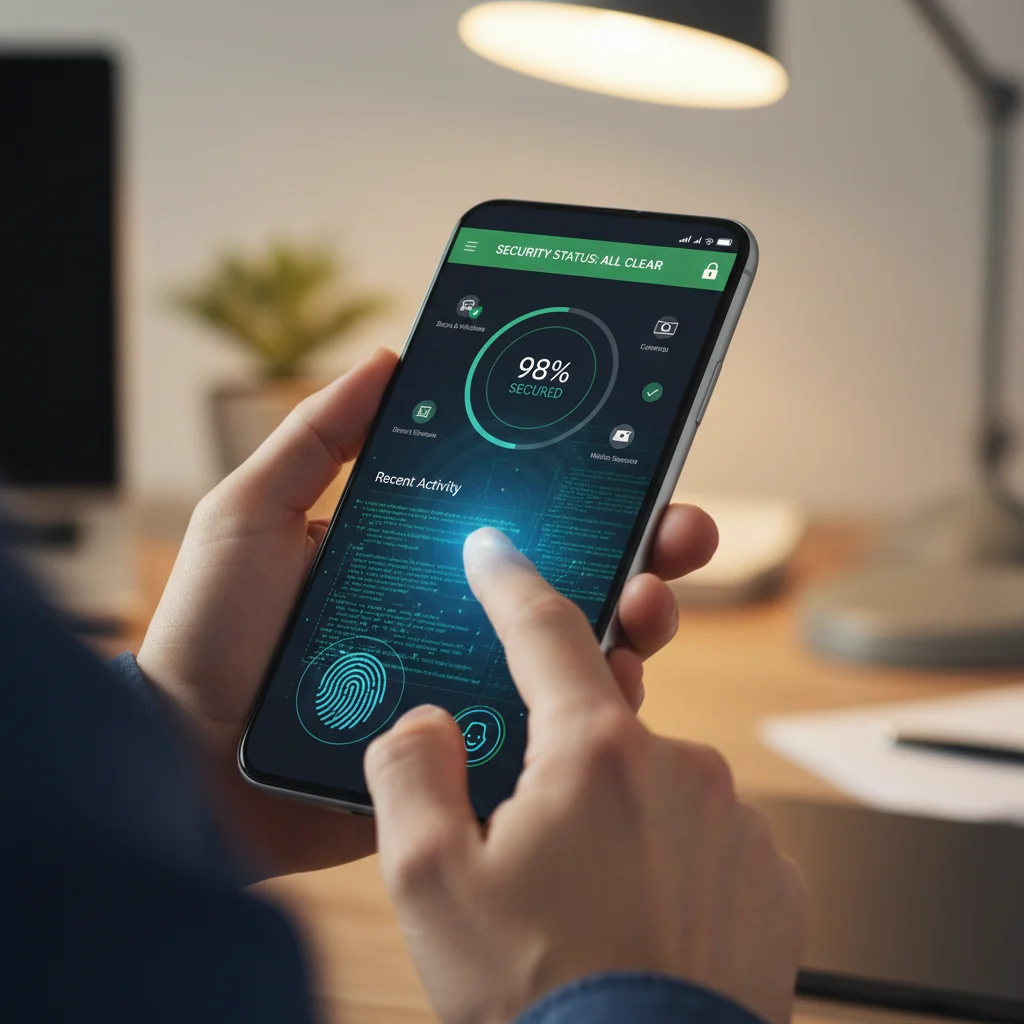
Best Practice 3: Implement Network Segmentation and Monitoring – Advanced IoT Security 2026
As your smart home grows, so does the complexity of managing its security. Network segmentation and active monitoring move beyond basic protection to provide a more sophisticated defense strategy for IoT Security 2026.
Practical Solutions:
- Create a Dedicated IoT Network (VLAN): For users with advanced routers or network knowledge, creating a Virtual Local Area Network (VLAN) specifically for IoT devices is a highly effective segmentation strategy. This completely isolates your smart devices from your main network, preventing them from accessing sensitive computers or files even if compromised.
- Use a Smart Firewall or IoT Security Hub: Consider investing in a dedicated IoT firewall or security hub. These devices sit between your router and your smart devices, monitoring traffic for suspicious activity, blocking known threats, and providing a centralized management console for your IoT security. Examples include products from Cujo, Bitdefender Box, or some next-generation firewalls.
- Monitor Network Traffic: Tools exist (some built into advanced routers, others third-party applications) that allow you to monitor the traffic generated by your IoT devices. Look for unusual data usage, connections to unknown external servers, or unexpected activity patterns. This can be an early indicator of a compromised device.
- Regularly Audit Connected Devices: Periodically review the list of devices connected to your network. Remove any old or unused devices. Be aware of what’s connected and why. Unknown devices are a major red flag.
- Consider a VPN for Specific Devices: While not practical for all IoT devices, for some (like smart TVs or streaming boxes), using a VPN (Virtual Private Network) can encrypt their internet traffic, adding an extra layer of privacy and security, especially when accessing content or services.
These advanced techniques provide a proactive and robust approach to IoT Security 2026, giving you greater control and visibility over your connected home.
Best Practice 4: Prioritize Data Privacy and Consent – The Ethical Side of IoT Security 2026
Beyond preventing breaches, a critical aspect of IoT Security 2026 is understanding and managing your data privacy. Smart devices collect an immense amount of personal data, and how that data is handled is just as important as how it’s secured.
Practical Solutions:
- Read Privacy Policies (Seriously!): Before purchasing or setting up a new smart device, take the time to read its privacy policy. Understand what data is collected, how it’s used, who it’s shared with, and for how long it’s retained. If a policy is opaque or raises red flags, reconsider the purchase.
- Limit Data Sharing: Most smart device apps offer granular controls over data sharing. Opt-out of unnecessary data collection or sharing with third parties. For example, you might not want your smart speaker’s voice recordings used for targeted advertising.
- Understand Cloud Storage Implications: Many smart devices store data (e.g., security camera footage, voice commands) in the cloud. Understand who has access to this data, its encryption status, and the retention period. Choose providers with strong encryption and clear, user-friendly data management options.
- Be Mindful of Voice Assistants: Voice assistants are constantly listening for wake words. Be aware of where these devices are placed and what they might inadvertently record. Regularly review and delete voice history if the option is available.
- Exercise Your Data Rights: Under regulations like California’s CCPA (California Consumer Privacy Act), you have rights regarding your personal data. Learn how to request access to your data, request its deletion, or opt-out of its sale from smart device manufacturers.
Prioritizing data privacy is not just a technical challenge but an ethical one, ensuring that your smart home truly serves you without compromising your personal information. This is a cornerstone of responsible IoT Security 2026.
Best Practice 5: Stay Informed and Prepared – The Human Element of IoT Security 2026
Technology evolves constantly, and so do cyber threats. The most sophisticated IoT Security 2026 solutions are only as effective as the users who implement and maintain them. Staying informed and prepared is your ongoing defense.
Practical Solutions:
- Keep Up-to-Date with IoT Security News: Follow reputable cybersecurity news sources and blogs that focus on IoT security. Be aware of new vulnerabilities discovered in popular devices or emerging threat patterns.
- Understand Phishing and Social Engineering: Many smart home compromises begin with a phishing email or a social engineering attempt targeting the user. Be skeptical of unsolicited emails, texts, or calls asking for sensitive information or urging you to click suspicious links.
- Educate All Household Members: Ensure everyone in your household understands the importance of strong passwords, recognizing suspicious links, and the privacy implications of smart devices. A single uneducated user can unintentionally open a door for attackers.
- Have a Plan for Compromise: What would you do if a smart device were compromised? Knowing how to isolate the device, change passwords, and report the incident can minimize damage. Regularly back up any critical data associated with your smart home setup.
- Consider Professional Assistance: If you have a complex smart home setup or are concerned about your ability to secure it, consider consulting with a cybersecurity professional. They can offer tailored advice, perform security audits, and help implement advanced protections.
Your active participation and continuous learning are vital components of maintaining robust IoT Security 2026. The human element often proves to be the strongest or weakest link in any security chain.

The Future of IoT Security 2026 and Beyond
Looking beyond 2026, the landscape of IoT security will continue to evolve. We can anticipate several key trends:
- AI and Machine Learning for Threat Detection: AI will play an increasingly prominent role in detecting anomalies and predicting threats in real-time within smart home networks.
- Decentralized Security Models: Blockchain and other decentralized technologies may offer new ways to manage device identities and secure communications, reducing reliance on central authorities.
- Hardware-Level Security: More robust security features will be built directly into the hardware of IoT devices, making them inherently more resistant to tampering and exploitation from the ground up.
- Unified Security Platforms: Expect to see more integrated security platforms that manage and protect all smart devices from a single dashboard, simplifying security for the average user.
- Increased Regulatory Pressure: Governments, particularly in the US, will likely introduce more comprehensive and standardized IoT security regulations, forcing manufacturers to adopt security-by-design principles.
These developments promise a future where smart homes are not only more convenient but also inherently more secure. However, consumer vigilance and the adoption of best practices will always remain indispensable.
Conclusion: Securing Your Smart Home in 2026
The journey to a truly secure smart home in 2026 is an ongoing one. The convenience of connected living comes with the responsibility of safeguarding your digital perimeter. By understanding the evolving threat landscape, adhering to the five best practices outlined in this guide – fortifying your network, securing individual devices, implementing segmentation and monitoring, prioritizing data privacy, and staying informed – you can create a resilient and private smart home environment. IoT Security 2026 is not a one-time task but a continuous commitment to protecting your home, your data, and your peace of mind. Embrace these practical solutions, and enjoy the benefits of a smart home without compromising on security.
Related Posts: