Metaverse Cultural Footprint: American Society 2026
The Metaverse’s Cultural Footprint: What American Society Can Expect by 2026 (TIME-SENSITIVE)
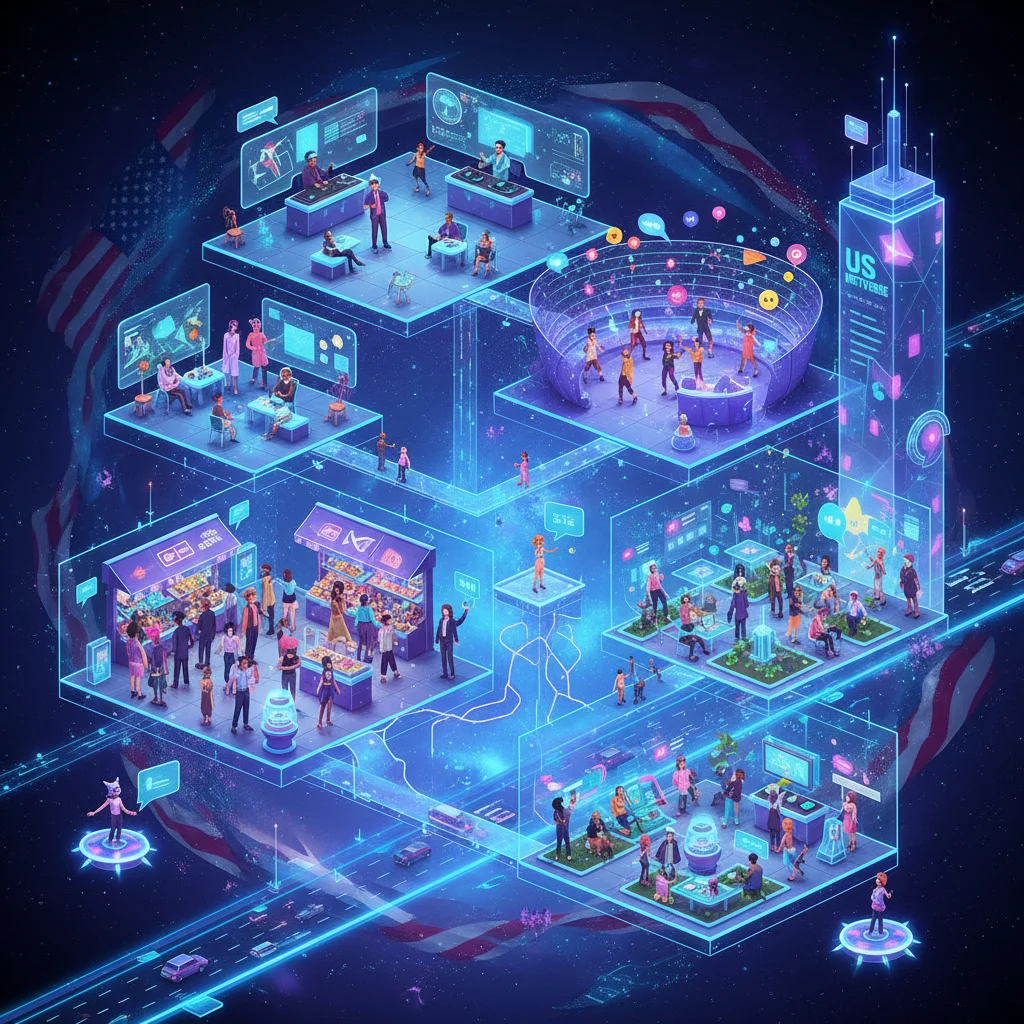
The concept of the metaverse has rapidly evolved from a science fiction trope to a tangible, albeit nascent, digital frontier. As we approach 2026, its cultural footprint on American society is poised to become significantly more pronounced, reshaping how individuals interact, work, learn, and entertain themselves. This immersive digital realm, characterized by persistent online 3D virtual environments, is not merely an upgrade to existing internet experiences; it represents a fundamental shift in our relationship with technology and, by extension, with each other. Understanding the trajectory of this transformation requires a deep dive into various societal facets, from the intimate sphere of personal identity to the broader landscapes of commerce and governance. The implications for metaverse American society are vast and multifaceted, demanding careful consideration and proactive adaptation.
The metaverse, at its core, promises a more embodied internet, where users can ‘step into’ digital spaces rather than merely looking at them through a screen. This shift from 2D browsing to 3D immersion has profound implications for human perception and interaction. Early adopters are already experimenting with virtual concerts, digital fashion, and immersive gaming, but these are just the tip of the iceberg. By 2026, we can expect these experimental uses to mature into mainstream applications, influencing daily life in ways that are both exciting and challenging. The cultural integration of the metaverse will not be uniform; it will vary across demographics, socio-economic strata, and geographical regions, creating a complex tapestry of digital experiences within the broader American social fabric. The accelerated pace of technological development, coupled with increased investment from major tech companies, suggests that these changes will manifest much sooner than many anticipate, making the 2026 timeframe a critical juncture for observing these shifts.
Redefining Social Interaction and Community in the Metaverse
One of the most significant impacts of the metaverse on American society will be the redefinition of social interaction and community. Traditional social structures, already undergoing transformation due to the internet and social media, will face further evolution. In the metaverse, individuals can create highly customizable avatars, representing themselves in ways that may differ from their physical appearance. This freedom of self-expression can foster new forms of identity and belonging, allowing people to connect based on shared interests and values rather than geographical proximity or conventional social groups. Virtual communities will become more immersive and engaging, potentially offering a stronger sense of presence and connection than current online platforms.
By 2026, expect to see a rise in metaverse-native social gatherings, from casual hangouts to formal events. Imagine attending a friend’s birthday party in a fantastical virtual world, or participating in a professional networking event where avatars seamlessly interact in simulated conference rooms. These experiences will blur the lines between physical and digital social spaces, making it increasingly common for people to form meaningful relationships entirely within the metaverse. This will also bring new etiquette and social norms. How do we navigate personal space in a virtual environment? What are the implications of digital body language? These questions will become central to the evolving social landscape of metaverse American society.
However, this evolution is not without its challenges. Concerns about digital addiction, the potential for increased social isolation in the physical world, and the spread of misinformation within immersive environments will need to be addressed. The psychological impact of spending significant time in virtual realities, particularly on younger generations, will be a major area of study. Balancing the benefits of enhanced connectivity and creative expression with the potential drawbacks of disengagement from physical reality will be a delicate act for individuals and society as a whole. The development of ethical guidelines and responsible design principles for metaverse platforms will be crucial in mitigating these risks and fostering healthy digital citizenship.
The Transformation of Work and Economy
The metaverse is poised to revolutionize the American workforce and economy. Remote work, already a prevalent trend, will find new dimensions in immersive virtual offices. Instead of static video calls, employees could collaborate in 3D digital workspaces, interacting with virtual whiteboards, models, and shared environments as if they were physically present. This could enhance productivity, foster a stronger sense of team cohesion among distributed teams, and reduce the need for physical commutes, leading to potential environmental benefits and increased flexibility for workers.
Beyond traditional office work, the metaverse will create entirely new economic opportunities. The demand for metaverse developers, 3D artists, virtual event planners, and digital fashion designers will skyrocket. Non-fungible tokens (NFTs) will likely play a more significant role in the metaverse economy, enabling digital ownership of assets, from virtual land and buildings to unique avatar clothing and artwork. This will foster a creator economy where individuals can monetize their digital creations and services within the metaverse, opening up new avenues for entrepreneurship and wealth creation. Brands will also flock to the metaverse, establishing virtual storefronts, hosting immersive marketing campaigns, and creating unique digital products, further expanding the digital economy.
However, this economic shift also raises critical questions about digital labor rights, taxation of virtual assets, and the potential for digital divides. Access to the metaverse, both in terms of technology and skills, could exacerbate existing inequalities if not addressed proactively. Policies will need to be developed to ensure fair compensation for virtual work, protect intellectual property within digital spaces, and provide accessible pathways for individuals to participate in the burgeoning metaverse economy. The legal and ethical frameworks surrounding digital ownership and virtual transactions will also need to evolve rapidly to keep pace with technological advancements, ensuring a secure and equitable economic environment for metaverse American society.
Education and Learning in Immersive Digital Spaces
The educational landscape in America is ripe for disruption by the metaverse. By 2026, we can anticipate a significant integration of immersive learning experiences into curricula from K-12 to higher education and professional training. Imagine history students exploring ancient Rome in a virtual reconstruction, medical students practicing complex surgeries on hyper-realistic digital avatars, or engineering students collaborating on a virtual prototype of a new machine. These experiences promise to make learning more engaging, interactive, and effective than traditional methods.
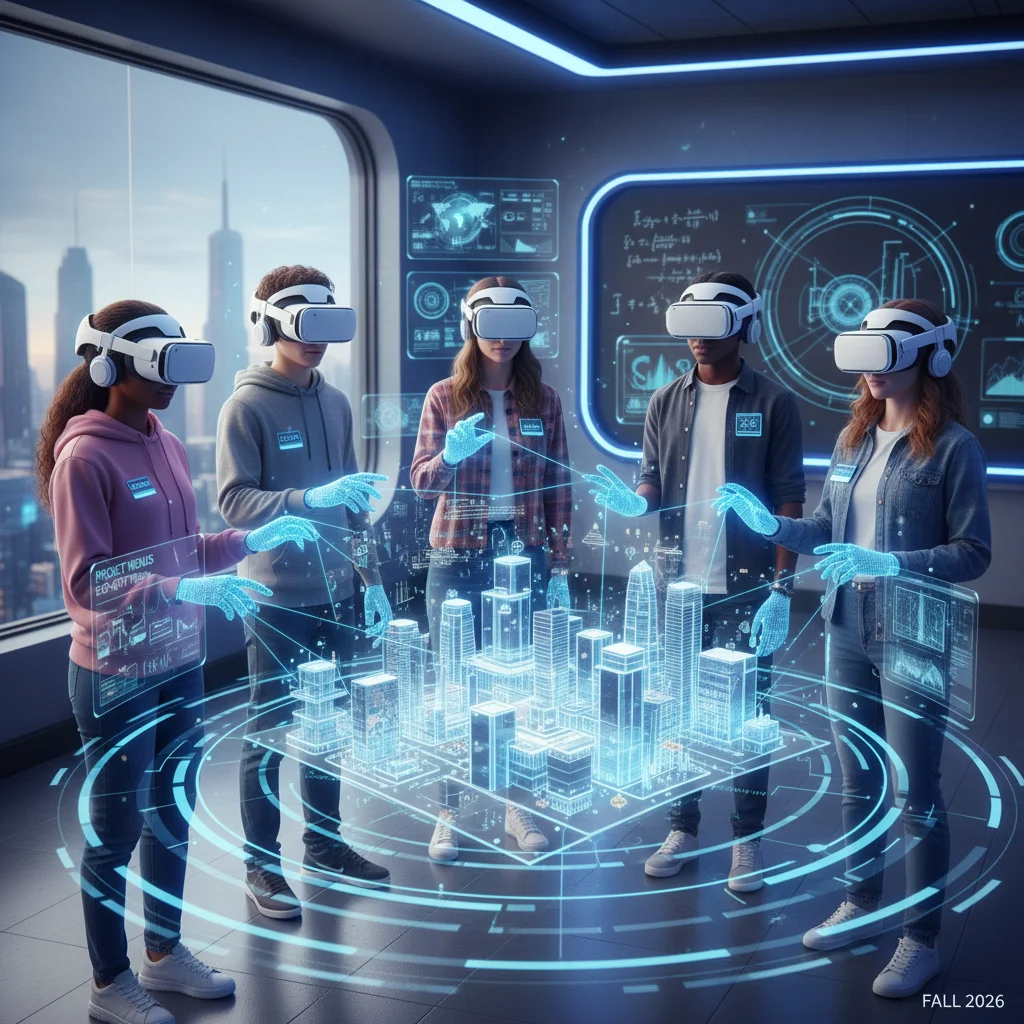
The metaverse can democratize access to high-quality education by overcoming geographical barriers. Students in rural areas or those with limited access to specialized resources could attend virtual lectures from world-renowned experts or participate in simulated laboratory experiments that would otherwise be inaccessible. Personalized learning paths, adaptively tailored to each student’s pace and style, could become the norm, leveraging AI within metaverse platforms to provide customized educational content and feedback. This could lead to a more equitable and effective educational system, empowering a diverse range of learners across metaverse American society.
Nevertheless, the adoption of metaverse education will present challenges. The cost of VR/AR hardware, the need for robust internet infrastructure, and the training of educators to effectively utilize these new tools will be significant hurdles. Furthermore, concerns about screen time, the potential for digital distraction, and the need to maintain a balance between virtual and real-world learning experiences will require careful consideration. Developing pedagogical approaches that harness the full potential of immersive technologies while mitigating their risks will be essential for successful integration. The ethical implications of data collection within virtual learning environments, and ensuring data privacy for students, will also be paramount.
Entertainment, Arts, and Culture: A New Frontier
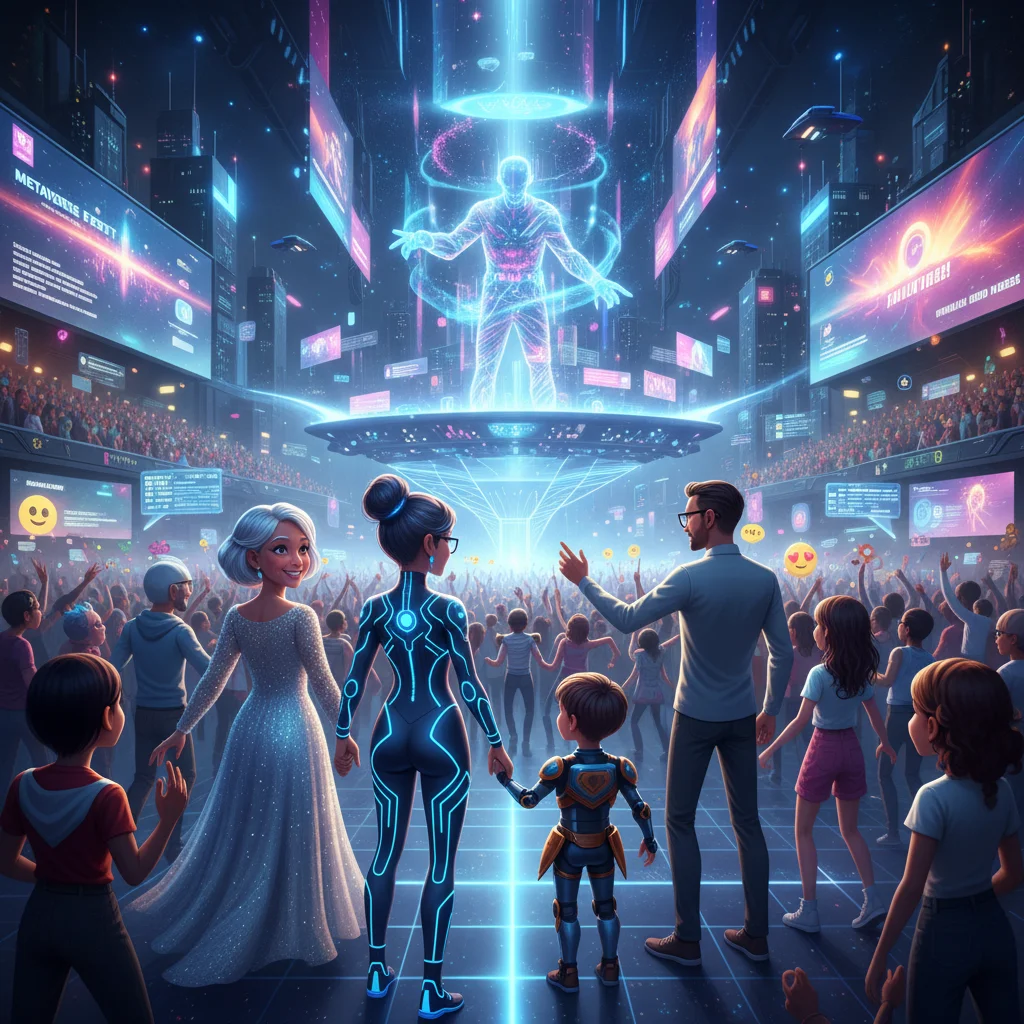
The entertainment and arts industries are natural fits for the metaverse, and by 2026, their presence in these virtual worlds will be undeniable. Virtual concerts, already gaining traction, will become more elaborate and common, offering fans unique interactive experiences that transcend the limitations of physical venues. Digital art galleries will showcase NFTs and other virtual creations, allowing artists to reach global audiences and experiment with new forms of expression. Immersive storytelling, combining elements of gaming, film, and interactive theater, will emerge as a powerful new medium.
Beyond entertainment, the metaverse will become a vibrant space for cultural preservation and exploration. Historical sites could be digitally recreated, allowing people to explore ancient wonders from anywhere in the world. Indigenous cultures could share their stories and traditions in immersive environments, fostering greater understanding and appreciation. Museums could offer virtual tours and interactive exhibits, making their collections accessible to a wider audience. This has the potential to enrich the cultural landscape of metaverse American society, offering unparalleled opportunities for engagement with diverse forms of artistic and cultural heritage.
However, the commercialization of culture within the metaverse raises ethical questions. Who owns digital cultural assets? How do we ensure equitable access to these experiences, preventing a scenario where cultural engagement becomes a luxury? The potential for cultural appropriation and the need for respectful representation of diverse cultures within these virtual spaces will also require careful attention. Safeguarding intellectual property rights for artists and creators in a rapidly evolving digital landscape will be crucial to fostering a thriving and ethical metaverse arts and culture scene.
Ethical Considerations and Societal Challenges
As the metaverse integrates more deeply into American society, a host of ethical considerations and societal challenges will come to the forefront. Privacy and data security are paramount concerns. The sheer volume of data generated by users in immersive environments – from biometric data to behavioral patterns – will be immense, raising questions about how this data is collected, stored, used, and protected. Robust regulatory frameworks and transparent data governance policies will be essential to build trust and prevent misuse.
Digital identity and ownership will also be complex issues. How do we verify identities in the metaverse? What are the legal implications of owning virtual assets, and how are disputes resolved? The potential for scams, fraud, and cybercrime within these new digital frontiers will necessitate advanced security measures and legal recourse. Moreover, the psychological impact of prolonged immersion in virtual worlds, including potential issues of addiction, body image concerns related to avatars, and the blurring of lines between reality and simulation, will require ongoing research and public health initiatives.
Addressing digital equity and inclusion will be critical. If the metaverse is to truly benefit all of metaverse American society, access to the necessary hardware, internet connectivity, and digital literacy skills must be widespread. Without proactive measures, the metaverse could exacerbate existing social and economic divides, creating a new form of digital disenfranchisement. Governments, tech companies, and civil society organizations will need to collaborate to ensure that the metaverse is developed and deployed in a way that is accessible, inclusive, and beneficial for everyone, not just a select few. The development of ethical AI within metaverse platforms, designed to prevent bias and promote fairness, will also be a crucial aspect of responsible development.
Government and Governance in the Virtual Realm
The advent of the metaverse will inevitably necessitate new approaches to governance and regulation. Existing laws and policies, largely designed for the physical world, may not adequately address the complexities of virtual environments. By 2026, American policymakers will likely be grappling with questions related to jurisdiction in the metaverse: whose laws apply when a virtual crime is committed across international servers? How are digital rights enforced? What role do governments play in regulating virtual economies and digital currencies?
Furthermore, the metaverse could serve as a new platform for civic engagement and governance. Imagine virtual town halls where citizens can interact with their representatives in immersive environments, or digital voting booths that offer enhanced security and accessibility. While these applications hold promise, they also bring challenges related to digital security, voter verification, and the potential for manipulation or propaganda within virtual spaces. The balance between fostering innovation and ensuring public safety and democratic integrity will be a continuous tightrope walk for regulatory bodies. The need for international cooperation on metaverse governance will also become increasingly apparent, as virtual worlds inherently transcend national borders.
The development of decentralized autonomous organizations (DAOs) within the metaverse could also challenge traditional governance structures, offering new models of community-led decision-making. While these decentralized models offer potential for greater transparency and user empowerment, they also introduce complexities regarding accountability and dispute resolution. The integration of the metaverse into metaverse American society will require a dynamic and adaptive legal and regulatory framework that can evolve alongside the technology, protecting users while fostering innovation and growth.
The Future Outlook: Beyond 2026
While 2026 marks a significant milestone in the metaverse’s integration into American society, it is merely a stepping stone in a much longer journey. Beyond this timeframe, we can expect the metaverse to become even more indistinguishable from physical reality, with advancements in haptic feedback, neuro-interfaces, and artificial intelligence creating truly seamless immersive experiences. The lines between our digital and physical lives will continue to blur, leading to profound philosophical and existential questions about the nature of reality, identity, and consciousness.
The long-term cultural footprint of the metaverse could include a permanent shift in how we define human connection, community, and even what it means to be human. As our digital avatars become more sophisticated and our virtual interactions more meaningful, the distinction between our online and offline selves may diminish. This could lead to new forms of social stratification based on digital influence or access to premium virtual experiences. The societal implications of such a future are enormous, demanding careful foresight and ethical planning from all stakeholders.
Ultimately, the trajectory of the metaverse’s impact on metaverse American society is not predetermined. It will be shaped by the choices made by developers, policymakers, educators, and individual users. By proactively addressing the challenges and harnessing the opportunities, American society can steer the development of the metaverse towards a future that is inclusive, empowering, and enriching for all. The next few years will be crucial in laying the groundwork for this transformative digital era, and understanding these early trends is paramount for navigating the evolving cultural landscape.
Conclusion: Navigating the Metaverse’s Evolving Cultural Landscape
The metaverse is not a distant fantasy; it is an emerging reality that is rapidly shaping the cultural landscape of American society. By 2026, its influence will be felt across every major sector: social interaction, work, education, entertainment, and even governance. While the potential for innovation, connection, and economic growth is immense, so too are the challenges related to privacy, equity, and psychological well-being. The cultural footprint of the metaverse will be dynamic, constantly evolving as technology advances and societal norms adapt.
For individuals, businesses, and policymakers, understanding these shifts is not just about staying ahead of the curve; it’s about actively participating in the shaping of our digital future. Embracing the opportunities while vigilantly addressing the ethical and societal challenges will be key to ensuring that the metaverse serves as a force for good. The ongoing dialogue, research, and collaborative efforts across various sectors will be essential in navigating this new frontier. The future of metaverse American society is being built now, one virtual interaction at a time, and its cultural implications are too significant to ignore.
Related Posts: