Live Experiences Resurgence: American Entertainment 2026 Insights
Discover the powerful comeback of live experiences in American entertainment by 2026. Uncover key insights, technological advancements, and evolving consumer preferences driving this significant industry shift.
By: Emilly Correa on April 6, 2026
Last updated on: July 28, 2026
Live Experiences Resurgence: American Entertainment 2026 Insights
Beyond the Screen: The Resurgence of Live Experiences in American Entertainment by 2026 (INSIDER KNOWLEDGE)
The landscape of American entertainment is in constant flux, a vibrant tapestry woven from technological innovation, evolving consumer desires, and a deep-seated human need for connection. For years, digital platforms have dominated, offering unparalleled convenience and access to a seemingly endless array of content. However, as we look towards 2026, a significant shift is not just anticipated but already underway: the profound live experiences resurgence. This isn’t merely a bounce-back from pandemic-induced shutdowns; it’s a fundamental re-evaluation of what entertainment means, driven by a yearning for authenticity, shared moments, and tangible engagement that only live events can provide.
This article delves deep into the insider knowledge surrounding this phenomenon, exploring the multifaceted drivers behind the renewed appetite for live entertainment, the innovative ways the industry is responding, and what consumers can expect as the theatrical, musical, sporting, and experiential sectors redefine themselves for a new era. We’ll examine how technology, far from being a competitor, is becoming an enhancer, creating hybrid experiences that blur the lines between the physical and the digital. We’ll also dissect the critical role of personalization, sustainability, and community building in shaping the future of live events across the United States. The live experiences resurgence is more than a trend; it’s a paradigm shift.
The Irresistible Pull of Authenticity: Why Live Experiences Are Back
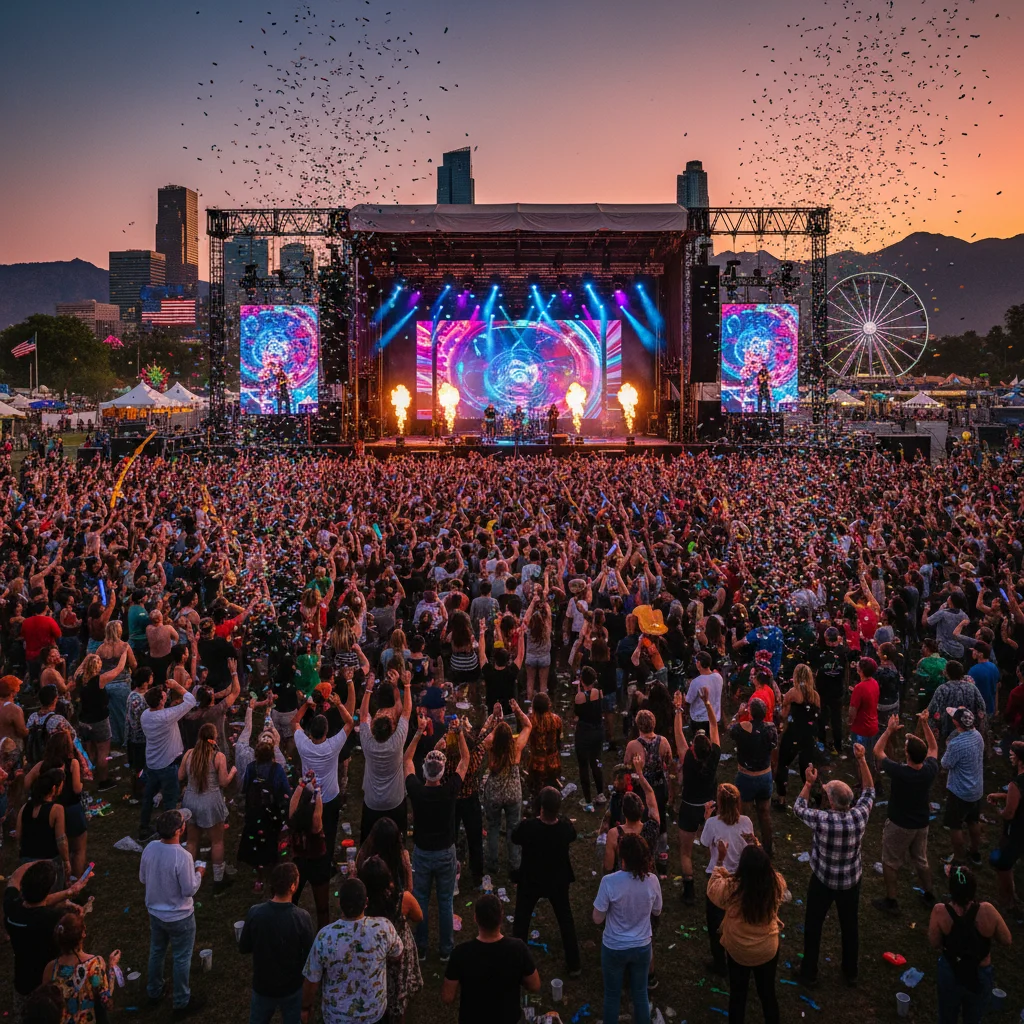
In an increasingly digital world, the allure of the authentic and the unscripted has grown exponentially. Screen fatigue is a real phenomenon, and while streaming services offer comfort and variety, they often lack the visceral impact of a live performance. The energy of a crowd, the spontaneous applause, the shared gasp, the collective roar – these are elements that cannot be replicated through a screen, no matter how high-definition. This innate human desire for genuine, unmediated interaction is a primary catalyst for the live experiences resurgence.
Consumers, particularly younger demographics, are actively seeking out opportunities to create lasting memories and engage with their passions in a tangible way. They crave stories they can be a part of, not just passively observe. This translates into a demand for immersive theater, interactive art installations, fan conventions that offer unique access, and concerts where the artist’s raw talent is undeniably present. The value proposition of a live experience has shifted from mere consumption to active participation and emotional resonance. This emotional connection is a cornerstone of the emerging landscape, driving both demand and innovation within the sector.
Furthermore, the shared experience aspect of live events plays a crucial psychological role. In an era where social connections can feel fragmented by digital interactions, attending a live event offers a powerful sense of community and belonging. Whether it’s cheering for a favorite sports team, singing along with thousands at a concert, or collectively marveling at a theatrical spectacle, these moments forge bonds and create shared narratives that enrich individual lives and strengthen social fabric. This communal aspect is a vital component of the appeal of the live experiences resurgence.
Technological Evolution: Enhancing, Not Replacing, the Live Event
While technology might seem like the antithesis of live experiences, it is, in fact, proving to be one of its greatest allies. The future of live entertainment isn’t about choosing between digital and physical; it’s about seamlessly integrating the two to create richer, more accessible, and more personalized experiences. By 2026, we will see an even greater adoption of technologies that augment the live event, rather than detract from it.
Augmented Reality (AR) and Virtual Reality (VR) Integration
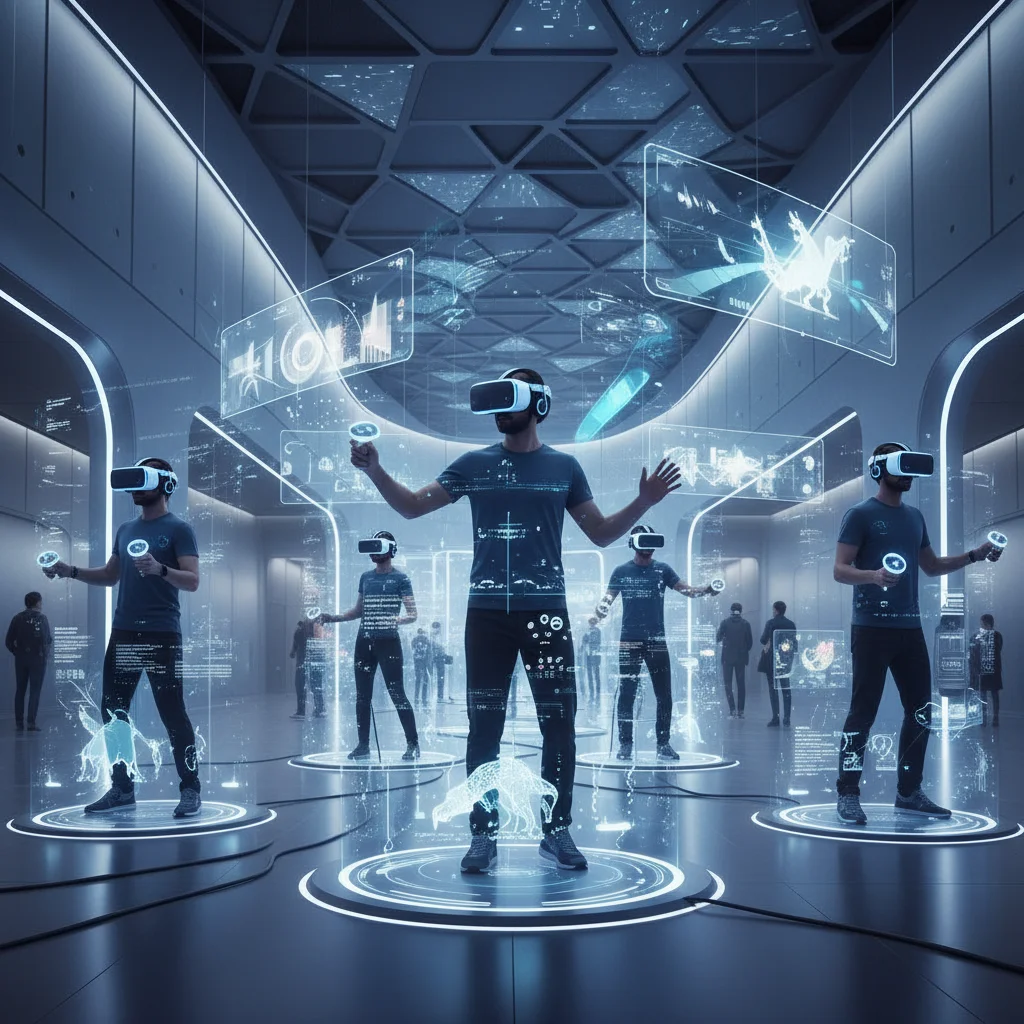
AR and VR are rapidly moving beyond novelty into practical application within live events. Imagine attending a concert where AR overlays provide real-time information about the band, interactive visual effects synchronized with the music, or even personalized messages from the artist appearing on your device. VR, while perhaps not for the main event itself, can offer unparalleled behind-the-scenes access, pre-show immersive narratives, or even remote attendance options for those unable to be physically present, creating a hybrid model that expands reach without diminishing the core live experience. This convergence is key to the live experiences resurgence.
Interactive Elements and Gamification
The days of passive observation are fading. Audiences increasingly expect to interact with the content and environment. Event organizers are leveraging technology to introduce gamified elements, audience polling, real-time feedback systems, and personalized content delivery. Think of sports arenas where fans can vote on in-game decisions, or theatrical productions where audience choices influence the narrative. These interactive layers deepen engagement and transform attendees from spectators into active participants, fueling the live experiences resurgence.
Smart Venues and Personalized Experiences
Venues themselves are becoming smarter, equipped with IoT sensors and AI-driven analytics to optimize everything from crowd flow and security to concession efficiency. This data can also be used to personalize the attendee journey, offering tailored recommendations for food and beverage, merchandise, or even future events based on individual preferences. From digital ticketing that streamlines entry to cashless payments and personalized wayfinding apps, technology is making the live experience smoother, more convenient, and more enjoyable from start to finish. This focus on individual journeys is a significant driver of the live experiences resurgence.
The Rise of Experiential Entertainment and Immersive Storytelling
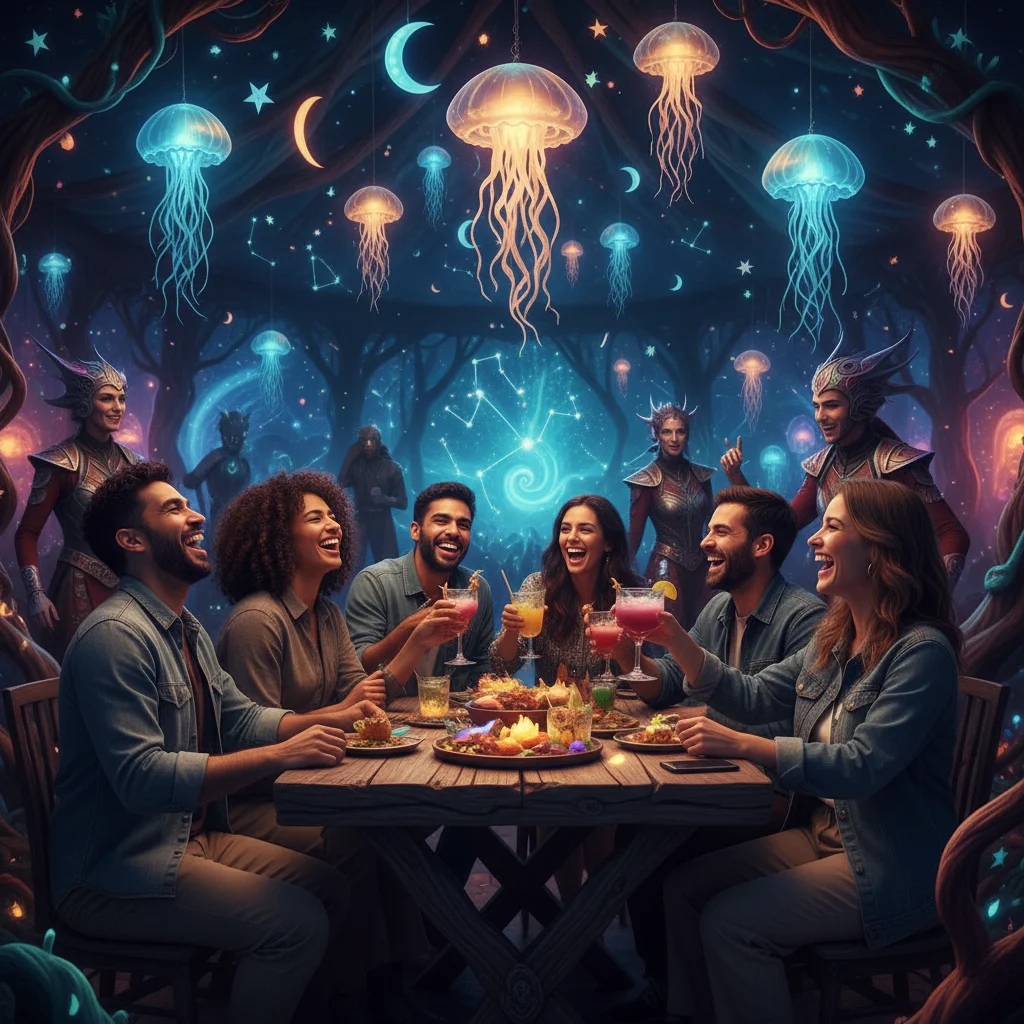
Beyond traditional concerts and sporting events, a significant driver of the live experiences resurgence is the explosion of experiential entertainment. This category encompasses everything from pop-up museums and themed dining experiences to escape rooms, immersive art installations, and elaborate theatrical productions that break the fourth wall. These events often prioritize narrative, sensory engagement, and active participation, offering a multi-dimensional escape from the everyday.
Immersive Theater and Narrative Experiences
The success of productions like ‘Sleep No More’ has paved the way for a new wave of immersive theater where audiences are free to explore, interact with performers, and shape their own narrative journey. By 2026, these experiences will become even more sophisticated, incorporating advanced technology, intricate set designs, and highly trained actors to create truly transportive worlds. The demand for these unique, unrepeatable moments is high, as they offer a deeper level of engagement than traditional storytelling formats. This genre is a prime example of the live experiences resurgence.
Pop-Up Attractions and Themed Environments
Temporary, highly curated pop-up attractions are also gaining immense popularity. These can range from brand activations designed to create buzz and foster community around a product, to elaborate themed dining experiences, or art exhibits that are designed for maximum shareability on social media. Their ephemeral nature creates a sense of urgency and exclusivity, driving demand. These events are often designed with Instagrammability in mind, recognizing that social sharing extends the life and reach of the live experience, further contributing to the live experiences resurgence.
Sustainability and Social Impact: Key Considerations for 2026
As the live experiences resurgence gains momentum, so too does the industry’s responsibility to operate sustainably and with a positive social impact. Consumers, particularly Gen Z and millennials, are increasingly conscious of the environmental footprint of events and the ethical practices of the organizations they support. Event organizers are responding by adopting greener practices and integrating social responsibility into their core operations.
Eco-Friendly Event Planning
By 2026, sustainable event planning will move from a niche concern to a standard practice. This includes minimizing waste through recycling and composting programs, sourcing local and organic food, reducing energy consumption through renewable sources and efficient lighting, and promoting public transportation or carpooling to events. Venues are investing in green infrastructure, and festivals are implementing comprehensive sustainability strategies, recognizing that environmental stewardship is not just good for the planet but also good for business and attendee perception. This commitment to sustainability is integral to the long-term success of the live experiences resurgence.
Community Engagement and Accessibility
Beyond environmental concerns, the social impact of live events is also under scrutiny. Events are increasingly designed to be inclusive and accessible to all, regardless of physical ability, socioeconomic status, or background. This means ensuring ADA compliance, offering tiered pricing options, and actively engaging with local communities through partnerships, job creation, and cultural programming. The goal is to create spaces where everyone feels welcome and valued, fostering a sense of shared community that extends beyond the event itself. This focus on inclusivity is a powerful aspect of the live experiences resurgence.
The Economic Ripple Effect of the Live Experiences Resurgence
The return and growth of live experiences have a significant economic impact, extending far beyond ticket sales. This resurgence fuels local economies, supports a vast ecosystem of related industries, and creates numerous job opportunities. Understanding this broader economic context is crucial to appreciating the full scope of the live experiences resurgence.
Tourism and Local Business Boost
Major live events – whether a touring Broadway show, a large-scale music festival, or a championship sporting event – often draw visitors from out of town, leading to substantial boosts in tourism. These visitors spend money on hotels, restaurants, local transportation, retail, and other attractions, injecting vital revenue into local economies. Small businesses, in particular, benefit from the increased foot traffic and demand for services. Cities and regions are increasingly recognizing the economic power of live events and are actively investing in infrastructure and marketing to attract them, viewing them as key drivers of economic development and community vibrancy. This symbiotic relationship between events and local economies is a cornerstone of the live experiences resurgence.
Job Creation Across Diverse Sectors
The live entertainment industry is a significant employer, creating jobs across a wide spectrum of professions. This includes artists, performers, musicians, stagehands, technicians, event planners, security personnel, marketing professionals, hospitality staff, and many more. The live experiences resurgence means more opportunities for both established professionals and emerging talent. Furthermore, the growth of experiential and immersive events requires specialized skill sets in areas like interactive design, virtual reality development, and complex logistics, fostering innovation and new career paths within the creative economy. The demand for these specialized roles is only expected to grow as the industry continues its expansion.
Investment in Infrastructure and Innovation
To accommodate the growing demand for live experiences, there’s a renewed focus on investing in and upgrading venues. This includes everything from renovating historic theaters to building state-of-the-art arenas and developing flexible, multi-purpose event spaces. These investments often incorporate the latest in sound, lighting, and digital display technologies, as well as improved accessibility features and sustainable design. The competition among cities to host major events also drives innovation in urban planning and public services, creating a positive feedback loop that benefits residents and visitors alike. This infrastructural development is a testament to the long-term commitment behind the live experiences resurgence.
Challenges and Opportunities on the Horizon for 2026
While the outlook for the live experiences resurgence is overwhelmingly positive, the industry is not without its challenges. Addressing these issues proactively will be key to sustaining growth and ensuring long-term success.
Ticket Pricing and Accessibility
One persistent challenge is the rising cost of tickets, which can price out a significant portion of the potential audience. Finding a balance between fair pricing for artists and organizers, and ensuring accessibility for diverse income levels, remains crucial. Innovations in dynamic pricing, subscription models, and lottery systems could help mitigate this issue. Furthermore, combating ticket scalping and ensuring fair access for genuine fans is an ongoing battle that requires technological solutions and regulatory oversight. Ensuring broad access is vital for the sustained health of the live experiences resurgence.
Security and Safety Concerns
In an era of heightened global awareness, the security and safety of attendees at large gatherings are paramount. Event organizers are continually investing in advanced security measures, crowd management technologies, and emergency preparedness protocols. The challenge lies in implementing robust security without creating an overly restrictive or unwelcoming atmosphere. Balancing safety with the desire for a free and enjoyable experience will continue to be a top priority for all involved in the live experiences resurgence.
Leveraging Data for Future Growth
The increasing digitalization of live events, from ticketing to in-venue purchases, generates vast amounts of data. The opportunity lies in effectively analyzing this data to understand attendee preferences, optimize event design, personalize marketing efforts, and predict future trends. However, this also comes with the responsibility of ensuring data privacy and ethical usage. Companies that can effectively leverage data to enhance the fan experience while maintaining trust will be at the forefront of the live experiences resurgence.
The Enduring Power of Connection: A Concluding Thought
The live experiences resurgence by 2026 is not merely a forecast; it’s a reflection of fundamental human needs. In a world that often feels increasingly fragmented and mediated, the desire for direct, unscripted, and shared moments of joy, wonder, and connection remains as strong as ever. The American entertainment industry is proving adept at marrying tradition with innovation, leveraging technology to amplify rather than replace the magic of being there. From the roar of the stadium crowd to the intimacy of an immersive play, live experiences offer something profoundly valuable: the chance to truly live in the moment, together.
As we move towards 2026, expect to see a continued explosion of creativity, technological integration, and a renewed focus on attendee well-being and environmental responsibility. The future of American entertainment is bright, dynamic, and undeniably live. This enduring power of connection is what truly drives the live experiences resurgence, promising an exciting and engaging future for audiences across the nation.
Emilly Correa has a degree in journalism and a postgraduate degree in Digital Marketing, specializing in Content Production for Social Media. With experience in copywriting and blog management, she combines her passion for writing with digital engagement strategies. She has worked in communications agencies and now dedicates herself to producing informative articles and trend analyses.