In the rapidly evolving landscape of 2026, understanding how Generation Z communicates is no longer just an advantage; it’s a necessity. This demographic, born roughly between 1997 and 2012, has never known a world without the internet, smartphones, and social media. Their inherent digital fluency shapes not only their personal interactions but also their expectations in educational, social, and professional environments. For businesses, educators, and even families, decoding Gen Z’s digital communication patterns is paramount to fostering effective engagement, collaboration, and mutual understanding. As the oldest members of Gen Z solidify their presence in the workforce and society, their unique communication styles are redefining norms and challenging traditional approaches.
The term Gen Z communication strategies encapsulates a proactive approach to engaging with this digitally native generation. It’s about moving beyond assumptions and delving into the nuances of their preferred platforms, messaging styles, and content consumption habits. This article will provide five insider strategies, offering actionable insights to bridge generational gaps and optimize interactions with Gen Z. We will explore how their reliance on visual content, concise messaging, authenticity, and a multi-platform approach impacts everything from marketing campaigns to internal team dynamics. By understanding these core tenets, we can cultivate environments where all generations can thrive together, leveraging the strengths of each.
The digital world is Gen Z’s natural habitat. They are constantly connected, consuming information at an unprecedented speed, and communicating in ways that can sometimes feel alien to older generations. From TikTok to Discord, Instagram to Twitch, their communication channels are diverse and often hyper-specific to their interests and communities. This isn’t just about using new apps; it’s about a fundamentally different approach to information exchange, relationship building, and self-expression. Ignoring these shifts is to risk irrelevance; embracing them opens doors to innovation and deeper connections. Let’s dive into the strategies that will empower you to effectively implement Gen Z communication strategies in 2026 and beyond.
1. Embrace Visual-First and Multi-Platform Messaging
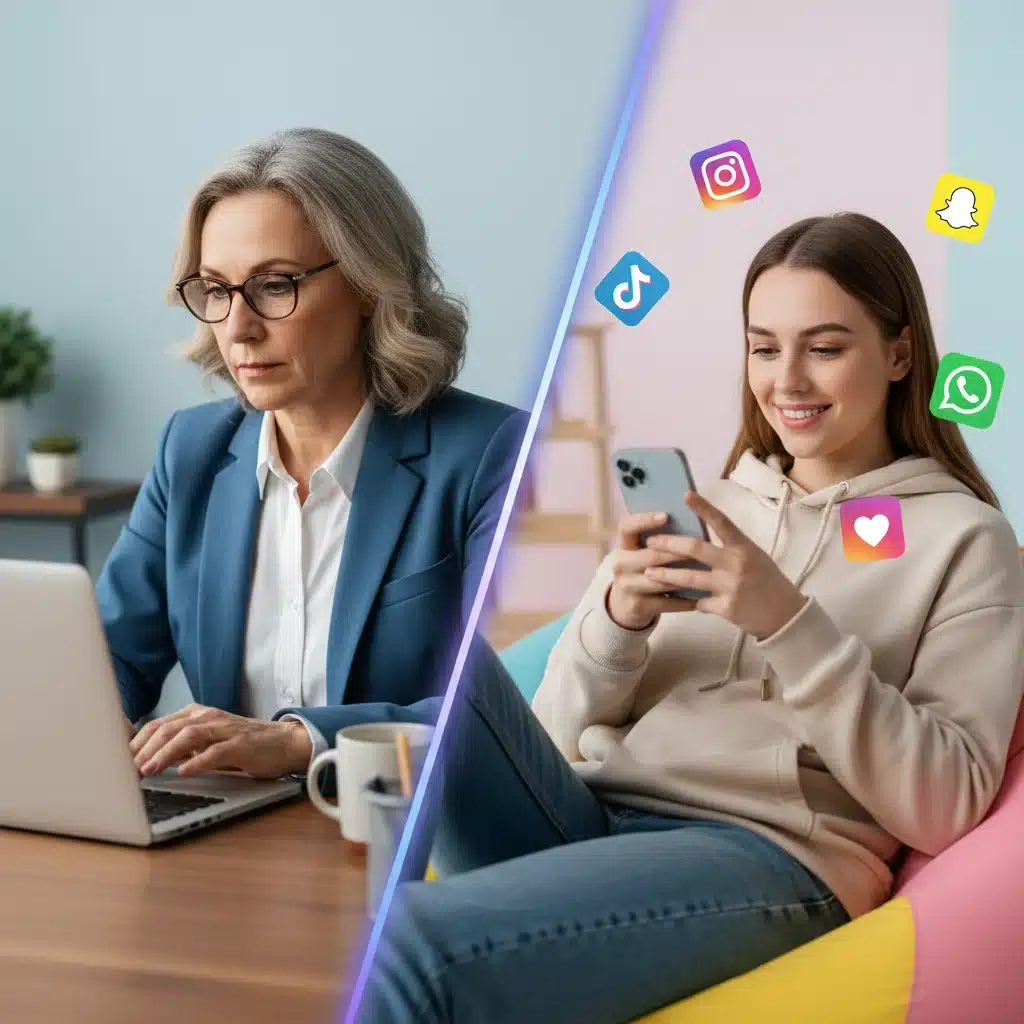
Gen Z lives in a visual world. Text-heavy emails or lengthy documents often get skimmed, if not ignored entirely. Their consumption habits are heavily influenced by platforms like TikTok, Instagram, and YouTube, where short-form video, engaging graphics, and memes are the primary modes of expression. To effectively implement Gen Z communication strategies, you must shift towards a visual-first approach. This means prioritizing images, infographics, short videos, and dynamic presentations over dense blocks of text. Think about how information can be conveyed quickly and impactfully through visuals, making it digestible and engaging for a generation accustomed to rapid content consumption.
Furthermore, Gen Z is inherently multi-platform. They don’t stick to one app or one mode of communication. A conversation might start on Instagram DMs, move to a quick text, involve a voice note, and conclude with a shared link on Discord. For organizations and individuals aiming to connect, this means being present and adaptable across various channels. It’s not about being on every single platform, but understanding where your specific Gen Z audience congregates and tailoring your message to fit that platform’s native style. A formal announcement might be an email, but a quick update or call for engagement could be a short video on a team communication app or a story on a relevant social platform. This adaptability is a cornerstone of effective Gen Z communication strategies.
Consider the rise of ephemeral content – stories that disappear after 24 hours. This format resonates deeply with Gen Z’s desire for authenticity and real-time updates without the pressure of permanent curation. Integrating such formats, where appropriate, can make your communication feel more natural and less performative. For instance, a quick behind-the-scenes video or a poll on a team messaging platform can foster a sense of inclusion and transparency that a formal memo might miss. The key is to be agile and willing to experiment with different visual and platform-specific approaches to maximize engagement and ensure your message truly lands with this generation.
2. Prioritize Authenticity and Transparency
Gen Z has a finely tuned BS detector. They grew up in an era of curated online personas and marketing hype, making them highly skeptical of anything that feels inauthentic or overly polished. For successful Gen Z communication strategies, authenticity and transparency are non-negotiable. They value genuine interactions, honest feedback, and a clear understanding of intentions. This means moving away from corporate jargon and overly formal language in favor of a more direct, human, and relatable tone.
When communicating with Gen Z, whether it’s about company values, project updates, or personal feedback, strive for honesty, even when the news isn’t ideal. They appreciate leaders and peers who are upfront about challenges, admit mistakes, and are willing to have open conversations. This builds trust, which is the bedrock of any strong relationship, professional or personal. Avoid sugarcoating or presenting an overly perfect image; instead, show vulnerability and a willingness to engage in real dialogue. This doesn’t mean sacrificing professionalism, but rather redefining what professionalism looks like in a digitally native context.
Transparency also extends to purpose. Gen Z is a purpose-driven generation, deeply concerned with social and environmental issues. When communicating organizational goals or initiatives, connect them to a larger purpose. Explain the ‘why’ behind decisions and how their contributions fit into the bigger picture. This resonates with their values and motivates them to engage more deeply. For example, instead of just stating a new company policy, explain the problem it solves and the positive impact it aims to achieve. This level of transparency fosters a sense of shared mission and empowers Gen Z individuals to feel like valued contributors rather than just cogs in a machine. Building these genuine connections is a critical component of effective Gen Z communication strategies.
3. Master the Art of Concise and Direct Messaging
Attention spans are a precious commodity in the digital age, and Gen Z has been conditioned by algorithms that reward brevity and immediate gratification. This means that communication with them must be concise, direct, and to the point. Long emails with multiple paragraphs or drawn-out meetings without clear agendas are likely to lose their attention quickly. Effective Gen Z communication strategies demand that you distill your message to its core essence, delivering it efficiently and clearly.
Think in terms of micro-content. Can your message be conveyed in a few bullet points, a short video clip, or even an emoji? While not every communication can be reduced to this level, the principle of brevity should always be applied. When writing, use clear, active language, avoid unnecessary jargon, and get straight to the main idea. If more detail is required, consider providing it as an optional attachment or a linked resource, rather than embedding it directly in the primary message. This respects their time and allows them to access information at their own pace, rather than forcing them to wade through irrelevant details.
Moreover, directness is not rudeness; it’s efficiency. Gen Z often prefers direct questions and clear calls to action. Ambiguity can lead to confusion and frustration. When delegating tasks, be explicit about expectations, deadlines, and desired outcomes. When providing feedback, be specific and actionable. This direct approach reduces misinterpretation and fosters a more productive exchange. It also aligns with their preference for immediate feedback and continuous learning, often facilitated through quick check-ins rather than annual reviews. Mastering concise and direct messaging is a fundamental pillar of successful Gen Z communication strategies, ensuring that your message is not only heard but also understood and acted upon.
4. Leverage Interactive and Collaborative Tools
Growing up with interactive digital experiences, Gen Z expects communication to be a two-way street, not a monologue. They are comfortable with and prefer collaborative tools that allow for real-time input, shared creation, and dynamic discussion. To truly connect, Gen Z communication strategies must incorporate these interactive elements, moving beyond static forms of information dissemination to more engaging, participatory methods.
Consider the tools they use: Google Docs, Slack, Discord, Miro, Trello, and various project management software. These platforms facilitate shared workspaces, instant messaging, and asynchronous collaboration, allowing team members to contribute at their convenience. Instead of simply sending out a document for review, create a shared document where everyone can comment, suggest edits, and see changes in real-time. This not only speeds up processes but also fosters a sense of ownership and collective contribution.
Beyond traditional collaboration tools, think about integrating interactive elements into presentations or training sessions. Polls, Q&A sessions, live chat features, and even gamified elements can significantly boost engagement. For example, instead of a lengthy lecture, break it down into shorter segments interspersed with interactive quizzes or discussion prompts. This keeps Gen Z actively involved and allows for immediate feedback and clarification, catering to their desire for dynamic learning and participation. Embracing these tools is not just about adopting new technology; it’s about fostering a culture of active engagement and co-creation that resonates deeply with Gen Z’s communication preferences. This proactive integration of interactive and collaborative tools is crucial for effective Gen Z communication strategies.

5. Foster a Culture of Empathy and Inclusivity
While technology drives many of Gen Z’s communication habits, the underlying human need for connection and understanding remains paramount. This generation is highly attuned to social justice, diversity, and mental well-being. Therefore, any successful set of Gen Z communication strategies must be built upon a foundation of empathy and inclusivity. This means being mindful of language, respecting diverse perspectives, and creating safe spaces for expression.
Empathy in communication means actively listening and trying to understand their experiences and viewpoints, even if they differ from your own. Gen Z often expresses themselves in nuanced ways, sometimes through memes, indirect references, or specific cultural touchstones. Taking the time to understand these references, or simply asking for clarification in a non-judgmental way, can go a long way in building rapport. It also means being aware of the pressures they face, from climate anxiety to digital burnout, and approaching conversations with sensitivity and support.
Inclusivity translates into creating communication environments where everyone feels safe to speak up and be heard. This involves actively inviting diverse voices, ensuring that communication channels are accessible to all, and being vigilant against exclusionary language or behaviors. For instance, if you’re holding a virtual meeting, ensure that everyone has an opportunity to contribute, perhaps by using a chat function for questions or breaking into smaller discussion groups. Acknowledge and celebrate different backgrounds and experiences, making it clear that all perspectives are valued. This commitment to empathy and inclusivity not only strengthens communication but also builds a more cohesive and resilient community, whether in a workplace, educational setting, or social group. These human-centered approaches are as vital as the technological ones when developing strong Gen Z communication strategies.
Conclusion: Bridging the Generational Divide for a Connected Future
The digital native generation, Gen Z, is not just changing how we communicate; they are fundamentally reshaping the expectations of communication itself. Their reliance on visual content, preference for authentic and transparent interactions, demand for concise messaging, comfort with interactive tools, and deep-seated values of empathy and inclusivity are powerful forces that older generations must learn to navigate. By consciously implementing these five insider Gen Z communication strategies, we can move beyond mere coexistence to truly collaborative and enriching relationships.
Bridging generational gaps is not about one generation completely adapting to the other; it’s about mutual understanding and finding common ground. For Gen Z, it means recognizing the value of established communication protocols and the wisdom of experience. For older generations, it means embracing new modalities, letting go of rigid traditions, and appreciating the innovative spirit and digital prowess that Gen Z brings to the table. The future of effective communication, especially in dynamic environments like the modern workplace, depends on this reciprocal effort.
As we look towards 2026 and beyond, the ability to decode and adapt to Gen Z’s digital communication styles will be a significant competitive advantage. Organizations that master these strategies will be better positioned to attract and retain top talent, foster innovation, build stronger teams, and connect more authentically with their customers and stakeholders. The insights shared here are not just tips; they are a roadmap to a more connected, understanding, and productive future where all generations can communicate effectively and thrive together. Embracing these Gen Z communication strategies is an investment in the future of human connection.