Authenticity Revolution: Social Media Trends 2026 US
The landscape of social media is undergoing a profound shift towards authenticity. This article delves into how US users are driving this change in 2026, and what it means for engagement, content creation, and brand strategies.
By: Matheus Neiva on October 2, 2026
Authenticity Revolution: Social Media Trends 2026 US
How ‘Authenticity’ is Reshaping Social Media in 2026: A Deep Dive into US User Behavior
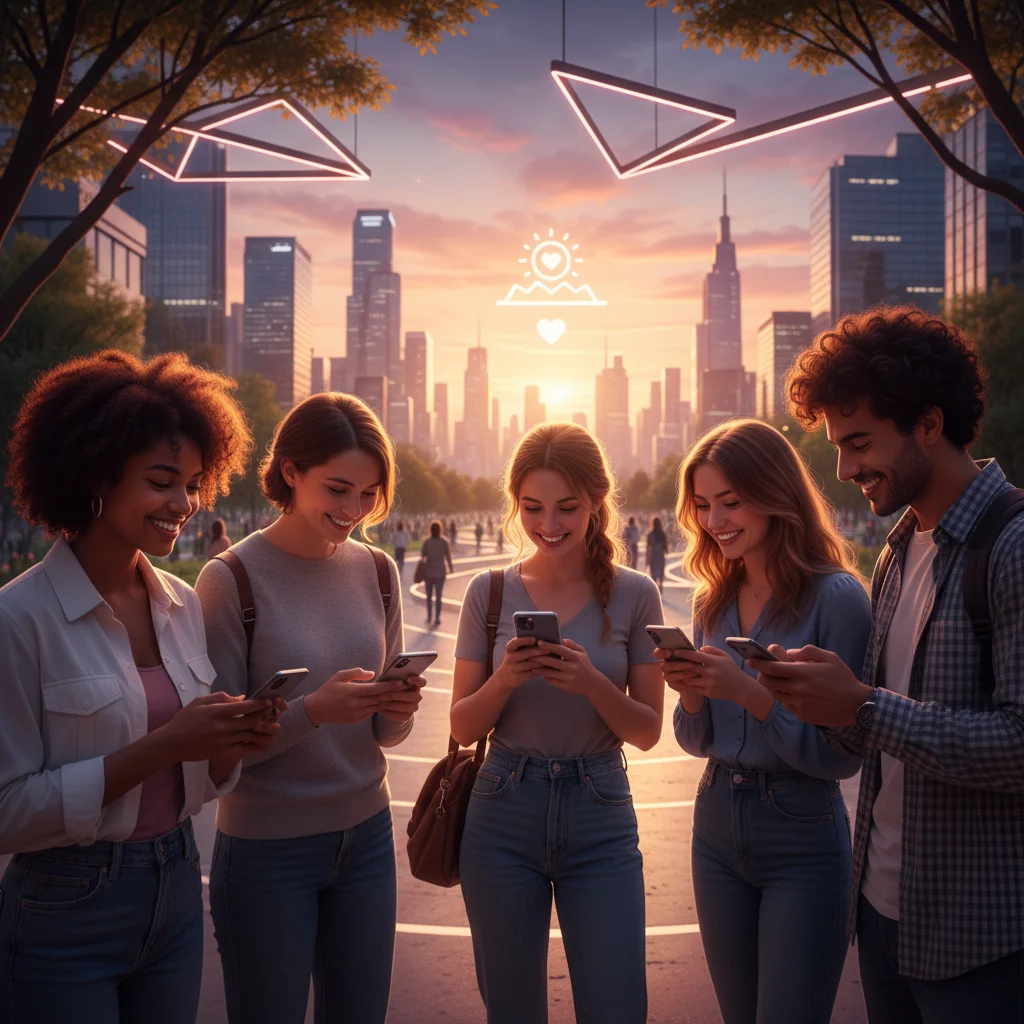
The digital world is in constant flux, but few shifts have been as profound and pervasive as the current demand for Authentic Social Media. As we navigate 2026, the United States user base is unequivocally signaling a departure from the polished, often unrealistic portrayals that once dominated platforms. This isn’t just a fleeting trend; it’s a fundamental recalibration of expectations, driven by a collective yearning for genuine connection, transparency, and relatability. For brands, content creators, and everyday users alike, understanding this authenticity revolution is not merely advantageous – it’s imperative for survival and success in the evolving digital landscape.
The Genesis of the Authenticity Movement
To truly grasp the significance of Authentic Social Media in 2026, we must first understand its origins. For years, social media was a highlight reel, a curated facade where users presented their best, often idealized, selves. This led to an era of ‘perfection paralysis,’ where the pressure to maintain an immaculate online persona became overwhelming. The rise of filters, airbrushing, and aspirational content, while initially engaging, eventually fostered a sense of disconnect and even anxiety among users. Studies from the early 2020s consistently showed growing fatigue with this manufactured reality, particularly among younger demographics who had grown up with social media and were becoming increasingly discerning.
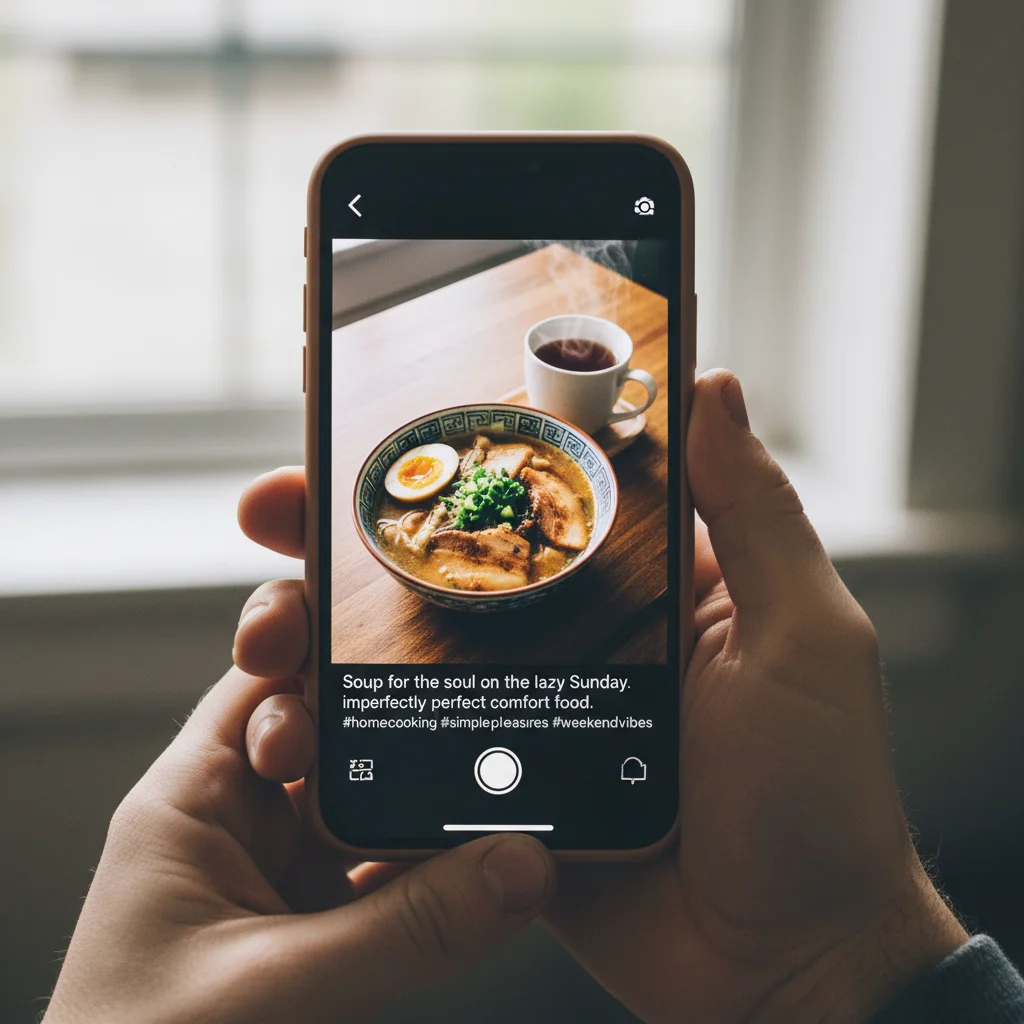
The COVID-19 pandemic inadvertently accelerated this shift. Confined to their homes, people found solace in raw, unedited content that reflected their shared experiences. The perfect vacation photos gave way to relatable struggles, home-cooked meals (sometimes burnt), and candid moments of everyday life. This period normalized imperfection and vulnerability, paving the way for the robust demand for Authentic Social Media we observe today. Users began to actively seek out content that felt real, that mirrored their own lives, and that offered genuine human connection rather than aspirational fantasy.
Key Drivers of Authenticity Among US Social Media Users
Several factors are fueling the US user base’s strong preference for Authentic Social Media:
1. Fatigue with Perfection and Comparison Culture
The constant bombardment of idealized images and narratives led to widespread comparison culture, contributing to mental health issues like anxiety and depression. Users are now actively seeking spaces and content that alleviate this pressure, preferring raw honesty over manufactured flawlessness. They want to see real bodies, real lives, and real struggles, not just the highlights.
2. Increased Media Literacy and Skepticism
Today’s social media users, especially Gen Z and younger millennials, are more media-literate than ever. They can easily spot sponsored content, identify heavily edited photos, and discern genuine interactions from staged ones. This heightened skepticism means that anything perceived as inauthentic is quickly dismissed or, worse, met with backlash. Transparency has become a non-negotiable.
3. The Rise of Micro-Influencers and Niche Communities
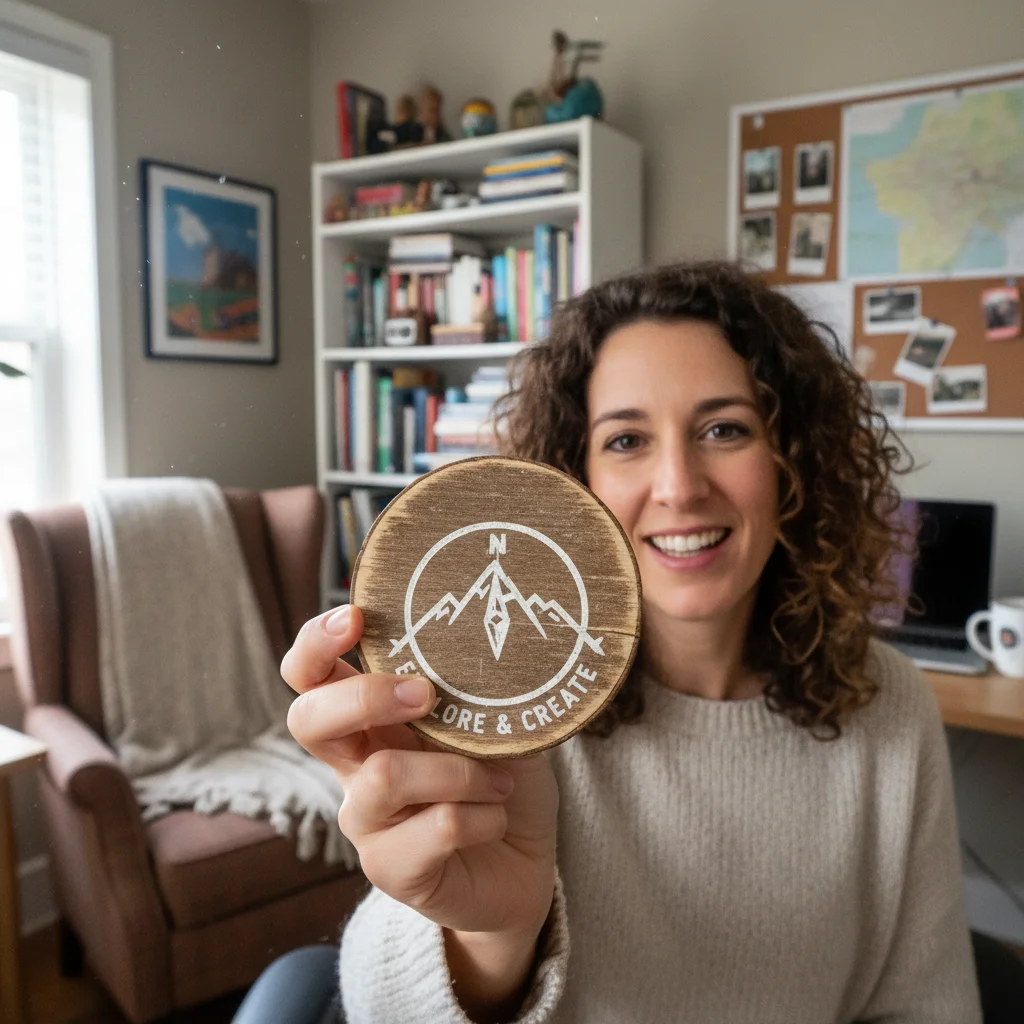
While mega-influencers often maintain a highly polished image, the growth of micro-influencers has championed authenticity. These creators often build their communities on shared interests and genuine interactions, fostering a sense of trust and relatability that larger accounts struggle to replicate. Their content often feels more personal, less commercial, and ultimately, more authentic.
4. Platform Evolution and Features
Social media platforms themselves are responding to this demand. Features that encourage ephemeral content (like Stories), live streams, and less-edited formats are becoming more prominent. New platforms are even emerging with authenticity as a core tenet, focusing on real-time sharing and uncurated experiences. This platform-level adaptation further validates and reinforces the shift towards Authentic Social Media.
5. A Desire for Deeper Connection
Beyond entertainment, users are increasingly using social media to forge meaningful connections. This desire for depth necessitates authenticity. Surface-level interactions and curated personas don’t foster genuine bonds; shared vulnerabilities and honest expressions do. This is particularly evident in online support groups, hobbyist communities, and discussion forums where real conversations thrive.
Manifestations of Authentic Social Media in 2026
So, what does Authentic Social Media look like in practice in 2026? It’s manifesting in various forms across different platforms and user behaviors:
Candid Content Reigns Supreme
The meticulously planned photoshoot is giving way to the spontaneous snapshot. Users are embracing imperfection, sharing unedited photos and videos that capture moments as they happen. This includes ‘photo dumps’ on Instagram, raw vlogs on YouTube, and behind-the-scenes glimpses on TikTok. The focus is on capturing the essence of an experience, not perfecting its presentation.
Vulnerability as a Virtue
Sharing struggles, doubts, and personal growth journeys is no longer taboo; it’s celebrated. Creators who openly discuss mental health challenges, career setbacks, or personal insecurities often build stronger, more loyal communities. This vulnerability fosters empathy and relatability, making content feel more human and less like a performance. It’s about showing the full spectrum of the human experience, not just the highlights.
Beyond the Grid: Prioritizing Stories and Live Content
While static posts still have their place, ephemeral content formats like Instagram Stories, TikTok’s short-form videos, and live streams are becoming paramount for fostering authenticity. These formats inherently lend themselves to less polished, more in-the-moment sharing, allowing users to connect in real-time and experience content as it unfolds. The immediacy of live content, in particular, makes it almost impossible to fake, thus boosting its authentic appeal.
Community Over Vanity Metrics
The obsession with follower counts and likes is diminishing, replaced by a focus on genuine engagement and community building. Users are valuing meaningful comments, direct messages, and interactive discussions over superficial metrics. This shift encourages creators to engage actively with their audience, fostering a sense of belonging and mutual respect. Brands are also recognizing the power of loyal, engaged communities over vast, passive audiences.
Ethical Influencing and Brand Transparency
Influencers are increasingly held to higher ethical standards. Disclosure of sponsored content is not just a regulatory requirement but an expectation from audiences. Brands that partner with influencers who genuinely align with their values and who are transparent about their collaborations see greater success. Furthermore, brands themselves are being scrutinized for their practices, supply chains, and social impact. Authenticity in brand communication means being honest about strengths and weaknesses, and showing a commitment to ethical operations.
The Impact on Brands and Marketers in the US
The authenticity revolution presents both significant challenges and immense opportunities for brands operating in the US market. Ignoring this shift is no longer an option; adapting to it is critical for maintaining relevance and fostering consumer trust.
Challenges for Brands:
Overcoming a Legacy of Perfection: Many established brands have built their identities on aspirational, perfectly curated imagery. Shifting to a more raw, authentic approach requires a significant cultural and strategic overhaul.
Maintaining Brand Consistency with Authenticity: How can a brand maintain its established identity while also embracing imperfection and spontaneity? This requires careful balancing and a deep understanding of brand values.
Risk of Backlash: Attempting to feign authenticity is often worse than being overtly commercial. Users are adept at spotting inauthenticity, and brands caught trying to ‘fake’ it can face severe reputational damage.
Measuring Authentic Engagement: Traditional marketing metrics often focus on reach and impressions. Measuring the nuanced impact of authentic engagement, such as trust and loyalty, requires more sophisticated analytical approaches.
Opportunities for Brands:
Building Deeper Trust and Loyalty: Brands that genuinely embrace authenticity can forge stronger, more meaningful connections with their audience, leading to increased loyalty and advocacy. Consumers are more likely to support brands they perceive as real and relatable.
Humanizing the Brand: Authenticity allows brands to showcase their human side – the people behind the products, the values they uphold, and their commitment to their community. This humanization makes brands more approachable and likable.
Cost-Effective Content Creation: Less emphasis on high-production value means brands can create more nimble, timely, and cost-effective content. User-generated content (UGC) becomes a powerful and authentic marketing tool.
Tapping into Niche Markets: By being authentic, brands can better connect with specific niche communities that share their values, leading to highly engaged and loyal customer segments.
Enhanced Brand Storytelling: Authenticity provides a rich canvas for storytelling. Brands can share their journey, their challenges, and their triumphs in a way that resonates deeply with consumers who appreciate honesty.
Strategies for Embracing Authentic Social Media in 2026
For individuals and brands alike, navigating the landscape of Authentic Social Media requires a thoughtful and deliberate approach. Here are key strategies:
1. Prioritize Raw and Unedited Content
Embrace the spontaneous. Share behind-the-scenes glimpses, unscripted moments, and content that reflects real life. This doesn’t mean abandoning quality entirely, but rather shifting the focus from perfection to genuine storytelling. For brands, this could mean showcasing the manufacturing process, employee testimonials, or real customer experiences without heavy editing.
2. Foster Genuine Interaction and Community
Respond to comments, engage in conversations, and ask for feedback. Create polls, Q&As, and live sessions that encourage real-time interaction. Building a community means being present and participating, not just broadcasting messages. This also involves actively listening to your audience and adapting your content based on their genuine interests and concerns.
3. Be Transparent and Vulnerable (Appropriately)
For individuals, this means sharing your true self, including your challenges and growth. For brands, it means being honest about your mission, values, and even your mistakes. If a product launch goes awry, acknowledge it. If you’re passionate about a social cause, demonstrate your commitment through actions, not just words. This builds immense credibility.
4. Partner with Authentic Voices
When collaborating with influencers, prioritize genuine alignment over follower count. Seek out creators who genuinely use and love your product or service, and whose values resonate with your brand. Allow them creative freedom to express their authentic experience, rather than providing rigid scripts. This results in content that feels organic and trustworthy.
5. Embrace User-Generated Content (UGC)
UGC is the epitome of Authentic Social Media. Encourage your audience to share their experiences with your brand and feature their content prominently. This not only provides fresh, relatable content but also demonstrates that you value your community’s voice and trust their opinions. Run contests, create specific hashtags, and actively reshare user posts.
6. Focus on Value-Driven Content
Beyond entertainment, provide content that genuinely helps, informs, or inspires your audience. Whether it’s educational tutorials, insightful discussions, or motivational stories, content that offers real value inherently feels more authentic and less self-serving. This builds trust and positions you as an authority or a reliable source.
7. Adapt to Platform Nuances
Understand that authenticity manifests differently on various platforms. What works on TikTok (raw, quick, trending audio) might differ from what resonates on LinkedIn (professional insights, thought leadership). Tailor your authentic approach to each platform’s unique culture and user expectations.
The Future of Social Media: Beyond 2026
The authenticity revolution is not a temporary phenomenon; it’s a foundational shift that will continue to shape the social media landscape well beyond 2026. As artificial intelligence becomes more sophisticated, the distinction between AI-generated and human-created content will become increasingly blurred. This will likely intensify the demand for verifiable human authenticity, making genuine connection even more valuable.
We can expect platforms to further integrate tools that empower users to verify authenticity, perhaps through blockchain technology or advanced content provenance tracking. Brands will need to invest in not just communicating authenticity, but embodying it in every aspect of their operations, from product development to customer service. The future of social media will be less about the perfect facade and more about the genuine human experience, fostering environments where trust, empathy, and real connection can truly thrive.
Conclusion
The year 2026 marks a significant turning point for social media in the US, with Authentic Social Media emerging as the undisputed king. Users are no longer content with superficial portrayals; they crave realness, vulnerability, and genuine connection. For individuals and brands, this shift presents a clear mandate: embrace transparency, prioritize community, and commit to sharing your true self or your brand’s true story.
Those who successfully adapt to this new paradigm will not only survive but will flourish, building stronger, more loyal communities and fostering deeper, more meaningful relationships in the digital realm. The era of the curated highlight reel is fading; the age of genuine connection is here, and it’s more exciting and impactful than ever. The future of social media is authentic, and the time to lean into this revolution is now.
Matheus Neiva has a degree in Communication and a specialization in Digital Marketing. Working as a writer, he dedicates himself to researching and creating informative content, always seeking to convey information clearly and accurately to the public.