Hybrid Work Reshaping American Social Interactions by 2026
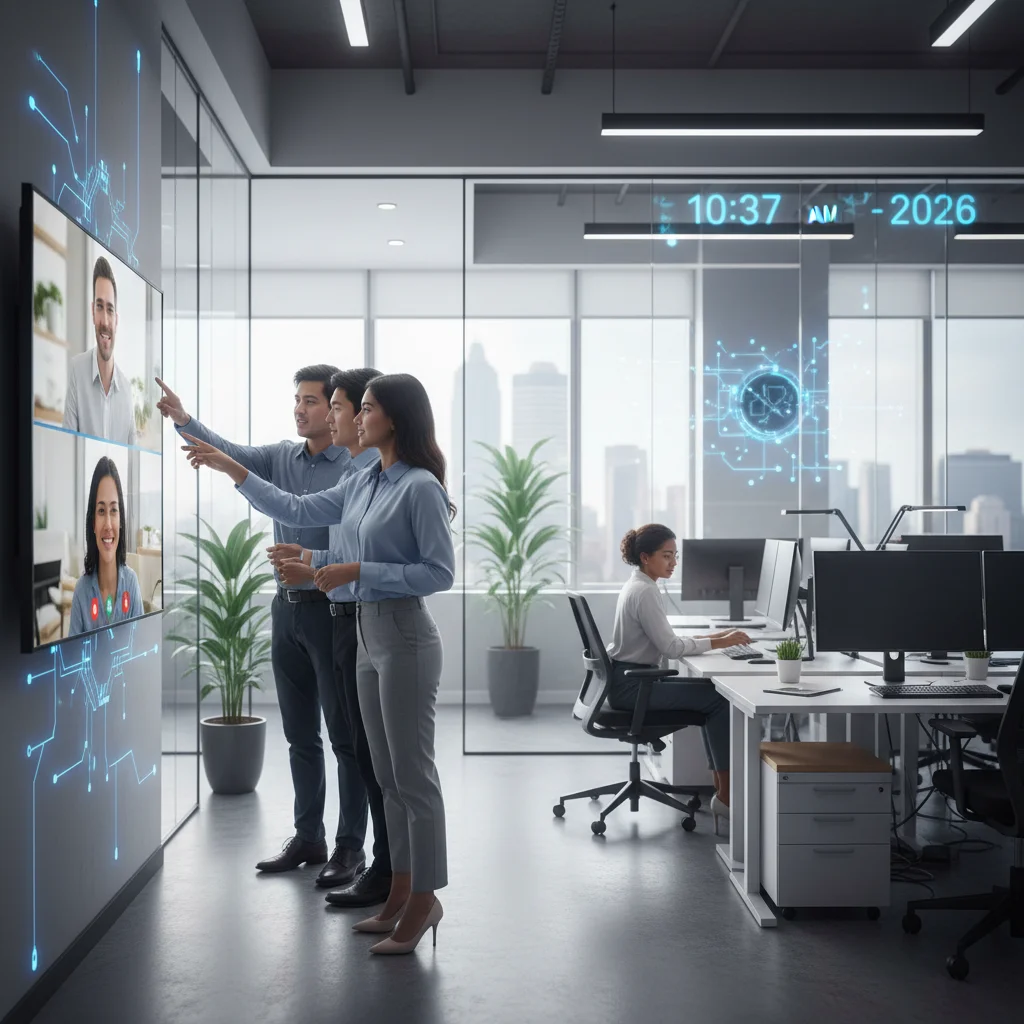
The American workplace, once a bastion of daily in-person interaction, has undergone a seismic shift, culminating in the widespread adoption of hybrid work models. This transformation, accelerated by unforeseen global events, is not merely a change in where work gets done; it is fundamentally reshaping the very fabric of American social interactions and community dynamics. As we look towards 2026, the implications of this new normal are becoming clearer, presenting both opportunities and challenges for how Americans connect, build relationships, and define community. Understanding the profound and time-sensitive impact of hybrid work social impact is crucial for individuals, organizations, and policymakers alike.
The traditional 9-to-5 office environment fostered a specific type of social ecosystem. Spontaneous conversations by the water cooler, impromptu lunch outings, and after-work happy hours were the informal glue that bonded colleagues, often extending into personal friendships and community networks. Hybrid work, by its very nature, fragments this contiguous social landscape, distributing interactions across physical and digital realms. This article will delve into the multifaceted ways hybrid work is influencing personal relationships, professional networking, community engagement, and even the urban and suburban landscape of America by 2026.
The Evolution of Workplace Relationships in a Hybrid World
One of the most immediate and noticeable effects of hybrid work social impact is on the nature of workplace relationships. The reduction in consistent in-person contact means that the organic development of camaraderie and trust can be challenged. While digital tools facilitate communication, they often lack the nuanced non-verbal cues and informal exchanges that solidify bonds. By 2026, we are observing a bifurcation in workplace relationships:
Strengthening of Core Teams, Weakening of Peripheral Connections
Teams that regularly collaborate on projects and have dedicated in-office days often find their bonds strengthened, as the intentionality of in-person time becomes more valued. These moments are often used for strategic planning, brainstorming, and team-building exercises that are harder to replicate virtually. However, connections with colleagues outside of one’s immediate team, those peripheral interactions that once enriched the broader organizational culture, may diminish. The casual hallway chat or the brief exchange at the coffee machine, which often sparked new ideas or cross-departmental understanding, are less frequent. This can lead to a more siloed organizational structure and potentially impact innovation.
The Rise of Intentional Socializing
In a hybrid model, social interaction at work is becoming less spontaneous and more intentional. Companies are actively designing programs and events to foster connection, ranging from structured team-building retreats to virtual social hours. While these efforts are valuable, they require conscious planning and participation, contrasting with the organic nature of pre-hybrid social dynamics. Employees, too, are becoming more deliberate about nurturing their professional networks, leveraging in-office days to connect with specific individuals or attending company-sponsored events with a clear social objective. This shift towards intentionality, while efficient, can sometimes feel less authentic or more transactional.
Impact on Mentorship and Sponsorship
Mentorship and sponsorship relationships, traditionally nurtured through regular proximity and observation, face unique challenges in a hybrid environment. Junior employees may have fewer opportunities for informal learning, observation, and direct feedback from senior colleagues. Serendipitous encounters that lead to mentorship opportunities are rarer. Organizations are responding by implementing more formal mentorship programs, but the organic, often unspoken, aspects of these relationships can be harder to cultivate remotely. This has significant implications for career development and the transfer of institutional knowledge, potentially affecting the progression of diverse talent who may benefit most from strong mentorship.
Personal Relationships and the Blurring of Boundaries
Beyond the workplace, hybrid work social impact is also profoundly affecting personal relationships and the work-life balance of Americans. The home, once a sanctuary separate from work, has become a co-working space, a virtual meeting room, and often, a place where professional and personal lives intersect in unprecedented ways.
Increased Family Time, Decreased External Socializing
For many, hybrid work has brought the welcome benefit of increased time with family. Commuting hours are reclaimed, allowing for more shared meals, involvement in children’s activities, or simply more presence at home. This can strengthen familial bonds and improve overall family well-being. However, this increased domestic focus can sometimes come at the expense of external social connections. The default option of staying home after work, rather than venturing out for social gatherings, can lead to a reduction in interactions with friends, neighbors, and broader community groups. The lines between work-life and personal-life blur, with the convenience of home often leading to less engagement with the outside world.
The Paradox of Connectivity
While digital tools keep us connected to work, they can also create a paradox in personal relationships. We are constantly reachable, yet sometimes feel more isolated. The ease of virtual communication can replace in-person meetups, leading to a superficial sense of connection. By 2026, many Americans are grappling with how to balance the convenience of digital interactions with the deeper fulfillment of face-to-face engagements. The quality of social interaction, rather than just the quantity, has become a critical consideration.
Impact on Romantic Relationships and Dating
Hybrid work also influences romantic relationships and dating patterns. For couples living together, increased proximity can either strengthen their bond or exacerbate existing tensions. For those seeking new relationships, the traditional avenues of meeting people through work or social events have changed. Online dating continues to be prevalent, but the shift in daily routines means that opportunities for organic encounters in shared physical spaces might be reduced. The challenge lies in creating space for both togetherness and individual pursuits within the shared home environment.
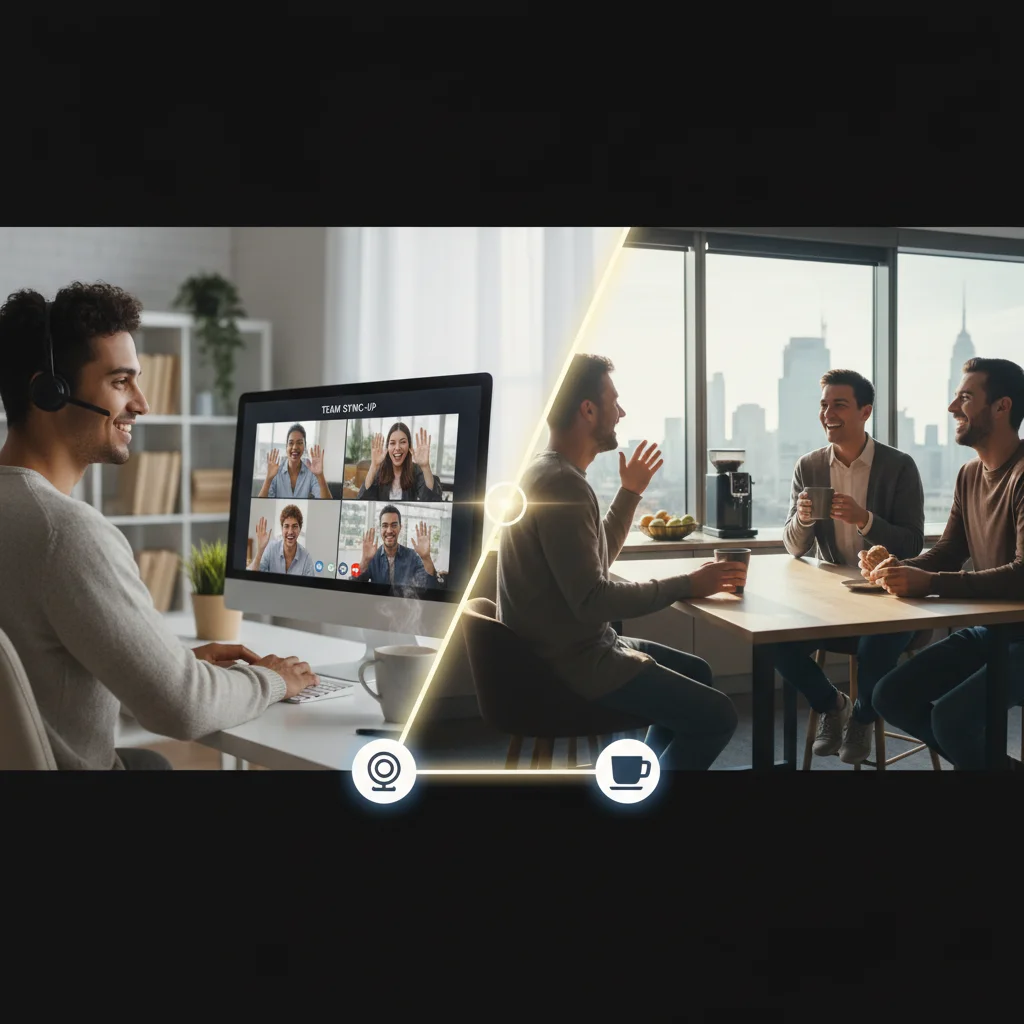
Reshaping Community Dynamics and Local Economies
The ripple effect of hybrid work social impact extends far beyond individual relationships, fundamentally altering community dynamics and local economies across America.
Suburbanization and the Decline of Urban Commuter Culture
One of the most visible impacts is the continued trend of suburbanization and the revitalization of smaller towns. With less need to be physically present in a central business district five days a week, many Americans have opted to move further from urban centers in search of more affordable housing, larger homes, and a slower pace of life. This shift has profound implications:
- Decentralization of Social Hubs: Urban cores, once bustling with after-work crowds, may see reduced foot traffic on certain days. Conversely, suburban and rural communities are experiencing a resurgence as residents spend more time and money locally, leading to the emergence of new community hubs, cafes, and local businesses.
- Changing Commuter Patterns: The traditional rush hour has evolved, with peak traffic potentially shifting to mid-week office days. This reduces daily congestion for some but can create new traffic patterns in previously quieter areas.
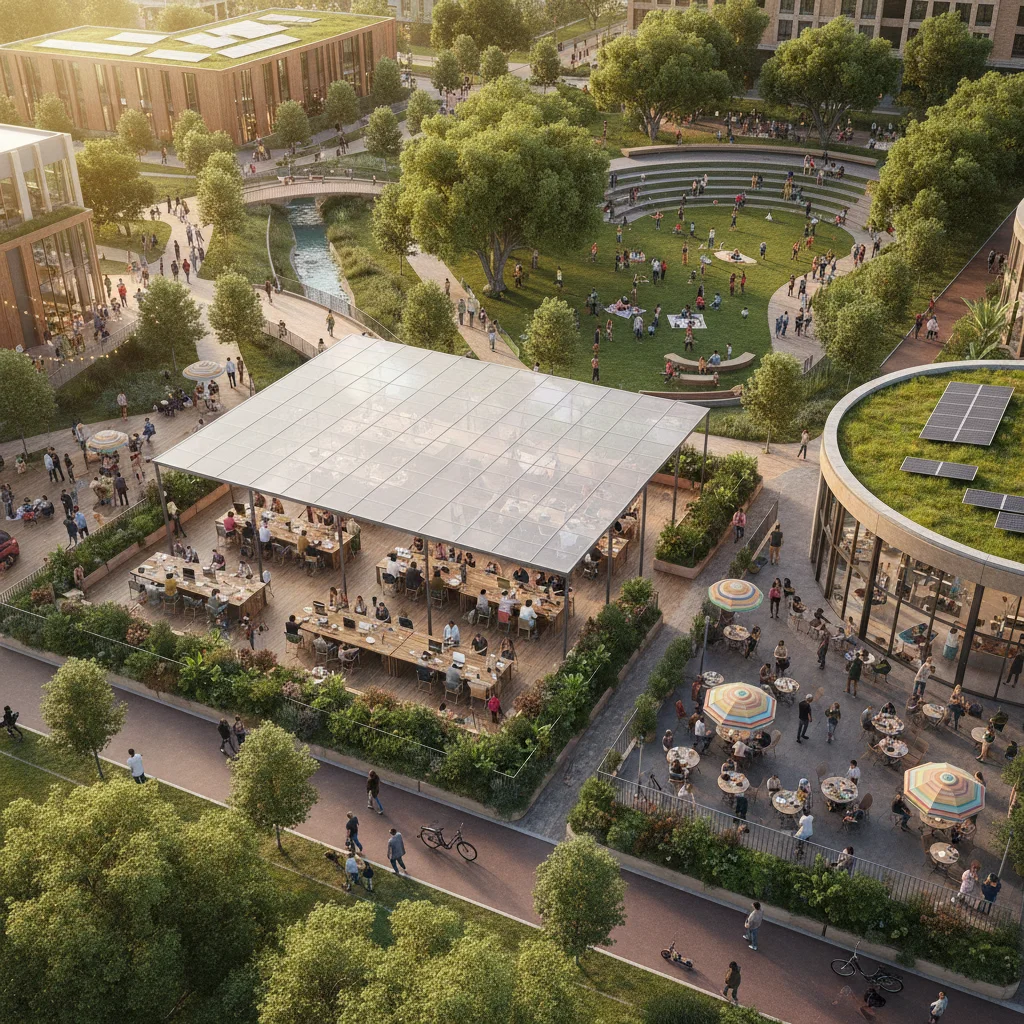
- Redefinition of ‘Third Places’: Coffee shops, libraries, and parks are increasingly serving as ‘third places’ where individuals can work remotely, socialize, and engage with their local community. These spaces become crucial for fostering a sense of belonging outside of the home and the traditional office.
Volunteerism and Local Engagement
With more flexibility in their schedules, some hybrid workers have found more time to engage in local volunteerism and community activities. This can lead to stronger local support networks and a more vibrant civic life in some areas. However, this is not a universal trend. Others may find themselves more isolated, with less impetus to seek out local engagement if their primary social and professional networks remain largely digital.
Impact on Local Businesses and Services
The shift in where people spend their time and money has a direct impact on local economies. Businesses in urban centers that relied on the daily influx of office workers (restaurants, dry cleaners, retail) have had to adapt, often facing reduced demand. Meanwhile, businesses in suburban and rural areas are experiencing a boom, catering to a larger, more consistently present local population. This requires a re-evaluation of urban planning and economic development strategies to support these evolving patterns.
The Digital Divide and Social Equity
While hybrid work offers flexibility for many, it also exacerbates existing inequalities and creates new challenges regarding social equity. The hybrid work social impact is not uniformly distributed across all segments of American society.
Access to Technology and Infrastructure
The ability to work remotely or in a hybrid model is heavily dependent on access to reliable internet, suitable technology, and a conducive home environment. Communities and individuals lacking these resources are at a significant disadvantage, limiting their access to these flexible work arrangements and potentially widening the gap between the digitally connected and the digitally underserved. This digital divide impacts not just economic opportunity but also social inclusion, as more social interactions migrate online.
Unequal Distribution of Hybrid Opportunities
Not all jobs are amenable to hybrid work. Frontline workers, essential service providers, and those in manufacturing or hospitality often do not have the option to work remotely. This creates a two-tiered workforce, where some enjoy the benefits of flexibility and reduced commute times, while others remain tied to traditional on-site roles. This disparity can lead to feelings of resentment and further entrench social and economic stratification, affecting how different groups interact and perceive each other.
Mental Health and Well-being
The impact of hybrid work on mental health is complex. For some, reduced commutes and increased flexibility lead to lower stress and improved well-being. For others, the blurring of work-life boundaries, increased isolation, and the constant demands of digital connectivity can contribute to burnout, loneliness, and anxiety. The absence of informal social cues and the increased reliance on virtual communication can also lead to misinterpretations and communication breakdowns, adding to stress. Organizations are increasingly recognizing the need to provide mental health support and foster a culture that prioritizes well-being in a hybrid context.
Adapting to the New Social Landscape by 2026
As we navigate towards 2026, successful adaptation to the hybrid work social impact requires proactive strategies from individuals, organizations, and communities.
For Individuals: Intentional Social Investment
Individuals must become more intentional about nurturing their social connections. This means actively scheduling time for both in-person and virtual interactions with friends and family, seeking out local community groups, and making an effort to engage in ‘third places.’ Prioritizing digital detox periods and setting clear boundaries between work and personal life are crucial for maintaining mental well-being and fostering genuine connections. Embracing new hobbies or activities that involve face-to-face interaction can also help bridge potential social gaps.
For Organizations: Fostering a Culture of Connection
Companies need to move beyond simply providing flexible work options and actively cultivate a culture that supports social connection and psychological safety in a hybrid environment. This includes:
- Designing Purposeful In-Office Experiences: Making in-office days meaningful for collaboration, team building, and social interaction, rather than just individual work.
- Investing in Digital Tools for Connection: Utilizing platforms that facilitate informal communication, celebrate achievements, and encourage cross-team interaction.
- Training Managers: Equipping managers with the skills to lead hybrid teams effectively, fostering inclusion, and identifying signs of isolation or burnout.
- Promoting Well-being: Offering resources and support for mental health, encouraging work-life boundaries, and fostering a culture where employees feel comfortable seeking help.
For Communities: Reimagining Public Spaces and Services
Local governments and community leaders have a vital role in adapting to the changing social landscape. This involves:
- Investing in Public Spaces: Creating and maintaining vibrant parks, community centers, and shared public areas that encourage social gathering and interaction.
- Supporting Local Businesses: Implementing policies and programs that help local businesses adapt to changing consumer patterns, especially in suburban and rural areas.
- Bridging the Digital Divide: Investing in broadband infrastructure and digital literacy programs to ensure equitable access to hybrid work opportunities and online social platforms.
- Promoting Civic Engagement: Creating accessible opportunities for volunteerism and community participation to strengthen local bonds.
The Future of American Social Fabric
By 2026, the hybrid work social impact will have cemented itself as a defining characteristic of American society. The way we interact, form relationships, and build communities is undergoing a fundamental reorientation. While the initial years of this transition brought challenges related to isolation and the blurring of boundaries, the ongoing adaptation is shaping a more flexible and potentially more localized social fabric.
The future is likely to see a greater emphasis on the quality of social interactions over sheer quantity. Individuals will become more discerning about how and with whom they spend their valuable in-person time. Communities will increasingly serve as vital hubs for social connection, offering a counterpoint to the digital nature of much of our professional lives. Organizations that successfully navigate this shift will be those that prioritize human connection, foster inclusive cultures, and empower employees to thrive in both their professional and personal lives.
The journey towards understanding and optimizing the hybrid work social impact is ongoing. It requires continuous observation, adaptation, and a collective commitment to building a society where flexibility in work does not come at the expense of meaningful human connection. The changes we observe by 2026 are not merely temporary adjustments; they represent a fundamental recalibration of what it means to be connected in modern America. The challenge and opportunity lie in harnessing this evolution to create a more resilient, inclusive, and socially vibrant future.
Related Posts: