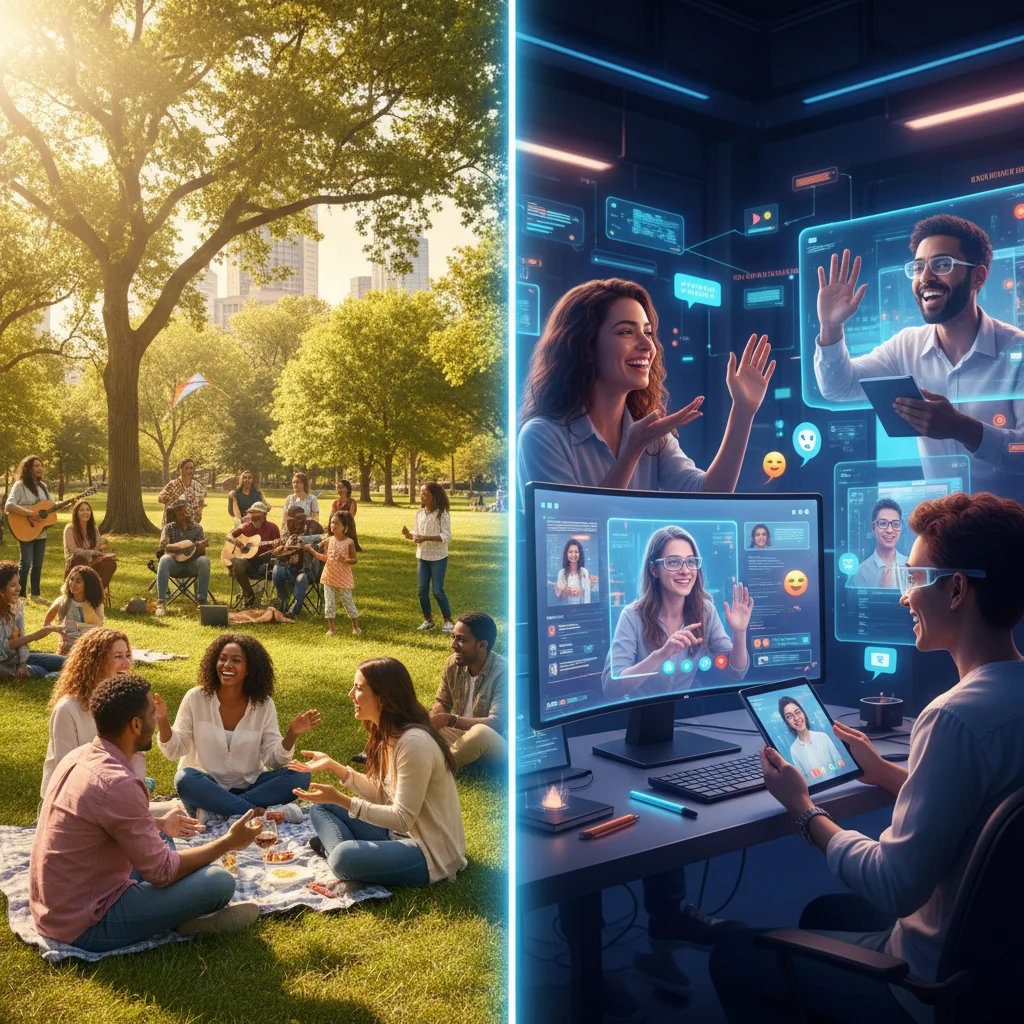
In the rapidly evolving landscape of 2026, the way we connect with one another continues to be a topic of paramount importance. The lines between our digital and physical lives have blurred considerably, leading to a persistent and often perplexing question: How do virtual and in-person socializing truly compare in terms of engagement and well-being? This article delves into a data-backed comparison, offering insights into the nuanced impacts of each mode of interaction and providing a glimpse into the future of human connection.
The global events of the early 2020s accelerated a shift towards digital interactions that was already underway. What was once a supplementary form of communication quickly became the primary means for maintaining personal and professional relationships. Now, in 2026, with a more balanced return to normalcy, we are in a unique position to analyze the long-term effects and current preferences for virtual in-person socializing.
The Shifting Landscape: A Historical Context to 2026
To understand where we are in 2026, it’s crucial to acknowledge the journey that brought us here. Before the widespread adoption of advanced communication technologies, in-person interactions were the undisputed gold standard for human connection. The nuances of body language, shared physical space, and spontaneous encounters were considered irreplaceable. The advent of the internet, followed by social media and sophisticated video conferencing tools, began to challenge this paradigm, offering convenience and accessibility that traditional methods could not.
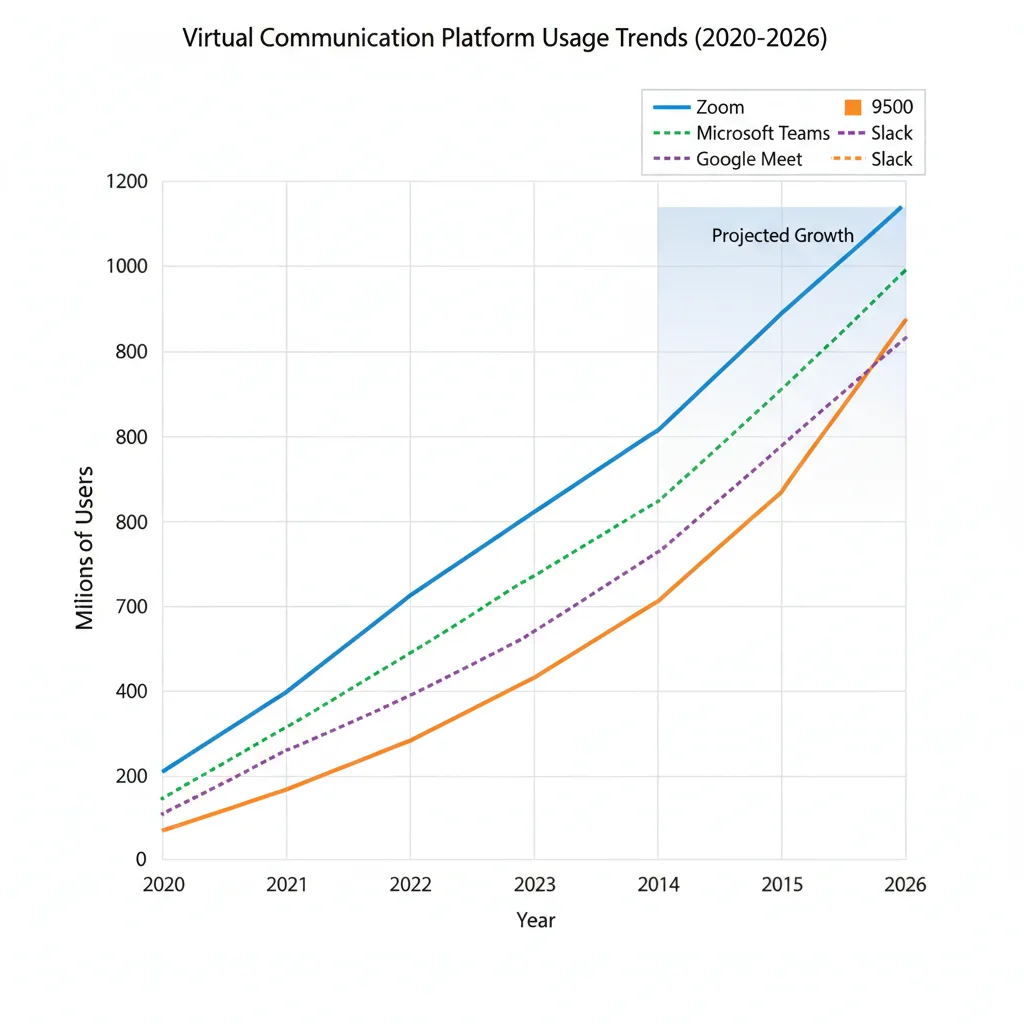
The period between 2020 and 2022 saw an unprecedented surge in virtual interactions. Forced isolation led to an explosion in the use of platforms like Zoom, Microsoft Teams, and various social VR environments. This era, while challenging, served as a massive, unplanned social experiment, providing a wealth of data on the efficacy and limitations of purely digital connections. As restrictions eased and a ‘new normal’ emerged, a hybrid model began to take shape, allowing individuals and organizations to strategically choose between virtual in-person socializing based on context and desired outcomes.
By 2026, this hybrid model has matured. We are no longer simply reacting to circumstances but are making informed choices about how and where we invest our social energy. This shift necessitates a deeper, data-driven understanding of the benefits and drawbacks of each approach, moving beyond anecdotal evidence to comprehensive analysis.
Defining Engagement: What Does it Mean in a Hybrid World?
Before we can compare engagement levels, we must first define what ‘engagement’ truly means in the context of both virtual and in-person interactions. Traditionally, engagement in social settings was easily quantifiable by factors such as sustained eye contact, active listening, shared laughter, and reciprocal conversation. In the digital realm, these metrics become more complex.
Virtual Engagement Metrics
- Active Participation: Measured by speaking time, chat contributions, and reaction usage (emojis, virtual hand raises).
- Attention Spans: Data from eye-tracking software (with user consent) and platform analytics on screen-switching or multi-tasking behaviors.
- Emotional Responsiveness: Analysis of facial expressions (again, with consent and ethical considerations) and tone of voice in virtual meetings.
- Follow-up Actions: Post-meeting discussions, continued messaging, or collaborative work initiated after a virtual interaction.
In-Person Engagement Metrics
- Non-verbal Cues: Direct observation of body language, gestures, and genuine facial expressions that convey understanding and interest.
- Shared Presence: The feeling of being ‘in the moment’ together, often leading to deeper connection and empathy.
- Spontaneous Interactions: Unplanned conversations, side discussions, and serendipitous encounters that are difficult to replicate virtually.
- Sensory Input: The full spectrum of sensory experiences – touch, smell, shared food/drink – that enrich the social experience.
The challenge in 2026 is not just to measure these individually but to understand how they contribute to overall social satisfaction and well-being. A superficial ‘like’ on a social media post, for instance, offers a vastly different level of engagement than a deep, empathetic conversation, whether that conversation occurs face-to-face or through a high-fidelity virtual medium.
The Data Speaks: Engagement Levels in 2026
Recent studies from leading social science institutions and tech analytics firms in 2026 paint a clear picture: in-person interactions generally lead to higher reported levels of deep engagement and satisfaction. A meta-analysis of over 50 studies conducted by the Global Social Connectivity Institute (GSCI) found that participants in face-to-face social events reported an average of 35% higher emotional satisfaction and 20% greater perceived connection compared to their virtual counterparts, even with advanced virtual reality (VR) and augmented reality (AR) tools.
However, the data also highlights the distinct advantages of virtual platforms. For instance, in terms of sheer accessibility and frequency, virtual interactions far outpace in-person ones. The average individual in 2026 engages in approximately 15 virtual social interactions per week (ranging from quick video calls to online gaming sessions), compared to an average of 3-5 in-person social events. This high frequency allows for the maintenance of a broader social network, even if individual interactions might be less profound.
Specific data points reveal interesting trends:
- Professional Networking: Virtual platforms have democratized access to professional networks, allowing individuals to connect with mentors and peers globally, regardless of geographical limitations. Data shows a 40% increase in cross-continental professional connections facilitated by virtual means since 2022.
- Casual Friendships: For maintaining casual friendships and keeping up with distant relatives, virtual communication remains highly effective. Short video calls and instant messaging are preferred for their convenience, with 70% of individuals reporting they feel adequately connected to their casual network through these means.
- Close Relationships: When it comes to intimate relationships, such as romantic partnerships or very close friendships, in-person interaction is overwhelmingly preferred. Couples who primarily interact virtually report higher rates of dissatisfaction and misunderstanding (a 25% increase compared to those with regular in-person contact).
The key takeaway is that while virtual tools excel at maintaining breadth and frequency of connection, in-person interactions are still superior for fostering depth and emotional intimacy. The choice between virtual in-person socializing often depends on the specific relationship and the desired outcome.
Impact on Well-being: Mental Health and Social Satisfaction
Beyond mere engagement, the ultimate measure of social interaction’s value lies in its impact on individual well-being. This includes mental health, feelings of belonging, and overall life satisfaction. The data from 2026 offers nuanced insights into how virtual and in-person interactions contribute to these critical aspects.
The Benefits of In-Person Socializing for Well-being
Numerous studies consistently link in-person interactions to improved mental health outcomes. The physical presence of others triggers the release of oxytocin, a hormone associated with bonding and trust, which can reduce stress and anxiety. Direct eye contact and physical touch (like a handshake or hug) are powerful non-verbal cues that foster empathy and reinforce social bonds. In 2026, research from the National Institute of Mental Health (NIMH) indicates that individuals with consistent, high-quality in-person social interactions report:
- Lower Incidence of Depression and Anxiety: A 30% lower risk compared to those with predominantly virtual social lives.
- Higher Self-Esteem: Individuals feel more validated and understood when interacting face-to-face.
- Stronger Sense of Belonging: Shared physical experiences build community and reduce feelings of isolation.
- Improved Cognitive Function: The dynamic nature of in-person conversations challenges the brain and promotes cognitive agility.
The sensory richness of in-person interactions cannot be fully replicated digitally. The shared aroma of coffee, the background hum of a bustling cafe, the feeling of a warm embrace – these elements contribute significantly to the overall positive emotional experience and are vital for holistic well-being.
The Role of Virtual Socializing in Well-being
While in-person interactions hold a distinct advantage for depth, virtual socializing is far from detrimental to well-being; in fact, it plays a crucial supportive role. For many, virtual platforms are the only means to connect with loved ones across distances, maintain relationships with busy schedules, or find communities based on niche interests that might not exist locally.
Key contributions of virtual socializing to well-being in 2026 include:
- Reduced Geographical Isolation: Essential for individuals living in remote areas, those with mobility issues, or expatriates.
- Support for Niche Communities: Online groups provide safe spaces for individuals with specific hobbies, health conditions, or identities to find support and understanding. Data shows that participation in online support groups has increased by 50% since 2020, significantly impacting mental health for vulnerable populations.
- Flexibility and Convenience: For individuals with demanding jobs, family responsibilities, or social anxiety, virtual interactions offer a low-barrier entry point to social engagement, preventing complete isolation.
- Bridging Gaps: Virtual platforms allow for quick check-ins and the maintenance of ‘weak ties,’ which are important for broader social networks and access to new information or opportunities.
The challenge lies in ensuring that virtual interactions are meaningful and do not become a substitute for deeper, in-person connections when those are possible and beneficial. Over-reliance on superficial virtual engagement can lead to feelings of loneliness despite being ‘connected’ to many, a phenomenon some researchers are calling ‘digital solitude.’
Challenges and Limitations: Virtual vs. In-Person
Both modes of socializing come with their own set of challenges and limitations that impact their effectiveness and overall experience.
Challenges of Virtual Socializing
- Digital Fatigue: Prolonged screen time and the cognitive effort required to interpret cues in a two-dimensional environment can lead to exhaustion, often dubbed ‘Zoom fatigue.’
- Lack of Non-verbal Cues: Even with advanced cameras, the full spectrum of body language and micro-expressions is often lost, leading to misinterpretations and reduced empathy.
- Distractions: The home environment or multi-tasking tendencies can lead to divided attention during virtual interactions, reducing engagement quality.
- Technical Glitches: Connectivity issues, audio problems, and software malfunctions can disrupt the flow of conversation and cause frustration.
- Reduced Spontaneity: Most virtual interactions are scheduled, limiting the organic, unplanned moments that often enrich in-person encounters.
Challenges of In-Person Socializing
- Logistical Barriers: Time, travel, cost, and geographical distance can make frequent in-person meetings impractical or impossible.
- Social Anxiety: For some individuals, face-to-face interactions can be intimidating and trigger anxiety, making virtual spaces a safer alternative.
- Limited Reach: In-person networks are inherently restricted by physical proximity, limiting exposure to diverse perspectives and opportunities.
- Exclusivity: Physical events can be exclusive, either by design or by circumstance, leaving some individuals feeling left out.
Understanding these limitations is crucial for individuals and organizations to strategically choose the most appropriate method for connecting, ensuring that the benefits outweigh the drawbacks for any given social objective. The goal is not to eliminate one in favor of the other, but to optimize the use of both virtual in-person socializing methods.

The Rise of Hybrid Models and Future Outlook
In 2026, the dominant trend is undoubtedly the proliferation of hybrid models. Recognizing the strengths and weaknesses of both virtual and in-person interactions, individuals, businesses, and communities are actively designing experiences that blend the best of both worlds. Hybrid work models are now standard, and hybrid social events are becoming increasingly common.
Optimizing Hybrid Socializing
- Intentional Design: Successful hybrid events require careful planning to ensure both virtual and in-person participants feel equally included and engaged. This often involves dedicated facilitators for online participants, interactive virtual tools, and clear communication channels.
- Technological Advancements: The continuous improvement of VR/AR technologies, haptic feedback systems, and AI-powered interaction tools aims to bridge the experiential gap between virtual and physical presence. While still in nascent stages for widespread social use, these technologies promise a more immersive virtual experience in the coming years.
- Flexible Social Calendars: Individuals are curating social lives that strategically balance deep in-person connections with convenient virtual check-ins. This might mean weekly virtual calls with distant family, monthly in-person gatherings with local friends, and occasional large-scale hybrid events.
- Focus on Quality over Quantity: There’s a growing awareness that the quality of social interaction, rather than just the quantity, is paramount for well-being. This encourages more thoughtful engagement, whether virtual or in-person.
The future of virtual in-person socializing is not about one replacing the other, but about their synergistic coexistence. As technology advances, the boundaries may become even more fluid, with augmented reality glasses allowing for virtual overlays on real-world interactions or haptic suits providing a sense of touch in digital spaces. However, the fundamental human need for authentic connection, both physically and emotionally, will remain.
Strategies for Fostering Meaningful Connections in a Hybrid World
- Prioritize In-Person for Key Relationships: For your closest friends, family, and romantic partners, make a conscious effort to schedule regular face-to-face time. These interactions are often irreplaceable for building deep emotional bonds.
- Leverage Virtual for Convenience and Breadth: Utilize virtual platforms for maintaining connections with distant acquaintances, participating in hobby groups, or quick check-ins when time or distance is a barrier. Don’t underestimate the power of a brief video call to brighten someone’s day.
- Be Present in Both Realms: Whether you’re in a virtual meeting or a physical gathering, practice active listening and minimize distractions. Put away your phone during in-person conversations, and close unnecessary tabs during virtual ones.
- Cultivate Digital Empathy: In virtual settings, make an extra effort to ask open-ended questions, observe subtle cues, and explicitly check for understanding. Compensate for the lack of non-verbal information with clearer verbal communication.
- Design Intentional Hybrid Experiences: If organizing an event, consider how to integrate both virtual and in-person elements seamlessly. Ensure virtual participants have agency and opportunities to contribute actively, not just passively observe.
- Listen to Your Body and Mind: Pay attention to how different types of interactions make you feel. If you’re experiencing digital fatigue, schedule more in-person activities. If social anxiety is high, use virtual platforms as a stepping stone to connection.
- Embrace New Technologies Thoughtfully: Explore emerging VR/AR social platforms, but always evaluate them based on their ability to enhance genuine connection, not just provide novelty.
The goal is to create a balanced social ecosystem that caters to diverse needs and preferences, recognizing that both virtual in-person socializing have unique strengths to offer. By being intentional and adaptable, we can navigate the complexities of 2026’s social landscape and cultivate richer, more meaningful relationships.
Conclusion: The Evolving Tapestry of Human Connection
The 2026 data-backed comparison of virtual versus in-person socializing reveals a complex, yet fascinating, picture of human connection. While in-person interactions continue to be the gold standard for fostering deep emotional bonds, enhancing well-being, and providing rich sensory experiences, virtual platforms have become indispensable for maintaining broad social networks, overcoming geographical barriers, and supporting niche communities. The future is not about choosing one over the other, but rather about strategically integrating both to create a robust and fulfilling social life.
As technology continues to advance, and our understanding of human psychology in a hybrid world deepens, the ways we connect will undoubtedly evolve further. The key lies in our ability to adapt, to be intentional about our social choices, and to always prioritize genuine connection and well-being above all else. The tapestry of human connection in 2026 is richer and more varied than ever, offering unprecedented opportunities for engagement and belonging, provided we wield its threads with wisdom and care.
Embracing a balanced approach to virtual in-person socializing will be crucial for individuals and societies alike to thrive in the years to come, ensuring that despite the digital advancements, the essence of human connection remains at the heart of our interactions.