Generative AI in 2026: Ethical Considerations for US Content Creators
As generative AI rapidly evolves, US content creators face significant ethical dilemmas in 2026. This article delves into five key considerations: copyright, algorithmic bias, transparency, deepfakes, and economic impacts, offering insights for navigating this transformative landscape responsibly.
By: Matheus Neiva on April 28, 2026
Last updated on: July 28, 2026
Generative AI in 2026: Ethical Considerations for US Content Creators
Generative AI in 2026: 5 Ethical Considerations for US Content Creators (INSIDER KNOWLEDGE)
The dawn of 2026 marks a pivotal moment for content creation, particularly with the accelerating capabilities of generative AI. For US content creators, this technological leap presents unprecedented opportunities but also a labyrinth of ethical considerations that demand careful navigation. As AI systems become more sophisticated, capable of producing text, images, audio, and video with astonishing realism and creativity, the lines between human and machine-generated content blur. This comprehensive guide, drawing on insider knowledge and foresight, delves into the five most critical ethical considerations that US content creators must grapple with in the coming year and beyond, ensuring a responsible and sustainable future for creative industries.
The landscape of content creation is undergoing a radical transformation, fueled by the rapid advancements in generative artificial intelligence. For US content creators, the year 2026 is set to be a period of both immense opportunity and profound challenge, as the ethical implications of AI-driven tools become increasingly evident and complex. Understanding these ethical considerations is not just about compliance; it’s about safeguarding artistic integrity, fostering trust with audiences, and ensuring the long-term viability of creative professions. This article will explore five critical ethical dimensions of AI Content Ethics that every US content creator needs to internalize and address.
1. The Evolving Landscape of Copyright and Ownership in AI-Generated Content
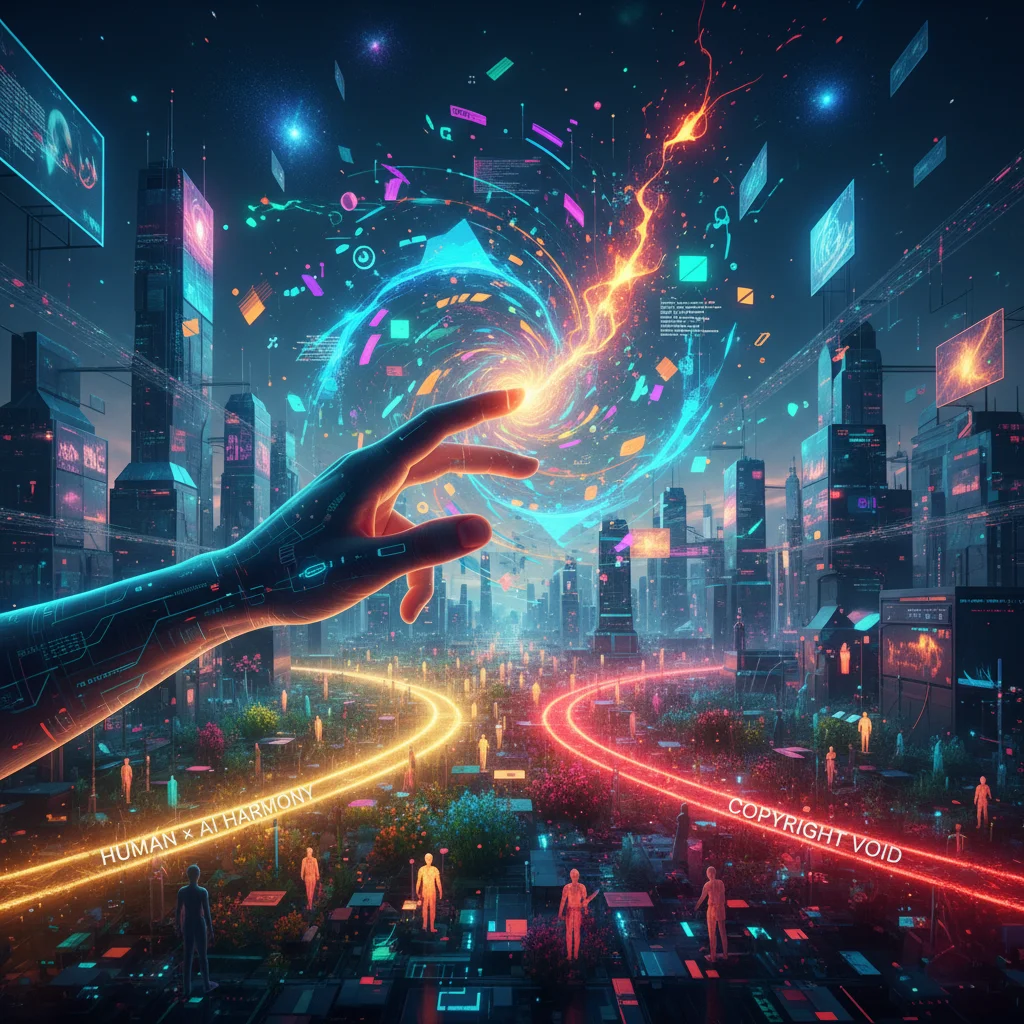
One of the most contentious and rapidly evolving areas in AI Content Ethics is that of copyright and ownership. As generative AI models become adept at producing original works – from articles and poetry to illustrations and musical compositions – the question of who owns the copyright becomes paramount. In 2026, the legal frameworks surrounding AI-generated content are still in nascent stages, creating significant uncertainty for US content creators. Current US copyright law generally requires human authorship, which poses a direct challenge to the notion of AI-created works being protectable. However, the use of AI as a tool by a human creator muddies these waters considerably.
Consider a scenario where a graphic designer uses a generative AI tool to create a unique visual for a client. Does the designer own the copyright? Does the AI developer? Or is the work considered to be in the public domain? The answer is not straightforward. The US Copyright Office has indicated that human authorship is a prerequisite for copyright registration, suggesting that purely AI-generated content without significant human input may not be eligible. This has profound implications for creators who rely heavily on AI to produce their output. If their work isn’t copyrightable, it leaves them vulnerable to unauthorized use and prevents them from fully monetizing their creations.
Furthermore, there’s the equally complex issue of the input data used to train these AI models. Many generative AI systems are trained on vast datasets of existing copyrighted works, often without explicit permission from the original creators. This raises serious questions about derivative works and potential copyright infringement. In 2026, we anticipate an increase in legal challenges and class-action lawsuits brought by artists, writers, and musicians whose work has been used without consent to train AI models. US content creators must be acutely aware of the provenance of the AI tools they use and understand the licensing agreements associated with them. Opting for AI tools that prioritize ethical data sourcing and transparent licensing will be crucial for mitigating legal risks.
For creators, the key takeaway is to maintain a clear record of human intervention and creative direction when using AI tools. Documenting the prompts, iterations, and modifications made by a human hand can strengthen a claim of human authorship. Moreover, staying informed about legislative developments and industry best practices regarding AI Content Ethics and copyright will be essential for navigating this complex terrain successfully. The legal landscape is a moving target, and proactive engagement is the best defense.
2. Navigating Algorithmic Bias and Ensuring Fair Representation
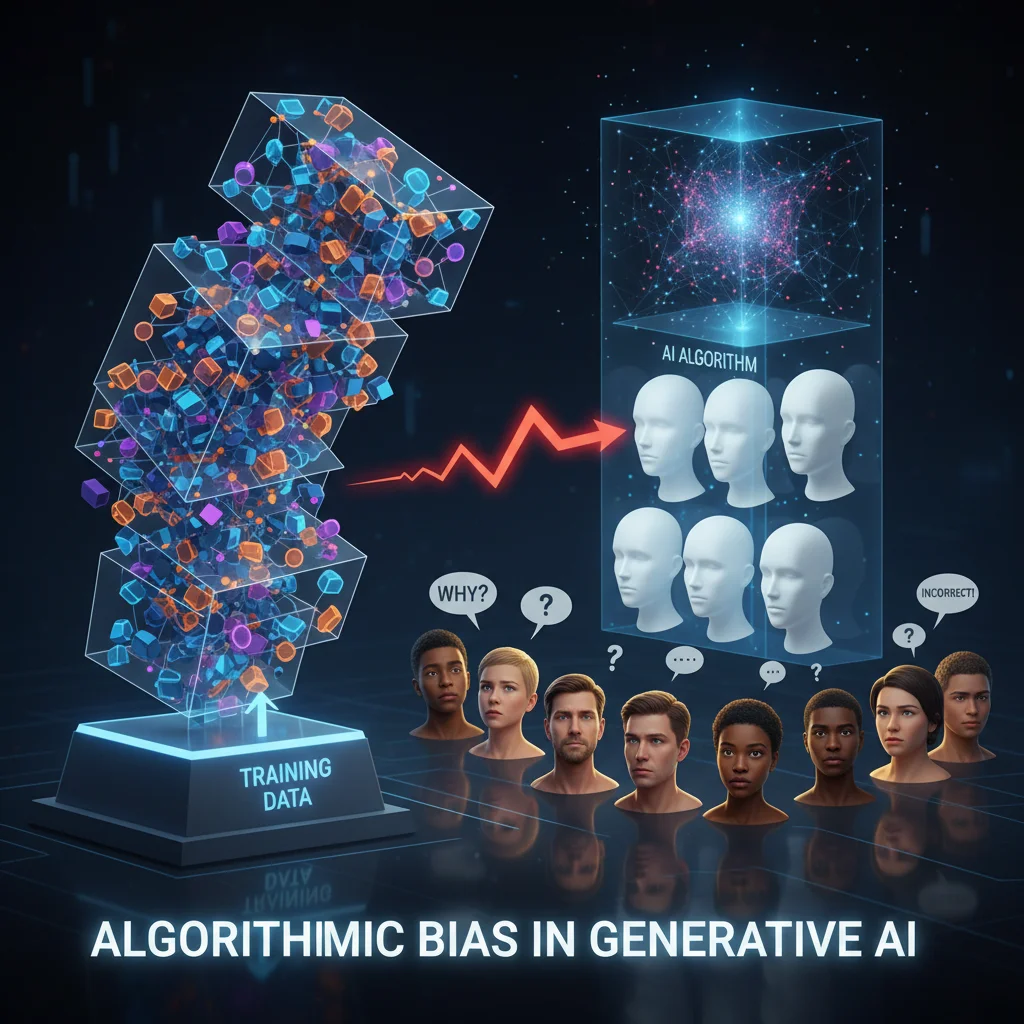
Generative AI models are only as unbiased as the data they are trained on, and unfortunately, much of the internet’s data reflects existing societal biases. This presents a significant ethical challenge for US content creators who utilize AI, as these biases can be inadvertently amplified and perpetuated in the generated content. Algorithmic bias can manifest in various ways: perpetuating stereotypes, underrepresenting certain demographics, or even generating harmful or discriminatory content. In 2026, as AI becomes more integrated into content workflows, addressing and mitigating this bias is a critical component of responsible AI Content Ethics.
Consider an AI trained on historical data that predominantly features certain demographics in positions of power or specific roles. If a content creator uses this AI to generate images for a corporate brochure, it might consistently produce images that lack diversity or reinforce outdated stereotypes. Similarly, an AI generating text for news articles might inadvertently adopt biased language patterns present in its training data, leading to unfair or inaccurate portrayals of individuals or groups. Such outcomes not only damage the reputation of the creator but also contribute to the perpetuation of harmful societal biases, undermining efforts towards inclusivity and equity.
For US content creators, proactively combating algorithmic bias requires a multi-faceted approach. Firstly, it involves scrutinizing the outputs of generative AI tools for any signs of bias. This means not blindly accepting the first iteration an AI produces but critically evaluating it through a lens of diversity, equity, and inclusion. Secondly, creators should advocate for and choose AI tools from developers who prioritize ethical AI development, including rigorous bias detection and mitigation strategies in their training processes. Some advanced AI platforms are beginning to offer transparency reports on their training data and provide tools for users to fine-tune models to reduce bias.
Thirdly, creators themselves have a role to play in diversifying the input they provide to AI. By consciously crafting prompts that encourage diverse outputs and by actively curating and refining AI-generated content to ensure fair representation, creators can act as a crucial human check on algorithmic tendencies. Education on common biases, cultural sensitivities, and inclusive language will be indispensable for creators in 2026. Ultimately, ensuring fair representation in AI Content Ethics is not just an ethical imperative but also a strategic advantage, as audiences increasingly demand content that resonates with a diverse global community.
3. The Imperative of Transparency and Disclosure
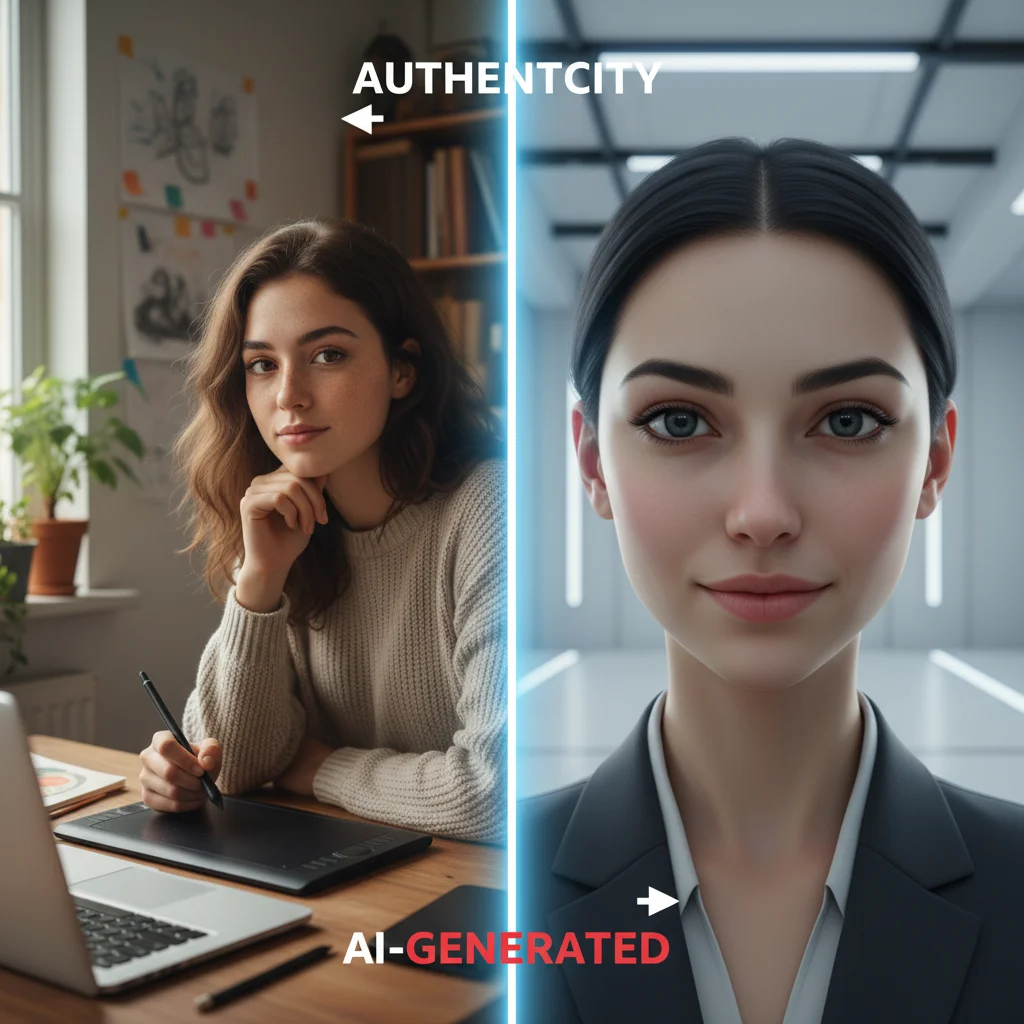
As generative AI becomes indistinguishable from human creativity, the ethical imperative of transparency and disclosure gains significant traction. In 2026, audiences, consumers, and regulators are increasingly demanding to know when content has been created or significantly augmented by AI. This isn’t just about honesty; it’s about maintaining trust and allowing individuals to make informed decisions about the content they consume. The absence of clear disclosure can lead to deception, erode public trust, and potentially have legal ramifications for US content creators.
Imagine a news outlet publishing an article entirely generated by AI without disclosure. Readers might assume it’s the product of human journalism, imbued with human judgment and fact-checking, when in reality it might lack that critical human oversight. Similarly, a social media influencer using AI-generated images or videos to promote products without revealing the AI involvement could be seen as misleading their audience, potentially violating advertising standards or consumer protection laws. The ethical principle here is straightforward: consumers have a right to know the origin and nature of the content they engage with, particularly when it influences their perceptions, beliefs, or purchasing decisions.
For US content creators, adopting robust transparency practices is not an option but a necessity in 2026. This means clearly labeling AI-generated content, whether it’s a disclaimer at the beginning of an article, a watermark on an image, or an audible notification in an audio or video piece. The specific method of disclosure may vary depending on the platform and content type, but the principle remains constant. Some platforms are already implementing their own AI-content labeling requirements, and creators must stay abreast of these evolving guidelines.
Beyond simple labeling, transparency in AI Content Ethics also extends to explaining the role of AI in the creative process. Was AI used for ideation, drafting, image generation, or merely for minor edits? Providing a brief explanation can further build trust and educate the audience about how creators are leveraging these new tools responsibly. This proactive approach to disclosure not only mitigates risks but also positions creators as ethical innovators, fostering a stronger connection with their audience based on honesty and integrity. The trend towards greater transparency is irreversible, and creators who embrace it early will be better positioned for success.
4. The Dangers of Deepfakes and Misinformation
Perhaps one of the most alarming ethical challenges posed by generative AI is the proliferation of deepfakes and the potential for widespread misinformation. Deepfakes, which are synthetic media in which a person in an existing image or video is replaced with someone else’s likeness, have become increasingly sophisticated and difficult to detect. While they have legitimate applications in entertainment and creative arts, their malicious use for propaganda, defamation, fraud, and political manipulation presents a grave threat to societal trust and stability. In 2026, US content creators must understand their role in preventing the spread of deepfake-driven misinformation, even if unintentionally.
The ease with which convincing deepfakes can be created means that even seemingly innocuous use of generative AI could inadvertently contribute to a climate of distrust. For instance, a creator experimenting with AI to generate a humorous video might unknowingly create a deepfake that, taken out of context, could be misused to spread false narratives. The ethical responsibility extends beyond direct malicious intent; it includes the careful handling of AI tools that have the potential for misuse. The technology is advancing faster than our ability to regulate it, making self-governance and ethical awareness paramount for every US content creator.
Addressing the dangers of deepfakes requires a multi-pronged approach for content creators. Firstly, extreme caution must be exercised when generating or sharing any content that could be misconstrued as a deepfake, especially involving identifiable individuals. If AI is used to alter a person’s likeness, explicit consent should be obtained, and clear disclosure, as discussed above, is absolutely essential. Secondly, creators should educate themselves and their audiences about the existence and characteristics of deepfakes, fostering media literacy and critical thinking skills.
Thirdly, supporting the development and adoption of deepfake detection technologies is a crucial aspect of responsible AI Content Ethics. While detection methods are also evolving, creators can contribute by using platforms that incorporate such tools or by being vigilant in identifying and reporting suspicious content. The ethical burden here is significant: creators must not only avoid generating harmful deepfakes but also be mindful of how their AI-generated content might be perceived or repurposed by others. The fight against misinformation is a collective effort, and content creators are on the front lines.
5. Economic Impacts and the Future of Human Creativity
Beyond the immediate ethical dilemmas, US content creators must also grapple with the broader economic impacts of generative AI and its implications for the future of human creativity. The efficiency and scalability of AI-generated content raise concerns about job displacement, fair compensation for human artists, and the potential devaluation of creative work. In 2026, these concerns are not speculative; they are becoming tangible realities that require proactive ethical consideration and strategic planning.
The ability of AI to produce high volumes of content quickly and at a potentially lower cost could lead to downward pressure on rates for human creators. Industries that rely on repetitive or formulaic content generation, such as basic copywriting, stock photography, or simple graphic design, are particularly vulnerable. This raises questions about how human creators can adapt, differentiate themselves, and continue to earn a living in an increasingly AI-driven market. The ethical challenge here is to ensure that the integration of AI enhances human creativity rather than diminishes it, and that economic benefits are shared equitably.
For US content creators, navigating these economic shifts requires a strategic pivot. Firstly, it involves focusing on what AI cannot (yet) replicate: genuine human emotion, unique perspectives, cultural nuance, critical thinking, strategic storytelling, and deep empathy. Creators should leverage AI as a tool to augment their capabilities, automate mundane tasks, and accelerate their creative process, allowing them to focus on higher-value, more complex, and uniquely human aspects of their work. This means evolving skill sets to include prompt engineering, AI tool management, and critical evaluation of AI outputs.
Secondly, advocating for fair compensation models and ethical labor practices in the age of AI is crucial. This includes supporting industry standards that ensure human creators are credited and compensated for their contributions, even when AI is involved. Exploring new business models, such as offering premium, human-curated AI-enhanced content or specializing in bespoke, uniquely human-driven creative services, will be vital. The ethical responsibility of creators also extends to supporting fellow artists and ensuring that AI tools are used to empower, not exploit, the creative community.
The long-term health of the creative economy depends on a balanced approach to AI Content Ethics that values both technological innovation and human artistic contribution. Creators who understand these economic shifts and strategically adapt their practice will not only survive but thrive, shaping a future where AI serves as a powerful collaborator rather than a replacement for human ingenuity.
The Path Forward: Embracing Ethical AI Adoption
The year 2026 represents a critical juncture for US content creators. The power of generative AI is undeniable, offering unprecedented capabilities for efficiency, creativity, and reach. However, with great power comes great responsibility. The ethical considerations surrounding copyright, algorithmic bias, transparency, deepfakes, and economic impacts are not merely academic discussions; they are practical challenges that demand immediate and thoughtful engagement from every creator.
Embracing a proactive and ethical approach to AI Content Ethics is not just about avoiding pitfalls; it’s about building a sustainable and trustworthy creative practice for the future. Creators who prioritize ethical AI adoption will distinguish themselves, foster deeper trust with their audiences, and contribute to the responsible evolution of the entire creative industry. This includes staying continuously informed about technological advancements, legal developments, and industry best practices. Participating in discussions, advocating for ethical standards, and sharing knowledge within the creative community will be vital.
The future of content creation will undoubtedly be a hybrid one, where human ingenuity and AI capabilities intertwine. The challenge for US content creators in 2026 is to ensure that this intertwining is guided by a strong ethical compass, leading to a landscape where creativity flourishes, diverse voices are heard, and trust remains the cornerstone of all content. By confronting these ethical considerations head-on, creators can shape an AI-powered future that truly serves humanity and elevates the art of storytelling.
Key Takeaways for US Content Creators:
Understand Copyright Nuances: Document human input in AI-generated work and stay updated on evolving copyright laws.
Combat Algorithmic Bias: Critically evaluate AI outputs for bias and advocate for ethically trained AI tools.
Prioritize Transparency: Clearly disclose AI involvement in content creation to maintain audience trust.
Guard Against Misinformation: Exercise extreme caution with deepfakes and educate audiences on their dangers.
Adapt to Economic Shifts: Focus on unique human skills, leverage AI as an augmentation tool, and advocate for fair compensation.
The journey into an AI-powered creative future is just beginning. By consciously addressing these ethical dimensions, US content creators can not only navigate the complexities of 2026 but also lead the way in building a more responsible, innovative, and equitable creative ecosystem for years to come.
Matheus Neiva has a degree in Communication and a specialization in Digital Marketing. Working as a writer, he dedicates himself to researching and creating informative content, always seeking to convey information clearly and accurately to the public.