Sustainable Fashion Trends 2026: Redefining American Style & Financial Impact
Dive into the three paramount sustainable fashion trends shaping American style in 2026: circularity, bio-materials, and localized production. Understand their financial implications for brands and consumers, and why embracing these changes is crucial for industry longevity.
By: Emilly Correa on July 27, 2026
Sustainable Fashion Trends 2026: Redefining American Style & Financial Impact
Fashion Forward: 2026’s Top 3 Sustainable Trends Redefining American Style (FINANCIAL IMPACT)
The fashion landscape is in constant flux, but rarely has it undergone such a profound transformation as the one driven by sustainability. As we look ahead to 2026, the imperative for eco-conscious practices is no longer a niche concern but a fundamental pillar of the industry. The American style, long synonymous with fast fashion and mass consumption, is poised for a significant overhaul, spearheaded by three dominant sustainable fashion 2026 trends. These aren’t just fleeting fads; they represent a deep-seated shift in consumer values, technological advancements, and business models, all with considerable financial implications for brands, manufacturers, and consumers alike.
The journey towards a more sustainable fashion industry has been incremental, but 2026 marks a pivotal point where these efforts coalesce into tangible, market-shaping forces. Consumers are increasingly discerning, demanding transparency, ethical production, and environmental responsibility from the brands they support. This heightened awareness, coupled with regulatory pressures and innovative material science, is accelerating the adoption of sustainable practices across the supply chain. Understanding these trends is not just about staying relevant; it’s about securing a viable and profitable future in a rapidly evolving market.
The Rise of Circularity: Beyond Recycling, Towards Regeneration
The first and perhaps most impactful sustainable fashion 2026 trend is the widespread adoption of circularity. This goes far beyond mere recycling; it’s about designing products and systems that eliminate waste and pollution, circulate products and materials at their highest value, and regenerate natural systems. In the context of American style, this means a fundamental rethinking of how garments are conceived, produced, consumed, and ultimately, returned to the system.
Historically, the fashion industry has operated on a linear ‘take-make-dispose’ model, leading to immense waste and environmental degradation. The shift to circularity in 2026 implies a significant investment in infrastructure for collection, sorting, and reprocessing of textiles. Brands are increasingly exploring product-as-a-service models, offering rental services, repair programs, and take-back initiatives. This not only reduces waste but also fosters a deeper connection with customers and creates new revenue streams. For instance, a brand offering a subscription model for workwear could see continuous engagement and predictable income, rather than relying solely on episodic purchases.
From a financial perspective, the initial investment in circular systems can be substantial. Developing robust take-back programs, establishing repair networks, and investing in textile-to-textile recycling technologies require capital. However, the long-term benefits are compelling. By keeping materials in use, brands reduce their reliance on virgin resources, which often come with volatile prices and environmental costs. Furthermore, the enhanced brand reputation associated with genuine sustainability efforts can translate into increased customer loyalty and market share, particularly among younger, environmentally conscious demographics. The resale market, a burgeoning segment of the circular economy, is projected to grow significantly, offering brands opportunities to participate directly or indirectly, further monetizing their products’ extended lifecycles. Businesses that proactively integrate circular principles into their core strategy in 2026 are likely to gain a significant competitive edge, attracting not only consumers but also ethical investors.
The challenges, however, are not insignificant. Standardization of material composition, effective sorting technologies, and consumer education on returning garments are crucial hurdles. Policy support, such as extended producer responsibility (EPR) schemes, will play a vital role in incentivizing and funding these circular transitions. For the American consumer, this means a shift in mindset from ownership to access, from disposable to durable. It means valuing repair over replacement and considering the end-of-life of a garment at the point of purchase. The financial implication for consumers could involve higher initial prices for more durable, ethically produced items, but potentially lower overall spending due to longer product lifecycles and options for resale or rental. This redefines value, moving beyond just the purchase price to the total cost of ownership and environmental impact.
The success of circularity in 2026 will hinge on collaboration across the entire value chain – from designers and material scientists to manufacturers, retailers, and consumers. It requires an ecosystem approach where each player understands and contributes to the continuous loop of materials. Brands like Patagonia and Eileen Fisher have long championed these principles, demonstrating that it is not only possible but also economically viable to operate with a circular mindset. Their success stories serve as blueprints for other American brands looking to embrace this transformative sustainable fashion 2026 trend.
Bio-Materials and Regenerative Agriculture: Nature’s Blueprint for Fashion
The second major trend shaping sustainable fashion 2026 is the explosive growth and adoption of bio-materials and the principles of regenerative agriculture. Moving away from petroleum-based synthetics and resource-intensive conventional crops like cotton, the industry is increasingly turning to nature for innovative, low-impact alternatives. This includes everything from mushroom leather (mycelium) and algae-based textiles to fibers derived from agricultural waste and hemp.
The allure of bio-materials lies in their potential to be biodegradable, renewable, and often produced with significantly less water, energy, and chemical inputs than traditional fabrics. Regenerative agriculture, on the other hand, focuses on farming practices that improve soil health, enhance biodiversity, and sequester carbon, effectively turning agricultural land into a carbon sink rather than a source of emissions. When applied to fibers like cotton or flax, this approach offers a truly holistic solution to environmental challenges.
Financially, the landscape for bio-materials and regenerative agriculture is characterized by both high initial R&D costs and immense long-term potential. Developing and scaling up novel bio-materials requires significant investment in scientific research, infrastructure, and pilot production facilities. Many of these materials are still more expensive to produce than their conventional counterparts, which can translate into higher wholesale and retail prices. However, as production scales and technologies mature, costs are expected to decrease, making them more accessible.
For brands, investing in bio-materials can be a powerful differentiator. It allows them to tell a compelling sustainability story, resonate with eco-conscious consumers, and reduce their environmental footprint. Furthermore, reducing reliance on fossil fuels for synthetic fibers insulates businesses from volatile oil prices and supply chain disruptions. Brands that partner with innovators in this space or invest in their own bio-material research are positioning themselves at the forefront of the sustainable fashion 2026 movement.
The financial benefits extend to the agricultural sector as well. Farmers adopting regenerative practices can see improved soil fertility, reduced need for synthetic fertilizers and pesticides, and increased resilience to climate change. This can lead to more stable yields and potentially higher prices for their sustainably grown fibers, creating a virtuous economic cycle. Government incentives and subsidies for regenerative farming could further accelerate this transition.
Consumers, eager for truly sustainable options, are often willing to pay a premium for products made from innovative bio-materials, especially when their benefits are clearly communicated. This willingness to invest in quality and ethics provides a strong market signal for brands to continue innovating. The challenge lies in educating consumers about the properties and care of these new materials, ensuring they understand the value proposition beyond just the aesthetic. Brands must be transparent about the origins and composition of their bio-materials to build trust and avoid accusations of greenwashing, which could undermine consumer confidence and financial returns.
The integration of bio-materials and regenerative agriculture into mainstream American fashion by 2026 signifies a paradigm shift from simply mitigating harm to actively restoring and regenerating natural systems. This trend promises not only environmental benefits but also a new aesthetic and functional possibilities for clothing, pushing the boundaries of design and material science. The financial success of this movement will depend on continued innovation, strategic partnerships, and effective consumer engagement.
Localized Production and Supply Chains: Resilience and Responsibility
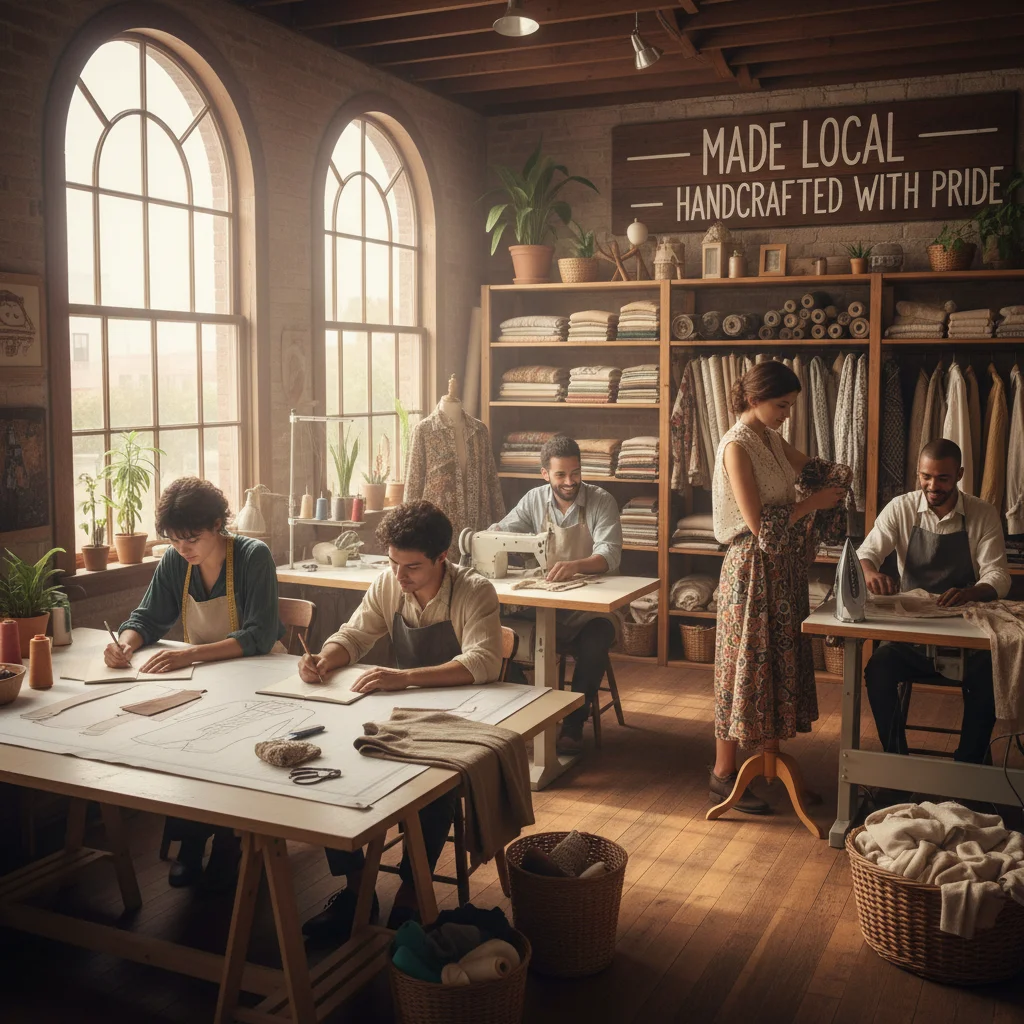
The third pivotal sustainable fashion 2026 trend is a significant move towards localized production and shorter, more transparent supply chains. The COVID-19 pandemic exposed the fragility and ethical shortcomings of globalized, elongated supply chains, prompting a reevaluation of manufacturing strategies. For American style, this means a resurgence of domestic manufacturing, regional sourcing, and a greater emphasis on craftsmanship and community.
Localized production offers a multitude of sustainability benefits. It drastically reduces transportation emissions, minimizes the risk of labor exploitation often associated with offshore manufacturing, and allows for greater oversight of environmental practices. Furthermore, it fosters local economies, creates jobs, and can lead to faster lead times and increased agility in responding to market demands, a crucial advantage in the fast-paced fashion world.
From a financial standpoint, the shift to localized production presents a complex but ultimately rewarding picture. While labor costs in the US and other developed nations are generally higher than in traditional manufacturing hubs, these increased expenses can be offset by several factors. Reduced shipping costs, lower import duties, and decreased inventory holding costs due to faster turnaround times contribute to a more efficient financial model. The ability to produce smaller, more responsive batches can also reduce overproduction and waste, which are significant financial drains for many brands.
Moreover, the ‘Made in USA’ label carries significant cachet with American consumers, who are increasingly prioritizing supporting local businesses and ethical production. This willingness to pay a premium for locally made goods can boost profit margins and strengthen brand loyalty. Brands that can authentically communicate their commitment to local production and fair labor practices will gain a strong competitive advantage in 2026.
Investing in localized production also means investing in local communities and infrastructure. This includes training a skilled workforce, upgrading manufacturing facilities, and fostering relationships with local suppliers. While these are upfront costs, they build long-term resilience and create a more robust domestic industry. Government incentives, such as tax breaks for domestic manufacturing or grants for sustainable production technologies, could further catalyze this trend and mitigate initial financial burdens.
The challenges include the availability of skilled labor, particularly in specialized textile crafts, and the re-establishment of a comprehensive domestic supply chain for all components. However, this challenge also presents an opportunity for innovation and the creation of new businesses within the American textile and apparel sector. The resurgence of regional textile mills and dyeing facilities, for example, could create a more integrated and sustainable ecosystem.
For consumers, localized production offers not just ethical peace of mind but also a unique connection to the products they buy. Knowing that a garment was made by artisans in their own country, with transparent labor practices, adds a layer of value that mass-produced items often lack. This can lead to a greater appreciation for quality and longevity, aligning perfectly with the circular economy principles discussed earlier. The financial impact on consumers might involve slightly higher prices for bespoke or small-batch items, but this is often justified by superior quality, ethical assurance, and the desire to support local economies. The transparency inherent in localized supply chains also reduces the risk of reputational damage for brands, a crucial financial consideration in today’s socially aware market.
The Interplay and Financial Synergies of Sustainable Fashion 2026 Trends
It’s crucial to understand that these three sustainable fashion 2026 trends – circularity, bio-materials/regenerative agriculture, and localized production – are not isolated phenomena. Instead, they are deeply interconnected, creating a powerful synergy that can drive comprehensive sustainability and significant financial benefits. For instance, localized production naturally facilitates circularity by making it easier to collect, repair, and reprocess garments within a manageable geographic area. A local textile recycling facility is far more efficient when fed by local consumers and local brands than by a global network.
Similarly, bio-materials often lend themselves well to circular systems. Many plant-based fibers and organically grown materials are inherently biodegradable or easier to compost and recycle, closing the loop more effectively. When these bio-materials are sourced through regenerative agriculture practices within a localized supply chain, the environmental and social benefits are multiplied, leading to a truly holistic approach to sustainable fashion. Imagine a garment made from regeneratively grown hemp, manufactured in a local workshop, and offered with a take-back program for composting or textile-to-textile recycling – this represents the pinnacle of sustainable fashion 2026.
The financial synergies are equally compelling. By combining these trends, brands can achieve greater efficiencies and cost savings in the long run. For example, reduced transportation costs from localized production combined with lower raw material costs from innovative bio-materials and the extended revenue streams from circular models can create a highly resilient and profitable business. Furthermore, the strong brand narrative built upon genuine, integrated sustainability efforts can command premium pricing and attract a loyal customer base, translating directly into increased sales and market valuation.
Investment in these integrated sustainable practices can also attract capital from ESG (Environmental, Social, and Governance) focused investors, who are increasingly looking for companies with strong sustainability credentials. This access to capital can fund further innovation and expansion, creating a virtuous cycle of growth and positive impact. Companies that lag in adopting these integrated approaches risk becoming obsolete, losing market share to more agile and responsible competitors, and potentially facing regulatory penalties or consumer backlash.
The transition to these integrated models requires a strategic approach. Brands need to invest in research and development, forge new partnerships with material innovators and local manufacturers, and educate their workforce and consumers. This is not a superficial marketing exercise but a fundamental shift in business philosophy. The financial return on investment for these integrated strategies might not be immediate, but the long-term sustainability – both environmental and economic – is undeniable.
Consumer and Policy Drivers: The Catalysts for Change
The shift towards sustainable fashion 2026 is not solely driven by industry innovation; it is significantly propelled by evolving consumer demands and increasingly stringent policy frameworks. American consumers, particularly Gen Z and Millennials, are demonstrating a clear preference for brands that align with their values. They are more likely to research a brand’s ethical practices, material sourcing, and environmental impact before making a purchase. This conscious consumerism acts as a powerful market force, incentivizing brands to adopt sustainable practices or risk losing market share.
Financially, this translates into a direct link between sustainability performance and revenue. Brands perceived as genuinely sustainable can command higher prices and build stronger customer loyalty, reducing customer acquisition costs and increasing lifetime value. Conversely, brands with poor sustainability records may face boycotts, negative publicity, and declining sales, impacting their bottom line significantly.
Policy and regulation are also playing an increasingly critical role. Governments around the world, and specifically within the US, are beginning to implement legislation aimed at curbing textile waste, promoting circularity, and ensuring ethical labor practices. Extended Producer Responsibility (EPR) schemes, where brands are held accountable for the entire lifecycle of their products, are gaining traction. Regulations on chemical use, water pollution, and carbon emissions are also becoming more robust. These policies, while presenting compliance costs, also create a level playing field and accelerate the industry’s transition towards sustainability. Brands that proactively adapt to these regulatory changes will avoid penalties and gain a first-mover advantage, potentially shaping future policy rather than merely reacting to it.
The financial impact of policy can be twofold: it can impose costs for non-compliance, but it can also unlock new opportunities through tax incentives, grants, and subsidies for sustainable innovation. For example, investments in renewable energy for manufacturing or the adoption of waste reduction technologies might qualify for government support, mitigating initial capital outlays. Ignoring these policy shifts is a significant financial risk for any fashion brand operating in 2026 and beyond.
Conclusion: The Future is Sustainable and Profitable for American Style
As we navigate towards 2026, the trajectory of American style is unmistakably set towards a future defined by sustainability. The three dominant trends – circularity, bio-materials and regenerative agriculture, and localized production – are not merely ethical considerations but fundamental economic drivers. Brands that embrace these changes proactively will not only contribute to a healthier planet but also position themselves for significant financial growth and resilience in a competitive market.
The financial implications are clear: initial investments in sustainable infrastructure, R&D for new materials, and reconfiguring supply chains will be necessary. However, these costs are outweighed by the long-term benefits of reduced resource dependency, increased operational efficiency, stronger brand loyalty, access to new markets, and enhanced investor appeal. Consumers are ready to support this shift, and regulatory bodies are increasingly demanding it.
The future of sustainable fashion 2026 in America is one where style is not sacrificed for sustainability, but rather enhanced by it. It’s a future where innovation, responsibility, and profitability go hand-in-hand, redefining what it means to be fashion-forward in the 21st century. Businesses that recognize and act upon these trends now will be the leaders of tomorrow, shaping an industry that is both environmentally sound and economically robust.
The journey is complex, but the destination – a thriving, responsible, and financially successful American fashion industry – is well within reach for those willing to innovate and adapt.
Emilly Correa has a degree in journalism and a postgraduate degree in Digital Marketing, specializing in Content Production for Social Media. With experience in copywriting and blog management, she combines her passion for writing with digital engagement strategies. She has worked in communications agencies and now dedicates herself to producing informative articles and trend analyses.