Gene Editing Breakthroughs: What U.S. Citizens Need to Know by 2027
Discover the profound impact of gene editing by 2027 on U.S. citizens. This article delves into CRISPR technology, its practical applications, ethical considerations, and the regulatory landscape shaping its future.
By: Matheus Neiva on March 12, 2026
Last updated on: July 28, 2026
Gene Editing Breakthroughs: What U.S. Citizens Need to Know by 2027
The landscape of healthcare and human biology is on the cusp of a revolution, driven by advancements in gene editing technologies. For U.S. citizens, the year 2027 is poised to be a pivotal point, where theoretical possibilities begin to translate into tangible realities. Understanding these gene editing breakthroughs is no longer the sole domain of scientists; it’s becoming a crucial piece of knowledge for every informed individual. This comprehensive guide will delve into what these developments entail, their practical implications, the ethical dilemmas they present, and what you, as a U.S. citizen, should know by 2027.
Gene Editing Breakthroughs: What U.S. Citizens Need to Know by 2027
Imagine a world where genetic diseases are not just managed but cured at their root cause. A world where susceptibility to certain conditions can be mitigated before they even manifest. This isn’t science fiction; it’s the trajectory of gene editing, and by 2027, significant strides will have been made, particularly in the United States. The pace of innovation in this field is breathtaking, promising profound transformations across medicine, agriculture, and even our understanding of what it means to be human. As we approach 2027, the conversation around gene editing shifts from ‘if’ to ‘how’ and ‘when,’ making it imperative for U.S. citizens to be well-informed and prepared for the changes ahead.
The Core of the Revolution: Understanding CRISPR and Beyond
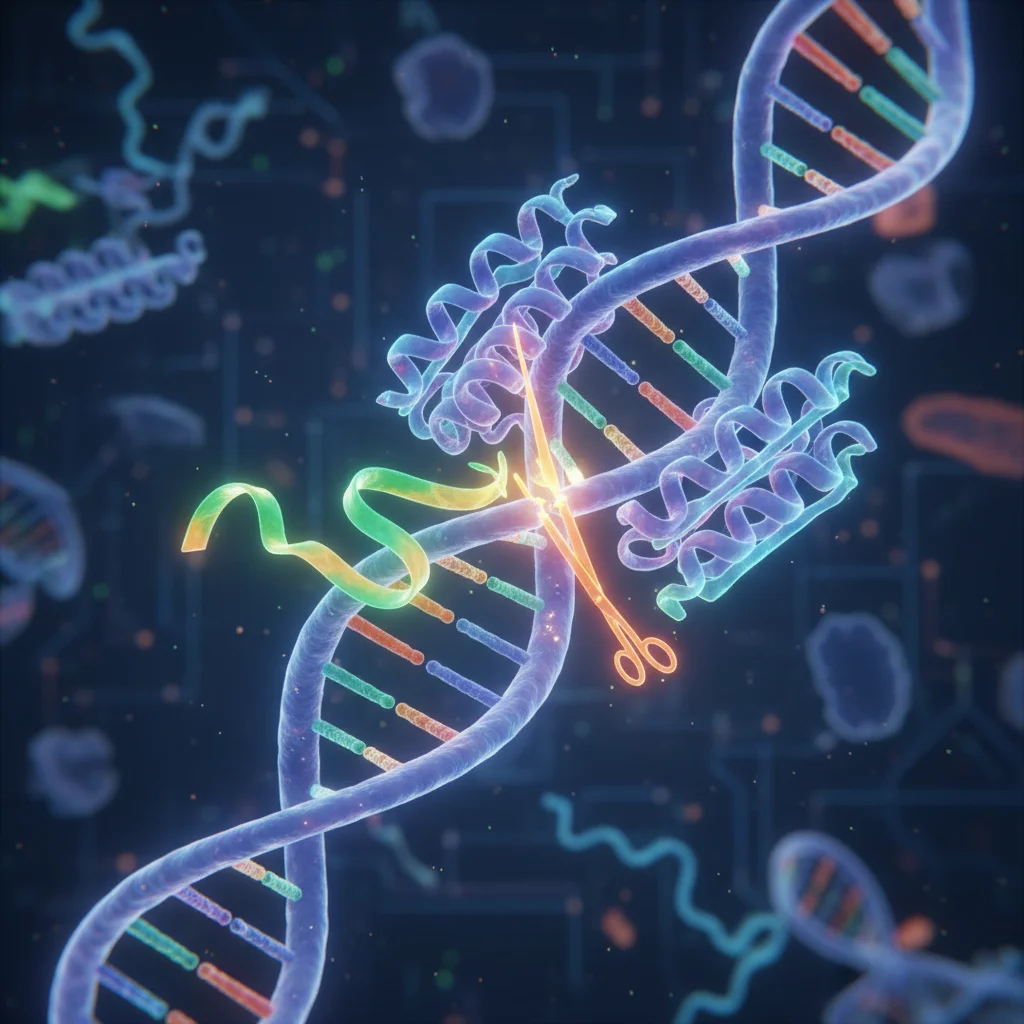
At the heart of the current gene editing revolution lies CRISPR-Cas9, a molecular tool that has dramatically simplified and accelerated the process of modifying DNA. Discovered as a bacterial defense mechanism, CRISPR (Clustered Regularly Interspaced Short Palindromic Repeats) allows scientists to precisely cut and paste genetic material with unprecedented accuracy and ease. While CRISPR-Cas9 is the most well-known, other advanced gene editing technologies, such as base editing and prime editing, are also rapidly evolving, offering even finer control and reducing the risk of off-target edits. These innovations are collectively pushing the boundaries of what’s possible in genetic engineering.
By 2027, the sophistication of these tools will have reached new heights. Researchers are continually refining CRISPR to be more efficient, less prone to errors, and capable of targeting a wider range of genetic sequences. Next-generation gene editing systems are emerging that promise to overcome some of the limitations of early CRISPR technology, such as the ability to make larger genetic insertions or deletions without requiring double-stranded DNA breaks, which can be more damaging to the cell. This means that by 2027, the precision and safety profile of gene editing will be significantly enhanced, paving the way for broader clinical applications.
Furthermore, the delivery mechanisms for these gene editing tools are becoming increasingly refined. Viral vectors, lipid nanoparticles, and even direct protein delivery are being optimized to ensure that the gene editing machinery reaches the target cells effectively and safely. The development of ‘in vivo’ gene editing, where modifications are made directly within the patient’s body, is a major focus, aiming to reduce the need for ex vivo manipulation of cells, which is often more complex and costly. This shift towards in vivo approaches will be crucial for making gene editing therapies more accessible and scalable by 2027.
The implications of these technological advancements are vast. From correcting single-gene disorders like cystic fibrosis and sickle cell anemia to potentially even altering susceptibility to complex diseases like cancer and Alzheimer’s, the horizon for therapeutic applications is expanding rapidly. The U.S. regulatory bodies, such as the FDA, are actively working to establish clear pathways for the approval of these innovative therapies, recognizing their immense potential while also ensuring patient safety and efficacy. This regulatory evolution is a critical component of how gene editing will integrate into mainstream healthcare by 2027.
Practical Applications by 2027: From Lab to Clinic
The promise of gene editing isn’t confined to scientific journals; it’s actively moving into clinical trials and, by 2027, will likely be a part of standard medical practice for certain conditions. Here’s a closer look at the practical applications U.S. citizens can expect:
Treating Genetic Disorders
One of the most immediate and impactful applications of gene editing is in the treatment of monogenic diseases – conditions caused by a single gene defect. Diseases like sickle cell anemia, beta-thalassemia, and Huntington’s disease are prime targets. Clinical trials are already showing promising results, with some patients achieving functional cures. By 2027, it’s highly probable that several gene-edited therapies for these types of disorders will have received FDA approval, offering life-changing treatments to patients who previously had limited options. The ability to correct the underlying genetic error, rather than just managing symptoms, represents a paradigm shift in medicine.
For instance, imagine a child born with severe combined immunodeficiency (SCID), often referred to as ‘bubble baby’ disease. Historically, the only cure was a bone marrow transplant, which carries significant risks. With gene editing, a patient’s own stem cells can be harvested, corrected ex vivo, and then reintroduced, potentially providing a permanent functional immune system without the need for a donor. By 2027, such therapies could be more widely available, transforming the lives of affected families and significantly reducing the burden on healthcare systems.
Combating Cancer
Gene editing is also proving to be a powerful tool in the fight against cancer. CAR T-cell therapy, which involves engineering a patient’s immune cells to recognize and destroy cancer cells, is already a revolutionary treatment. Gene editing can further enhance these therapies by making CAR T-cells more potent, more durable, and less prone to exhaustion. By 2027, we can anticipate more advanced gene-edited immunotherapies that are effective against a wider range of cancers, including solid tumors, which have historically been more challenging to treat. This could involve editing T-cells to resist inhibitory signals from tumors or to target multiple cancer antigens simultaneously.
Beyond T-cells, gene editing is being explored to directly target cancer-causing genes within tumor cells, or to make healthy cells more resistant to chemotherapy side effects. The precision of CRISPR allows for highly specific interventions, minimizing damage to healthy tissues. The development of ‘off-the-shelf’ gene-edited immune cells, derived from healthy donors, could also make these treatments more accessible and reduce the time and cost associated with personalized cell therapies. This scalability will be a key factor in their widespread adoption by 2027.
Preventing Infectious Diseases
The ability to precisely alter genetic material holds immense potential for preventing and treating infectious diseases. Researchers are exploring gene editing to make human cells resistant to viral infections like HIV, herpes, and even influenza. By targeting genes that viruses rely on to enter or replicate within cells, scientists aim to create a form of genetic immunity. While still in earlier stages of development compared to genetic disorder treatments, by 2027, we might see the first clinical trials for such preventative gene therapies, particularly for chronic viral infections where traditional antiviral drugs have limitations.
Another exciting area is the use of gene editing to develop novel diagnostics and therapeutic agents against emerging pathogens. The rapid response capabilities of gene editing platforms mean that in the face of future pandemics, scientists could quickly design and deploy genetic interventions. This proactive approach to infectious disease management could fundamentally change public health strategies by 2027, offering tools to not just react to outbreaks but to preemptively strengthen human defenses.
Advancements in Agriculture and Food Security
While this article primarily focuses on human health, it’s important to note that gene editing is also transforming agriculture. By 2027, U.S. citizens will likely see more gene-edited crops on the market that are more nutritious, disease-resistant, and resilient to climate change. These advancements contribute to food security and sustainability, indirectly benefiting consumers through more robust food supplies and potentially lower costs. The regulatory landscape for gene-edited crops is also evolving, distinguishing them from traditional GMOs due to the precision of the edits, which often mimic natural mutations.
Ethical, Social, and Regulatory Considerations for Gene Editing 2027
The power of gene editing comes with significant ethical, social, and regulatory challenges that demand careful consideration. As these technologies become more accessible by 2027, public discourse and policy frameworks will need to keep pace.
Germline vs. Somatic Editing
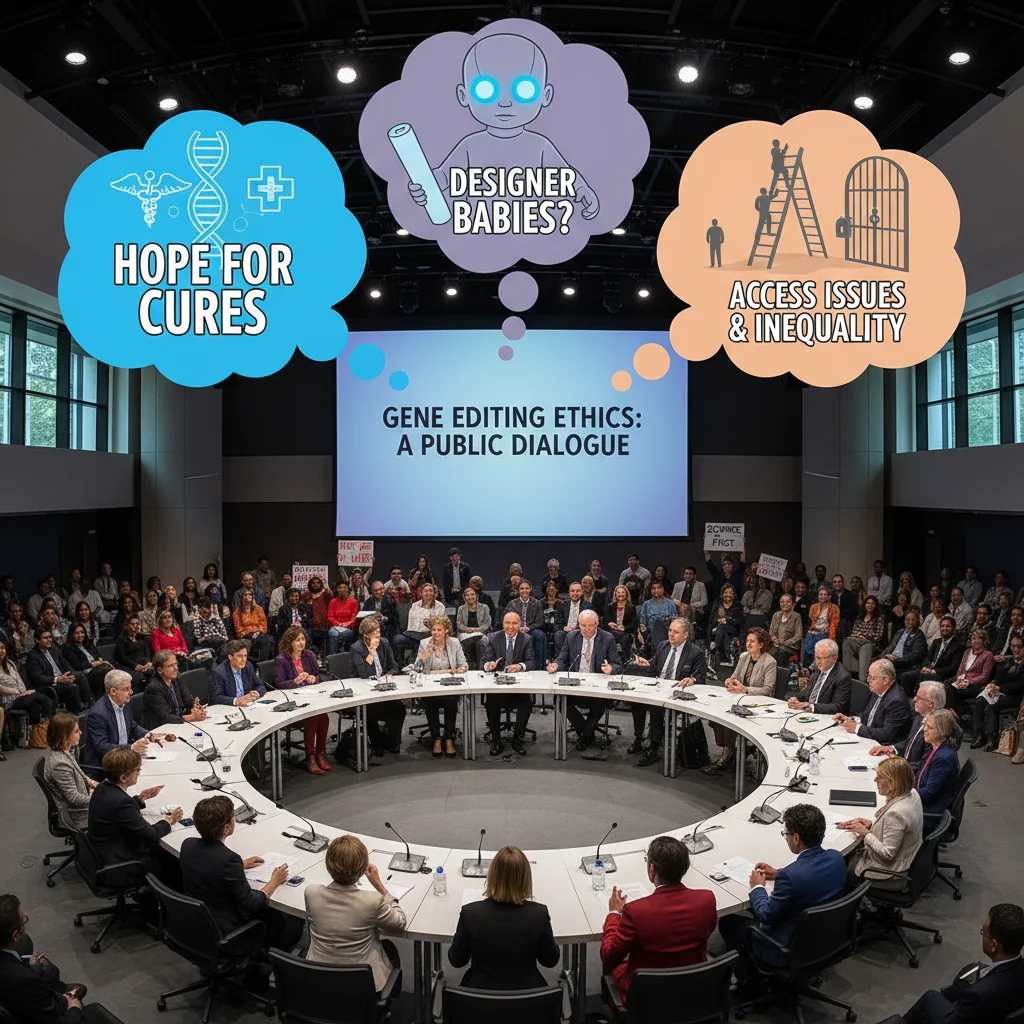
A crucial distinction in the ethical debate is between somatic gene editing and germline gene editing. Somatic editing targets non-reproductive cells, meaning any genetic changes are confined to the treated individual and are not passed on to future generations. This is the focus of most current therapeutic applications. Germline editing, however, modifies reproductive cells (sperm, eggs, or early embryos), meaning the changes would be heritable. While germline editing could theoretically eradicate genetic diseases from families forever, it raises profound ethical concerns about ‘designer babies,’ unintended consequences on the human gene pool, and the right of future generations to an unaltered genetic identity. Most countries, including the U.S., currently prohibit germline editing for reproductive purposes, and this stance is unlikely to change drastically by 2027 without extensive public and scientific consensus.
Accessibility and Equity
As with many advanced medical technologies, there is a significant concern about equitable access. Gene editing therapies are likely to be very expensive initially, raising questions about who will be able to afford them. Will these breakthroughs exacerbate existing health disparities, creating a society where only the wealthy can access genetic cures? By 2027, policymakers will be grappling with mechanisms to ensure that these life-saving and life-improving treatments are accessible to all U.S. citizens, regardless of socioeconomic status. This could involve comprehensive insurance coverage, government subsidies, or innovative pricing models. The debate will also extend to global equity, as these technologies could widen the health gap between developed and developing nations.
Safety and Off-Target Effects
Despite the precision of CRISPR, there is always a risk of off-target edits – unintended changes to the DNA at sites other than the intended target. While continuous improvements are being made to minimize these risks, ensuring the long-term safety of gene editing therapies is paramount. Regulatory bodies like the FDA are requiring rigorous testing and long-term follow-up studies for all gene-edited products. By 2027, our understanding of the potential long-term effects will be much greater, but ongoing vigilance will remain critical.
Furthermore, the immune response to gene editing components, such as the Cas9 enzyme or the viral vectors used for delivery, is another safety consideration. The body’s immune system can recognize these components as foreign, potentially neutralizing the therapy or causing adverse reactions. Researchers are actively developing strategies to circumvent these immune responses, including using engineered Cas9 variants or alternative delivery methods. By 2027, advancements in this area will contribute significantly to the overall safety profile of gene editing therapies.
The ‘Designer Baby’ Dilemma and Societal Values
The specter of ‘designer babies’ – genetically enhanced humans with selected traits – often looms large in discussions about gene editing. While current research is focused on therapeutic applications to treat disease, the technology’s potential to enhance non-medical traits (intelligence, athletic ability, appearance) raises profound ethical and societal questions. By 2027, the line between therapy and enhancement may become blurrier, forcing society to confront fundamental questions about human identity, diversity, and what constitutes a ‘normal’ human. Public engagement and robust ethical frameworks will be essential to navigate these complex issues.
The potential for unintended social stratification based on genetic enhancements is a significant concern. If only a privileged few can afford to enhance their offspring, it could create a new form of inequality, deepening existing societal divides. This is why the ethical debate around gene editing is not just a scientific one, but a deeply philosophical and sociological one, requiring input from ethicists, policymakers, religious leaders, and the public at large. U.S. citizens will need to actively participate in these discussions to shape the future direction of this powerful technology.
Regulatory Landscape and Public Trust
The U.S. regulatory environment for gene editing is continuously evolving. The FDA plays a critical role in ensuring the safety and efficacy of gene therapies. By 2027, we can expect a more streamlined, yet rigorous, regulatory pathway for gene-edited products, reflecting accumulated experience and scientific understanding. Transparency in clinical trials and robust post-market surveillance will be key to maintaining public trust. International cooperation on regulatory standards will also be important, given the global nature of scientific research and medical tourism.
Public education is paramount. Misinformation and sensationalism can erode trust and hinder progress. By 2027, accurate and accessible information about gene editing will be more important than ever, enabling citizens to make informed decisions and participate constructively in policy debates. Educational initiatives from scientific organizations, government agencies, and healthcare providers will be crucial to foster a nuanced understanding of the benefits and risks.
What U.S. Citizens Can Do to Stay Informed by 2027
As gene editing continues its rapid ascent, staying informed is critical. Here’s how U.S. citizens can prepare for and engage with the changes by 2027:
Follow Reputable Scientific News Sources: Look for updates from established scientific journals, university research centers, and respected medical news outlets. Avoid sensationalist headlines and always verify information.
Understand the Basics of Genetics: A foundational understanding of DNA, genes, and heredity will make it easier to grasp the nuances of gene editing technologies. Many online resources and educational platforms offer accessible introductions to genetics.
Engage in Public Discourse: Participate in local community forums, online discussions, or advocacy groups that address bioethics and genetic technologies. Your voice can contribute to shaping public policy.
Consult Healthcare Professionals: If you or your family have a genetic condition, discuss potential gene therapy options with your doctor or a genetic counselor. They can provide personalized information and guidance.
Support Ethical Research: Advocate for funding and policies that promote responsible and ethical scientific research in gene editing. This ensures that advancements are made with societal well-being at the forefront.
Be Aware of Policy Debates: Pay attention to legislative discussions and regulatory changes concerning gene editing at both federal and state levels. Informed citizens can influence policy decisions that impact public health and ethical boundaries.
By 2027, the conversation around gene editing will be deeply embedded in our society. From personalized medicine to public health strategies, its influence will be undeniable. Being an informed citizen means understanding not just the scientific marvels but also the profound ethical and social responsibilities that come with wielding such powerful technology.
The Future is Now: Preparing for Gene Editing in 2027
The journey from the discovery of CRISPR to its widespread application in medicine has been remarkably swift, and by 2027, we will be living in a world where gene editing is no longer a distant dream but a tangible reality for many. The U.S. is at the forefront of this revolution, with significant investments in research, robust regulatory frameworks, and a dynamic ecosystem of biotech innovation. This means that U.S. citizens will be among the first to experience the benefits and confront the challenges of this transformative technology.
The impact of AI Revolution by 2027 will extend beyond individual health. It will influence healthcare economics, reshape our understanding of disease, and provoke deep philosophical discussions about human identity and our place in the natural world. The ability to directly edit the human genome opens doors to unprecedented control over our biological destiny, but with that control comes immense responsibility.
As we move closer to 2027, the focus will continue to be on ensuring that these powerful tools are used safely, effectively, and ethically. The collaboration between scientists, ethicists, policymakers, and the public will be crucial in steering the course of this revolution. For U.S. citizens, embracing this knowledge and participating in the ongoing dialogue is not just an option but a civic duty. The future of medicine, and perhaps humanity itself, is being written with every genetic edit, and understanding these gene editing breakthroughs is the first step towards shaping that future responsibly.
The year 2027 will not be the end of the gene editing story, but rather a significant chapter where the initial promises begin to materialize into concrete realities. It will be a period of both excitement and critical reflection, demanding that we, as a society, carefully consider the implications of our newfound power to rewrite the code of life. By staying informed and engaged, U.S. citizens can play a vital role in ensuring that these incredible advancements serve the greater good of all.
Matheus Neiva has a degree in Communication and a specialization in Digital Marketing. Working as a writer, he dedicates himself to researching and creating informative content, always seeking to convey information clearly and accurately to the public.