Gen Z Consumer Trends 2026: Redefining American Commerce
Gen Z is set to dramatically redefine American consumer culture by 2026. This article delves into their core values, spending habits, digital preferences, and how businesses must adapt to thrive in this evolving market landscape.
By: Emilly Correa on March 30, 2026
Last updated on: July 28, 2026
The year 2026 is not just another calendar mark; it represents a pivotal moment for American consumer culture. At its heart, driving this seismic shift, is Generation Z. Born roughly between 1997 and 2012, this cohort is rapidly coming of age, entering their prime earning and spending years, and their unique values, experiences, and digital fluency are fundamentally reshaping the marketplace. Businesses that fail to understand and adapt to these Gen Z consumer trends risk becoming obsolete in an increasingly competitive landscape.
Unlike previous generations, Gen Z has grown up in a world defined by constant connectivity, global crises, and an unprecedented level of social awareness. These foundational experiences have instilled in them a distinct set of priorities that directly influence their purchasing decisions, brand loyalties, and expectations for engagement. From sustainability and authenticity to digital integration and social justice, their demands are clear and non-negotiable. This comprehensive guide will delve deep into the core tenets of Gen Z’s consumer philosophy, offering invaluable insights for brands striving to connect with this powerful demographic.
The Digital Natives: A Seamless Online Existence
One of the most defining characteristics of Gen Z is their inherent digital native status. They are the first generation to have never known a world without the internet, smartphones, or social media. For them, the digital realm isn’t just a tool; it’s an extension of their reality, deeply intertwined with their social lives, education, and, crucially, their consumption habits. This seamless integration has profound implications for how they discover, research, and purchase products.
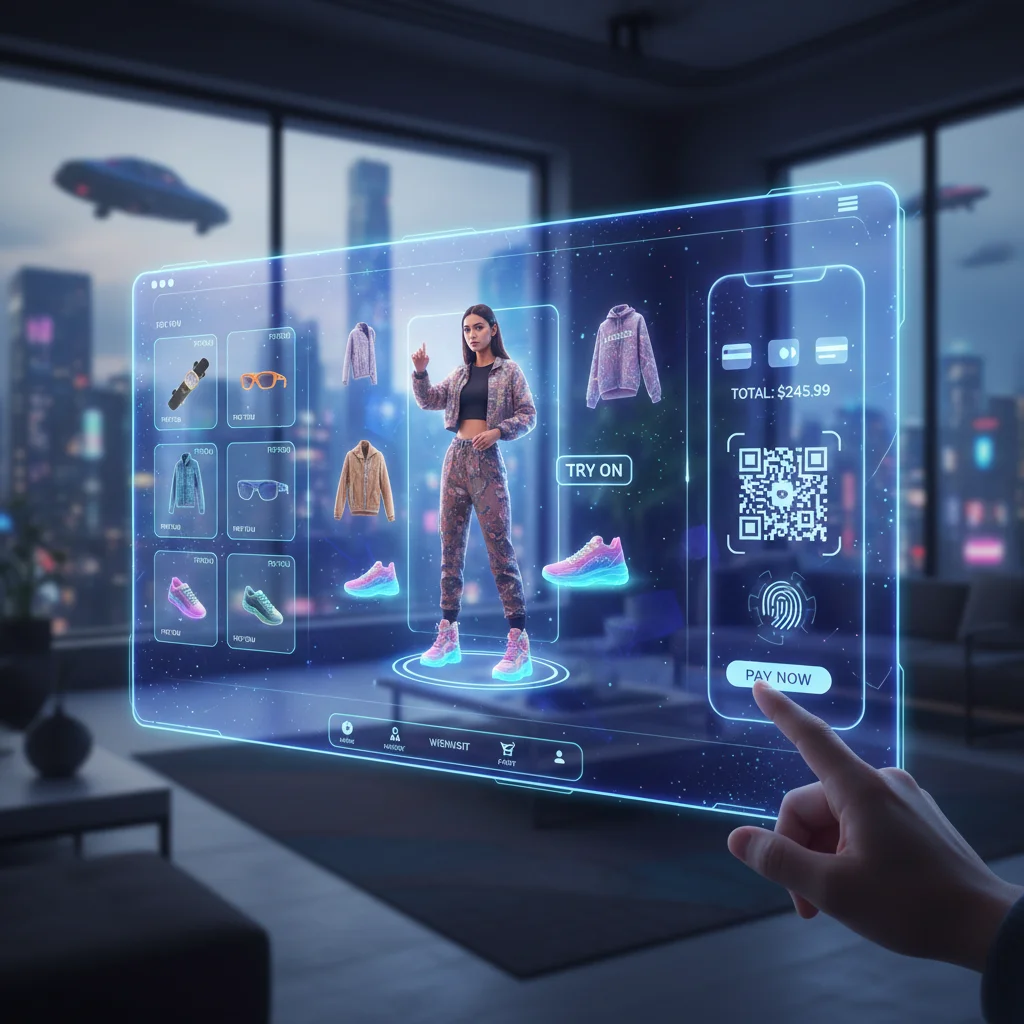
By 2026, the lines between online and offline shopping will be virtually indistinguishable for Gen Z. They expect omnichannel experiences that allow them to fluidly move between physical stores, e-commerce websites, social media platforms, and even metaverse environments. Brands must invest heavily in creating cohesive digital ecosystems that offer personalized experiences, interactive content, and effortless transactions across all touchpoints. This means more than just having an online store; it requires a holistic strategy that encompasses social commerce, live shopping events, augmented reality (AR) try-ons, and virtual customer service.
Furthermore, Gen Z’s reliance on digital platforms extends to their information gathering. They are adept at sifting through vast amounts of information, relying heavily on peer reviews, influencer recommendations, and user-generated content over traditional advertising. Authenticity is paramount; they can spot inauthentic marketing from a mile away. Brands looking to capture their attention must prioritize genuine engagement, fostering communities around their products and empowering their customers to become brand advocates.
The rise of TikTok and other short-form video platforms exemplifies Gen Z’s preference for bite-sized, engaging content. Brands need to master the art of storytelling in these formats, creating content that is not only entertaining but also informative and relatable. This also means being agile and responsive to rapidly evolving digital trends, as what’s popular today might be old news tomorrow in the fast-paced digital world of Gen Z.
Values Over Vouchers: The Ethical Imperative
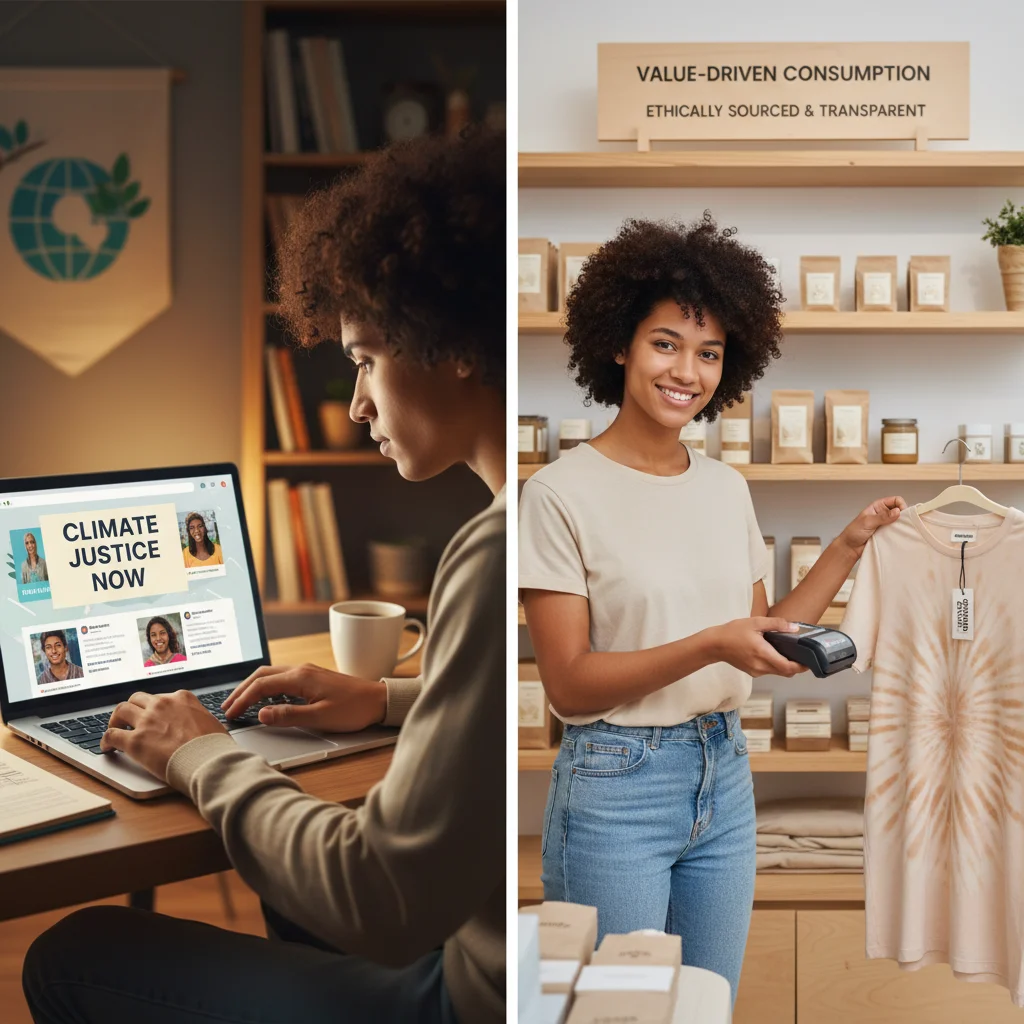
Perhaps the most significant differentiator of Gen Z as consumers is their unwavering commitment to values-driven purchasing. They are not merely buying products; they are investing in brands that align with their ethical, social, and environmental principles. This goes far beyond superficial lip service; they demand transparency, accountability, and demonstrable action from the companies they support.
Sustainability is a core concern for this generation. Having grown up witnessing the accelerating impacts of climate change, Gen Z is acutely aware of environmental issues and expects brands to play a proactive role in addressing them. This translates into a preference for products that are ethically sourced, environmentally friendly, and produced by companies with demonstrable sustainable practices. They will scrutinize supply chains, packaging, and corporate policies, often opting for brands that prioritize circularity, reduce waste, and minimize their carbon footprint, even if it means paying a premium.
Social justice and equity are equally important. Gen Z is the most diverse generation to date, and they champion inclusivity, diversity, and social responsibility. They expect brands to reflect these values in their marketing, hiring practices, and corporate philanthropy. Companies that take a stand on important social issues, advocate for marginalized communities, and contribute positively to society will earn their loyalty. Conversely, brands perceived as exploitative, discriminatory, or silent on critical issues will face swift and vocal backlash, often amplified through social media.
Authenticity and transparency are the bedrock of this value system. Gen Z wants to see the real people behind the brand, understand their mission, and trust that their claims are genuine. Greenwashing or performative activism will be quickly exposed and rejected. Brands must be prepared to open their operations, share their stories, and engage in honest dialogue with their consumers.
The Experience Economy: More Than Just a Product
For Gen Z, consumption is increasingly about the experience, not just the acquisition of goods. They value moments, memories, and personal growth over material possessions. This shift has profound implications for how brands design their products, services, and retail environments.
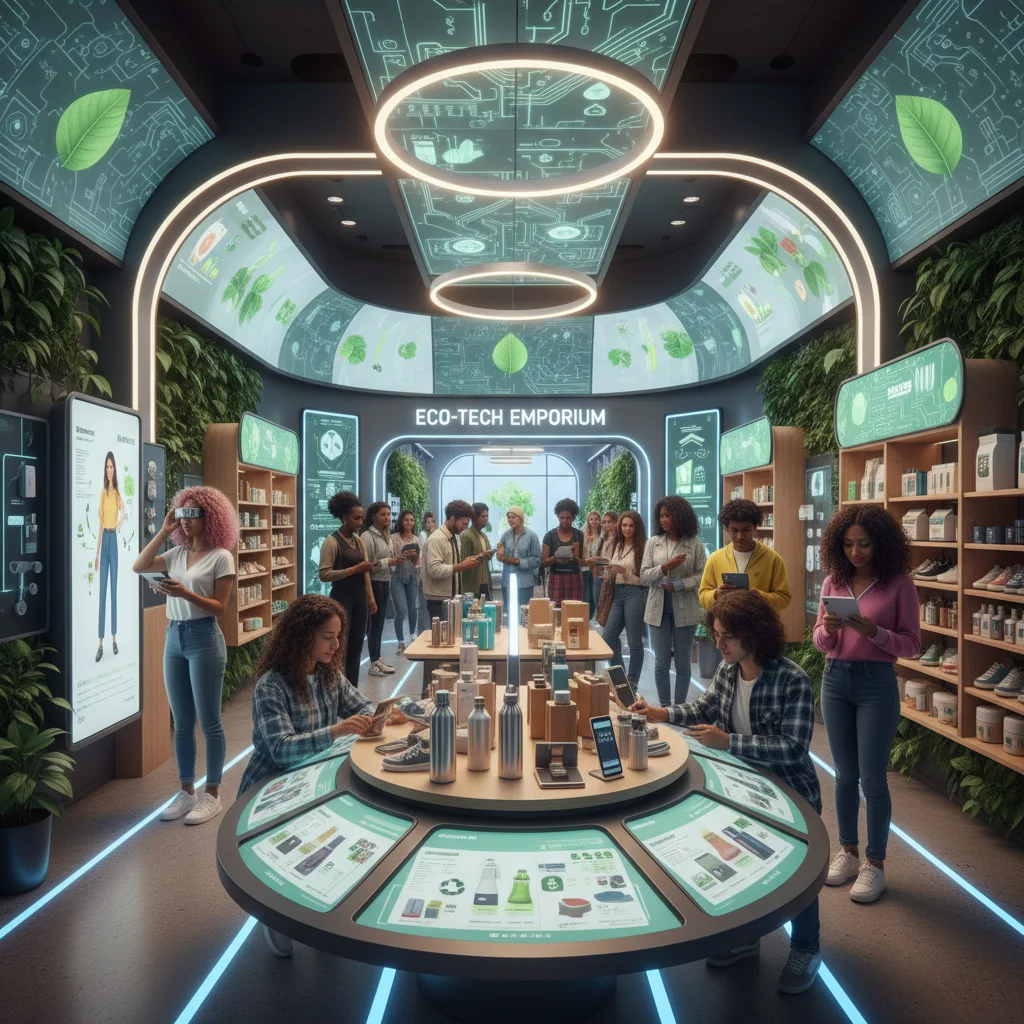
Experiential retail, both online and offline, is crucial. Physical stores are no longer just places to buy things; they are becoming community hubs, interactive showrooms, and immersive brand destinations. Think pop-up experiences, workshops, events, and spaces that encourage social interaction and content creation. Similarly, online experiences must be engaging and interactive, offering personalized journeys that go beyond a simple transaction. Virtual reality (VR) and augmented reality (AR) will play an increasingly significant role in delivering these immersive digital experiences, allowing consumers to “try on” clothes, visualize furniture in their homes, or explore virtual product demonstrations.
Personalization is another key element of the experience economy. Gen Z expects brands to understand their individual preferences, anticipate their needs, and offer tailored recommendations. This requires sophisticated data analytics and AI-driven personalization engines, but it must be executed in a way that feels helpful and not intrusive. Brands that can deliver highly relevant and personalized experiences will foster deeper connections and build stronger loyalty.
Furthermore, Gen Z is keen on co-creation and community. They want to be part of the brand’s journey, offering feedback, contributing ideas, and feeling a sense of ownership. Brands that involve their customers in product development, marketing campaigns, or even governance will unlock a powerful level of engagement and advocacy. This collaborative approach aligns perfectly with their desire for authenticity and their distrust of top-down corporate messaging.
Financial Prudence Meets Instant Gratification: A Paradoxical Approach
Gen Z’s financial landscape is marked by a unique blend of practicality and a desire for instant gratification. They came of age during economic uncertainty, witnessing recessions and rising costs of living, which has instilled a degree of financial prudence. Yet, as digital natives, they are also accustomed to immediate access and seamless transactions.
This translates into a demand for value, not necessarily cheapness. They are willing to invest in quality products that last, especially if they align with their values (e.g., sustainable, ethically produced). They are savvy researchers, comparing prices, reading reviews, and seeking out the best deals. Loyalty programs that offer genuine benefits and exclusive access are highly valued. However, they are also comfortable with alternative payment methods, such as buy now, pay later (BNPL) services, reflecting their desire for financial flexibility and immediate access to desired items.
The gig economy and entrepreneurial spirit are also strong within Gen Z. Many are involved in side hustles, content creation, or freelance work, giving them diverse income streams and a practical understanding of value and effort. This entrepreneurial mindset also makes them more receptive to direct-to-consumer (DTC) brands and innovative business models that challenge traditional retail structures.
Brands need to cater to this duality by offering transparent pricing, clear value propositions, and flexible payment options. They also need to acknowledge the financial realities of this generation, understanding that while they are willing to spend on what matters to them, they are also highly budget-conscious. Marketing messages should focus on long-term value, durability, and the positive impact of their purchases, rather than just superficial trends.
The Future of Work and Its Impact on Consumer Patterns
Gen Z is not just redefining how we shop; they are also reshaping the future of work, and these changes inevitably spill over into their consumer patterns. Their preference for flexible work arrangements, remote opportunities, and a strong emphasis on work-life balance means that their daily routines and consumption needs will differ significantly from previous generations.
With more time spent at home or in co-working spaces, there’s a growing demand for products and services that enhance comfort, productivity, and well-being within these environments. This includes ergonomic home office equipment, subscription boxes for healthy meals or self-care, and digital tools that facilitate remote collaboration and learning. The traditional 9-to-5 workday is becoming less relevant, leading to more fluid consumption patterns throughout the day and week.
Furthermore, Gen Z’s career aspirations are often tied to purpose and impact, not just financial gain. This reinforces their value-driven purchasing, as they seek out brands that mirror their professional ethics. Companies that offer fair labor practices, invest in employee well-being, and contribute to societal good will resonate more strongly with this generation, not just as consumers but also as potential employees.
The blurring lines between work, leisure, and personal development also create opportunities for brands to offer integrated solutions. For example, a subscription service that combines professional development courses with wellness content, or a retail space that doubles as a networking hub, could appeal strongly to Gen Z’s holistic approach to life. Understanding their evolving relationship with work is key to predicting their future consumer needs.
Brand Loyalty Redefined: Fluid and Earned
Traditional notions of brand loyalty are being challenged by Gen Z. While previous generations might have stuck with brands out of habit or perceived reliability, Gen Z’s loyalty is far more fluid and, crucially, earned. It’s not a given; it must be continuously cultivated through consistent alignment with their values, exceptional experiences, and genuine engagement.
Their willingness to switch brands is high if a competitor offers a better value proposition, a more ethical product, or a superior experience. This means brands cannot rest on their laurels; they must constantly innovate, listen to feedback, and adapt to evolving preferences. Loyalty for Gen Z is less about an exclusive relationship and more about a consistent demonstration of shared values and mutual benefit.
Community building plays a significant role in fostering this new form of loyalty. Brands that create platforms for their customers to connect with each other, share experiences, and feel a sense of belonging will build deeper, more resilient relationships. This goes beyond simple customer service; it’s about creating a tribe around the brand’s ethos. User-generated content, brand ambassadorships, and interactive online forums are powerful tools for this.
Transparency about product origins, manufacturing processes, and corporate impact also builds trust, which is a cornerstone of Gen Z loyalty. Any perceived dishonesty or lack of clarity can quickly erode trust and lead to a swift departure. Brands need to be prepared to be fully open and accountable, as Gen Z has the tools and the inclination to investigate claims thoroughly.
The Influence of Micro-Influencers and Peer Networks
While celebrity endorsements still hold some sway, Gen Z places significantly more trust in micro-influencers and their immediate peer networks. These are individuals who have smaller but highly engaged followings, often within niche communities. Their recommendations are perceived as more authentic and relatable than those from mega-influencers or traditional advertising.
Brands need to shift their marketing strategies to incorporate this understanding. Investing in meaningful partnerships with micro-influencers who genuinely align with their brand values can yield far greater returns than expensive campaigns with broad-reach celebrities. The focus should be on building long-term relationships with these creators, allowing them the creative freedom to authentically integrate products into their content.
Word-of-mouth marketing, amplified through social media, remains incredibly powerful. Gen Z actively shares their experiences, both positive and negative, with their friends and followers. Brands must prioritize exceptional customer service and product quality to encourage positive word-of-mouth. Conversely, negative experiences can quickly go viral, causing significant reputational damage. Monitoring social sentiment and engaging constructively with both praise and criticism is essential.
Furthermore, the rise of “de-influencing” – where creators advise their followers against purchasing certain products or trends – highlights Gen Z’s critical thinking and desire for genuine recommendations. Brands must ensure their products truly deliver on their promises, as this generation is quick to call out hype that doesn’t live up to expectations.
The Role of E-sports and Gaming in Consumer Engagement
For many within Gen Z, gaming is not just a hobby; it’s a significant part of their social lives and a powerful cultural touchstone. The burgeoning e-sports industry and the immersive worlds of online gaming present a unique and fertile ground for consumer engagement. Brands that can authentically integrate themselves into these spaces stand to gain significant traction.
This goes beyond simple in-game advertising. It involves creating custom skins or virtual items, sponsoring e-sports teams, hosting virtual events within game environments, or collaborating with popular streamers and gamers. The key is to add value to the gaming experience, rather than disrupt it. Brands that understand the nuances of gaming culture and speak its language will be welcomed, while those that simply parachute in with generic ads will be ignored.
The metaverse, while still in its nascent stages, represents the ultimate extension of this trend. As virtual worlds become more sophisticated and integrated into daily life, Gen Z will expect to interact with brands, purchase virtual goods, and experience services within these digital realms. Early adoption and experimentation in this space will provide a competitive advantage for brands looking ahead to 2026 and beyond.
Moreover, the skills developed through gaming – problem-solving, collaboration, strategic thinking – often translate into Gen Z’s approach to consumption. They are analytical, quick to adapt, and expect dynamic, responsive interactions. Brands that offer interactive challenges, gamified loyalty programs, or collaborative product design opportunities will resonate with this mindset.
Conclusion: Adapting to the Gen Z Imperative
By 2026, Gen Z will wield immense purchasing power, and their influence on American consumer culture will be undeniable. Their unique blend of digital fluency, ethical consciousness, and desire for authentic experiences demands a fundamental re-evaluation of traditional business strategies. Brands that embrace these Gen Z consumer trends will not only survive but thrive in the evolving marketplace.
The path forward requires more than just superficial changes. It necessitates a deep understanding of their values, a commitment to transparency and social responsibility, and a willingness to innovate across all aspects of the consumer journey. From developing sustainable products and fostering genuine online communities to delivering personalized, experiential retail and engaging authentically in digital spaces, every touchpoint must be carefully considered.
Ultimately, success in the Gen Z era hinges on authenticity, purpose, and agility. Brands that can genuinely connect with this generation on a values level, offer seamless and engaging experiences, and remain responsive to their ever-evolving needs will build lasting loyalty and secure their place in the future of American commerce. The shift is already underway; 2026 merely marks the point where Gen Z’s influence becomes the dominant force, shaping the landscape for decades to come.
Emilly Correa has a degree in journalism and a postgraduate degree in Digital Marketing, specializing in Content Production for Social Media. With experience in copywriting and blog management, she combines her passion for writing with digital engagement strategies. She has worked in communications agencies and now dedicates herself to producing informative articles and trend analyses.